
Are you tired of constantly battling mosquito bites? Do you wish there was a natural way to repel these pesky insects from your garden or home? The good news is that you can! Certain plants have been shown to be effective at preventing mosquito bites and keeping them at bay. These plants, such as Citronella and Lemon Balm, not only add a lovely fragrance to your space but also serve as a natural defense against mosquitoes. In this article, we’ll explore the best plants to prevent mosquitoes and provide you with tips on how to use them in your garden or home. We’ll cover everything from planting and caring for these mosquito-repelling plants to using their oils and extracts to keep those unwanted bites at bay.
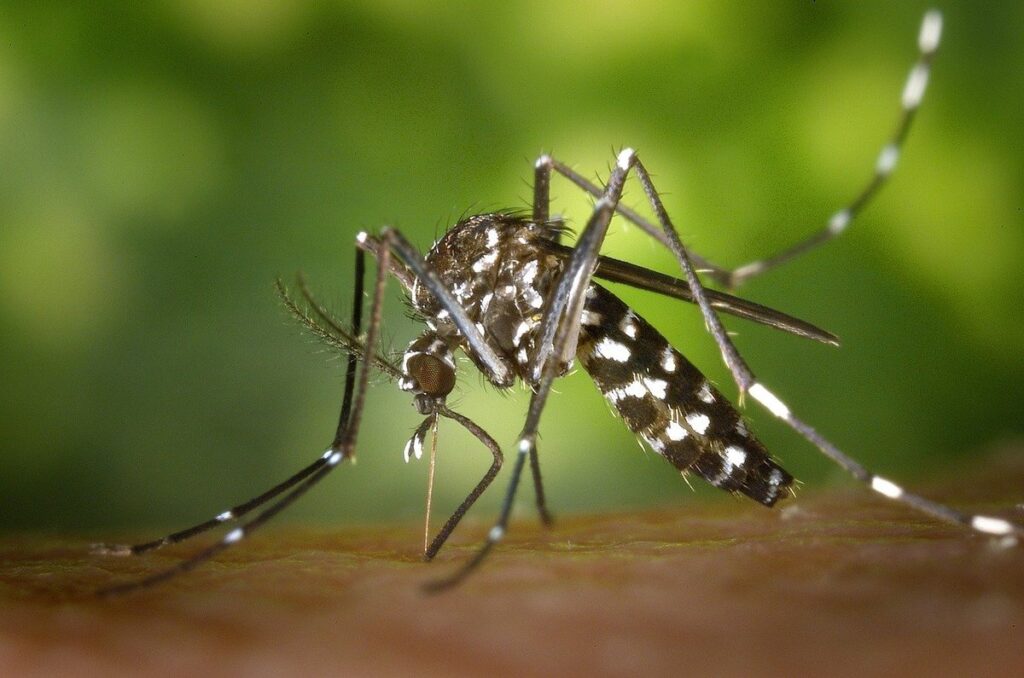
Understanding Mosquito-Borne Diseases
Before we dive into the plants that repel mosquitoes, it’s essential to understand the diseases they can transmit and why prevention is crucial. Let’s take a look at some of the most common mosquito-borne illnesses.
Overview of Common Mosquito-Borne Illnesses
Mosquito-borne illnesses are a significant concern worldwide, and it’s essential to understand the severity of these diseases before taking steps to prevent them. Malaria, for instance, is one of the most debilitating mosquito-borne illnesses, responsible for over 400,000 deaths annually. Caused by the Plasmodium parasite, malaria is transmitted through an infected mosquito bite.
Dengue Fever is another severe illness spread by mosquitoes, affecting millions globally each year. While some people may experience only mild symptoms, others can develop life-threatening complications like hemorrhaging and organ failure. Zika Virus, though often mild in nature, has been linked to serious birth defects and neurological disorders.
Understanding these diseases helps us appreciate the importance of taking preventive measures. One crucial aspect is creating an environment that discourages mosquitoes from breeding. By incorporating mosquito-repelling plants into your garden or home, you can significantly reduce the risk of mosquito bites. This will be discussed in more detail later on. For now, it’s essential to acknowledge the reality and severity of these illnesses to make informed decisions about your health and well-being.
Risks Associated with Mosquito Bites
When you step outdoors, you’re not just worried about getting stung by bees or attacked by wasps. Mosquito bites can be just as problematic, if not more so, due to the diseases they transmit and allergic reactions they cause.
Mosquito-borne illnesses are a significant concern worldwide, with over 700 species capable of transmitting pathogens like malaria, dengue fever, Zika virus, chikungunya, yellow fever, and West Nile virus. These conditions can have severe consequences, including organ damage, neurological problems, and even death.
If you’re particularly sensitive to mosquito bites, you may experience allergic reactions ranging from mild itching and swelling to anaphylaxis, a life-threatening condition requiring immediate medical attention. Symptoms can appear within minutes of being bitten and may take several days to resolve.
While this sounds alarming, there’s good news: certain plants can repel mosquitoes, thereby reducing the risk associated with their bites. By incorporating these plants into your outdoor space or using their essential oils as a repellent, you can minimize the chances of getting bitten and the risks that come with it. In our next section, we’ll discuss some of the best plants to prevent mosquito bites and how to use them effectively.
Choosing the Right Plants
When selecting plants that repel mosquitoes, it’s essential to consider your specific climate and the types of mosquitoes you’re trying to deter. Let’s explore some top picks for each scenario.
Plant Selection Criteria for Mosquito Repellency
When selecting plants that repel mosquitoes, there are several key factors to consider. First and foremost, look for plants with high essential oil content, particularly those containing citronella, lemongrass, and peppermint oils. These oils have been proven to be effective at repelling mosquitoes, and can be released into the air as they grow.
Consider the growth habits of the plant as well. Compact or bushy plants are ideal for small spaces or containers, while larger varieties can be used in more sprawling gardens. Some plants, like citronella grass, require full sun to thrive and may not do well in shaded areas.
Hardiness zones are also crucial when selecting mosquito-repelling plants. Ensure the plant you choose is suitable for your local climate by checking its hardiness zone rating. For example, lavender is a great option for cooler climates, while tropical plants like ginger and lemongrass thrive in warmer temperatures. By considering these factors, you can select plants that will effectively repel mosquitoes and create a welcoming outdoor space.
Perennial Options for Year-Round Protection
When it comes to choosing plants that can provide year-round protection against mosquitoes, perennials are an excellent option. These types of plants not only bloom repeatedly but also require less maintenance compared to annuals. Three popular perennial options for mosquito repellent benefits are Citronella, Lemon Balm, and Catnip.
Citronella is a tropical grass native to Asia that’s commonly used in insect repellents and candles. Its leaves contain citronellal, an oil that repels mosquitoes and other pests. To use Citronella as a natural mosquito repellent, plant it in a spot where you can easily harvest its leaves or use them fresh in potpourri blends.
Lemon Balm is another perennial herb known for its citrusy scent and ability to ward off mosquitoes. It’s easy to grow and requires minimal maintenance, making it perfect for gardeners of all levels. To keep mosquitoes at bay with Lemon Balm, try rubbing the leaves on your skin or planting them in a border around outdoor living areas.
Catnip is often associated with its effects on cats, but it also has natural mosquito-repelling properties. Its leaves contain nepetalactone, an oil that repels mosquitoes and other pests. To use Catnip as a natural repellent, plant it near doorways or in gardens where you spend time outdoors.
Annual Plants for Temporary Solutions
For a quick and easy fix, consider adding annual plants that thrive for just one season, providing temporary mosquito-repelling benefits without long-term commitment. These options are perfect for renters or seasonal gardeners!
Quick-Growing Annuals for Mosquito Control
When it comes to temporary mosquito control solutions, fast-growing annual plants are an excellent option. These quick-growing wonders can be used to repel mosquitoes in specific areas or during certain seasons when needed most. Take Basil, for instance – not only is it a popular herb in many kitchens, but its sweet fragrance also happens to repel those pesky mosquitoes.
In fact, studies have shown that Basil’s essential oil, linalool, can inhibit mosquito behavior and even act as a repellent. Similarly, Lavender and Geraniums are known for their strong scents, which are equally effective at keeping mosquitoes at bay. To use these plants effectively, consider the following: choose varieties with the most potent fragrance, plant them in areas where mosquitoes tend to congregate (such as near water sources or in shaded spots), and prune them regularly to encourage growth.
Some other fast-growing annuals worth considering include Marigold and Citronella Grass. These plants are not only easy to grow but also require minimal maintenance, making them perfect for DIY mosquito control projects.
Planting Strategies for Maximum Effectiveness
When planting annuals specifically chosen for their mosquito-repelling properties, careful consideration of spacing is essential to maximize their effectiveness. For example, citronella grass can be planted 12-18 inches apart to allow for optimal growth and oil production. This will ensure the release of citronella’s natural oils into the air, effectively repelling mosquitoes.
Companion planting can also enhance a mosquito-repelling garden. Planting certain herbs like basil or lemongrass alongside mosquito-repellent annuals can boost their potency. Basil, in particular, is known to improve the growth and oil production of nearby plants. It’s recommended to plant these companion herbs 6-12 inches away from the main mosquito-repelling plants.
Timing is another crucial factor when planting for maximum effectiveness. Planting annuals at the right time can significantly boost their mosquito-repellent properties. For instance, if you live in an area with a warm climate, consider planting citronella grass and other tropical species in early spring or late summer to coincide with peak mosquito season.
Herbs and Spices to Repel Mosquitoes
While some plants are great at repelling mosquitoes, certain herbs and spices have been found to be particularly effective at keeping these pests at bay naturally. Let’s explore them together!
Overview of Herb-Based Solutions
Herbs like Rosemary, Thyme, and Oregano have been used for centuries to repel mosquitoes due to their natural insect-repellent properties. These herbs contain compounds such as camphor, borneol, and thymol that are known to ward off mosquitoes. For example, a study published in the Journal of Insect Science found that rosemary oil was effective in repelling Aedes aegypti, one of the primary mosquito species responsible for spreading diseases like Zika and dengue fever.
You can incorporate these herbs into your garden or indoor space to create a natural barrier against mosquitoes. To use Rosemary effectively, plant it near areas where you spend time outdoors, such as patios or decks. You can also dry the leaves and use them in potpourri or sachets to repel mosquitoes indoors. Thyme and Oregano can be used similarly, either planted directly into the ground or grown in containers.
When using these herbs to repel mosquitoes, it’s essential to note that they may not provide 100% protection. However, when combined with other mosquito-repelling plants and strategies, they can be a valuable addition to your pest control arsenal.
Incorporating Spices into Your Mosquito-Repellent Plan
Incorporating spices into your mosquito-repellent plan is an effective way to keep those pesky insects at bay. Certain spices like Cloves, Cinnamon, and Nutmeg have natural oils that repel mosquitoes, making them a great addition to your garden or indoor space.
Clove oil, in particular, has been shown to be highly effective against mosquito bites, with studies indicating it can repel them for up to 2 hours. You can use whole cloves in potpourri blends or add them to candles and diffusers to create a mosquito-repelling atmosphere. Cinnamon bark also contains oils that repel mosquitoes, making it an excellent addition to indoor herb gardens.
When using spices like Cloves and Nutmeg, be sure to use high-quality products with minimal processing. This ensures the natural oils remain intact, providing optimal repellency. To get started, consider planting a clove or cinnamon tree in your garden or purchasing dried spice varieties for use indoors.
DIY Mosquito Repellents Using Plants
If you’re looking for a natural and cost-effective way to keep mosquitoes at bay, you can try creating your own repellent using certain plants that are known to repel them effectively.
Natural Insect Repellents for Outdoor Use
When it comes to enjoying the great outdoors without being bothered by mosquitoes, natural insect repellents are an excellent option. By harnessing the power of plants, you can create homemade sprays, candles, and diffusers that repel mosquitoes effectively.
To make a mosquito-repelling spray, start with a combination of neem oil, lemongrass essential oil, and citronella oil. Mix 10 drops of each oil with 8 ounces of water in a spray bottle. Shake well and apply to skin or clothing before heading outdoors. This blend is not only effective but also pleasant to wear.
For a mosquito-repelling candle, you can infuse dried lemongrass, citronella, and geranium flowers into melted beeswax. Pour the mixture into a candle mold and let it cool. Once set, light the candle and enjoy the soothing aroma while keeping mosquitoes at bay.
Another option is to create a diffuser using plant extracts. Fill a reed diffuser with lemongrass oil, citronella oil, and peppermint oil, and place it in an area where you spend most of your time outdoors. As the oils diffuse, they will repel mosquitoes and leave a refreshing scent behind.
Remember to always dilute essential oils with water before applying them to skin or using them in candles and diffusers.
Indoor Solutions Using Plant-Based Repellents
When it comes to creating an indoor mosquito-free environment, incorporating plant-based repellents is a clever and eco-friendly solution. Take the Peace Lily, for instance. This low-maintenance plant not only purifies the air but also releases compounds that repel mosquitoes. To maximize its effectiveness, place the Peace Lily in areas where mosquitoes tend to congregate, such as near windows or doorways.
Similarly, Snake Plants are known to release aldehydes that deter mosquitoes. These plants thrive in indoor conditions and require minimal care, making them an excellent addition to your indoor space. To further enhance their mosquito-repelling properties, consider placing Snake Plants in proximity to areas where you typically spend time indoors, such as living rooms or bedrooms.
Another versatile option is the Spider Plant. Not only do its leaves emit a chemical that repels mosquitoes, but it’s also easy to propagate and care for. To effectively utilize Spider Plants, hang them from the ceiling or place them on high shelves, allowing their leaves to cascade downwards and release their mosquito-repelling compounds into the surrounding air.
Maintenance and Tips for Success
To keep those pesky mosquitoes at bay, we’ve got some expert advice on how to properly care for your mosquito-repelling plants. With these tips, you’ll be well on your way to a mosquito-free outdoor space.
Ongoing Care for Your Mosquito-Repelling Plants
To ensure your mosquito-repelling plants continue to thrive and effectively ward off mosquitoes, regular care is essential. Start by watering them correctly – most of these plants prefer well-drained soil and should not be overwatered. Check the soil moisture by sticking your finger into the soil up to the first knuckle; if it’s dry, it’s time for a drink. Water thoroughly until water starts draining out of the bottom.
Pruning is also crucial for maintaining the health and effectiveness of these plants. Remove any dead or dying leaves, as well as weak growths that may compromise the plant’s ability to repel mosquitoes. This will help encourage new growth and prevent pests from taking over. Fertilize your plants once a month during their growing season using an organic fertilizer to promote healthy growth.
Remember, prevention is key when it comes to keeping these plants thriving – inspect them regularly for signs of disease or pests and address any issues promptly. With proper care, your mosquito-repelling plants will continue to effectively keep mosquitoes at bay all summer long.
Troubleshooting Common Issues with Plant-Based Solutions
While plant-based mosquito repellents can be incredibly effective, some common issues may arise. One of the most common problems is the inconsistent scent or potency of certain plants. For instance, if you’re using citronella candles, the fragrance might not be strong enough to repel mosquitoes in areas with high humidity.
Another issue that may occur is the potential for plants to lose their potency over time. This can happen due to factors such as sunlight exposure, soil quality, or even watering schedules. To address this, ensure you’re using fresh plant material whenever possible and keep your plants well-watered but not waterlogged.
Some people might also experience issues with certain plants being toxic to pets or children. For example, lavender and lemongrass are generally considered safe, but catnip can be toxic to felines if ingested in large quantities. Always double-check the safety of any plant before introducing it into your mosquito-repelling arsenal.
If you’re experiencing issues with mosquitoes still biting despite using your plant-based repellent, try adjusting the placement or quantity of plants. For example, placing citronella candles near a central area can be more effective than scattering them throughout your yard.
Frequently Asked Questions
How long do the effects of these mosquito-repelling plants last?
The duration of effectiveness depends on various factors, including plant type, climate, and maintenance. Generally, some plants like Citronella can provide up to 6 hours of repellent action, while others may require more frequent applications or pruning to maintain their efficacy.
Can I use the same mosquito-repelling plants indoors as outdoors?
While many plants are suitable for both indoor and outdoor use, some may not thrive in low-light conditions. Research specific plant requirements before bringing them inside, and consider using smaller pots or containers for easier movement between spaces.
What if I don’t have a large garden or outdoor space – can I still benefit from mosquito-repelling plants?
Yes! Even small spaces like balconies, patios, or indoor areas with good air circulation can be effective locations for planting mosquito-repellent plants. Consider using compact or dwarf varieties to maximize your space.
How often should I water and fertilize my mosquito-repelling plants?
Proper care is essential for maintaining the efficacy of these plants. Water them regularly, but avoid overwatering, which can lead to disease and pest issues. Fertilize annually with a balanced fertilizer during the growing season (spring-fall) for optimal growth.
Can I combine multiple mosquito-repelling plants for enhanced effectiveness?
Yes! Some plants have synergistic effects when used in combination. For example, pairing Citronella with Lemon Balm can provide longer-lasting repellency and improved fragrance. Research plant combinations that work well together to maximize their mosquito-repelling potential.