
If you’re considering bringing some quacking friends into your backyard, building a safe and secure duck pen is a must. A well-designed duck enclosure not only protects your feathered pals but also keeps them happy and healthy. However, setting up a duck pen can be overwhelming, especially if you’re new to raising ducks.
In this comprehensive guide, we’ll walk you through everything you need to know about building a duck pen, from selecting the perfect location to ongoing care and maintenance. We’ll cover the essential design considerations, including size, fencing materials, and ventilation. By following our expert advice, you’ll be well on your way to creating a haven for your ducks that meets their physical and social needs. Whether you’re a seasoned duck keeper or just starting out, this guide has got you covered.
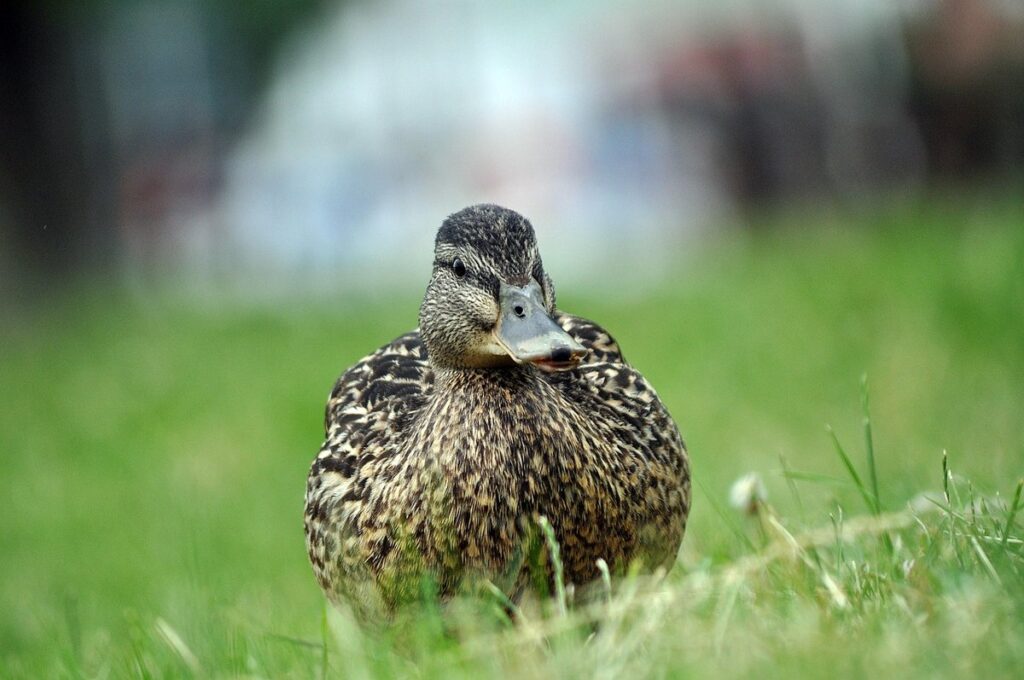
Understanding Duck Behavior and Housing Needs
To design a duck pen that truly meets your feathered friends’ needs, it’s essential to understand their behavior and housing requirements. Let’s explore what ducks need in terms of space, socialization, and protection from predators.
Factors to Consider When Planning a Duck Pen
When planning a duck pen, it’s essential to consider the specific needs of your feathered friends. The type and size of the pen will greatly impact their overall health, happiness, and well-being.
First and foremost, think about the space you’ll provide for your ducks. A general rule of thumb is to offer at least 2-3 square feet of space per duck inside the coop, and 10-15 square feet of outdoor run space per bird. However, this can vary depending on breed size and activity level.
For example, Muscovy ducks are known to be quite large and require more space than smaller breeds like Call Ducks. If you have a flock of mixed breeds, it’s best to prioritize the needs of your largest birds when determining pen size.
In addition to adequate space, ensure that your duck pen provides shelter from the elements and protection from predators. A sturdy coop with secure doors and windows will help keep your ducks safe and dry. Consider adding features like perches, roosts, and nesting boxes to create a comfortable environment for your birds.
When planning your duck pen, also think about accessibility and ease of maintenance. You’ll want to ensure that cleaning out the coop and changing bedding is easy and efficient to prevent the spread of disease. By considering these factors, you can create a happy and healthy home for your ducks.
Essential Components of a Duck House or Shelter
When it comes to designing a duck house or shelter, there are several essential components that you should prioritize. First and foremost, size matters. A duck house should be spacious enough to accommodate at least two ducks comfortably, with about 3-4 square feet of floor space per bird. This will give them room to move around, stretch their wings, and roost comfortably.
Good ventilation is also crucial in a duck house. Ducks produce a significant amount of waste, which can lead to ammonia buildup if not properly ventilated. Make sure your duck house has adequate windows or vents that allow for airflow and help reduce moisture levels. This will keep the air fresh and prevent respiratory problems.
In terms of accessibility, consider building a ramp or steps that make it easy for ducks to enter and exit the house. A secure door is also essential to prevent predators from getting inside. Consider adding a lock to ensure your duck’s safety.
Choosing the Right Location for Your Duck Pen
When deciding where to place your duck pen, consider the surrounding environment and its impact on both the ducks’ health and happiness. A thoughtful location will set the stage for a thriving flock.
Considering Climate, Sunlight, and Drainage
When selecting the location for your duck pen, it’s essential to consider the impact of climate, sunlight, and drainage on the health and happiness of your feathered friends. A location that is too hot, cold, sunny, or wet can lead to stress, disease, and even death.
Ducks require a moderate climate with temperatures ranging from 40°F to 80°F (4°C to 27°C). Extreme temperatures can cause discomfort and increase the risk of heatstroke or hypothermia. When choosing a location, look for areas that receive partial shade, especially during peak sun hours. A south-facing slope is ideal as it receives gentle sunlight throughout the day.
Drainage is also crucial in a duck pen. Ducks don’t like standing water, which can lead to disease and foot problems. Ensure that the area has proper drainage to prevent water accumulation. Consider installing a French drain or a swale to direct excess water away from the pen. By carefully selecting a location with suitable climate, sunlight, and drainage, you’ll create a happy and healthy environment for your ducks to thrive in.
Ensuring Accessibility and Maintenance
When it comes to designing and building a duck pen, positioning it for easy maintenance, cleaning, and access is crucial. A well-placed duck pen not only ensures the health and happiness of your feathered friends but also makes caring for them a breeze.
Consider placing your duck pen in an area that receives good sunlight and air circulation. This will help to reduce odors and prevent the buildup of bacteria. At the same time, choose a spot with easy access to water sources, such as a nearby pond or hose connection, to make cleaning and refilling water easily accessible.
In terms of human accessibility, position your duck pen near a gate or entrance that allows for easy entry and exit. This will make it simpler to clean and maintain the pen without having to navigate through dense vegetation or cluttered spaces. Additionally, ensure that there’s ample space around the pen for you to move about comfortably while tending to the ducks.
Remember, accessibility is not just a human concern – your ducks need easy access too! Consider installing ramps or steps to allow them to easily enter and exit their coop and run. This will prevent stress and potential injuries caused by awkward entries and exits.
Designing a Safe and Secure Duck Pen
When designing a duck pen, safety and security should be top priorities to protect your feathered friends from predators and potential health risks. In this section, we’ll explore the key considerations for creating a safe enclosure.
Predator-Proofing Your Coop and Run
When it comes to designing a safe and secure duck pen, predator-proofing the coop and run is of utmost importance. Ducks are a tempting target for predators such as foxes, coyotes, hawks, and raccoons, which can easily climb or dig their way into your coop.
To prevent this, you’ll want to consider using hardware cloth, a type of metal mesh that’s specifically designed to keep out predators. Bury it at least 12 inches underground around the perimeter of your run, extending it 12-18 inches above ground level to prevent digging. This will make it virtually impossible for predators to burrow under or climb over.
Netting is another effective option, particularly for protecting against aerial predators like hawks and owls. You can drape netting over the top of your coop or use a combination of hardware cloth and netting to create a secure enclosure. Fencing is also essential, with sturdy fencing material such as wood or metal that’s at least 3 feet high to prevent climbing.
By combining these methods, you’ll be able to create a safe haven for your ducks that’s protected from predators.
Avoiding Escape Routes and Entrapment Risks
When designing a safe and secure duck pen, it’s crucial to consider escape routes and entrapment risks for both ducks and humans. One common mistake is creating narrow openings that can trap ducks’ wings or heads, making them vulnerable to injury or death.
To prevent this, ensure all entrance and exit points have adequate width and height. For example, a minimum of 24 inches wide by 30 inches tall is recommended. Consider using adjustable doors or latches to accommodate different duck breeds and sizes.
Another essential consideration is ensuring easy access for humans to clean the pen without creating escape routes. This can be achieved by incorporating a sloping roof or a ramp that allows humans to safely enter and exit the pen while preventing ducks from escaping.
Regular maintenance, such as inspecting the pen’s design and structure, can also help identify potential escape routes or entrapment risks. Always supervise young children when interacting with ducks in the pen to avoid any accidents. By prioritizing safety and security, you can create a happy and healthy environment for both your feathered friends and family members.
Building Materials and Construction Methods
When it comes to building a duck pen, choosing the right materials is crucial for durability and safety. Let’s explore some popular options and construction methods to consider.
Options for Fencing, Coop, and Run
When it comes to building the fencing, coop, and run for your duck pen, you have several options for materials. One popular choice is wood, which can be a cost-effective option if you’re comfortable with DIY projects and willing to put in some elbow grease for assembly and maintenance. Cedar, pressure-treated pine, or reclaimed wood are good options due to their durability and resistance to rot.
Metal fencing, on the other hand, offers more security and is easier to clean than its wooden counterpart. Aluminum and steel are durable materials that can withstand harsh weather conditions and come in a variety of styles, including decorative options for added aesthetics.
Recycled plastic fencing is another eco-friendly option gaining popularity among backyard duck enthusiasts. Made from 100% recycled plastic, this material is resistant to mold and mildew, reducing the need for frequent cleaning and upkeep.
When choosing materials, consider your budget, maintenance schedule, and local building regulations before making a decision.
DIY vs. Professional Installation: Pros and Cons
When it comes to building a duck pen, one of the most crucial decisions you’ll make is whether to tackle the project yourself or hire a professional. Both options have their advantages and disadvantages, which we’ll weigh below.
Building your own duck pen can be a cost-effective option, allowing you to save money on labor costs. However, it requires significant time and effort, not to mention expertise in construction and animal housing. If you’re not familiar with building codes or local regulations, you risk creating an inadequate environment for your ducks. On the other hand, hiring a professional can ensure that your duck pen is safe, sturdy, and meets all necessary standards.
Consider this: if you have basic DIY skills but little experience in construction, it’s better to invest in a pre-made kit or consult with a contractor who specializes in animal housing. This will save you time and potential headaches down the line. Conversely, if you’re confident in your abilities and have experience building with wood or metal, tackling the project yourself can be a fun and rewarding experience.
Ultimately, weigh your skills, schedule, and budget before deciding between DIY and professional installation. With careful planning and research, either option can lead to a happy, healthy flock.
Health Considerations in Duck Housing Design
When designing duck housing, it’s crucial to consider their health and well-being, especially when it comes to ventilation, lighting, and sanitation. Let’s explore these essential factors together.
Ventilation, Temperature Control, and Humidity Management
Proper ventilation, temperature control, and humidity management are crucial elements of a well-designed duck pen. These factors significantly impact the health and well-being of ducks, especially when it comes to preventing respiratory diseases.
Adequate ventilation is essential to remove ammonia from the coop’s atmosphere. Ammonia can be produced when duck waste breaks down in high temperatures. A simple rule of thumb is to ensure that there are at least 3 square feet of ventilation space per bird inside the coop and an additional 2-3 square feet outside. This ratio allows for the exchange of fresh air while keeping predators out.
Temperature control helps maintain a suitable environment for ducks to grow and thrive. The ideal temperature range for ducklings is between 90°F (32°C) and 95°F (35°C), while adult ducks prefer temperatures between 40°F (4°C) and 80°F (27°C). You can achieve this temperature balance using insulation materials, such as straw or hay, to keep the coop warm in winter.
Humidity management is also vital for maintaining a healthy environment. Proper humidity levels should be maintained between 50-60%. Excessive moisture encourages mold growth, which can lead to respiratory issues and skin problems in ducks.
Disease Prevention through Hygiene and Maintenance
Incorporating hygiene practices and regular maintenance schedules is crucial to preventing disease in your duck flock. A clean and well-maintained environment helps reduce the risk of illness, which can spread quickly among ducks. To maintain a healthy duck pen, establish a cleaning schedule that includes daily tasks and weekly deep cleans.
Daily tasks should include removing soiled bedding, disinfecting feeding and watering equipment, and disposing of any waste. You can also set aside time each week for a deeper clean, such as replacing the entire bed of wood shavings or straw, scrubbing walls and floors with a mild detergent, and disinfecting any nesting boxes.
Additionally, consider implementing regular health checks on your ducks to catch any potential issues early. This could involve monitoring their droppings, looking for signs of illness or stress, and maintaining accurate records of vaccinations and parasite control measures. By staying proactive about hygiene and maintenance, you can create a safe and healthy environment for your duck flock to thrive in.
Ongoing Care and Maintenance for Your Duck Pen
Now that you’ve built your duck pen, it’s time to think about keeping it safe and healthy for your feathered friends. This section will cover essential tasks to maintain a happy and thriving environment.
Tips for Cleaning, Inspecting, and Repairing the Coop and Run
Cleaning the coop and run is an essential part of maintaining a healthy environment for your ducks. To keep your duck pen clean, establish a regular cleaning schedule that includes daily removal of soiled bedding, weekly disinfection of all surfaces, and monthly deep cleaning of the coop and run. Use a sturdy shovel or scoop to remove manure and debris from the coop and run, and dispose of it properly to prevent disease transmission.
Inspect your duck pen regularly for signs of wear and tear, broken fencing, or potential escape routes. Check the coop’s ventilation system to ensure good airflow, and inspect the nesting boxes for cleanliness and functionality. Regular inspections can help you catch problems before they become major issues.
When repairing damage to the coop or run, use durable materials that can withstand the elements and heavy duck traffic. Fix any broken fencing promptly to prevent escapes and predator entry. Consider enlisting the help of a friend or family member when making repairs to ensure everything is done safely and securely.
Budget-Friendly Upgrades and Additions
As your flock grows or changes, you’ll likely want to upgrade or add features to their duck pen. Fortunately, there are many budget-friendly ways to do so without breaking the bank. One of the simplest upgrades is adding more nesting boxes, which can be as inexpensive as $20-$50 each. You can also repurpose old pallets or crates to create new perches, feeders, and even a small pond for your ducks to enjoy.
Consider installing a DIY watering system that’s easy to maintain and won’t add to your water bill. A simple PVC pipe setup can be built with minimal materials and effort. Another option is to upgrade to automatic doors or windows, which can be as affordable as $50-$100 each and provide a convenient way for your ducks to come and go.
When adding new features, remember to consider the needs of your flock. For example, if you’re getting older ducks, they may appreciate easier access to food and water. With a little creativity and resourcefulness, you can give your duck pen a refreshing facelift without straining your budget.
Frequently Asked Questions
How Do I Calculate the Perfect Size of My Duck Pen?
The size of your duck pen will depend on several factors, including the number of ducks you’re keeping, their breed, and their growth rate. A good rule of thumb is to provide at least 2-3 square feet per duck inside the coop and 5-10 square feet per duck in the run. Consider also leaving enough space for future expansion or changes.
What Are Some Common Predator Risks I Should Be Aware Of?
Predators like foxes, coyotes, raccoons, and hawks are common threats to backyard ducks. To protect your feathered friends, consider using sturdy fencing materials, burying the fence 12 inches underground to prevent digging, and covering any openings with hardware cloth.
Can I Build My Duck Pen in a Small Backyard?
While it’s possible to build a duck pen in a small backyard, keep in mind that ducks need space to move around. Consider how you’ll provide adequate ventilation, drainage, and sunlight for your ducks. You may also want to consult local regulations regarding backyard chickens and other animals.
What Are Some Budget-Friendly Upgrades I Can Make to My Duck Pen?
You don’t have to break the bank to upgrade your duck pen! Consider repurposing old pallets or wood for fencing, using natural materials like straw or hay for bedding, and adding DIY nesting boxes. These simple upgrades can make a big difference in your ducks’ health and happiness.
How Often Should I Inspect My Duck Pen for Signs of Wear and Tear?
Regular inspections are crucial to maintaining the health and safety of your duck pen. Set aside time each month to check for signs of wear, such as loose boards or sagging fencing, and address any issues promptly. You should also inspect the coop and run regularly for cleanliness, checking for droppings, mold, and mildew.