
Feeding bread to ducks has long been a popular activity for families visiting parks and lakes. However, many of us may not realize that this seemingly harmless practice can have serious consequences for our feathered friends. Feeding bread to ducks can harm their health and contribute to the degradation of local ecosystems. In fact, consuming large amounts of bread can lead to malnutrition, obesity, and even death in some cases.
In this article, we’ll delve into the reasons why feeding bread to ducks is a bad habit that needs to be broken. We’ll explore the potential risks associated with bread consumption and discuss healthier alternatives that you can offer to these beautiful birds. By learning more about the effects of bread on duck health and local ecosystems, you can make informed decisions about how to interact with ducks in a way that’s safe for both them and the environment.
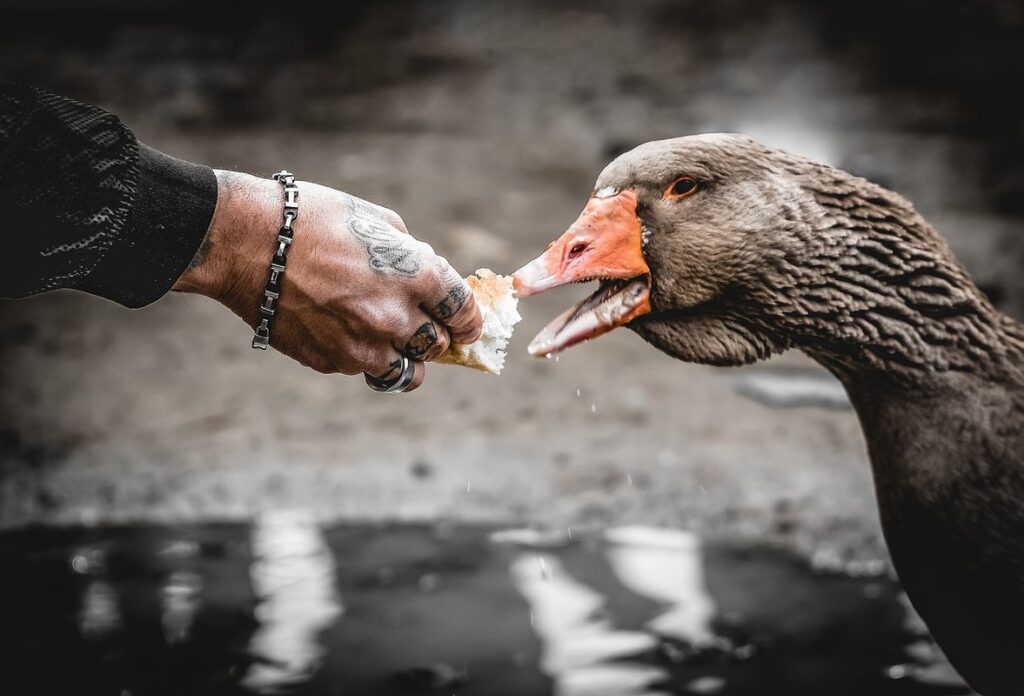
The Risks of Feeding Bread to Ducks
Feeding bread to ducks can have some serious downsides, and it’s essential you’re aware of them before making a decision. Let’s take a closer look at what could go wrong.
What’s Wrong with Bread?
Feeding bread to ducks may seem harmless, but it can lead to serious health problems. The issue lies in the ingredients used in commercial bread, which are detrimental to duck health. Bread typically contains refined flour, sugar, and added preservatives that provide no nutritional value for ducks.
When ducks consume these unhealthy ingredients, they can suffer from malnutrition, as their diet lacks essential vitamins, minerals, and proteins. Refined carbohydrates in bread cause a rapid spike in blood sugar levels, leading to digestive issues like diarrhea, bloating, and stomach cramps. In severe cases, ducks may even experience liver damage or die from eating spoiled or moldy bread.
It’s also worth noting that some commercial breads contain high amounts of sodium, which can exacerbate existing health problems in ducks. For example, a single slice of white bread can contain up to 1% of the daily recommended sodium intake for ducks. As a responsible duck owner, it’s essential to provide your feathered friends with a balanced diet that includes nutrient-rich foods like fruits, vegetables, and grains specifically formulated for ducks.
Alternatives to Bread
When it comes to feeding bread to ducks, there are plenty of healthier alternatives that can provide them with the nutrients they need. One of the best options is aquatic plants such as water lilies and duckweed. These plants are rich in fiber, vitamins, and minerals, making them a nutritious treat for your feathered friends.
You can also try feeding your ducks fruits like berries, melons, and apples. Not only do these fruits taste great to ducks, but they’re also packed with essential nutrients like vitamin C and potassium. Leafy greens like kale and spinach are another excellent option, providing a boost of iron and calcium.
Some other vegetables that make great alternatives to bread include carrots, sweet potatoes, and squash. These veggies are easy to chop up and can be fed to ducks in moderation. Remember to introduce new foods slowly and in small amounts to prevent digestive issues. By opting for these healthier alternatives, you’ll not only keep your ducks healthy but also promote a balanced diet that’s good for them and the environment.
Why Ducks Are Attracted to Bread
When it comes to feeding bread to ducks, it’s essential to understand why they’re drawn to this seemingly harmless food source. In their natural habitat, ducks are designed to forage for plants, seeds, and insects. However, when humans introduce bread into the mix, it becomes a magnet for these birds.
One reason ducks are attracted to bread is its high carbohydrate content. This makes it an energy-rich snack that they can’t resist. Humans have inadvertently contributed to this behavior by feeding bread to ducks in parks and other public areas. Over time, the ducks learn to associate humans with food, leading them to rely on handouts rather than their natural foraging abilities.
In fact, studies have shown that when ducks are fed bread regularly, they can become dependent on it as a primary source of nutrition. This not only affects their diet but also alters their behavior and social structures within the flock. As you consider feeding bread to ducks, remember that this habit can be detrimental to their health and well-being in the long run.
Understanding Duck Nutrition
When it comes to duck nutrition, understanding what your feathered friends need to thrive is key. This section will break down the essential elements of a balanced diet for ducks.
Basic Nutritional Needs
Ducks require a balanced diet that meets their basic nutritional needs to stay healthy. These needs are met through a combination of essential nutrients: protein, carbohydrates, fats, vitamins, and minerals.
Protein is the most crucial nutrient for ducks, making up about 20% of their body weight. They obtain this from insects, small aquatic animals, and plant-based foods like aquatic plants, grasses, and grains. A diet rich in protein supports muscle growth, maintenance, and repair.
Carbohydrates provide energy for ducks, which they get from plant-based sources such as grasses, grains, and aquatic plants. Fats are essential for maintaining healthy skin, feathers, and organs, often obtained through their natural diet of insects and small animals.
Vitamins A, D3, E, K, and B complex play significant roles in various bodily functions, including immune system function, bone growth, and metabolism. Ducks also require minerals like calcium, phosphorus, and iron for strong bones, eggshell production, and blood formation.
By replicating their natural diet, you can ensure your ducks receive the necessary nutrients to maintain optimal health. Providing a balanced mix of protein-rich foods, whole grains, and fresh vegetables will keep your feathered friends happy and healthy.
How Bread Affects Duck Health
When ducks eat bread regularly, it can lead to a host of health issues. Obesity is one major concern, as bread is high in empty calories and low in nutritional value. A study published in the Journal of Avian Medicine and Surgery found that waterfowl fed diets rich in carbohydrates tend to become overweight and develop metabolic disorders (1). In fact, a single loaf of bread contains approximately 2,000 calories – an excessive amount for a duck’s daily energy needs.
Another potential issue is liver disease. Ducks require a balanced diet that includes essential vitamins and minerals, which bread does not provide. When ducks eat too much bread, their livers become overloaded with toxins, leading to inflammation and potentially life-threatening conditions (2). Impaired immune function is also a risk, as bread lacks the nutrients necessary for optimal immune system function.
To keep your feathered friends healthy, it’s best to stick to duck-specific food. Offer them a mix of grains, vegetables, and fruits, or purchase commercial duck pellets that meet their nutritional needs. If you’re tempted to give bread as a treat, consider healthier alternatives like sliced carrots or apples instead. By making informed choices about your ducks’ diet, you can help prevent these health issues and keep your flock thriving.
The Impact on Local Ecosystems
Feeding bread to ducks can have far-reaching consequences for their natural habitats and local wildlife, impacting everything from water quality to native species populations. Let’s dive into the specific effects on these ecosystems.
Effects on Water Quality
Feeding bread to ducks may seem harmless, but it can have devastating effects on water quality. When we throw bread into ponds, lakes, and rivers, it introduces excess nutrients that fuel the growth of algae. This can lead to massive algal blooms, which deplete oxygen levels in the water, causing aquatic habitats to deteriorate.
Excess nutrients from bread can also stimulate weed growth, clogging waterways with thick layers of vegetation. As a result, native plants and animals that rely on these habitats begin to disappear. Algae blooms can even produce toxins that harm or kill fish and other aquatic creatures. For example, in 2011, an algal bloom in Lake Erie caused by excess nutrient runoff led to the death of thousands of fish.
To put it simply, feeding bread to ducks is not just a harmless treat; it’s a pollutant that can wreak havoc on local ecosystems. If you want to support duck populations and maintain healthy waterways, choose alternative foods like duck pellets or vegetables instead of bread.
Disruption of Natural Behavior
When you regularly feed bread to ducks, it can have far-reaching consequences that extend beyond their immediate physical health. One of the most significant effects is the disruption of natural behavior. Ducks are social creatures that thrive on interaction with other birds, but when they become reliant on humans for food, their natural instincts begin to wane.
As a result, these ducks may start to lose interest in foraging for food or engaging in normal social behaviors. They might even begin to fear the presence of other ducks or waterfowl if it means they won’t get fed by humans. This can lead to aggressive behavior and alter their very identity as ducks.
To put this into perspective, a study found that ducklings who were hand-fed from an early age were more likely to exhibit abnormal behaviors when placed in a natural environment. They would often return to human-dominated areas, rather than exploring and foraging for food like their wild counterparts. By letting them feed on bread regularly, we’re inadvertently programming them to become dependent on humans – and disrupting the delicate balance of their ecosystem.
Managing Visitor Expectations
When interacting with these feathered friends, it’s essential to consider their needs and limits, as exceeding them can lead to trouble for both you and the ducks. Let’s explore how to manage visitor expectations.
Educating Visitors
When educating visitors about the risks of feeding bread to ducks, park rangers and wildlife officials can take a multi-faceted approach. One effective way is to install clear and concise signs at popular duck-watching areas. These signs should not only inform visitors about the dangers of bread but also offer alternative snacks that are safe for ducks to eat.
Consider creating brochures or pamphlets that outline the consequences of feeding bread, such as water pollution and harm to bird health. These educational materials can be distributed at visitor centers or handed out by park rangers on patrol. Interactive exhibits, like interactive displays or educational kiosks, can also engage visitors and encourage them to learn about responsible wildlife viewing practices.
For example, the “Duck-Friendly Snacks” display could list healthy options like lettuce, spinach, and corn. Park rangers can also lead guided tours that highlight areas where ducks are most vulnerable to bread-related harm. By providing engaging and accessible educational materials, park officials can empower visitors to make informed choices about their interactions with wildlife.
Alternative Activities for Visitors
When visiting a park or pond with ducks, it’s natural to want to engage with these charming creatures. However, we’ve established that feeding bread to ducks is not recommended. Fortunately, there are plenty of other activities you can enjoy while respecting the local wildlife.
For nature enthusiasts, consider taking a guided bird-watching tour. These tours often provide an opportunity to spot various duck species in their natural habitats without disturbing them. Many parks also offer self-guided walking trails that allow visitors to explore the area at their own pace and observe ducks from a safe distance.
Some other activities you can try include:
• Nature photography: Bring your camera or smartphone and capture stunning images of ducks in their natural environment.
• Wildlife observation: Learn about different duck species, including their habitats, behaviors, and unique characteristics.
• Educational programs: Many parks offer educational programs for children and adults alike, teaching visitors about the importance of wildlife conservation and responsible park use.
What You Can Do Instead
So, you’ve decided that feeding bread to ducks isn’t the best idea. Now, let’s explore some fun and healthier alternatives for your feathered friends.
Supporting Local Conservation Efforts
Feeding bread to ducks may seem like a harmless act of kindness, but it can actually do more harm than good. Instead of contributing to this problem, you can make a real difference by supporting local conservation efforts that protect duck populations and their habitats.
Consider volunteering with organizations that work on wetland restoration, water quality improvement, or wildlife rehabilitation projects. Not only will you be gaining hands-on experience, but you’ll also have the opportunity to meet like-minded individuals who share your passion for environmental conservation.
You can also donate to reputable charities or crowdfunding campaigns focused on duck conservation. Every contribution counts, whether it’s a one-time gift or a recurring donation. Even spreading awareness about these initiatives through social media can make a significant impact when combined with collective efforts.
For instance, the local Humane Society has partnered with a nearby park to launch a wetland restoration project. By donating just $10, you can help support their efforts in creating a safe habitat for ducks and other wildlife.
Creating Duck-Friendly Habitats
When it comes to creating duck-friendly habitats, you don’t have to break the bank or invest in large spaces. Even a small area in your backyard can become a haven for ducks if designed thoughtfully. Here are some ideas to get you started:
Start by providing shelter from the elements and potential predators. Consider installing a pond-side gazebo or planting native vegetation that offers hiding spots for our feathered friends. Native plants like cattails, water lilies, and bulrushes not only provide food but also serve as natural shelters.
Create a shallow area in your pond with rocks or logs to allow ducks to access water easily. This is especially important during breeding season when females need to care for their young. Also, make sure the water’s pH levels are suitable for duckling development by testing it regularly.
Choose plants that provide seeds, leaves, and roots as food sources for ducks, such as sunflowers, pumpkins, and squash. These will encourage healthy foraging behavior and ensure your feathered visitors stay nourished without relying on bread.
Frequently Asked Questions
We’ve got you covered with some of the most common questions we get asked about feeding bread to ducks, so keep reading for the answers! Below are some frequently asked questions.
Q: What about bread-free parks?
Some parks and areas have taken a bold step by implementing “bread-free” policies to protect their local duck populations. This means that feeding bread to ducks is strictly prohibited within these designated zones. But why? The reasoning behind such policies lies in the detrimental effects of overfeeding on the environment.
By not providing bread, you’re allowing the natural food chain to thrive and supporting a healthier ecosystem. Overfeeding can lead to overcrowding, aggression, and competition for resources among the ducks. This imbalance can also attract other animals that wouldn’t normally inhabit these areas, disrupting the delicate balance of nature.
Additionally, bread-free parks encourage visitors to explore alternative ways to engage with wildlife. You might find duck-friendly plants, such as water lilies or cattails, which provide a natural food source for our feathered friends. By supporting these policies and choosing not to feed bread to ducks, you’re contributing to a more sustainable and environmentally conscious community.
Q: Can I feed other types of birds instead?
While it’s true that some birds may be able to eat bread, it’s essential to consider other bird species and their dietary needs. If you’re looking to feed the feathered visitors at your local park or pond, you can offer a variety of nutritious foods beyond bread.
For example, many bird species love seeds, such as sunflower seeds or Nyjer seeds. These are high in fat and calories, making them an excellent choice for birds like cardinals, finches, and sparrows. Fruits like berries, sliced apples, or oranges are also a hit with birds, particularly waterfowl like ducks, geese, and herons.
Insects, like mealworms or suet, can provide essential protein for birds during the breeding season. Some bird species, such as woodpeckers and nuthatches, have specialized diets that require specific foods, like sap or insects. To determine which food items are best suited for your local bird population, research their specific dietary needs.
Before introducing new foods to your bird-feeding routine, remember to store them properly to maintain freshness and prevent spoilage. Always choose fresh fruits and vegetables over wilted ones, and avoid giving bread-based products altogether.
Frequently Asked Questions
What’s the best way to transition my visitors from bread to healthier alternatives?
Transitioning your visitors can be challenging, but a good starting point is to provide clear signage indicating what types of food are safe for ducks and what are not. You can also consider partnering with local conservation groups or wildlife experts to educate visitors about the importance of healthy feeding practices.
How do I know if the park where I’m visiting has banned bread?
You can usually find this information on the park’s website, social media, or by contacting their visitor center directly. Many parks have started implementing “bread-free” policies, so it’s essential to check before feeding the ducks.
What should I do if I see a duck eating bread at a park that has banned it?
If you see a duck eating bread in a park where it’s prohibited, try not to disturb them. Instead, consider reporting the incident to the park authorities or rangers, who can take steps to educate visitors and prevent further instances.
How do I create a duck-friendly habitat in my own backyard or community space?
Creating a duck-friendly habitat is easier than you think! Start by ensuring there’s access to clean water, native plants that provide shelter and food, and minimal human disturbance. Consider installing birdhouses or nesting boxes for ducks and other wildlife.
Can I use organic bread as an alternative to regular bread?
While organic bread may be a healthier option for humans, it’s still not suitable for ducks due to its high carbohydrate content and low nutritional value. Instead, opt for fresh fruits, vegetables, and leafy greens that are rich in fiber and essential nutrients for healthy duck digestion.