
Feeding geese can be a delightful experience, especially when you’re surrounded by their honking calls and playful antics in parks or reserves. However, many of us are unaware that feeding these beautiful birds can have serious consequences for both humans and geese alike. As it turns out, overfeeding geese can lead to aggressive behavior, damage to our surroundings, and even health risks. But don’t worry; with the right approach, we can create a harmonious coexistence between ourselves and these majestic creatures.
This article will explore responsible feeding strategies for geese, delve into their fascinating behavior, and provide essential safety precautions. We’ll discuss the importance of not overfeeding them and how to maintain a safe distance while still enjoying their company. By the end of this article, you’ll have the knowledge to make informed decisions about feeding geese in your area, ensuring both our well-being and theirs. Let’s get started on learning how to peacefully share spaces with these magnificent birds!
The Importance of Feeding Geese Responsibly
When feeding geese, it’s crucial to consider the impact on their health and the environment. Let’s explore why responsible feeding habits are essential for these amazing birds.
Benefits of Feeding Geese in Parks and Reserves
Feeding geese can have numerous benefits when done responsibly. For one, it can contribute significantly to their overall well-being. Geese are social birds and thrive on interaction with humans. Feeding them allows visitors to form connections with these majestic creatures, which can lead to a deeper appreciation for wildlife conservation. Moreover, feeding geese in designated areas like parks and reserves can improve visitor experiences by providing an engaging activity that promotes bonding between people and nature.
Additionally, feeding geese can also enhance the local ecosystem. By attracting geese to specific areas, park managers can monitor their populations and implement measures to maintain a healthy balance with the environment. For instance, some parks have introduced specialized feeding platforms that not only provide food for geese but also facilitate waste management and reduce litter.
Incorporating responsible feeding practices into park ecosystems can be a win-win situation for both humans and wildlife.
The Risks of Irresponsible Feeding Habits
Feeding geese responsibly is crucial not only for their well-being but also to prevent harm to both humans and the environment. Irresponsible feeding habits can lead to a multitude of problems, making it essential to understand what not to do.
When geese become accustomed to being fed by humans, they can develop aggressive behavior. They may view people as food sources or feel threatened if they’re not receiving regular handouts. This aggression is often directed towards children and adults alike, putting them at risk of injury from honking, flapping, and even nipping.
Overfeeding geese also leads to health issues. These birds are designed for grazing in open fields, not consuming large quantities of high-calorie human food. Regularly feeding them can cause obesity, digestive problems, and increase their susceptibility to diseases such as avian cholera.
Moreover, irresponsible feeding can disrupt the ecosystem. When geese overpopulate due to an abundance of easily accessible food, they can deplete vegetation in parks and other green spaces, causing damage to the environment.
Understanding Geese Behavior and Nutrition
To care for geese effectively, it’s essential to understand their behavior patterns and nutritional needs, which can vary depending on factors like age and habitat. Let’s dive into these crucial aspects of goose care together!
Basic Needs of Geese: Food, Water, Shelter, and Safety
When it comes to geese, providing the right food, water, shelter, and safety is crucial for their overall well-being. In their natural habitats, geese thrive on a diet rich in grasses, aquatic plants, and grains. They have specific nutritional requirements that should be met when feeding them in controlled environments. For instance, they need access to clean drinking water at all times, and their food should be replenished regularly to ensure they always have a steady supply.
When it comes to shelter, geese prefer open areas with minimal obstruction, allowing them to roam freely and find shelter as needed. However, providing shade is also essential during hot summer months or when the sun beats down relentlessly. Safety-wise, geese are social animals that thrive on interaction, so ensuring they have a safe space to mingle and exercise is vital.
In addition to these basic needs, it’s essential to consider any local regulations regarding feeding geese in public areas. For example, some cities prohibit feeding geese due to concerns about overpopulation and disease transmission. It’s crucial to research and comply with local rules when interacting with wild geese populations.
Identifying the Types of Geese and Their Dietary Needs
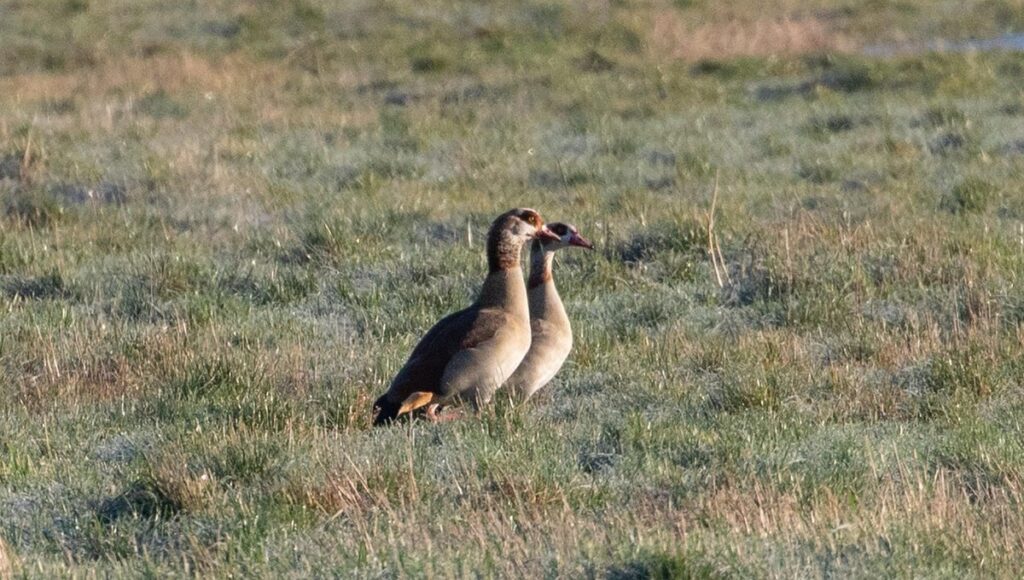
Geese are incredibly diverse birds, with over 15 species spread across various continents. Each species has its unique characteristics, which significantly influence their dietary needs. For instance, the Canada goose is a large waterfowl bird that thrives on aquatic plants and grasses, whereas the Egyptian goose prefers terrestrial habitats and feeds on grasses and small insects.
Understanding these differences is crucial to providing an optimal diet for your feathered friends. A well-balanced diet should consist of at least 70% plant-based foods, such as grasses, hay, and leafy greens like kale and spinach. Geese also require access to clean water sources for drinking and bathing. In the wild, geese can eat up to 3-4 pounds of food daily, so be sure to provide an adequate supply.
For garden owners, it’s essential to create goose-friendly landscapes that incorporate native plants, which are naturally more appealing to geese than ornamental flowers. By catering to their specific dietary needs and creating a welcoming environment, you can foster a harmonious relationship with these majestic birds.
What to Feed Geese (and What Not to Feed)
When it comes to feeding geese, knowing what’s good for them and what’s not can be a bit tricky. Let’s dive into the do’s and don’ts of their diet.
Nutrient-Rich Foods for Geese: Grains, Fruits, and Vegetables
When it comes to providing a balanced diet for geese, incorporating nutrient-rich foods from various food groups is essential. Grains are a staple in many commercial goose feeds, but there’s more to feeding your feathered friends than just grains alone.
Whole grains like oats and barley are excellent sources of fiber, vitamins, and minerals that promote digestive health and energy production in geese. Fruits such as apples, berries, and melons offer essential vitamins A and C, potassium, and antioxidants that support immune function and overall well-being. Leafy greens like kale and spinach provide a rich source of iron, calcium, and other minerals crucial for healthy feathers, bones, and egg production.
Some examples of nutrient-rich vegetables suitable for geese include carrots, sweet potatoes, and squash. These root vegetables offer essential vitamins A and C, potassium, and fiber that support immune function, digestion, and overall health. When introducing new foods to your geese’s diet, do so gradually to prevent digestive upset and ensure they can tolerate new ingredients.
When feeding geese fruits and vegetables, be sure to cut them into manageable pieces or chop them finely to prevent choking hazards. Also, only introduce small amounts at first, monitoring their consumption and adjusting accordingly. A balanced mix of grains, fruits, and vegetables will provide your geese with the nutrients they need to thrive.
Toxic and Unhealthy Food Options for Geese
Feeding geese human food can be detrimental to their health and well-being. Junk foods like pizza crusts, French fries, and bread are not only nutritionally poor but also contribute to the buildup of toxins in a goose’s body. These unhealthy substances can lead to malnutrition, obesity, and other health problems.
Geese that feed on human food often develop avian cholera, a bacterial disease that is often spread through contaminated food and water. Moreover, feeding geese junk foods or table scraps can also attract other pests like rodents and insects, creating an unsanitary environment.
If you’re visiting a park or wildlife area with geese, it’s essential to resist the temptation of feeding them human food. Instead, consider bringing healthy alternatives like corn or oat groats, which are rich in fiber and nutrients. However, even these should be given sparingly and as part of a balanced diet that includes high-quality commercial goose feed. By making informed choices about what you feed geese, you can help maintain their health and contribute to the well-being of these magnificent birds.
Feeding Strategies for Different Environments
Whether you’re caring for geese in a backyard, park, or even a rural farm, their feeding needs can vary greatly depending on their surroundings and environment. Let’s dive into the specific strategies to ensure they thrive in different settings.
Urban Parks: Managing Human-Geese Interactions
In urban areas, managing human-geese interactions is crucial to maintaining peace and tranquility for both residents and visitors. Designated feeding zones are a great starting point for creating a harmonious coexistence between humans and geese. By setting aside specific areas for goose feeding, you can prevent overfeeding in public spaces and minimize conflicts.
To establish a designated feeding zone, consider the following steps: First, identify a suitable location with enough space for both people and geese to comfortably interact. Next, install clear signage indicating that this area is reserved for feeding geese only. This helps educate visitors on where they can feed the birds safely and responsibly. Additionally, consider implementing rules such as not feeding individual geese, keeping food at least 3-4 feet away from paths, and cleaning up after meals to prevent littering.
By creating designated feeding zones, urban parks can provide a safe haven for both humans and geese to coexist peacefully.
Rural Areas: Providing Adequate Food Sources for Geese
When it comes to feeding geese in rural areas, it’s essential to provide them with access to natural food sources. Geese are omnivores and prefer to forage for their meals, rather than relying on handouts. In rural settings, grasses, seeds, and aquatic plants are abundant and perfect for a goose’s diet.
To encourage geese to forage naturally, create a geese-friendly landscape by planting a variety of grasses, wildflowers, and herbs. Avoid using pesticides or herbicides, as these can harm the geese and other wildlife. Instead, adopt integrated pest management techniques that promote biodiversity and minimize chemical use.
Geese also love aquatic plants, so consider installing a pond or lake on your property. Not only will this provide a source of fresh water for the geese, but it will also attract other beneficial birds and wildlife. Some examples of aquatic plants that are safe for geese to eat include duckweed, cattails, and water lilies.
By providing geese with access to natural food sources, you’ll not only be promoting their health and well-being but also encouraging them to behave naturally. This approach will also help reduce the risk of aggressive behavior associated with fed geese.
Safety Precautions and Best Practices
When interacting with geese, it’s essential to prioritize both their well-being and your own safety. This section will cover crucial guidelines for safe and responsible goose feeding practices.
Handling Aggressive Geese: Tips and Techniques
When interacting with aggressive geese, it’s essential to prioritize your safety and well-being. One of the most crucial steps is to recognize body language cues that indicate aggression. Geese are highly territorial and protective of their young, so be aware of raised feathers, hissing, or growling sounds as warning signs.
If you notice any of these aggressive behaviors, keep a safe distance (at least 20 feet) and do not approach the geese. In some cases, wearing a hat or sunglasses can be misinterpreted as a threat to their territory, so consider removing these items if interacting with geese. You can also use deterrents such as noise-making devices or umbrellas to maintain a safe distance.
In extreme situations where geese become aggressive and threatening, it’s best to slowly back away while maintaining eye contact without direct staring. Avoid sudden movements, which may escalate the situation further. By being aware of these body language cues and taking preventive measures, you can minimize conflicts with aggressive geese.
Maintaining Cleanliness and Preventing Disease Spread
When feeding geese, it’s essential to maintain cleanliness and prevent disease spread not only for their health but also for yours. Proper feeding practices are crucial to avoid overfeeding and encourage the geese to visit designated feeding areas instead of scavenging for food on the ground or in nearby waterways.
Keep feeding areas clean by disposing of uneaten food properly, removing trash regularly, and washing your hands before and after handling food and equipment. Regularly inspect the area for signs of disease, such as unusual droppings, labored breathing, or lethargy. If you notice any, contact local animal control or a wildlife expert for guidance.
To prevent geese from getting sick, avoid overcrowding feeding areas, and limit visits to essential times when food is available. This also helps to minimize interactions between birds, reducing the risk of disease transmission. Wash your hands after handling goose droppings or contaminated equipment, as salmonella bacteria can be present on their feathers and feces.
Maintaining a clean environment around feeding areas not only keeps geese healthy but also promotes a positive experience for both you and the birds.
Conclusion and Final Considerations
Now that you’ve learned how to feed geese effectively, it’s time to consider some final tips for long-term success and a harmonious coexistence with these beautiful birds.
Recap of Key Takeaways for Feeding Geese Responsibly
As you embark on feeding geese responsibly, remember that it’s not just about throwing food into their path. To ensure a harmonious and safe experience for both you and the geese, consider these essential principles outlined in this guide.
Firstly, understand local regulations regarding feeding geese, as some areas may have specific restrictions or guidelines to follow. Familiarize yourself with local laws and regulations before heading out to feed them. In many places, feeding bread to geese is actually prohibited, so it’s crucial to check beforehand.
Secondly, choose the right foods, opting for nutrient-rich options like fruits, vegetables, and whole grains instead of bread or junk food. This not only benefits their health but also helps maintain a balanced ecosystem.
Lastly, be mindful of geese behavior around you, keeping a safe distance and watching for signs of aggression. Feeding geese can become a habit for them, leading to aggressive behavior towards humans if they associate feeding with handouts.
Call to Action: Encouraging Community Involvement and Support
As we conclude our comprehensive guide to understanding and caring for geese, we hope you’ve gained valuable insights into these majestic birds. Feeding geese is not only a delightful pastime but also an essential aspect of their well-being and conservation. To take your enthusiasm to the next level, we invite you to get involved in local efforts that promote geese conservation.
Consider volunteering at a nearby wildlife refuge or participating in community events focused on bird conservation. Not only will you be making a tangible difference, but you’ll also have opportunities to network with like-minded individuals and learn from experts in the field. Share your personal experiences, tips, and successes with us by commenting below or reaching out to our social media channels.
Join forces with local organizations, parks departments, or wildlife agencies to help protect goose habitats and prevent the overfeeding that can lead to health issues and aggressive behavior. Every small action counts, from spreading awareness about responsible feeding practices to participating in clean-up initiatives along waterways and parks where geese thrive. By working together, we can create a safe and sustainable environment for these incredible birds to flourish.
Frequently Asked Questions
Can I feed geese bread as a treat, or are there better options?
Bread is not a suitable option for feeding geese, as it lacks essential nutrients and can lead to digestive problems. Instead, consider offering nutrient-rich foods like grains, fruits, and vegetables. These will provide the necessary sustenance for their health and well-being.
What if I’m concerned about aggressive behavior from fed geese?
Aggressive behavior in geese is often a result of overfeeding or associating humans with food sources. To mitigate this, maintain a safe distance while feeding, and avoid reinforcing aggressive behavior by not feeding them directly. Instead, use automated feeders or scatter food on the ground.
How do I determine if the geese in my area are Canadian Geese or another species?
Identifying the type of goose is crucial to understand their dietary needs. Canadian Geese have distinctive black head markings and a brownish-gray body. Other species may require different feeding strategies, so consult with local wildlife experts or conduct research on the specific types present in your area.
Can I feed geese in areas where they’re considered invasive?
Feeding geese in areas where they’re considered invasive can exacerbate the problem. In such cases, it’s essential to avoid feeding them altogether or consult with local authorities for guidance on humane population control measures. This will help prevent further damage to ecosystems and native species.
What if I accidentally attract aggressive geese to my neighborhood?
If you’ve inadvertently attracted aggressive geese to your area, try reducing food sources and maintaining a safe distance. Consider contacting local wildlife experts or animal control services for assistance in safely relocating or managing the situation. Keep in mind that prevention is key; responsible feeding practices will help maintain peaceful coexistence with these magnificent birds.