
Are you raising ducks on your backyard farm or homestead? If so, you’re probably no stranger to the importance of providing a safe and comfortable place for them to lay their eggs. A well-designed duck nesting box is essential for optimal breeding success, as it protects the eggs from predators, maintains a stable temperature, and keeps the area clean.
In this article, we’ll take a closer look at how to select the perfect duck nesting box for your flock. We’ll cover the key features to consider when choosing a nesting box, such as size, material, and ventilation. Plus, we’ll provide expert tips on where to place the nesting box for maximum success. Whether you’re an experienced duck breeder or just starting out, our guide will give you the tools you need to ensure healthy ducks and a thriving flock.
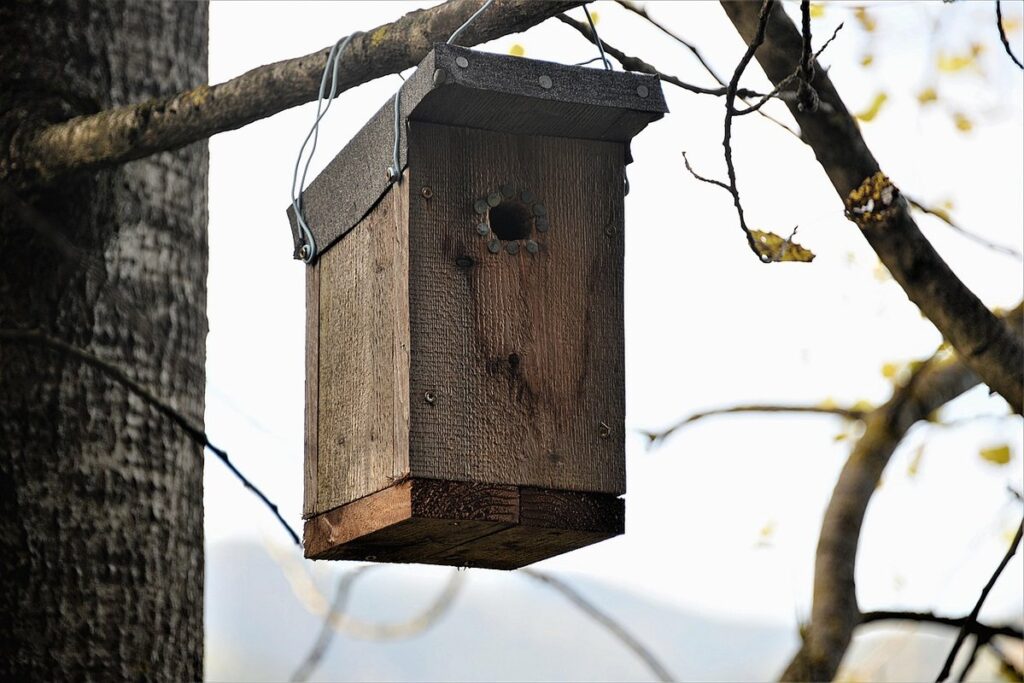
Benefits of Using a Duck Nesting Box
Having a duck nesting box can bring numerous benefits to your backyard, including increased egg production and reduced stress on your ducks during breeding season.
Importance of Artificial Nests for Wild Ducks
Artificial nests play a vital role in conserving wild duck populations, particularly during breeding season. Ducks often face challenges in finding suitable natural nesting sites, which can lead to a decline in their population numbers. For instance, habitat destruction and fragmentation have reduced the availability of natural wetlands, making it difficult for ducks to find safe and suitable nesting areas.
As a result, artificial nests like duck nesting boxes become essential in providing these birds with a secure place to lay their eggs and raise their young. By installing a duck nesting box in your backyard or on your farm, you can provide a vital service to local wild duck populations. Research has shown that well-designed and strategically placed duck nesting boxes can increase breeding success rates by up to 50%. This is because artificial nests offer ducks protection from predators, harsh weather conditions, and human disturbance, allowing them to focus on raising their young without these added stressors.
By incorporating a duck nesting box into your conservation efforts, you’re not only helping to safeguard local wild duck populations but also contributing to the preservation of this iconic species.
Advantages Over Natural Nests
Using a duck nesting box offers several advantages over natural nests when it comes to safety and protection from predators. One of the primary benefits is that nesting boxes are designed with security features such as latches, locks, and predator guards to prevent intruders like raccoons, foxes, and hawks from accessing the nest.
In contrast, natural nests made of twigs, grasses, and other materials can be easily accessed by predators, putting the eggs or ducklings at risk. Moreover, natural nests may not provide adequate insulation or protection from the elements, leading to chill or heat stress for the nesting ducks.
Duck nesting boxes also offer a more controlled environment for breeding and hatching, as they are typically located in protected areas such as barns, sheds, or enclosed courtyards. This reduced risk of predation and environmental stressors can lead to healthier chicks and higher reproductive success rates among your duck flock. By choosing a well-designed nesting box, you can provide a safe and secure haven for your ducks to nest and raise their young.
Design Considerations for Duck Nesting Boxes
When building or selecting a duck nesting box, careful consideration of its design is crucial to ensure the health and safety of your ducks. This includes factors like size, shape, and accessibility features.
Essential Features to Look For
When selecting or building a duck nesting box, it’s essential to consider several key features that promote comfort and breeding success for your ducks. Size is a crucial aspect to evaluate; the nest should be large enough for 5-7 eggs with about an inch of space between each egg. A minimum internal size of 12 inches wide by 18 inches deep is recommended.
The material used for construction also plays a significant role in ensuring the nesting box’s durability and hygiene. Opt for sturdy, easy-to-clean materials such as cedar or pine wood, avoiding pressure-treated woods that may contain chemicals harmful to your ducks. Accessibility should not be overlooked; place the nesting box about 2-3 feet off the ground to prevent predators from accessing it while also allowing you to inspect the nest without disturbing the birds.
In addition to these features, consider incorporating an overhang or sloping roof above the entrance to protect the nest from rain and drafts. A smooth, non-slip surface for the nesting platform will facilitate egg-laying comfort for your ducks.
Types of Duck Nesting Box Designs
When it comes to choosing the right duck nesting box design, there are several types to consider. Some designs aim to mimic natural nests, while others are tailored for specific climates or regions.
For instance, a rectangular nesting box with a sloping roof can be an excellent choice for cooler climates, as it allows snow and ice to slide off easily. In warmer climates, on the other hand, a covered nesting box with adequate ventilation is more suitable, helping to regulate the internal temperature and keep the nest dry.
Some designs also incorporate natural elements, such as twigs and leaves, to create a cozy atmosphere for the ducks. These ‘natural’ boxes can be especially appealing for backyard duck owners who want their birds to feel at home.
In regions with high predator pressure, it’s worth considering a nesting box design with an enclosed roof or a secure entrance, providing added protection for the ducks and their eggs. Ultimately, the key is finding a design that suits your specific climate, available space, and the needs of your duck flock.
Choosing the Right Location for Your Duck Nesting Box
When it comes to selecting a spot for your duck nesting box, consider factors such as sunlight, wind protection, and accessibility. Think carefully about where your ducks will be most comfortable laying eggs.
Factors to Consider When Selecting a Site
When selecting a site for your duck nesting box, there are several key factors to consider. One of the most important is sunlight exposure. Ducks need access to natural light to regulate their circadian rhythms and lay eggs consistently. A spot that receives partial shade, especially during peak summer months, is ideal.
Another consideration is water proximity. Ducks need easy access to water for drinking, swimming, and egg cleaning. Ideally, your nesting box should be located within 10-15 feet of a pond or pool. However, ensure the area is not too close to water, as this can attract predators like raccoons and foxes.
Predator presence is another crucial factor. Place the nesting box in an area with good visibility, allowing you to monitor for potential threats. A location near a tree line or fence can provide a safe perimeter around your duck enclosure. Also, consider the proximity of any nearby shelters or hiding spots that may attract predators.
Tips for Maximizing Breeding Success Through Placement
Placing your duck nesting box in an optimal location can significantly boost breeding success rates among ducks. Research has shown that a well-placed nesting box can increase egg production by up to 50% and reduce predation risk by as much as 70%. So, what makes for an ideal location? For one, it’s essential to choose a spot that provides adequate protection from harsh weather conditions, such as direct sunlight or heavy rainfall. Consider installing the box under a tree or in a sheltered area of your farm.
When selecting a placement site, also keep in mind the proximity to water and food sources. A nesting box placed near a pond or lake will reduce the distance ducks need to travel for drinking and bathing, making it easier for them to care for their young. Similarly, placing the box near a feeder can encourage regular feeding habits.
When placing the box, ensure it’s elevated off the ground to prevent rodent and snake infestations. A height of about 2-3 feet is ideal for easy access while keeping predators at bay. By considering these factors and choosing an optimal placement location, you’ll be well on your way to maximizing breeding success among your duck population.
Maintenance and Care of Your Duck Nesting Box
To keep your duck nesting box in top condition, regular maintenance is crucial to ensure a safe and healthy environment for your ducks. This includes cleaning, repairs, and routine checks.
Cleaning and Disinfecting the Nesting Box
Regular cleaning and disinfecting of the nesting box is crucial to maintaining a healthy environment for breeding ducks. A dirty nesting box can lead to the spread of diseases, infections, and parasites among the ducks, ultimately affecting their reproductive health and success. To prevent this, it’s essential to establish a regular cleaning schedule.
Clean the nesting box at least once a week during peak breeding season and every 2-3 weeks when there’s a lull in egg-laying. Remove any soiled bedding, replace it with fresh materials, and scrub the entire box with a gentle detergent specifically designed for animal enclosures. Don’t forget to disinfect the perches, nesting sites, and any other surfaces that come into contact with the ducks.
When choosing a cleaning product, opt for one that’s free of harsh chemicals, fragrances, or dyes that might harm your ducks. Always follow the manufacturer’s instructions and take necessary precautions when handling strong cleaning solutions. By maintaining a clean and disinfected nesting box, you’ll not only promote better health but also encourage successful breeding among your ducks.
Repair and Replacement of Damaged Components
Identifying damaged or worn-out components is crucial to maintaining a safe and healthy environment for your ducks. Regular inspections will help you catch issues before they become major problems. Check the nesting box’s wooden slats, wire mesh, and hinges for signs of wear, rust, or gaps. Also, inspect the roof and any attached covers for damage.
If you notice any damage, make necessary repairs promptly. For example, if a slat is broken, replace it with a new one of similar size and material. Make sure all repairs are secure and durable to prevent further damage. If you’re not confident in your ability to repair the component, consider replacing it entirely.
In some cases, replacing components may be more cost-effective than repairing them. For instance, if multiple slats are damaged, it’s usually better to replace the entire set rather than trying to fix each one individually. Consider purchasing replacement parts from a reputable supplier or using durable materials to minimize future maintenance needs.
Managing Duck Breeding with a Nesting Box
Once you have your nesting box installed, it’s essential to understand how to manage your duck breeding successfully, including egg collection and incubation. This section will guide you through this process.
Understanding the Mating Process and Timing
When it comes to managing duck breeding with a nesting box, understanding the mating process is crucial. The ideal time for breeding depends on various factors, including the breed of ducks and their age.
Ducks typically begin breeding between 6 to 18 months of age, depending on their species. For example, Muscovy ducks tend to mature earlier than Khaki Campbells. During this period, male ducks will start showing interest in females, which can be identified by aggressive courtship displays such as chasing and quacking.
Breeding season usually occurs from spring to early summer, although some breeds may breed year-round. It’s essential to provide a suitable environment for your ducks during this time. Make sure their living space is clean, dry, and protected from extreme weather conditions.
During mating, you can expect male ducks to form pairs with females, and they will often engage in nesting behavior. Monitor the pair’s behavior closely, as some breeds are more prone to aggression than others. This way, you can ensure a safe breeding process and reduce stress on both the ducklings and your flock.
Ensuring Proper Health Checks During Incubation
Monitoring your ducks’ health during incubation is crucial to ensure their well-being and successful hatching. A nesting box can provide a safe and comfortable environment for breeding, but it’s essential to keep an eye on the mother duck’s behavior and health.
Regular checks are necessary to identify any potential issues early on. Look out for signs of stress or discomfort in the mother duck, such as pacing, panting, or lack of appetite. Check the nesting box regularly for cleanliness, temperature, and humidity levels that may be affecting the incubation process.
A healthy duckling can often indicate a problem brewing elsewhere. Check the egg’s contents through candling to ensure it is properly developed and not contaminated. This simple yet crucial step can help you identify any potential issues before they become more severe problems.
Keep an eye out for signs of infection or disease, such as discharge around the beak, eyes, or vent area. If you notice anything unusual, consult a veterinarian experienced in poultry care to prevent further complications and ensure the health and safety of your ducks.
Common Issues Associated with Duck Nesting Boxes
As you set up your duck nesting box, it’s essential to be aware of common issues that can arise, such as egg breakage and brood abandonment. These problems can often be prevented with proper design and installation.
Identifying Potential Problems Early On
When it comes to duck nesting boxes, identifying potential problems early on is crucial to ensure the health and well-being of your feathered friends. One common issue associated with duck nesting boxes is poor design. A poorly designed box can lead to stress, discomfort, and even injury for the ducks.
For instance, a box that’s too small or too large can cause problems. If it’s too small, the duck may not have enough space to lay comfortably, while a box that’s too large can make the duck feel insecure. Look for boxes with a sturdy design, adequate ventilation, and a sloping roof to prevent water accumulation.
Inadequate maintenance is another common problem. Make sure to clean the nesting box regularly, removing any droppings or debris. This will help prevent the spread of diseases and keep the area hygienic. You should also check the box for any damage or wear and tear, repairing it promptly if necessary.
Solutions to Common Challenges Facing Duck Breeders
As a duck breeder, you’re likely familiar with the common challenges that come with providing adequate nesting boxes for your flock. One of the most significant issues is egg abandonment due to inadequate space or poor box design. To combat this, consider increasing the size of your nesting boxes or using modular designs that can be easily expanded.
Another challenge many breeders face is difficulty in removing eggs from tight spaces. This can lead to broken eggs and stressed hens. A practical solution is to install a pull-out drawer or a slide-out tray that allows you to collect eggs without having to reach into the box itself.
If you’re experiencing issues with nesting box placement, consider the following: ensure the boxes are located in a quiet area away from predator zones, and place them at an angle to prevent water pooling. Additionally, make sure your hens have access to a clean and well-maintained nesting area by regularly cleaning the boxes and surrounding areas.
To troubleshoot any issues you’re experiencing with your duck nesting boxes, keep a close eye on your flock’s behavior and adjust as needed. For example, if you notice that your hens are consistently using one box over others, consider making adjustments to that particular box or relocating it to a more desirable location.
Frequently Asked Questions
Can I use a duck nesting box for both breeding and incubation purposes?
You can use the same nesting box for both breeding and incubation, but it’s essential to clean and disinfect it regularly to prevent the spread of diseases. During incubation, make sure the temperature is maintained between 99°F and 100°F (37°C to 38°C) to ensure proper embryo development.
How often should I check on my duck nesting box for signs of wear or damage?
Regularly inspect your nesting box every 2-3 months for signs of wear, such as cracks in the material or gaps between components. Additionally, keep an eye out for potential predators trying to access the nesting box. If you notice any issues, repair or replace damaged parts promptly.
What is the ideal size for a duck nesting box, and how many should I have?
The ideal size for a duck nesting box depends on your flock’s size and breed. A good rule of thumb is to provide one nesting box per 3-4 ducks. The box should be at least 12 inches wide, 18 inches deep, and 24 inches tall to accommodate the ducks comfortably.
Can I use a duck nesting box for other types of birds, such as geese or turkeys?
While you can use a duck nesting box for other waterfowl species like geese, it’s not recommended for large birds like turkeys. Turkeys require larger nesting boxes with more space and specific features to accommodate their needs.
How do I ensure the duck nesting box is properly ventilated to prevent ammonia buildup?
To maintain proper ventilation in your duck nesting box, ensure it has adequate airflow through windows or vents. Place a layer of dry bedding material like straw or sawdust inside the box to absorb moisture and reduce ammonia levels. Regularly clean and disinfect the nesting box to keep it fresh and odor-free.