
If you’re looking to add some unique flair to your egg-laying routine, raising geese for their eggs might be just what you need. These magnificent birds are often overlooked as a source of fresh eggs, but they have a lot to offer. Not only do goose eggs bring a touch of elegance to the breakfast table, but they also possess some remarkable characteristics that set them apart from chicken eggs.
If you’re curious about the biology behind geese and their egg-laying habits, or want to learn how to optimize conditions for healthy production, this article is for you. We’ll cover everything from the unique characteristics of goose eggs to the best practices for raising geese on your farm or homestead. By the end of this guide, you’ll be well-equipped to start raising geese and enjoy the benefits of their rich, delicious eggs.
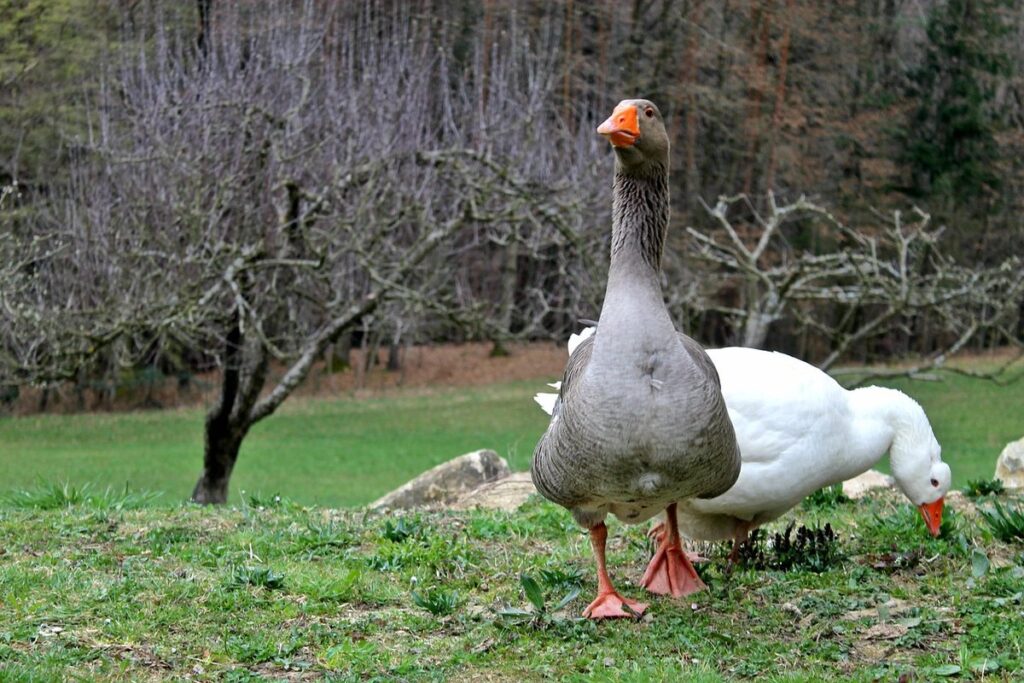
What is a Goose and How Does It Lay Eggs?
If you’re curious about how geese lay eggs, let’s start at the very beginning by learning what exactly a goose is and its unique characteristics that make it an egg-layer. We’ll dive into the details of their biology.
Biological Characteristics of Geese
Geese are large waterfowl birds that belong to the family Anatidae and the genus Anser. Within this genus, there are several species of geese, including the Canada goose, Snow goose, and Greylag goose. Geese are classified as domesticated or wild animals, depending on their breeding habits and living conditions.
Reproductively, geese are monogamous birds that form long-term pair bonds with their mates. During mating season, typically in the spring, male geese will establish territories and engage in loud displays of courtship to attract females. Once paired, geese are known for their high reproductive rate, with most species laying between 2-12 eggs per clutch. The female goose lays her eggs in a nesting site, often on land or in a protected area near water.
It’s worth noting that domesticated geese can be bred specifically for egg-laying purposes, and some breeds have been known to produce up to 300 eggs per year. For those interested in raising geese for their eggs, it’s essential to research the specific needs of these birds, including diet, habitat, and health requirements.
Sexual Maturity and Breeding Season
As you delve into the world of goose egg laying, it’s essential to understand when geese reach sexual maturity and enter their breeding season. Typically, domesticated geese begin laying eggs at around 18-24 months of age, but this can vary depending on factors such as breed, nutrition, and living conditions.
A healthy diet rich in nutrients is crucial for a goose’s reproductive cycle. Adequate calcium intake, in particular, supports strong eggshell production. When your female goose reaches maturity, you’ll notice a significant increase in egg-laying frequency. However, it’s worth noting that some breeds may lay more eggs than others, with the average laying period lasting around 3-5 years.
Factors such as weather, daylight hours, and overall health can also influence breeding season. Geese are naturally drawn to springtime when temperatures rise, and daylight hours increase. As a goose owner, you can encourage your bird’s natural instincts by providing adequate shelter, nutrition, and allowing for regular exercise outdoors during this time. By understanding these key factors, you’ll be better equipped to support your geese through their reproductive cycle, resulting in a healthier and more productive flock.
Unique Features of Goose Eggs
Goose eggs are truly one-of-a-kind, and it’s easy to see why they stand out from other bird eggs. For starters, their size is quite impressive – on average, a goose egg can weigh around 2-3 ounces (57-85 grams) and measure about 2.5 inches (6.4 cm) long. This is significantly larger than chicken eggs, which typically weigh in at around 1-2 ounces (28-57 grams).
But size isn’t the only thing that sets goose eggs apart – their shape and color are also quite distinctive. While chicken eggs tend to be more oval in shape, goose eggs are often more rounded and symmetrical. And as for color, goose eggs can range from a creamy white to a rich brown or even pale blue, depending on the breed of the goose.
One other notable feature of goose eggs is their shell thickness – it’s generally much thicker than that of chicken eggs, which makes them more durable and resistant to cracking. This can be especially beneficial for backyard farmers who want to preserve as many eggs as possible without having to worry about breakage.
Types of Geese and Their Egg-Laying Abilities
Geese come in many different breeds, each with its own unique characteristics and egg-laying abilities, from prolific layers to rare breed specialties. Let’s explore their various types.
Domesticated Geese: Breeds and Egg Production
When it comes to domesticated geese, there are several breeds that stand out for their exceptional egg-laying capabilities. The most popular breeds for egg production are the Toulouse, Embden, and Chinese geese.
The Toulouse geese, for instance, are known for laying an average of 30-40 eggs per year. They’re a friendly and docile breed, making them ideal for backyard flocks. However, they do require regular exercise to maintain their health and egg-laying abilities.
In contrast, Embden geese are renowned for their impressive egg-laying capacity, with some individuals producing up to 60 eggs annually. These geese are also known for their striking appearance, with their white feathers and distinctive beaks.
Chinese geese, on the other hand, lay around 40-50 eggs per year and are prized for their soft down feathers and friendly demeanor. When choosing a breed for egg production, it’s essential to consider your living conditions, as some breeds require more space or specific climate conditions than others.
It’s also crucial to provide your geese with adequate nutrition and care to ensure optimal egg production. A balanced diet that includes high-quality grains and supplements will support their health and egg-laying abilities. Regular veterinary check-ups are also vital in maintaining a healthy flock.
Wild Geese: Natural Habitat and Behavior
Wild geese are found in various natural habitats around the world, including wetlands, grasslands, and arctic tundras. Their migratory patterns vary greatly depending on the species, but most wild geese travel in large V-formations to conserve energy while flying long distances.
In their natural habitats, wild geese exhibit unique adaptations that help them thrive during breeding season. For example, some species of geese will form long-term monogamous relationships, with pairs staying together for many years and even decades. This pair bonding is crucial in helping geese synchronize their reproductive cycles and ensure successful egg laying.
One fascinating aspect of wild goose behavior is their use of nesting sites. Geese will often reuse the same nesting site year after year, incorporating new materials into their nests to make them more comfortable and secure. Female geese typically lay between 2-8 eggs per clutch, with incubation lasting around 24-28 days.
During breeding season, wild geese are highly protective of their nests and young. They will often engage in loud calling and aggressive displays to deter predators from approaching. Despite these defenses, many wild goose populations face significant threats such as habitat loss, hunting, and climate change.
Hybrid Geese: Characteristics and Egg Production
Breeding hybrid geese has become increasingly popular among poultry enthusiasts due to their desirable traits and exceptional egg-laying abilities. But what exactly are hybrid geese, and why should you consider them for your backyard flock? Hybrid geese are the result of crossing different breeds to combine the best characteristics from each parent. This deliberate breeding process aims to enhance specific traits such as size, temperament, feather quality, and most importantly, egg production.
The advantages of hybrid geese are undeniable. They tend to produce more eggs than purebred geese, with some varieties laying up to 20-30 eggs per year. Their egg-laying abilities make them a top choice for backyard farmers seeking to increase their egg supply. Moreover, hybrid geese often exhibit improved hardiness and resistance to diseases, making them easier to care for. However, it’s essential to note that the initial investment in acquiring purebred parents can be significant, and subsequent generations may not retain the same level of performance.
When selecting a hybrid goose breed, consider factors such as egg size, shell quality, and overall temperament. With proper breeding and management, hybrid geese can thrive and provide a rewarding experience for poultry enthusiasts.
Factors Affecting Goose Egg Laying
When it comes to goose egg laying, several key factors come into play, including age, nutrition, and overall health of your geese. These variables have a significant impact on the number of eggs you can expect from your flock.
Nutrition and Dietary Requirements
To ensure your geese are laying healthy eggs, it’s essential to provide them with a balanced diet rich in nutrients. Geese require a variety of vitamins and minerals to support reproductive health, including vitamin A for strong eggshell production, calcium for maintaining bone density, and phosphorus for egg white quality. They also need adequate energy sources, such as protein-rich grains like oats and barley, to fuel their metabolism.
A well-planned diet should include 16-18% crude protein content, with a mix of grasses, legumes, and concentrates providing the necessary nutrients. Supplementing with oyster shell grit or crushed limestone can help support eggshell quality and prevent breakage. Fresh water is also crucial, as dehydration can lead to reduced egg production.
A good example of this is seen in commercial goose farms that carefully manage their geese’s diets to maximize egg yield and quality. By providing the right nutrients, you too can optimize your flock’s health and reproductive potential.
Environmental Factors: Temperature, Humidity, and Light
When it comes to goose egg laying, environmental conditions play a significant role. Temperature fluctuations can impact reproductive health and stress levels in geese, leading to reduced egg production. Geese are most productive at temperatures between 40°F and 70°F (4°C and 21°C), with optimal temperature for breeding being around 50°F (10°C). Temperatures above 85°F (29°C) or below 32°F (-0°C) can severely impact fertility.
Humidity levels also affect goose egg laying. Ideal humidity ranges from 40% to 60%, which allows for healthy egg development and prevents moisture-related issues. Geese need access to dry, draft-free areas to maintain a stable environment for reproductive processes.
Light exposure is another crucial factor in influencing goose egg laying. Adequate natural light, especially during breeding seasons, stimulates ovulation and fertility. Ensure geese have adequate access to sunlight or supplementary lighting systems to promote optimal reproductive performance.
Health Considerations: Diseases and Parasites
Geese are susceptible to various health issues that can impact their egg-laying abilities. Respiratory infections, such as avian influenza and mycoplasma, can significantly reduce egg production. These infections often spread quickly through the flock, making vaccination a crucial step in disease prevention.
Parasites like internal worms (e.g., strongyle) and external lice/mites can also affect geese, causing discomfort and nutrient deficiencies that impair egg-laying capabilities. Regular deworming practices and maintaining clean living conditions are essential to minimize parasite infestations.
Other diseases affecting geese include bumblefoot, caused by bacterial infections leading to foot lesions, and ascites (air sac disease), a condition where the air sacs become filled with fluid, making breathing difficult. Practicing good flock hygiene, providing regular veterinary check-ups, and implementing effective disease control measures can mitigate these issues.
To promote healthy geese and optimize egg production, consider implementing the following:
* Consult a veterinarian for guidance on disease prevention and control
* Regularly inspect your flock’s living conditions to prevent parasite infestations
* Maintain accurate records of vaccinations, deworming schedules, and health checks
Collecting Goose Eggs: Best Practices and Safety Precautions
If you’re planning to collect goose eggs, it’s essential to follow some best practices and take necessary safety precautions to ensure a safe and successful experience for both you and your feathered friends. Proper care will also help maintain the health of your geese.
Proper Handling and Storage Techniques
Collecting goose eggs requires a delicate touch and attention to detail. When you approach the nesting site, make sure to wear gloves to prevent introducing oils from your skin into the egg cells. This will help maintain the integrity of the eggs and keep them free from contamination.
To collect an egg safely, gently reach under the geese and support the nest with one hand while carefully lifting the egg out with the other. Hold the egg against your body, cradling it like a baby, to prevent jostling or breakage. For multiple-egg nests, use a basket or container lined with soft materials to collect eggs without causing damage.
After collecting the eggs, immediately transfer them to a cool, dry place such as a shaded area or the refrigerator. Store them pointy end down and avoid washing the eggs unless absolutely necessary, as this can introduce bacteria and compromise their cleanliness.
Remember to handle goose eggs gently and minimize disturbance of the nesting site to ensure the health and well-being of both the geese and their precious eggs.
Cleaning and Sanitizing Equipment and Facilities
Maintaining clean equipment and facilities is crucial for promoting healthy egg production. When collecting goose eggs, it’s essential to ensure that all tools and areas are sanitized regularly. Start by washing your hands thoroughly with soap and warm water before handling eggs or equipment.
Clean all equipment, such as egg baskets, crates, and scales, with mild detergent and warm water after each use. For more stubborn stains or odors, a mixture of 1 part bleach to 10 parts water can be used. However, always rinse equipment thoroughly afterward to remove any residual chemicals.
Facilities should also be regularly cleaned, including the coop, nesting boxes, and surrounding areas. Remove any debris, droppings, or uneaten food, and disinfect all surfaces with a solution of 1 part bleach to 10 parts water. Allow the solutions to sit for a few minutes before rinsing thoroughly.
Cleanliness not only promotes healthy egg production but also helps prevent the spread of diseases among your geese flock.
Raising Geese for Egg Production: Tips and Advice
When it comes to raising geese for egg production, understanding their specific needs is crucial for a successful harvest. We’ll walk you through what to expect and how to optimize your flock’s performance.
Choosing the Right Breed and Sex Ratio
When it comes to raising geese for egg production, choosing the right breed and sex ratio is crucial for maximizing yields. With over 50 recognized goose breeds, selecting the most suitable one can be overwhelming.
Consider the climate and environment of your farm or backyard when choosing a breed. For example, cold-hardy breeds like Toulouse and Embden are ideal for cooler climates, while heat-tolerant breeds like Chinese and African are better suited for warmer regions.
In terms of sex ratio, it’s generally recommended to have 1-2 males (ganders) per every 5-7 females (geese). This allows for sufficient breeding and reduces aggression among the flock. However, some producers prefer a more aggressive breed and may opt for a higher male-to-female ratio.
Researching the specific needs and characteristics of different breeds will help you make an informed decision. Consult with local farmers or veterinarians to determine which breed is best suited for your operation.
Housing and Shelter Requirements
When raising geese for egg production, it’s essential to provide them with comfortable and suitable housing. A good shelter will not only protect your geese from harsh weather conditions but also promote their overall health and well-being. To ensure optimal egg-laying performance, consider the following essential housing features:
Geese need plenty of space to move around, so a minimum of 2-3 square meters per bird is recommended. The enclosure should be escape-proof and securely fenced to prevent predators from getting in. A roof or netting can protect your geese from aerial threats like hawks and owls.
A well-drained area for dust bathing is crucial for maintaining your geese’ skin health. You’ll also need a sheltered area with nesting boxes, ideally one per 3-4 birds. The nesting boxes should be at least 60 cm high and have a roof to protect the eggs from the elements.
Remember to provide adequate ventilation in the housing to prevent ammonia buildup from droppings. Fresh water and feeders should also be easily accessible for your geese. A clean and comfortable environment will help reduce stress levels, leading to better egg-laying performance.
Conclusion: Goose Laying Eggs in Perspective
Now that we’ve explored the fascinating world of goose laying eggs, let’s take a final look at what we’ve learned and how it all fits together. We’ll summarize the key points.
Recap of Key Takeaways
As we conclude our journey into the fascinating world of goose laying eggs, let’s take a moment to recap the key takeaways. By now, you should have a solid understanding of what it means for geese to lay eggs, and why this process is essential for their survival.
Geese are prolific layers, producing an average of 2-5 eggs per week, depending on factors such as breed, nutrition, and health. To maximize egg production, it’s crucial to provide your goose with a balanced diet rich in protein, calcium, and other essential nutrients. We also discussed the importance of creating a safe and comfortable nesting environment, free from predators and stressors.
Remember, geese are social animals that thrive on interaction, so be sure to spend quality time with your feathered friend, providing regular exercise, playtime, and mental stimulation. By following these guidelines, you’ll be well on your way to raising happy, healthy geese that will reward you with a bounty of delicious eggs.
Future Directions for Research and Innovation
As we conclude our exploration of goose laying eggs, it’s exciting to consider the future directions for research and innovation in this fascinating area. One emerging trend is the development of more efficient egg production systems that prioritize animal welfare and environmental sustainability. For instance, some farms are adopting “free-range” or “pasture-raised” models, where geese have access to outdoor spaces and can engage in natural behaviors.
Another potential area for research is genetic selection, which could lead to improved eggshell quality, increased egg production, and enhanced disease resistance. This might involve collaborations between breeders, researchers, and farmers to develop more sophisticated breeding programs that balance economic viability with animal welfare concerns.
We also anticipate advancements in precision agriculture, where data analytics and sensor technology will enable more accurate monitoring of geese health, behavior, and productivity. By harnessing this information, producers can optimize their operations, reduce waste, and improve overall efficiency.
Frequently Asked Questions
How do I determine the optimal breed of geese for my egg-laying needs?
When selecting a goose breed, consider factors like climate adaptability, fertility rate, and egg size. Some popular breeds known for their high egg production include Embden, Toulouse, and African Geese. Research each breed’s specific characteristics to ensure they align with your farm or homestead’s conditions.
Can I raise geese in a small backyard space?
Yes, geese can thrive in smaller spaces if provided with adequate shelter, nutrition, and proper care. However, consider the noise level and potential for property damage when introducing geese to a residential area. Ensure you have enough space (about 10-15 square feet per bird) and a secure enclosure to prevent escape.
What’s the best way to handle goose eggs for safe consumption?
Handle goose eggs with clean hands, and always wash your hands before and after collecting eggs. Store them in a cool, dry place, away from direct sunlight, to maintain their quality. Consider refrigerating them immediately if you won’t be consuming them within a week.
How do I identify potential health issues in my geese?
Regularly inspect your geese for signs of disease or parasites, such as wet droppings, labored breathing, or unusual feather loss. Consult with a veterinarian experienced in waterfowl care to develop a monitoring plan and address any concerns promptly.
Can I raise geese without access to a pond or large body of water?
While geese are naturally adapted to aquatic environments, they can still thrive on dry land if provided with adequate water sources for drinking and cleaning. Ensure you have a reliable source of clean water (about 1-2 gallons per bird per day) and consider installing a pool or shallow water feature for exercise and relaxation.