
Are you getting ready to raise a new batch of adorable ducklings? Congratulations! Duck brooding can be an exciting yet challenging experience, especially for first-time breeders. With so many factors at play, it’s easy to get overwhelmed and unsure where to start. But don’t worry, with the right guidance, you’ll be well on your way to successfully raising healthy and happy ducklings. In this comprehensive guide, we’ll walk you through every crucial aspect of duck brooding, from preparation and environment to nutrition and health considerations. We’ll also share expert tips on how to optimize brood success, ensuring that your ducklings grow into strong and thriving birds. By the end of this article, you’ll have a clear understanding of what it takes to raise successful ducks and be well-equipped to tackle any challenges that come your way.
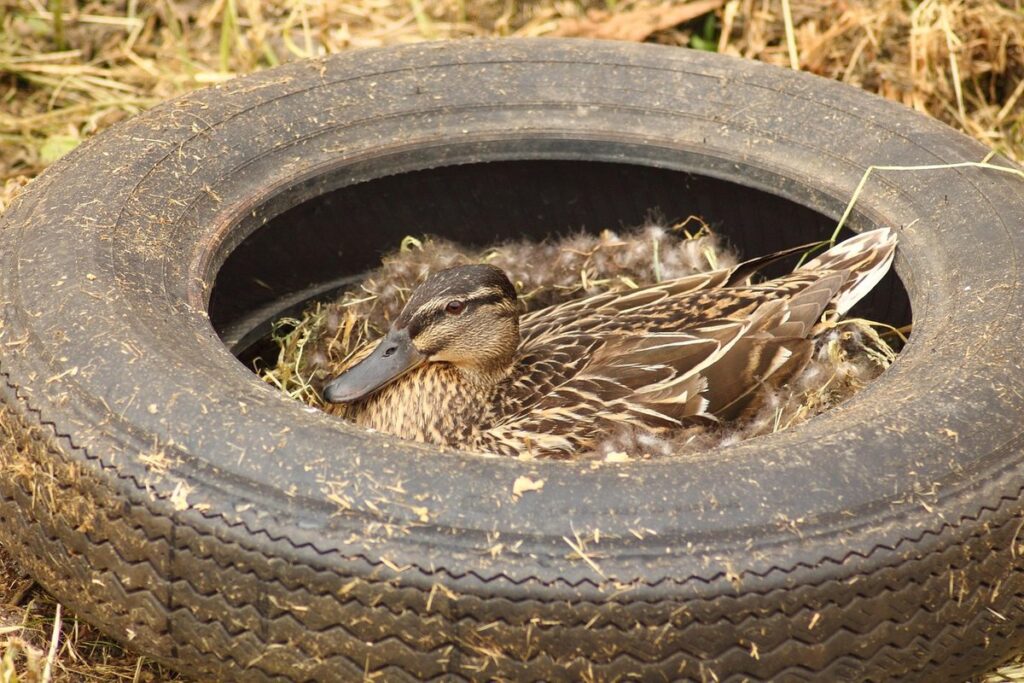
Introduction to Duck Brooding
Welcome to our comprehensive guide to duck brooding! In this foundational section, we’ll cover the basics of what you need to know before bringing home your first flock of adorable ducklings.
Importance of Brooding in Waterfowl
Brooding is an essential process for ducklings to ensure their survival and growth. When you brood ducklings, you provide them with a safe and nurturing environment that promotes healthy development. Without proper brooding, ducklings may not receive the warmth and humidity they need to regulate their body temperature, leading to stunted growth or even mortality.
In fact, studies have shown that ducklings raised in controlled environments with consistent temperatures between 90°F and 100°F (32°C and 38°C) have a significantly higher survival rate compared to those exposed to variable temperatures. For example, a study conducted by the University of Wisconsin found that ducklings raised in brooder houses had an average mortality rate of only 2% compared to 12% for those raised outdoors.
To ensure successful brooding, it’s crucial to maintain proper temperature and humidity levels. You can achieve this by using heating lamps or ceramic heat emitters in combination with ventilation systems to regulate moisture levels. By providing a stable environment, you’ll help your ducklings grow strong and healthy, setting them up for success as they mature into productive ducks.
Pre-Brooding Preparation
Before starting a brood, there are several essential steps to take to ensure a safe and healthy environment for your ducklings. First and foremost, it’s crucial to prepare a suitable nesting box or enclosure. This should be a quiet, draft-free area with easy access for the mother duck. Consider installing a nesting box with a secure door that can be opened from outside, allowing you to monitor the situation without disturbing the brood.
When selecting a nesting site, look for an area protected from predators and harsh weather conditions. A covered or enclosed area is ideal, such as a shed or greenhouse. Make sure the floor is clean, dry, and free of any obstacles that could harm the ducklings. Provide adequate ventilation to prevent ammonia buildup from the mother’s droppings.
A word of caution: never use a nesting box with a built-in perch, as this can cause injury to the mother duck or her chicks. It’s also essential to place the nesting box at least 6 inches off the ground to prevent moisture accumulation and bacterial growth.
Choosing the Right Breeds for Brooding
When it comes to duck brooding, selecting breeds that thrive under your care is crucial. This section will walk you through the process of choosing the right breed for a successful and stress-free brooding experience.
Popular Breeds Suitable for Backyard Flocks
When it comes to building a thriving backyard flock, choosing the right duck breed is crucial. Not all breeds are created equal, and some excel in certain areas that make them perfect for small-scale farmers and backyard enthusiasts alike.
Some popular breeds suitable for backyard flocks include Khaki Campbells, Indian Runners, and Wood Ducks. These breeds are known for their docile nature, high egg production, and adaptability to smaller spaces. For instance, Khaki Campbells can lay up to 300 large white eggs per year, while Indian Runners are renowned for their vibrant feathers and ability to free-range.
Wood Ducks, on the other hand, are prized for their striking appearance and relatively low-maintenance care. When selecting a breed, consider your climate, available space, and desired egg production levels. It’s also essential to research each breed’s specific needs, such as diet, health requirements, and potential predators. By choosing a suitable breed and providing the necessary care, you can enjoy a happy and thriving backyard flock.
Factors to Consider When Selecting Breeds
When selecting breeds for brooding, there are several key factors to consider. First and foremost, you’ll want to think about egg-laying ability. Some breeds, like the Khaki Campbell and the Indian Runner, are prolific layers and can produce up to 300 eggs per year, while others may lay fewer eggs or start laying later in life.
Temperament is also crucial to consider. Do you have young children who will be interacting with the ducks? Some breeds, such as the Wood Duck and the Muscovy, are known for their gentle nature and can make great family pets. Others, like the Pekin and the Moulard, may be more skittish or aggressive.
Finally, growth rate is an important consideration. If you’re looking to sell your ducklings at a young age, you’ll want breeds that grow quickly and reach market weight in just a few weeks. However, if you’re raising ducks for egg production, slower-growing breeds can still produce well and may be a better fit.
Ultimately, the right breed for you will depend on your specific needs and circumstances, so be sure to research thoroughly before making a decision.
Setting Up a Suitable Brooding Environment
When setting up a brood box, it’s essential to consider factors such as ventilation, temperature control, and space for your ducklings to move around comfortably. A well-designed environment will ensure their optimal growth and development.
Providing Adequate Ventilation and Temperature Control
Proper ventilation and temperature control are crucial elements of a suitable brooding environment. Without adequate air circulation, heat stress can be a significant issue for ducklings. Young ducks produce a substantial amount of moisture through their respiration, which contributes to the risk of ammonia buildup if not managed effectively.
To maintain optimal conditions, ensure that your brooder has a ventilation system in place or sufficient openings for airflow. The ideal setup includes a balance between fresh air intake and stale air removal. A common approach is to install a screen on one side of the enclosure while keeping the other sides sealed. This setup allows for cross-ventilation while preventing predators from entering.
Temperature control is equally important, with a recommended range of 90°F to 95°F (32°C to 35°C) during the first week of life. As ducklings grow, the temperature can be gradually reduced by 5°F (3°C) each week until it reaches ambient levels. Monitor your flock closely and adjust as necessary to prevent overheating or chilling. By providing a well-ventilated and thermally stable environment, you’ll help ensure your ducklings thrive during their early stages of development.
Creating a Comfortable and Safe Space for Ducklings
When it comes to creating a comfortable and safe space for ducklings, it’s essential to provide them with an environment that promotes growth, health, and development. One crucial aspect of this is ensuring adequate lighting. Ducklings require UVB light to help them synthesize vitamin D3, which is vital for their bone growth and overall health. You can achieve this by installing a UVB light specifically designed for poultry in the brooding area.
In addition to proper lighting, reducing stress is also critical in creating a comfortable space for ducklings. A calm environment helps minimize the risk of disease and promotes healthy development. To reduce stress, ensure the brooder is quiet, draft-free, and at a comfortable temperature range (around 90-95°F). Avoid placing the brooder near windows or doors, which can create drafts and noise.
To further reduce stress, consider adding some soothing elements to the brooder, such as gentle music or a heat source that provides a consistent warmth. It’s also essential to provide adequate ventilation to prevent the buildup of ammonia from the ducklings’ waste, which can be toxic to them. By following these guidelines, you’ll create a safe and comfortable space for your ducklings to grow and thrive.
Nutrition and Feeding during Brooding
When it comes to raising healthy ducklings, nutrition and feeding play a crucial role during brooding. In this section, we’ll cover essential tips on what to feed your ducks from hatch to maturity.
Nutritional Requirements of Ducklings
Ducklings have specific nutritional requirements during the brooding period to support their rapid growth and development. Adequate nutrition is essential for optimal health, survival, and successful transition to independent living.
Ducklings need a diet rich in protein (around 18-20%) to support muscle growth and feather development. They also require adequate energy from carbohydrates and fats to sustain their high metabolic rate. Vitamin D3 and calcium are crucial for bone growth and development, while vitamin E helps protect against oxidative stress.
When it comes to feeding ducklings, a starter feed specifically formulated for waterfowl is recommended. This feed should contain around 20% protein, supplemented with essential vitamins and minerals. It’s also essential to provide fresh water at all times, as ducklings need access to clean drinking water to maintain hydration and overall health.
Feed ducklings three to four times a day, offering about one-third of their daily requirement in each feeding session. Monitor their growth and adjust feed amounts accordingly to avoid overfeeding or underfeeding.
Providing a Balanced Diet
Providing a balanced diet for ducklings is crucial for their growth and development. A well-planned feeding schedule should include a mix of commercial starter feed, grains, and fruits to ensure they receive the necessary nutrients.
Start by offering a starter feed specifically formulated for waterfowl, which contains the right balance of protein, fat, and other essential vitamins and minerals. You can offer this feed ad libitum (free-choice) during the first few weeks after hatching. As ducklings grow, gradually introduce more whole grains like oats, wheat, and barley to their diet.
Supplements such as crushed eggshells (rich in calcium), dried mealworms (for protein), and chopped fresh vegetables (like kale or spinach) can be added 2-3 times a week to provide variety and essential nutrients. Fresh water should always be available for drinking.
Feed ducklings at least 6-8 times a day, with the first feeding as soon as they are dry and warm after hatching. This will help them get off to a strong start and establish a good appetite for the rest of their lives. Remember to provide fresh food and water daily to keep your ducklings healthy and thriving.
Health Considerations During Brooding
When it comes to duck brooding, ensuring the health and well-being of both mother and ducklings is crucial. This section will cover essential considerations for keeping your brood safe from potential risks.
Common Health Issues Affecting Ducklings
As a duck breeder, it’s essential to be aware of common health issues that can affect ducklings during the brooding period. Respiratory problems are one of the most prevalent issues, often caused by poor ventilation or overcrowding. Signs may include labored breathing, sneezing, and coughing.
Another common issue is hypovitaminosis A, a condition resulting from inadequate vitamin A in their diet. This can lead to developmental delays, impaired vision, and weakened immune systems. Ensure your ducklings have access to fresh greens, such as kale or spinach, which are rich in this essential nutrient.
Infections, particularly those caused by bacteria like Pasteurella multocida, can also occur due to poor sanitation and hygiene practices. Monitor your ducklings’ overall health closely and keep an eye out for symptoms like lethargy, loss of appetite, or labored breathing. Practicing good biosecurity measures, such as regular cleaning and disinfection, can help prevent the spread of infections.
Regular checks should be conducted by a veterinarian experienced in waterfowl care to detect any potential issues early on. If you suspect an issue, consult with your vet promptly for guidance on treatment and prevention strategies.
Monitoring for Signs of Illness or Stress
Monitoring ducklings for signs of illness or stress is crucial to their health and well-being. As their caretaker, it’s essential to recognize the subtle changes in behavior, appetite, or physical condition that may indicate a problem.
Be vigilant for decreased activity levels, lethargy, or unusual behaviors such as hiding or acting aggressively towards other ducklings. These can be early warning signs of illness, infection, or stress. Additionally, watch for changes in droppings, such as blood, diarrhea, or unusual coloration, which can indicate internal health issues.
Frequently inspect your ducklings’ living quarters and surroundings to identify potential sources of stress, like overcrowding, poor ventilation, or contamination. Regularly check the temperature and humidity levels in their environment to ensure they remain within a safe range.
If you suspect illness or stress, consult with a veterinarian experienced in poultry care as soon as possible. Early detection and treatment can significantly improve outcomes for your ducklings. Keep a record of any unusual occurrences or changes in behavior, which will aid in diagnosis and treatment by the vet.
Managing a Successful Brood Cycle
As you care for your ducklings, it’s essential to understand how to manage their brood cycle effectively, ensuring they receive the right nutrients and attention at each stage of development.
Timing and Frequency of Broods
When it comes to managing multiple broods, timing is everything. You see, ducks are natural spring and fall breeders, but with careful planning, you can encourage them to lay eggs year-round. Factors such as daylight hours, temperature, and forage availability influence brood success.
To maximize the chances of successful brooding, it’s essential to consider the timing of your first and subsequent broods. Typically, ducks will start laying eggs again within 24-48 hours after their last clutch has hatched or been removed. Aiming for a 12-week interval between broods allows for optimal egg production while minimizing stress on the duck.
For example, if you aim to have multiple broods per year, consider starting with an early spring brood followed by a late summer/fall brood. This staggered approach helps distribute workload and resources, ensuring each brood receives the necessary attention without compromising overall productivity. By carefully managing the timing of your broods, you can successfully raise multiple generations in a single year.
Tips for Optimizing Brood Success
Optimizing brood success is crucial for raising healthy and thriving ducklings. One key aspect of this is managing stress levels in your ducks. Stress can manifest as excessive preening, feather plucking, or pacing, which can be indicative of underlying issues such as poor living conditions, inadequate nutrition, or insufficient social interaction.
To minimize stress, provide a spacious and well-ventilated area for your brood to grow. Ensure they have access to fresh water, nutritious food, and adequate shelter. It’s also essential to maintain good hygiene by cleaning the coop regularly and disinfecting any surfaces that come into contact with your ducks.
Promoting healthy growth is another critical factor in optimizing brood success. Monitor your ducklings’ weight and overall development regularly, adjusting their diet accordingly. A balanced mix of grains, proteins, and vitamins will support rapid growth and prevent potential health issues. Provide a calcium-rich supplement to support strong bone development, particularly during the first few weeks of life.
Additionally, ensure your ducks receive regular opportunities for exercise and social interaction. This can be achieved through supervised outings or by introducing compatible duck breeds to each other under close supervision. By implementing these measures, you’ll be well on your way to raising a thriving brood.
Frequently Asked Questions
What if I’m short on space for a dedicated brooder? Can I still raise ducklings successfully?
If you’re short on space, consider using a makeshift brooding setup or even a large tub with a heat lamp and adequate ventilation. However, be aware that these setups can be more challenging to manage, especially in extreme weather conditions. Make sure to research specific requirements for the breed(s) you’re raising and take extra precautions to maintain a safe environment.
How often should I check on my ducklings during the brooding period?
Regular checks are crucial during brooding. Aim to inspect your ducklings at least twice a day, taking note of their temperature, behavior, and stool quality. This will help you catch any potential health issues early on. Also, ensure that their water and feed containers are always full and easily accessible.
Can I use a heating mat or heat lamp for both large and small duck breeds?
While heating mats and lamps can be effective for smaller breeds, they might not provide sufficient warmth for larger breeds. Research specific temperature requirements for the breed(s) you’re raising to avoid overheating or underheating issues. Also, make sure to position heat sources carefully to prevent burns or fires.
How do I know if my ducklings are getting enough nutrients during brooding?
Monitor your ducklings’ stool quality and appetite regularly. A balanced diet should result in firm, dark droppings and a steady increase in weight. If you notice any issues with their stool or overall health, adjust their diet accordingly and consult with a veterinarian for guidance.
What if I notice signs of stress or illness in my brood? How can I prevent this?
Common signs of stress or illness include lethargy, labored breathing, and changes in appetite. If you suspect any issues, immediately isolate the affected duckling(s) to prevent the spread of disease. Consult with a veterinarian for advice on treatment and prevention strategies.