
As a backyard duckkeeper or small-scale poultry farmer, you’re probably no stranger to the joys of collecting fresh eggs from your happy hens. But let’s face it: finding egg shells with cracks, weaknesses, or even just being too thin can be frustrating and worrying – is it a sign of a bigger issue? If you’ve ever wondered what causes these problems or how to prevent them, you’re not alone. In this article, we’ll dive into the common causes and symptoms of duck egg shell issues, from weak eggs to biosecurity concerns. We’ll explore practical solutions for improving your flock’s health and egg quality, including tips on nutrition, management, and hygiene. Whether you’re new to duck keeping or a seasoned expert, by the end of this article, you’ll have a better understanding of how to raise healthy ducks that produce strong, delicious eggs.
What Are Duck Egg Shells?
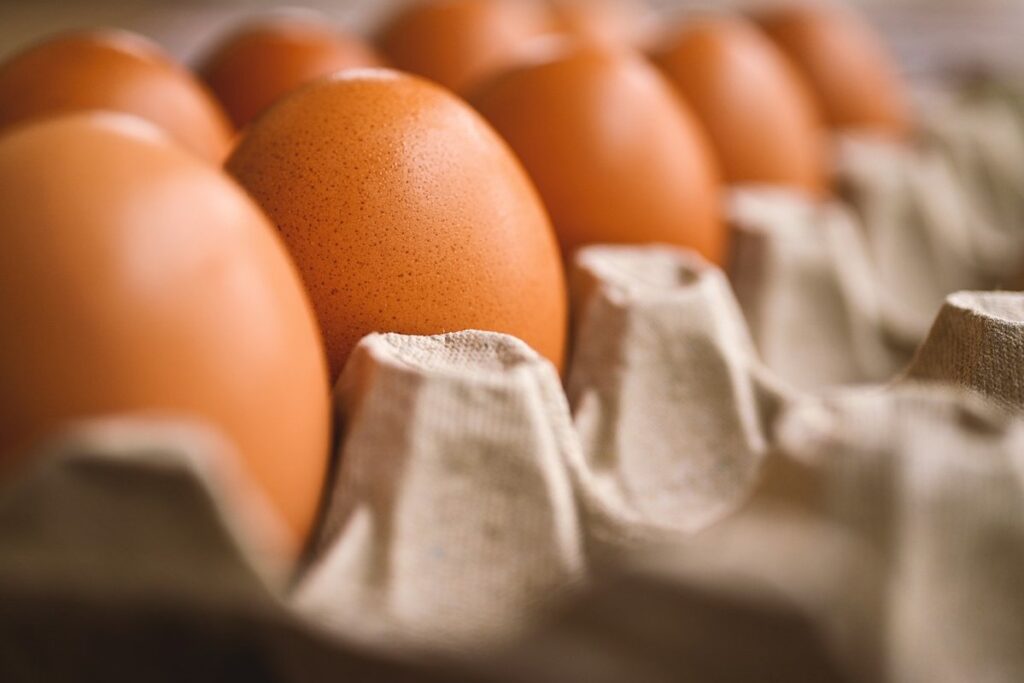
Let’s start by understanding what duck egg shells are and how they’re formed, which is essential to identifying potential problems. Duck egg shells are a vital part of your eggs’ development process.
Characteristics of Healthy Duck Egg Shells
A healthy duck egg shell should have a few distinct characteristics. When you crack open an egg from a happy and well-cared-for duck, you’ll notice that the shell is strong yet pliable. The texture should be smooth to the touch, with no visible cracks or breaks.
In terms of composition, a healthy duck egg shell consists mainly of calcium carbonate, which gives it its rigidity. This calcified layer also contains proteins and other minerals like magnesium and potassium. A well-formed eggshell will have a slight curve to it, allowing for efficient passage from the reproductive tract into the oviduct.
To gauge the quality of an eggshell, you can look at its appearance under natural light. Ideally, the shell should be free of visible cracks or breaks, though minor imperfections are not uncommon. The coloration will vary depending on breed and nutrition, but it should generally be a uniform shade with no signs of discoloration.
It’s worth noting that these characteristics can be influenced by factors like breed selection, diet, and environmental conditions. By paying attention to the health and well-being of your ducks, you’ll naturally increase the chances of producing strong, high-quality eggshells.
Factors Affecting Eggshell Quality
Eggshell quality can be affected by several factors, including genetics, nutrition, and environmental conditions. Genetics play a significant role in determining eggshell thickness and strength. Some breeds of ducks are naturally better equipped to produce thick, durable eggshells than others.
Nutritional deficiencies can also impact eggshell quality. For instance, a lack of calcium in the diet can lead to weakened eggshells that are more prone to cracking. On the other hand, a balanced diet rich in essential nutrients can promote healthy eggshell development.
Environmental factors such as temperature and humidity levels can also affect eggshell quality. Extreme temperatures, either too hot or too cold, can cause eggs to develop unevenly, leading to fragile shells. Similarly, high humidity can cause eggs to become wet and weakened, making them more susceptible to cracking.
To promote healthy eggshell development, it’s essential to provide your ducks with a balanced diet that includes adequate calcium, along with access to clean water and a suitable environment. Regular monitoring of temperature and humidity levels can also help prevent issues related to environmental stress.
Common Causes of Duck Egg Shell Problems
Duck egg shell problems can be frustrating, but understanding their causes is the first step to solving them. Let’s explore some common culprits behind cracked, weak, and irregular duck eggs.
Malnutrition: A Key Contributor to Weak Eggs
Malnutrition can have a significant impact on the overall health of your ducks, and subsequently, their eggs. A diet that is lacking essential nutrients or contains an imbalanced mix of them can lead to weak, brittle eggs. When ducks don’t receive adequate calcium, vitamin D3, and other minerals necessary for strong eggshell production, the consequences can be severe.
To illustrate this point, consider a study where hens were fed a low-calcium diet, resulting in weaker eggshells that shattered easily upon handling. Similarly, a lack of vitamin D3 has been linked to reduced calcium absorption, making it even more challenging for ducks to produce robust eggs.
As an egg producer, you can take steps to ensure your ducks are receiving a well-rounded diet. Consider consulting with a poultry nutritionist to develop a customized feed plan that meets the unique needs of your flock. Additionally, supplementing their diet with oyster shells or crushed eggshells rich in calcium can help bridge any nutritional gaps.
Stress and Health Issues in Ducks
When it comes to duck egg production, stress and health issues can have a significant impact on the quality of the eggshells. It’s no secret that ducks are sensitive creatures, and when they’re under stress, their bodies prioritize maintaining homeostasis over laying eggs. This can lead to weakened eggshell membranes, resulting in cracked or fragile shells.
One key indicator of stress-related eggshell problems is a sudden drop in egg production. If your duck stops laying eggs altogether or produces eggs with noticeably thinner shells, it may be a sign that she’s experiencing stress or health issues. Some common causes of stress in ducks include changes to their living environment, lack of social interaction, and inadequate nutrition.
To mitigate the effects of stress on eggshell quality, make sure your duck has access to fresh water, a balanced diet, and adequate space to roam. Regularly inspect her droppings for signs of health issues, such as diarrhea or blood, which can indicate internal parasites or infections that may be contributing to poor eggshell quality.
Keep an eye out for changes in your duck’s behavior, such as excessive feather pecking, pacing, or vocalization, which can signal stress and anxiety. By recognizing these warning signs and addressing them promptly, you can help minimize the impact of stress on your duck’s egg production and improve overall eggshell quality.
Age-Related Factors Affecting Eggshell Quality
As your ducks age, you may notice a decline in eggshell quality. This is a natural process that can be influenced by genetics and nutrition, but age also plays a significant role. Research has shown that hens’ eggshell quality peaks between 1 to 2 years of age, after which it gradually declines.
Ducks, like chickens, experience a decrease in calcium absorption as they mature, making it more challenging for them to produce strong eggs. This decrease in calcium can lead to thinner eggshells and increased breakage rates. Furthermore, older ducks may have compromised reproductive health, which can impact eggshell quality.
If you notice that your duck’s eggs are becoming increasingly brittle or showing signs of weakness, it might be worth considering adjusting their diet to include more calcium-rich foods. You can also provide supplements specifically formulated for aging birds to support their nutritional needs and maintain healthy eggshell production.
Symptoms of Duck Egg Shell Problems
If you’re noticing issues with your duck eggs, understanding the symptoms is crucial to identifying the root cause. Here are some common signs that indicate a problem with their shells.
Cracks, Fissures, and Other Visual Signs
When inspecting duck eggs for potential shell problems, one of the most obvious signs is visible cracks and fissures. These can appear as hairline fractures, small chips, or even large gaps in the eggshell. Cracks can occur anywhere on the egg, but are more common at the blunt end.
Other visual signs include chalky or pitted areas, which can be caused by internal pressure building up within the egg. If you notice a series of tiny holes or pits on the surface of the egg, it may indicate that the shell is weakening. Some eggs may also exhibit unusual textures, such as soft spots or spongy feel, which can be indicative of shell problems.
To identify these visual signs, hold the egg up to light and inspect it carefully. Check for any visible cracks, fissures, or pitted areas on the surface. If you notice any of these defects, it’s essential to handle the egg with care to avoid further damage.
Economic Impacts of Weak Eggs
Weak eggs can have a ripple effect on duck farmers’ and backyard producers’ livelihoods, leading to significant economic losses. When eggshells are weak, they are more prone to breakage during transportation, handling, and storage. This increases the risk of eggs being rejected by buyers or returned to farms, resulting in wasted resources and reduced profit margins.
The impact of weak eggs on duck farming economics can be substantial. According to a study, a single egg lost due to cracking or breakage costs around $0.25-$0.30. Multiply this by hundreds or thousands of eggs per day, and the financial burden becomes clear. To put it into perspective, a small-scale duck farm with 100 hens producing 280 eggs per week could lose up to $1,200 annually due to weak eggshells.
To mitigate these losses, backyard producers can implement simple measures such as improving egg handling practices, storing eggs in optimal conditions, and monitoring hen health to identify potential causes of weak eggshells.
Health Risks Associated with Duck Egg Shell Problems
If you’re experiencing duck egg shell problems, it’s essential to understand the potential health risks associated with them. These risks can affect both you and your flock.
Salmonella and Other Bacterial Contamination
Consumers of duck eggs have been increasingly concerned about the potential health risks associated with bacterial contamination. One of the most significant threats is salmonella, a type of bacteria that can cause severe food poisoning. According to the Centers for Disease Control and Prevention (CDC), each year approximately 1.35 million people in the United States alone fall ill from eating contaminated eggs.
The risk of salmonella contamination is linked to cracked or damaged eggshells, as bacteria can enter through these openings during storage or transportation. Once inside the egg, bacteria can multiply rapidly, increasing the likelihood of foodborne illness. In addition to salmonella, other bacterial contaminants like E. coli and Campylobacter have also been found in duck eggs.
To minimize the risk of bacterial contamination, it’s essential to handle duck eggs carefully and store them properly. Always inspect eggs for cracks or damage before purchase or consumption, and wash your hands thoroughly after handling raw eggs. Proper cooking methods, such as boiling or frying, can also help kill bacteria present on the surface of the egg.
Biosecurity Measures to Prevent Contamination
Implementing effective biosecurity measures is crucial to minimizing the risk of eggshell problems. When it comes to duck egg production, cleanliness and hygiene are paramount to preventing contamination. First and foremost, ensure that all equipment, including feeders, waterers, and nesting boxes, are regularly cleaned and disinfected.
Develop a strict cleaning schedule for your farm, focusing on high-touch areas like gates, door handles, and pens. This will help prevent the spread of bacteria, viruses, and other pathogens that can compromise eggshell quality. Consider using automated systems to streamline cleaning tasks and reduce human error.
Proper ventilation is also essential in preventing moisture buildup, which can lead to mold growth and contamination. Regularly inspect your ventilation system to ensure it’s functioning correctly and make adjustments as needed. By implementing these biosecurity measures, you’ll be well on your way to reducing the risk of duck egg shell problems.
Prevention and Treatment Strategies for Duck Egg Shell Problems
Now that you know what causes and symptoms of duck egg shell problems, let’s dive into effective prevention and treatment strategies to get your flock healthy again. These strategies will help you tackle issues at their roots.
Nutrition and Feed Formulation
When it comes to creating strong eggshells, nutrition plays a vital role. A balanced diet is essential for ducks to produce healthy eggs with robust shells. One crucial aspect of feed formulation is ensuring the right proportion of calcium and phosphorus. Calcium makes up approximately 95% of an eggshell’s weight, while phosphorus helps absorb calcium.
To promote strong eggshells, duck feed should contain a minimum of 2-3% calcium content. However, excessive amounts can lead to kidney damage, so moderation is key. A good starting point for balanced feed formulation includes:
* Calcium-rich ingredients like oyster shells or crushed limestone
* Phosphorus supplements such as dicalcium phosphate
* Vitamins and minerals like vitamin D3, which aids in calcium absorption
Consider the age and health of your ducks when formulating their diet. Younger birds require more calcium than adults to support rapid growth. Additionally, ducks with reproductive issues may need additional nutritional support.
A well-balanced feed will provide a solid foundation for strong eggshells, but other factors like water quality, exercise, and stress levels can also impact shell health. By addressing these interrelated aspects, you’ll be taking proactive steps in preventing duck egg shell problems.
Stress Management and Health Monitoring
Monitoring duck health is crucial to preventing eggshell problems. This involves regularly checking for signs of stress, illness, and nutritional deficiencies that can affect eggshell quality. One way to do this is by tracking the ducks’ water intake and excretion patterns. For instance, if a duck is not drinking enough water, it may lead to dehydration, which in turn causes weakened eggshells.
Another aspect of health monitoring is checking for signs of stress such as changes in appetite, lethargy, or unusual behaviors like feather pecking. Stress can have a direct impact on egg production and quality, making it essential to identify the root cause and address it promptly.
To reduce stress levels and promote overall duck health, consider implementing enrichment activities, providing adequate shelter and space, and maintaining a balanced diet that includes essential nutrients. This can be achieved by incorporating a variety of forages, fruits, and vegetables into their feed regimen. For example, ducks require calcium to strengthen eggshells; adding crushed oyster shells or cuttlebone to their feed can provide an easily digestible source of this mineral.
Alternative Solutions: Using Egg Shells as a Resource
When it comes to dealing with duck egg shell problems, many flock owners overlook one of the most basic and readily available resources: egg shells themselves. Instead of throwing away eggshells, consider repurposing them as a natural resource for your flock’s health and well-being.
For example, crushed eggshells can be added to your ducks’ diet to provide essential calcium, which is crucial for maintaining strong eggshell quality. You can also use eggshells to create a barrier against pests and diseases by sprinkling them around the run or nesting boxes.
If you have too many eggshells accumulating, consider using them as compost. Eggshells are rich in calcium carbonate, making them an excellent addition to your compost pile. As they break down, they’ll provide valuable nutrients for your garden, reducing waste and promoting sustainability.
To get started with repurposing eggshells, simply collect a few dozen shells, dry them thoroughly, and then crush or grind them into a fine powder using a mortar and pestle or a spice grinder.
Best Practices for Raising Healthy Ducks
To raise healthy ducks and minimize egg shell problems, follow these essential best practices that ensure your feathered friends receive top-notch care. Proper nutrition and environment are key.
Housing, Hygiene, and Handling
Providing a safe and healthy environment is crucial for raising happy and healthy ducks. When it comes to housing, hygienic conditions, and handling, small details can make a big difference. For instance, ducks need space to roam around, stretch their wings, and exercise. A spacious coop with adequate ventilation will keep your ducks active and prevent stress-related health issues.
Make sure the coop is well-ventilated and protected from extreme weather conditions. Add perches for your ducks to roost on at night, and include a nesting box where females can lay eggs safely. Keep the coop clean by removing soiled bedding material regularly and disinfecting surfaces with a non-toxic solution. Provide access to fresh water and feeders that are easy to clean.
Handling your ducks gently and carefully is also essential for their overall well-being. Wash your hands before and after handling them, and avoid sudden movements that may frighten or stress the birds. Keep your backyard free from potential hazards like open manholes or toxic substances that could harm your feathered friends. By following these best practices, you can help prevent egg shell problems and promote a healthy lifestyle for your ducks.
Monitoring and Maintaining Flock Health
Regular health checks are essential to monitor duck flock health and prevent eggshell problems. Begin by observing your ducks daily for signs of illness, stress, or injury. Look for changes in appetite, droppings, feather condition, and overall behavior.
A weekly or bi-weekly examination of the coop and run is also crucial. Check for cleanliness, adequate ventilation, and rodent control measures to prevent disease transmission. Ensure the nesting boxes are clean and easily accessible for your ducks.
Monitor egg production closely, as changes in laying frequency can indicate underlying health issues. Keep a record of eggs produced daily to track patterns or anomalies.
Additionally, establish a quarantine area for new additions to the flock to minimize the risk of introducing diseases. Implement a vaccination program tailored to your region’s common duck health threats. Regularly inspect feed and water quality to prevent nutritional deficiencies that can weaken eggshell production.
By implementing these monitoring measures, you’ll be better equipped to identify potential problems before they escalate into serious issues like cracked or weak eggshells.
Frequently Asked Questions
What’s the best way to monitor my flock’s health for potential egg shell problems?
Regularly inspecting your ducks’ droppings, feathers, and behavior can indicate underlying health issues that may lead to weak eggs. Look for signs of stress, malnutrition, or disease, and address these concerns promptly.
Can I use any old layer feed to prevent duck egg shell problems?
While nutrition plays a crucial role in eggshell quality, not all layer feeds are created equal. Consider the protein content, calcium levels, and nutrient balance in your feed, as well as the age and breed of your ducks, when selecting a suitable feed.
How do I handle ducks with chronic health issues that keep producing weak eggs?
In some cases, it may be necessary to separate affected ducks from the rest of the flock or adjust their diet accordingly. Consult with a veterinarian to develop a management plan tailored to your flock’s specific needs and health concerns.
What are some signs that my duck egg shells are being contaminated by bacteria like Salmonella?
Biosecurity measures can help prevent contamination, but it’s also essential to recognize potential risk factors. Look out for cracked or broken eggs, dirty or unsanitary living conditions, and improper handling or storage of eggs – all of which can contribute to bacterial contamination.
Can I use supplements to improve my ducks’ eggshell quality, or are there better alternatives?
While certain supplements may provide temporary benefits, a well-balanced diet that addresses your flock’s specific nutritional needs is generally more effective. Consider consulting with a poultry nutritionist or veterinarian to develop a comprehensive feeding plan for optimal health and productivity.