
In the world of wildlife, few relationships are as fascinating as that between ducks and foxes. These two species coexist in various ecosystems around the globe, from serene wetlands to vibrant forests. But have you ever wondered how they interact with each other? As it turns out, their natural habitats play a significant role in shaping their dynamic. In some areas, ducks are the prey, while in others, foxes take on a more docile role. However, human activities such as habitat destruction and climate change are disrupting this delicate balance. This article will delve into the intricate relationship between ducks and foxes, exploring their predator-prey dynamics and the impact of human activities on their interactions. By examining these themes, we’ll gain a deeper understanding of the complex web of relationships within our ecosystems.
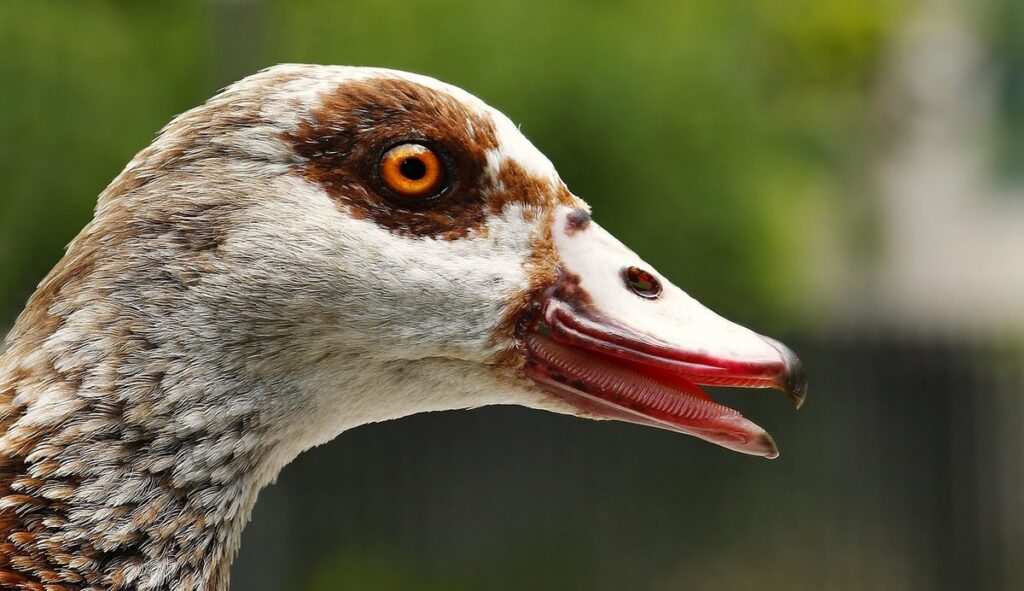
The Natural Habitat of Ducks and Foxes
Ducks and foxes can be found sharing habitats in various parts of the world, often living together in delicate balance. Let’s explore where they commonly coexist.
Coexisting in Wetlands: A Look at Duck Habitats
Ducks are found in various types of wetlands, including ponds, lakes, and marshes. Ponds, often small and shallow, provide a tranquil environment for ducks to thrive. These bodies of water typically have vegetation surrounding them, offering shelter from predators like foxes. For example, the Wood Duck prefers to inhabit pond-like habitats with dense aquatic plant growth.
Lakes are another common home for duck populations. These large bodies of water often support diverse ecosystems and provide ample food sources for ducks. Many species, such as Mallards and Pekin Ducks, can be found in lake environments. Marshes, comprising wet grasslands or soft-stemmed vegetation, also serve as suitable habitats for some duck species.
Characteristics like these make these wetland types ideal for duck populations. A sufficient water supply, along with an abundance of food sources, are key factors contributing to the well-being of ducks in their natural habitats.
Fox Habitats: Exploring the Terrestrial Realm
Foxes are adaptable creatures that thrive in a variety of terrestrial environments. They can be found inhabiting forests, where their agility and stealth allow them to stalk prey through dense underbrush. In these areas, they often coexist with ducks that frequent the forest floor and edges in search of food.
Grasslands also provide an ideal habitat for foxes, who roam freely across open expanses in pursuit of small mammals and insects. These areas can be particularly challenging for foxes during periods of drought or harsh weather conditions, but their ability to burrow underground provides a safe haven from the elements.
Tundras, with their treeless expanse and harsh climate, may seem inhospitable to foxes. However, these resilient animals have adapted to this environment by developing thick coats that protect them from extreme cold and winds. In these areas, they often prey on small rodents and birds that are more susceptible to the harsh conditions.
Fox populations can be supported in all of these environments when human activities such as agriculture or urbanization do not compromise their habitat.
The Predator-Prey Relationship Between Ducks and Foxes
Ducks and foxes have a fascinating dynamic, where one is always on the hunt for the other. In this complex relationship, both species play crucial roles in maintaining their natural balance.
The Role of Foxes as Duck Predators
Foxes are notorious for their cunning hunting skills, and when it comes to ducks, they’re one of the most feared predators. These sly canines have evolved unique strategies to catch their feathered prey off guard. Their speed is unparalleled – capable of reaching up to 30 miles per hour in short bursts, making them agile hunters that can chase down unsuspecting ducks.
Foxes often stalk their duck prey, using stealth and patience to get close before making a swift attack. They’ve also been known to use clever tactics like ambushing from behind or beneath vegetation. However, it’s not just foxes that pose a threat to ducks – other aerial predators like hawks and owls are always on the lookout for an easy meal.
One of the most significant factors influencing duck-fox dynamics is habitat overlap. When duck populations congregate in large numbers, such as during migrations or breeding seasons, they become more vulnerable to fox attacks. To minimize this risk, consider creating a safe haven with secure fencing or relocating your ducks to a safer area during peak hunting periods.
Ducks that live on the ground are especially susceptible to fox attacks due to their low-vision and heightened vulnerability. In such cases, owners can take precautions like providing covered nesting boxes or strategically placing decoy birds in the surrounding area to deter potential threats.
Duck Defenses: Strategies for Evading Fox Predation
When it comes to evading fox predation, ducks have developed some clever defense strategies that are essential for their survival. One of the most effective tactics is to fly away quickly when they sense a predator nearby. This rapid escape allows them to put distance between themselves and the potential threat, giving them a higher chance of avoiding becoming prey.
Another clever trick ducks use to deter foxes is to employ their webbed feet in defense. By kicking at the fox with their powerful legs, ducks can create a loud noise that scares off the predator or even injure it if necessary. This unique adaptation not only provides protection but also demonstrates the incredible versatility of these amazing birds.
As you observe duck behavior, notice how they often gather in groups when foraging for food or resting in their habitats. This social behavior not only helps them stay safe but also allows them to keep a lookout for potential threats like foxes. By staying vigilant and working together, ducks have developed an effective defense mechanism that helps them thrive in their environments.
The Impact of Human Activities on Duck-Fox Interactions
When humans disrupt natural habitats and introduce invasive species, it can have a profound impact on duck-fox interactions, altering their behavior and relationships in surprising ways. Let’s explore this fascinating dynamic further.
Habitat Loss and Fragmentation: A Threat to Both Species
As we explore the intricate relationship between ducks and foxes, it’s essential to acknowledge the significant impact of human activities on their habitats. Deforestation, urbanization, and agriculture have led to widespread habitat loss and fragmentation for both species. This phenomenon is particularly concerning for duck-fox interactions, as these changes disrupt the delicate balance between predators and prey.
The consequences of habitat destruction are far-reaching. For ducks, reduced access to food sources, breeding grounds, and migration routes can lead to population decline or even local extinctions. Foxes, on the other hand, face increased competition for resources and may be forced to adapt their hunting strategies, potentially leading to conflicts with humans.
Urbanization has a similar effect, as natural habitats are converted into developed areas, leaving both ducks and foxes without suitable environments. For example, in the UK, urban expansion has led to a significant decline in waterfowl populations, while foxes have begun to venture closer to human settlements in search of food. By recognizing these threats, we can take steps to mitigate their impact on duck-fox interactions, preserving the fascinating relationship between these two species for generations to come.
Incorporating green spaces and wildlife corridors into urban planning can help reduce habitat fragmentation and provide connectivity between natural areas. Supporting conservation efforts and sustainable land-use practices can also contribute to preserving habitats and promoting coexistence between humans and wildlife.
Conflict Between Hunting and Conservation Efforts
When it comes to ducks and foxes, there’s another layer of complexity at play: human activities. Specifically, conflict arises between hunting regulations and conservation efforts aimed at protecting duck populations.
On one hand, some argue that regulated hunting is necessary for maintaining healthy duck populations. By controlling the number of hunters and establishing bag limits, wildlife managers can ensure that ducks remain abundant while also providing recreational opportunities for humans. For instance, in places like Canada’s Prairie Pothole Region, waterfowl hunting brings in significant revenue for local economies.
However, conservation efforts often clash with these hunting regulations. Many species of ducks are vulnerable to overhunting, which can lead to population declines and even extirpation in some areas. This is particularly concerning when it comes to fox populations, as they rely on ducks as a primary food source. In response, many organizations advocate for stricter hunting regulations or the implementation of no-hunting zones to safeguard duck populations.
The delicate balance between human activities and wildlife conservation highlights the importance of responsible management practices. As we navigate these complex relationships, it’s essential to prioritize evidence-based decision-making that balances ecological needs with human interests. By doing so, we can work towards a more harmonious coexistence between ducks, foxes, and their human stewards.
The Role of Evolution in Shaping Duck-Fox Interactions
As you’ve learned so far, the dynamic between ducks and foxes is influenced by a variety of factors. Let’s explore how evolution has shaped their interactions over time.
Adaptation and Coevolution: A Historical Perspective
As we’ve seen throughout this post, ducks and foxes have developed complex relationships over time. But have you ever wondered how these interactions came to be? To understand the fascinating dynamics between these two species, let’s take a step back into history.
The process of coevolution is crucial in shaping predator-prey relationships. Coevolution occurs when both species adapt to each other’s behaviors and traits, driving them to evolve new strategies for survival. In the case of ducks and foxes, this has led to some remarkable adaptations.
For example, ducks have developed a keen sense of hearing to detect approaching foxes, while also honing their flight skills to escape predation. Foxes, on the other hand, have refined their hunting tactics to catch ducks off guard, often using stealth and ambush techniques. These coevolutionary changes demonstrate how both species have adapted to each other’s strengths and weaknesses.
This intricate dance of predator-prey relationships highlights the importance of coevolution in shaping these interactions. By understanding how ducks and foxes have evolved over time, we can gain valuable insights into the complex dynamics at play between these two fascinating species.
The Future of Duck-Fox Interactions: Will Evolution Keep Pace?
As we delve into the future of duck-fox interactions, it’s essential to consider whether evolution will keep pace with the changing dynamics between these two species. Let’s face it: ducks and foxes have been locked in a delicate dance for centuries, each playing their part in the ecosystem. But what happens when environmental pressures intensify, or new predators emerge on the scene? Will our feathered friends adapt quickly enough to stay ahead of the cunning fox?
Evolution is an ongoing process, and it’s intriguing to speculate about how ducks and foxes will continue to evolve in response to each other. For instance, some duck species might develop stronger defensive mechanisms, such as more aggressive behavior or enhanced alarm calls, while others may become even more elusive. On the other hand, foxes might adapt by becoming more skilled hunters, using their cunning and agility to outmaneuver ducks in increasingly complex environments.
One thing is certain: both species will continue to evolve in response to each other’s presence. The question remains whether this evolution will occur quickly enough to maintain a balance in the ecosystem. As we watch the future unfold, one thing is clear: the fascinating relationship between ducks and foxes will remain an ongoing saga of adaptation and survival.
Cultural Significance of Ducks and Foxes
Let’s dive into why ducks and foxes have such a special place in human culture, from art to literature. These iconic animals have captured our imagination for centuries.
Symbolism and Representation in Art and Literature
In art, literature, and mythology, ducks and foxes have been imbued with symbolic meanings that transcend their real-life roles. These animals have captivated human imagination across cultures, reflecting our deep connection to nature and the world around us.
Ducks, often depicted as gentle and serene creatures, symbolize fertility, abundance, and new life in many cultures. In Chinese art, for instance, ducks are associated with good fortune and prosperity. In contrast, foxes have been represented as cunning, sly, and powerful beings, embodying traits like adaptability, resilience, and cleverness. In Japanese folklore, the kitsune – a mythical fox spirit – is revered for its wisdom and magical powers.
These symbolic representations are not limited to art and literature; they also influence cultural icons and archetypes. For example, the character of The Fox in Antoine de Saint-Exupéry’s “The Little Prince” exemplifies the cunning and intelligence often attributed to foxes. By exploring these symbols and representations, we can gain a deeper understanding of our relationship with nature and the world around us.
To appreciate the cultural significance of ducks and foxes, try paying attention to their presence in your favorite stories, films, or artworks. Observe how they are portrayed and what values or traits they embody. This can be a fascinating exercise in self-discovery and appreciation for the symbolic language of art and literature.
Conservation Efforts: Engaging Communities and Promoting Coexistence
As we explore the intricate relationship between ducks and foxes, it’s essential to acknowledge the critical role that conservation efforts play in preserving their habitats. Engaging local communities is a vital component of these initiatives, as it not only raises awareness about coexisting with these species but also fosters empathy and understanding.
One notable example is the “Living with Foxes” program initiated by wildlife organizations in rural areas. This program educates residents on effective deterrent methods to minimize fox predation on domestic duck populations, while also promoting measures to prevent conflicts between humans and foxes. By sharing knowledge and expertise, these initiatives have resulted in significant reductions in fox attacks.
Community-led conservation efforts can be replicated in various regions by:
• Establishing education centers or wildlife hotlines where residents can seek advice on coexisting with ducks and foxes
• Implementing community-based monitoring programs to track population dynamics and habitat health
• Organizing workshops and cultural events that promote appreciation for these species’ ecological roles
By empowering local communities, we can effectively conserve the habitats of both ducks and foxes, ensuring their continued existence in harmony.
Conclusion: The Complex Interplay Between Ducks and Foxes
In conclusion, the relationship between ducks and foxes is far more complex than we initially think. As we’ve explored throughout this post, these two species have been locked in a delicate dance for centuries, with each playing a crucial role in the other’s survival. While foxes may see ducks as a potential meal, they also serve as an essential part of their ecosystem, helping to control duck populations and maintain balance. This interplay highlights the intricate web of relationships within our natural world. By understanding this dynamic, we can better appreciate the beauty and resilience of these two species coexisting in harmony.
As you watch ducks and foxes interact on your next outdoor adventure, remember that each encounter is a testament to their remarkable adaptability.
Frequently Asked Questions
Can ducks and foxes coexist peacefully in the same ecosystem?
Yes, in some areas, a delicate balance between duck and fox populations allows them to share habitats without major conflicts. However, this is largely dependent on factors like habitat size, vegetation density, and the availability of food resources.
How do human activities like habitat destruction impact duck-fox interactions?
Habitat loss and fragmentation significantly disrupt the natural dynamics between ducks and foxes. As wetlands shrink or become isolated, both species may struggle to adapt, leading to increased competition for resources and potentially altering predator-prey relationships.
Are there any specific adaptations that allow certain duck species to evade fox predation more effectively?
Some duck species have developed unique defense strategies to avoid fox predation. For example, the Wood Duck’s camouflage plumage and ability to dive quickly into vegetation can help protect it from fox attacks. However, these adaptations may not be effective in all environments or against all fox populations.
Can conservation efforts successfully balance hunting regulations with protecting duck-fox habitats?
Yes, implementing sustainable hunting practices, establishing protected areas, and promoting habitat restoration can help strike a balance between human activities like hunting and the preservation of duck-fox ecosystems. This requires careful management and monitoring to ensure that both species continue to thrive.
What are some potential cultural or symbolic implications for the representation of ducks and foxes in art and literature?
Ducks and foxes often hold significant symbolic meanings across various cultures, from representing good luck (ducks) to cunning intelligence (foxes). Artists and writers frequently draw inspiration from these associations when depicting the two species, reflecting their unique place within human imagination and cultural heritage.