
When you think of ducks, you might picture the iconic female duck with her vibrant feathers and endearing quacks. But have you ever stopped to consider the male counterpart? Known as drakes, these fascinating creatures play a vital role in the ecosystem and are just as captivating as their female counterparts.
Male ducks, or drakes, exhibit unique characteristics that set them apart from females. From their distinctive plumage and calls to their behavior in different environments, there’s much to learn about these intriguing birds. Unfortunately, drakes face various health issues and threats to their populations, making conservation efforts essential for their long-term sustainability.
In this article, we’ll delve into the world of drakes, exploring their characteristics, behaviors, health concerns, and conservation initiatives. Whether you’re a seasoned bird enthusiast or simply curious about these amazing creatures, keep reading to discover why male ducks are just as fascinating as their female counterparts.
What is a Drake?
So, you’re curious about drakes and want to know what makes one a true male duck. In this section, we’ll explore the characteristics that define these charming waterfowl.
Characteristics of Male Ducks
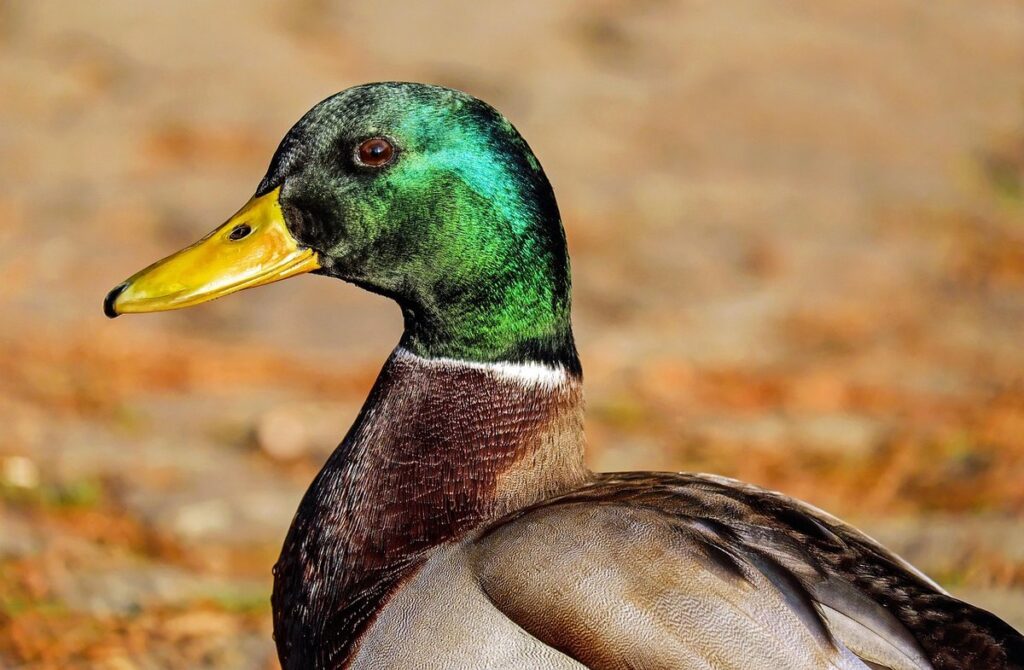
When it comes to identifying male ducks, also known as drakes, several physical characteristics set them apart from females. One of the most noticeable differences is their plumage. Drakes have vibrant and colorful feathers, which can range from iridescent blues and greens to rich yellows and oranges. These striking colors are particularly pronounced on the head, neck, and breast area.
In addition to their stunning plumage, drakes also tend to have a more defined beak shape than females. Their beaks are typically stronger and thicker, with a slight curve that gives them a distinctive appearance. This is particularly noticeable in species such as the Wood Duck and Merganser, where the males’ beaks can appear almost knife-like.
Drakes are also generally larger than female ducks, with longer necks and legs. On average, they can grow up to 1-2 pounds heavier than their female counterparts, although this can vary depending on the specific species. By paying attention to these physical characteristics, you can easily identify a male duck in your local park or backyard.
Behavior of Drakes
Drakes are known for their distinctive behavior, which is shaped by their natural instincts and mating habits. When it comes to finding a mate, drakes can be quite aggressive and competitive, often engaging in fierce battles with other males to establish dominance. This territorial behavior is especially evident during the breeding season when females are present.
In addition to defending their territory, drakes also engage in elaborate courtship displays to impress potential mates. These displays may include intricate plumage arrangements, posturing, and even vocalizations such as quacking or whistling. For example, some species of drakes will perform a “dabbing” display, where they raise their wings and tail feathers while bobbing up and down.
When it comes to social interactions with other waterfowl, drakes tend to be quite assertive. They often form small bachelor groups, but may also clash with older or more dominant males. As such, drakes require a safe and secure environment where they can establish their dominance without fear of aggression from other birds.
Types of Male Ducks: Species and Classification
Let’s dive into the fascinating world of male duck species, where you’ll discover the main types of drakes, including the Mallard, Pekin, and Wood Duck. We’ll break down their characteristics and classification.
Domesticated Drake Breeds
Domesticated drake breeds make great pets for backyard enthusiasts and small-scale farmers alike. One of the most popular domesticated breeds is the Khaki Campbell Drake, known for its high egg production and friendly demeanor. These ducks are ideal for farm keepers looking to raise a flock with minimal space.
Other notable breeds include the Call Duck and the Wood Duck. The Call Duck is prized for its unique appearance and affectionate nature, making it a great choice for families with children. The Wood Duck, on the other hand, boasts stunning plumage and a strong flying ability, making it perfect for those who want to train their drake for flight.
When choosing a domesticated breed, consider factors such as egg production, noise level, and space requirements. For example, if you live in a small yard with noise restrictions, the Muscovy Drake might be a better fit due to its quiet nature. Ultimately, selecting the right breed depends on your specific needs and preferences. Research and choose a breed that suits your lifestyle for a harmonious and enjoyable duck-keeping experience.
Wild Duck Species
Wild duck species can be found on every continent except Antarctica, with over 120 different species recognized globally. In North America alone, there are 13 species of wild ducks, including the Mallard, Wood Duck, and Northern Pintail.
When it comes to habitats, wild duck species can thrive in a variety of environments, from wetlands and marshes to rivers and agricultural fields. For example, the American Wigeon prefers coastal areas with shallow water, while the Harlequin Duck is found in fast-moving mountain streams. Understanding the specific habitat requirements for each species is crucial for conservation efforts.
In terms of diet, wild duck species are primarily herbivores, feeding on aquatic plants, grains, and insects. However, some species, such as the Merganser, also eat fish and crustaceans. The availability of food sources can impact population numbers, making conservation efforts even more complex. Conservation statuses vary among species, with some, like the Wood Duck, considered threatened due to habitat loss and hunting.
If you’re interested in attracting wild duck species to your area, consider creating a diverse and naturalistic wetland environment with native plants and a source of water. By doing so, you can support local populations and contribute to their conservation.
Drake Behavior in Different Environments
As you observe drakes in their natural habitats, you’ll notice how their behavior adapts to different environments, from serene ponds to bustling city parks. Let’s take a closer look at these changes.
Urban vs. Rural Drakes
When it comes to drake behavior, their surroundings play a significant role in shaping their habits. Drakes living in urban environments have adapted to human-altered landscapes in unique ways. For instance, they tend to be more aggressive and territorial due to the lack of natural predators and competition for resources. This is because they’ve learned to rely on humans for food and shelter, which can lead to a dependence on handouts.
In contrast, rural drakes have developed different strategies to survive. They often form large flocks and follow traditional migration patterns to find food and suitable habitats. This social behavior helps them avoid predators and increase their chances of finding mates. Urban drakes, on the other hand, tend to be solitary due to the scarcity of available resources.
Interestingly, urban drakes have also been observed engaging in peculiar behaviors such as “drake dancing,” where they’ll perform elaborate displays to attract attention from humans. While this might seem entertaining, it’s essential for drake owners and enthusiasts to understand these adaptations and provide suitable habitats that cater to their specific needs. By doing so, we can promote healthy and well-adjusted drakes in both urban and rural environments.
Drakes in Captivity: Care and Housing
Caring for drakes in captivity requires attention to their specific needs and preferences. When it comes to enclosures, a minimum size of 2x4x4 feet (60x120x120 cm) is recommended, with a secure top to prevent escape attempts. The enclosure should be well-ventilated, dry, and protected from extreme weather conditions.
Drakes are natural foragers and require a varied diet that includes high-quality commercial duck pellets as the main staple, supplemented with fresh fruits, vegetables, and leafy greens. They also benefit from access to a pond or pool of water for swimming and exercise. In terms of feeding practices, it’s essential to provide a calcium supplement to support strong bone growth, particularly during breeding season.
Health considerations are crucial when caring for drakes in captivity. Regular checks for signs of respiratory issues, such as labored breathing or wheezing, should be conducted, especially in areas with poor air quality. Keep an eye out for feather pecking and cannibalism, which can occur if the enclosure is too small or lacks adequate enrichment activities.
A balanced environment that meets a drake’s physical and psychological needs will go a long way in ensuring their overall well-being and happiness in captivity. With proper care and attention to detail, you’ll be able to create a thriving habitat for your feathered friend.
Health Issues Affecting Male Ducks
Male ducks, also known as drakes, are susceptible to various health issues that can impact their quality of life and longevity. In this section, we’ll explore some common health problems affecting male ducks.
Common Diseases and Parasites
Male ducks, commonly referred to as drakes, are prone to various health issues that can affect their overall well-being. Respiratory infections are a common problem, often caused by viral and bacterial pathogens such as avian influenza and E. coli. These infections can lead to symptoms like labored breathing, sneezing, and coughing.
Parasites are another significant concern for drakes. External parasites like mites, lice, and fleas can cause discomfort, skin irritation, and anemia, while internal parasites such as worms and protozoa can lead to weight loss, lethargy, and impaired immune function. Regular cleaning of the duck’s enclosure, proper ventilation, and maintaining a clean water supply are crucial in preventing parasitic infestations.
Nutritional deficiencies can also affect drakes, particularly if they’re not receiving a balanced diet. A lack of essential vitamins and minerals like vitamin D3, calcium, and phosphorus can lead to issues such as soft eggshell, weak bones, and impaired immune function. It’s essential for duck owners to provide a varied diet that includes fresh fruits, vegetables, and commercial duck feed.
Adequate veterinary care is crucial in addressing these health issues promptly. Regular check-ups with a qualified avian veterinarian can help identify potential problems early on, ensuring your drake stays healthy and thriving.
Prevention and Treatment of Drake Health Problems
Preventing and treating health issues is crucial to maintaining the well-being of drakes. One of the most effective ways to prevent diseases in ducks is through vaccination. Ensure that your drake receives a series of vaccinations, starting from day-old chicks up to adulthood. Consult with a veterinarian to determine the best vaccination schedule for your duck.
Quarantine procedures are also essential in preventing the spread of diseases. If you notice any unusual behavior or signs of illness in your drake, isolate it immediately and consult a veterinarian. A quarantine area should be set up with separate feeding and water containers to prevent cross-contamination.
Some common health issues affecting drakes include respiratory infections, parasites, and vitamin deficiencies. To treat these conditions, provide a balanced diet rich in nutrients and ensure access to clean water and adequate living space. Regular monitoring of your drake’s behavior and physical condition can help detect potential problems early on, allowing for timely intervention and treatment.
Some essential tips to keep in mind include:
* Providing a dust bath area to help remove parasites from the feathers
* Offering fresh vegetables and fruits daily to prevent vitamin deficiencies
* Monitoring water quality regularly to ensure it remains clean and free of contaminants
Breeding and Conservation Efforts for Drakes
We’re going to dive into the important work of breeding and conservation efforts specifically designed to protect and preserve drake populations, ensuring their survival for generations to come. This crucial effort requires collaboration between experts and enthusiasts alike.
Importance of Preserving Genetic Diversity
Preserving genetic diversity is crucial for ensuring the long-term sustainability of drake populations. When breeding programs focus solely on desirable traits, they can inadvertently reduce genetic diversity, making the population more vulnerable to disease and environmental changes. A loss of genetic diversity can lead to a phenomenon known as “genetic drift,” where random events significantly alter the gene pool.
In drakes, this can manifest in reduced fertility, increased susceptibility to diseases, or even extinction. To mitigate this risk, breeders should incorporate genetically diverse individuals into their programs. One way to do this is by introducing new bloodlines from different geographical regions or through selective breeding that incorporates rare genetic traits.
For example, the Muscovy drake has a unique genetic makeup that makes it resistant to certain diseases prevalent in other duck populations. By incorporating these genetics into breeding programs, breeders can create healthier and more resilient flocks. This not only ensures the continuation of the species but also helps maintain its adaptability in diverse environments.
Conservation Programs and Organizations Supporting Drake Populations
Drake populations face numerous threats to their survival, from habitat loss and degradation to hunting and climate change. To combat these challenges, various conservation programs and organizations have stepped up to protect and restore drake habitats worldwide.
One notable example is the Wetlands International organization, which works tirelessly to conserve and restore wetland ecosystems that are crucial for drakes’ survival. Through initiatives such as habitat restoration, waterfowl research, and advocacy, Wetlands International aims to preserve the delicate balance of these ecosystems.
The Wildfowl & Wetlands Trust (WWT) is another prominent organization dedicated to protecting duck populations, including drakes. The WWT has launched numerous projects focused on habitat restoration, research, and conservation breeding programs. Their innovative approaches have helped to reintroduce species such as the White-headed Duck into areas where they were previously extinct.
If you’re interested in contributing to drake conservation efforts, consider supporting organizations like these through donations or volunteering opportunities. You can also make a difference by spreading awareness about the importance of protecting wetland habitats and advocating for policies that safeguard duck populations. By working together, we can ensure the long-term survival of these magnificent creatures.
Frequently Asked Questions
How can I identify a drake in the wild, especially when it’s not breeding season?
Identifying a drake outside of breeding season might be challenging due to their duller plumage. Look for characteristics like a distinctive call, larger size compared to females, and a more prominent knob on the bill (in some species). Observe their behavior; drakes are generally more aggressive and territorial than females.
What are some common health issues affecting domesticated drake breeds?
Domesticated drakes can be prone to diseases such as avian pneumonia and respiratory infections due to overcrowding and poor ventilation. Regular veterinary check-ups, maintaining clean living conditions, and ensuring proper nutrition can help prevent these issues. Keeping a diverse duck population with access to outdoor space can also mitigate health problems.
How do I create a suitable environment for drakes in captivity, especially considering their natural habitat?
When keeping drakes in captivity, mimic their natural habitat as closely as possible by providing access to water, adequate space for swimming and foraging, and a balanced diet. Incorporate native plants and shelter areas to reduce stress and encourage natural behavior.
Can I keep multiple male ducks together without causing aggression issues?
While it’s technically possible to keep multiple drakes together, doing so can lead to aggressive behavior due to dominance hierarchies. To minimize conflict, ensure there are no dominant individuals present, provide an abundance of space and resources, and consider separating them during mating season.
How can I contribute to drake conservation efforts if I’m not a professional wildlife expert?
Supporting conservation programs through donations or volunteering your time is essential for preserving drake populations. You can also participate in citizen science initiatives by reporting duck sightings and providing data on local waterfowl populations. These actions collectively help conservation efforts.