
Raising healthy goslings requires more than just providing food and shelter. Geese brooding, which is the process of incubating eggs and caring for newborns, is a critical phase that demands attention to detail and a deep understanding of geese behavior. As a goose owner, you want to ensure your babies thrive and grow into robust birds. But where do you start? In this comprehensive guide on geese brooding, we’ll walk you through the ideal nesting conditions for goslings, discuss their nutritional needs at every stage of development, and provide expert tips on managing aggression in young geese. By following our advice, you’ll be well-equipped to care for your new additions and set them up for a long, happy life on your farm or backyard.
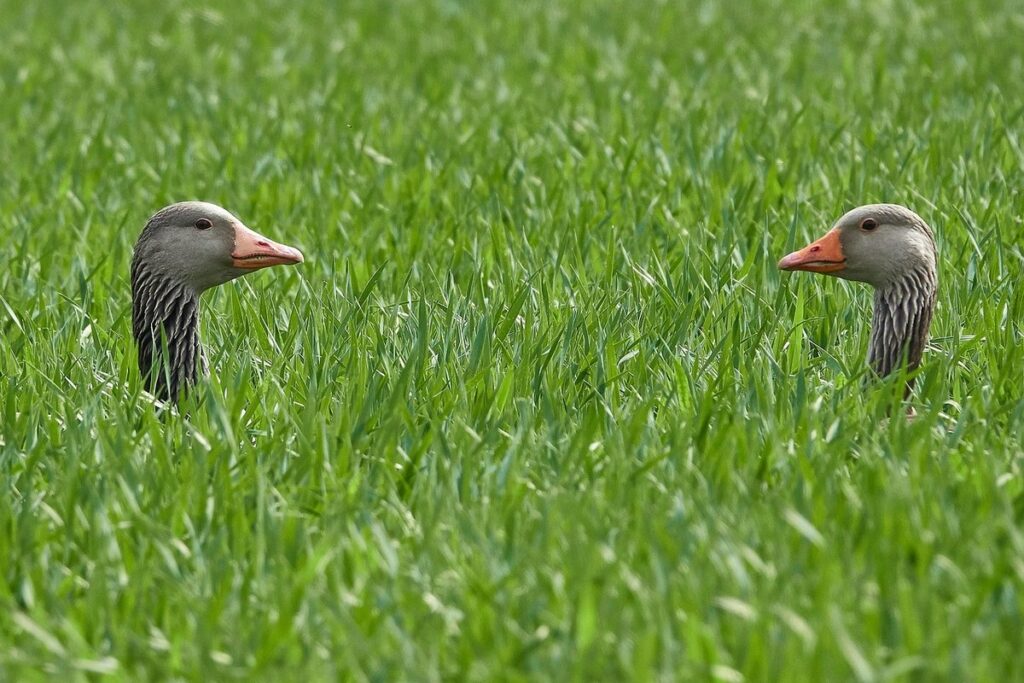
Understanding Goose Parenting and Brooding Behavior
So, you’re curious about what happens when a momma goose takes on the role of raising her adorable goslings. Let’s dive into the fascinating world of goose parenting and brooding behavior.
What is Brooding in Geese?
When it comes to understanding goose parenting and brooding behavior, one of the most fascinating aspects is their instinctual desire to incubate eggs and protect their young. This natural instinct is known as brooding, and it’s a crucial part of the geese’s reproductive cycle.
During brooding, geese will carefully sit on their eggs, keeping them warm and safe from harm. They will also fiercely defend their territory against potential predators, using loud honking calls to alert other geese to any threats. This behavior is not just limited to protecting their own goslings; a mother goose will often adopt orphaned goslings or even those from neighboring nests, showing remarkable empathy and nurturing instincts.
As a responsible goose breeder or owner, it’s essential to provide your female geese with a safe and conducive environment for brooding. This includes a warm, draft-free enclosure, adequate food, water, and shelter. By understanding and supporting this natural behavior, you can help ensure the health and well-being of both your goslings and adult geese.
Recognizing Signs of Broodiness in Female Geese
As you observe your female goose‘s behavior, it’s essential to recognize the signs of broodiness. This is a critical period where she prepares to incubate her eggs and raise her goslings. When a female goose enters her broody phase, physical changes begin to occur.
You’ll notice that her body temperature drops slightly, making her more comfortable with cold temperatures. Her behavior becomes more sedentary, and she may lose interest in activities like swimming or foraging. She may also develop a distinctive “brood patch” on her belly, which is a bare area of skin used to absorb heat from the eggs.
Behavioral changes are just as telling. A brooding female goose will often pace back and forth between her nesting site and food source, collecting materials like grasses or twigs to line her nest. She may also growl or hiss at you if she feels threatened or senses potential predators approaching her nest. If you notice these signs in your female goose, it’s likely she’s entering her broody phase. Keep a close eye on her behavior and provide a safe, distraction-free environment for her to care for her eggs.
Importance of Proper Nesting and Brooding Conditions
Creating an ideal environment for brooding is crucial for the health and well-being of goslings. When it comes to nesting materials, a warm, dry place with adequate ventilation is essential. Use soft, insulating materials like straw or hay to line the nest, keeping it clean and free from drafts. A temperature range between 90°F and 100°F (32°C to 38°C) is ideal for brooding. You can achieve this by placing a heat lamp or heat source near the nest.
It’s also essential to provide a safe location for the goslings to grow and develop. Choose a quiet, draft-free area that’s protected from strong winds and predators. Avoid areas with direct sunlight, as this can cause overheating. When selecting a brooding location, consider factors like accessibility for feeding and monitoring, as well as easy cleaning and maintenance.
Remember, providing the right environment is crucial for goslings to thrive during their early stages of development.
The Brooding Process: Egg Incubation and Hatching
The moment of truth arrives when your geese eggs finally hatch, but before that, they need a safe and warm environment to incubate. In this section, we’ll walk you through the egg incubation process and hatching stages.
Stages of Embryonic Development in Goose Eggs
As you carefully monitor the incubation process, it’s essential to understand the remarkable journey of embryonic development within the goose egg. The process begins at fertilization, where a single sperm unites with an egg cell in the oviduct, triggering the activation of cellular division.
Within 24 hours, the embryo undergoes cleavage, dividing into multiple cells that eventually form a blastoderm – the precursor to the developing gosling. By day three, the embryoblast differentiates into the epiblast and hypoblast, which will give rise to the germ layers responsible for tissue formation.
Critical periods of growth occur between days 10-12 and 14-16, where rapid cell proliferation and differentiation take place. During this time, the embryo’s major organs begin to form, including the heart, lungs, and liver. By day 20, most of the gosling’s vital organs are functioning, and by day 24, they’re almost fully developed.
Keep in mind that minor temperature fluctuations can impact embryonic development during these critical periods, so maintaining a stable incubation environment is crucial.
Environmental Factors Affecting Embryo Growth and Survival
Temperature, humidity, and other environmental factors play a crucial role in embryo growth and survival rates during the brooding process. Geese are sensitive to temperature fluctuations, and maintaining a consistent range is essential for healthy development. The ideal incubation temperature for geese eggs is between 99°F (37°C) and 100°F (38°C), with slight variations depending on the breed.
Humidity levels also impact embryo growth, and it’s recommended to maintain a relative humidity of around 50-60%. This helps prevent moisture buildup in the egg, which can lead to mold or bacterial growth. Conversely, extremely dry conditions can cause desiccation, further jeopardizing embryo survival.
Other environmental factors, such as air quality, noise levels, and vibrations, should also be monitored to ensure a stable environment for the developing embryos. For instance, geese eggs are sensitive to loud noises and vibrations, which can cause stress and potentially harm the embryo.
To create an optimal brooding environment, it’s essential to invest in a reliable incubator or a well-ventilated, temperature-controlled area for your geese eggs. Regularly monitoring temperature, humidity, and other factors will help you identify any potential issues and take corrective action to ensure the health and survival of your goslings.
Signs of Approaching Hatching and Post-Hatching Care
As you approach the end of the incubation period, it’s essential to observe the eggs carefully for signs that hatching is imminent. Keep a close eye on the egg’s position and movement, as goslings typically pip (break through the shell) within 24 hours after the air sac has moved to the large end of the egg.
Look out for physical signs such as:
• A slight indentation or dimple in the eggshell
• Tiny cracks or breaks in the shell
• The sound of gentle peeping or chirping from inside the egg
Pay attention to behavioral cues, too. Your female goose may become increasingly restless and anxious, pacing back and forth around the nesting area or making low calls. Once hatching begins, be prepared for a lively and potentially chaotic scene.
After the goslings hatch, it’s crucial to provide them with proper care and attention. Ensure the brooder is warm (around 90°F) and draft-free, with adequate ventilation to prevent ammonia buildup from droppings. Provide a shallow pool of water for the young geese to drink from and bathe in. Keep the brooder clean by removing soiled bedding daily and providing fresh food and water at all times.
Challenges and Complications in Geese Brooding
As you care for your geese, it’s essential to be aware of the challenges that can arise during brooding, from health issues to environmental stressors. These complications can significantly impact your goslings’ growth and development.
Common Health Issues Affecting Goslings
As you care for your goslings during brooding, it’s essential to be aware of common health issues that can arise. Bacterial and viral infections are two significant concerns for young geese. For example, Pasteurella multocida is a bacteria that can cause respiratory problems in goslings. This infection can lead to symptoms such as labored breathing, loss of appetite, and lethargy.
Another bacterial infection, E. coli, can cause severe diarrhea and enteritis in goslings. As for viral infections, Marek’s disease and Avian Influenza are two notable examples that can affect your goslings’ health. It’s crucial to maintain good hygiene practices, such as keeping the brooder clean and providing a balanced diet, to minimize the risk of these infections.
Regular monitoring of your goslings’ behavior and overall condition will also help you identify potential health issues early on. Keep an eye out for any signs of illness or stress, and consult with a veterinarian if you suspect something is amiss. With vigilance and proper care, you can significantly reduce the risk of bacterial and viral infections affecting your brood.
Nutritional Needs of Growing Goslings
As goslings grow and develop, their nutritional needs change rapidly. It’s essential to provide them with a balanced diet that meets their increasing demands for protein, energy, and essential vitamins and minerals. A starter feed specifically formulated for waterfowl is the best option for young goslings. This feed should contain around 20% protein, which will support rapid growth and development.
As they grow older, you can gradually introduce a commercial goose grower or layer feed that contains around 15-18% protein. Always ensure that fresh water is available at all times, as it’s crucial for hydration and digestion. You may also consider supplementing their diet with fruits and vegetables, but make sure to introduce these new foods gradually to prevent digestive upset.
Some examples of healthy treats you can offer your growing goslings include leafy greens like kale and spinach, as well as fresh berries like strawberries and blueberries. However, avoid feeding them high-protein foods like meat or table scraps, as this can lead to an imbalance in their diet. By following these guidelines, you’ll be able to provide your growing goslings with the nutrients they need for optimal growth and development.
Managing Aggressive or Abnormal Brooding Behavior
If you notice that one of your female geese is exhibiting abnormal brooding behavior, such as aggression or excessive stress while caring for her goslings, it’s crucial to address the issue promptly. Aggressive behavior can be a sign of underlying problems, including health issues or inadequate nutrition.
Some common signs of aggressive brooding include hissing, growling, and nipping at her own feathers or the goslings’ wings. She may also become overly protective, chasing anyone who approaches her nesting site.
To manage abnormal brooding behavior, ensure that your female geese have access to a balanced diet rich in protein, calcium, and vitamins. A deficiency in these nutrients can lead to aggression and stress. Also, monitor their health closely for any signs of illness or injury. Provide them with a safe and quiet space to nest and raise their young.
If the behavior persists, separate the aggressive female from her goslings temporarily until you can resolve the issue. This will help prevent injury to both the mother and the babies.
Tips for Successful Geese Rearing
As you prepare to welcome your new goslings into the world, here are some essential tips for ensuring their health and well-being from day one. Let’s dive into the must-knows of geese rearing.
Creating a Safe and Healthy Environment for Goslings
When it comes to raising healthy goslings, creating a safe and healthy environment is crucial for their development. A well-designed brooder will provide the necessary space, ventilation, and protection from predators for your young geese.
First, consider the size of the brooder. Goslings need room to move around and exercise, so ensure that the enclosure is at least 2-3 feet wide and 4-6 feet long. Next, think about lighting. Geese require a photoperiod of at least 14 hours of light per day, which can be achieved with specialized lighting systems or natural light from south-facing windows.
It’s also essential to provide your goslings with a heat source, as they are sensitive to cold temperatures. A heat lamp or ceramic heat emitter will help maintain a comfortable temperature range between 90-100°F (32-38°C) for the first week. Be sure to monitor the temperature closely and adjust as needed.
In terms of feeding, provide your goslings with starter feed that is specifically formulated for waterfowl. This will ensure they receive all the necessary nutrients for growth and development. Consider placing shallow feeders and waterers within easy reach of the brooder to prevent stress and encourage socialization among the young geese.
Building Trust with Your Goose Parents
Building trust with your goose parents is crucial during brooding, as it will significantly impact their ability to care for and protect their goslings. When geese feel secure and comfortable around humans, they are more likely to become devoted parents and take on the responsibilities of caring for their young.
To establish this bond, start by getting to know your goose parents’ personalities and habits. Observe how they interact with each other and with you, taking note of any preferences or quirks. For example, some geese may be more receptive to interaction during feeding time, while others may prefer a quieter approach.
Once you have a sense of their individual needs, begin to build trust by offering gentle, consistent care. This can include regular handling, grooming, and providing a calm environment for them to relax in. Gradually increase your interactions over time, allowing the geese to become accustomed to your presence around their goslings.
Preventing Common Mistakes in Geese Rearing
As you embark on the journey of rearing geese, it’s essential to be aware of common mistakes that can hinder their growth and health. Experienced breeders have shared valuable lessons learned from trial and error, which we’ll outline below.
One critical mistake is over-handling goslings, leading to stress and increased susceptibility to disease. Gentle handling is crucial, but excessive interaction can compromise the delicate immune system of young geese. To avoid this, limit human interaction to essential tasks like feeding and weighing.
Another common pitfall is inadequate nutrition. Geese have specific dietary needs that must be met during the brooding stage. Failing to provide a balanced diet rich in protein, vitamins, and minerals can lead to stunted growth and reduced egg production later in life.
Similarly, neglecting biosecurity measures can expose goslings to diseases like avian cholera and blackhead disease. Keep your rearing area clean, disinfect regularly, and isolate new additions to prevent cross-contamination.
By being mindful of these common mistakes, you’ll set yourself up for success and raise healthy, thriving geese that bring joy and companionship to your life.
Frequently Asked Questions
How do I know if my geese are getting enough rest during brooding?
Rest is essential for goslings, especially during the early stages of development. Make sure their nesting area is quiet and sheltered from strong winds or extreme temperatures. Also, ensure they have access to fresh water at all times. A general rule of thumb is to provide a shallow dish filled with about 1 inch of water per bird.
What should I do if my goslings are experiencing stress due to overcrowding?
Stress can negatively impact the health and growth of your goslings. If you notice signs of overcrowding, such as aggressive behavior or reduced egg production, it’s time to reassess their living space. Consider separating your geese into smaller groups or providing more nesting boxes to reduce competition.
Can I leave my geese unattended during brooding?
While some geese are more independent than others, it’s essential to provide close supervision during the brooding period. Monitor for signs of stress, injury, or illness and be prepared to intervene if necessary. Regular checks will also help you identify any potential health issues early on.
How often should I clean my geese’s nesting area?
Regular cleaning is crucial to maintain a healthy environment for your goslings. Remove soiled bedding material at least once a week, and disinfect the nesting boxes with a mild solution of soap and water. This will help prevent the spread of disease and keep your goslings safe.
What are some common mistakes I should avoid when managing aggressive brooding behavior?
Aggressive brooding can be challenging to manage, but there are steps you can take to mitigate it. Avoid separating parents from their goslings too early or suddenly introducing new birds into the flock. Also, keep an eye out for signs of injury or stress in your geese and address any issues promptly.
Are there specific vaccinations I should give my goslings during brooding?
While vaccines are essential for maintaining your geese’s health, it’s crucial to follow a proper vaccination schedule. Consult with a veterinarian experienced in poultry care to determine the best course of action for your flock based on their age and overall health status.
What should I do if I notice any signs of illness or injury in my goslings?
Early detection is key when it comes to addressing illnesses or injuries in your geese. Keep a close eye on their behavior, appetite, and stool quality, and seek veterinary advice immediately if you notice anything unusual. A prompt response can significantly improve the chances of successful treatment.
Can I use any type of bedding material for my geese’s nesting area?
Not all bedding materials are created equal when it comes to caring for your goslings. Avoid using pine shavings or cedar chips, as they can be toxic to birds. Opt instead for safe alternatives like straw or grass mats, which provide excellent insulation and support the natural behaviors of your geese.
How long should I keep my brooding setup in place?
The length of time you’ll need to maintain a brooding setup will depend on various factors, including your flock size and age. Generally speaking, you can remove the nest boxes once the goslings reach about 2-3 weeks old, at which point they’re usually strong enough to begin exploring their surroundings.
Can I use any type of nesting box for my geese?
The design and layout of your nesting boxes play a significant role in maintaining healthy brooding practices. Choose boxes that provide adequate space (about 1 square foot per bird) and are easy to clean. Consider adding perches or roosts above the nests to help prevent escape attempts.
What are some essential items I should have on hand when caring for my goslings?
When it comes to successfully raising healthy goslings, preparation is key. Make sure you have a well-stocked first-aid kit for your geese, including supplies like bandages, antibiotic ointments, and tweezers for gently examining them.
What’s the average growth rate of goslings during brooding?
Growth rates can vary depending on several factors, such as genetics, nutrition, and environmental conditions. On average, you can expect your goslings to grow around 1-2 ounces per day during their first few weeks of life.