
Geese may seem like formidable birds, but they have their own set of predators that play a crucial role in maintaining the balance of nature. From large mammals to birds of prey, marine mammals, reptiles, and even human factors like hunting regulations and habitat destruction, geese face numerous threats in their natural habitats. In this article, we’ll delve into the fascinating world of geese predators and explore how conservation efforts are working to protect goose habitats from these dangers. We’ll examine the various species that prey on geese, including polar bears, wolves, eagles, and more. By understanding these predator-prey relationships, we can gain a deeper appreciation for the complex ecosystems in which geese live.
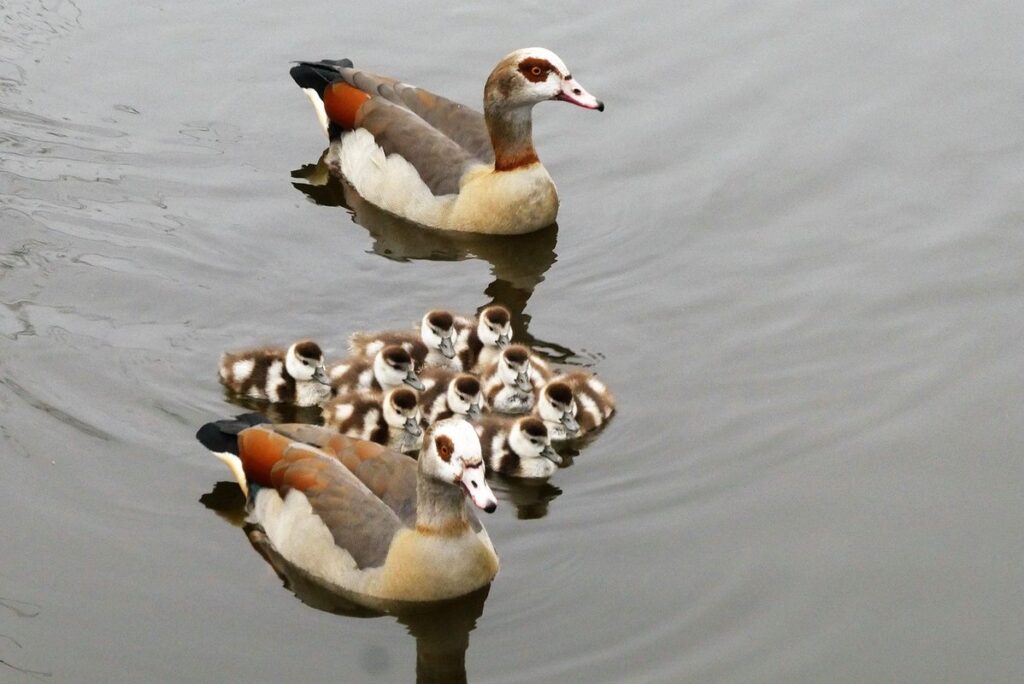
Understanding Goose Behavior and Habitat
To truly understand why geese are targeted by predators, it’s essential to grasp their natural behavior and habitat preferences. Let’s delve into what makes these birds tick.
Goose Migration Patterns
When it comes to geese migration patterns, it’s fascinating to learn about their incredible journeys. These birds travel in massive flocks, often numbering in the tens of thousands, and can cover vast distances each year. For example, the Canada goose migrates from its breeding grounds in the Arctic tundra to its wintering grounds in the southern United States and Mexico, a journey that spans over 3,000 miles.
During their migrations, geese travel through various habitats, including grasslands, wetlands, and even urban areas. They tend to follow established flyways, such as the Atlantic Flyway or the Mississippi Flyway, which provide essential stopover sites for food, rest, and refuge. Understanding these migration patterns is crucial for predicting where geese are likely to be present during different times of the year.
As you observe geese in your area, consider the time of year and their potential migration route. Keep in mind that geese tend to congregate near water sources, such as ponds or lakes, which can make them more vulnerable to predation. By recognizing these patterns, you can take steps to protect both yourself and the geese from potential threats.
Goose Social Structure
In the wild, geese are highly social creatures that live in complex societies with distinct hierarchies. Their social structure is built around family bonds, which makes them vulnerable to predators. A typical goose family consists of a monogamous pair, their offspring from previous seasons, and sometimes, adopted goslings.
Geese form long-term pair bonds that are strengthened by mutual mate guarding, where one partner watches over the other while foraging or resting. This behavior is crucial in protecting their young, as both parents take turns incubating eggs and raising their chicks. In fact, a study found that 70% of goslings fledge successfully when both parents care for them.
However, this close-knit family dynamic can also make geese more susceptible to predators like foxes, coyotes, and even humans. For example, if a predator targets one member of the group, the rest may become distracted or disoriented, making it easier for the predator to attack again. Understanding these social dynamics is essential in developing effective conservation strategies that prioritize goose family units.
Major Geese Predators
In the wild, geese have a range of natural predators that pose a significant threat to their survival. Let’s take a closer look at some of these major goose predators.
Large Mammals
When it comes to large mammals that prey on geese, three prime suspects come to mind: wolves, bears, and wild boars. These formidable creatures have evolved hunting strategies tailored specifically for their feathered quarry.
Wolves, for instance, are highly skilled and coordinated hunters that often target vulnerable goose goslings or weak adults. They employ stealthy tactics, sneaking up on their unsuspecting prey before striking with lightning speed. Bears, on the other hand, tend to focus on adult geese, often targeting them during migration periods when they’re most concentrated.
Wild boars, while not as agile as wolves or bears, are formidable predators that can inflict significant damage on goose populations. They typically target large flocks and use their brute strength to overwhelm their prey. To protect your geese from these mammalian marauders, it’s essential to maintain a safe distance between your flock and potential habitats of these predators. Regularly inspecting your property for signs of predation can also help you stay one step ahead of these natural threats.
Birds of Prey
Birds of prey play a crucial role in controlling goose populations worldwide. These aerial hunters are equipped with exceptional vision, agility, and sharp talons, making them the perfect predators to target geese. Hawks, eagles, and owls are among the most common birds of prey that prey on geese.
When it comes to attacking geese, birds of prey often employ a stealthy approach, swooping down from above or ambushing their unsuspecting victims from the side. Geese, in turn, have developed defense mechanisms to protect themselves against these aerial threats. They often form tight flocks and use their keen senses to detect potential predators, allowing them to take evasive action when necessary.
If you’re a landowner or wildlife manager looking to control goose populations, understanding the behavior of birds of prey can be invaluable. By recognizing the signs of an impending attack – such as hawks circling overhead or eagles swooping down from nearby trees – you can take proactive measures to deter geese and prevent potential attacks. Consider installing anti-roosting spikes or using noise-making devices to scare away these aerial predators, ultimately protecting your property and reducing goose-related problems.
Other Geese Predators
While we’ve focused on birds of prey so far, other geese predators lurk in the shadows, from cunning mammals to stealthy reptiles. Let’s explore these unexpected threats together.
Reptiles and Amphibians
In aquatic environments, geese are vulnerable to predation by reptiles and amphibians. Snakes, such as water snakes and king snakes, have been known to attack geese that come to drink or bask on riverbanks. These stealthy predators lie in wait, striking quickly when their prey is most relaxed.
Crocodiles and alligators also prey on geese in aquatic environments. These large reptiles ambush unsuspecting geese wading in shallow water or swimming too close to shore. Their powerful jaws can exert a deadly grip, causing massive injury or death.
It’s worth noting that this type of predation is more common in areas where these predators have adapted to coexist with geese populations. For example, in the Everglades National Park in Florida, alligators and large snakes are known to feed on geese that wander into their territory.
When managing geese in aquatic environments, it’s essential to consider these predator-prey relationships. In some cases, creating artificial barriers or altering habitat structures can help reduce encounters between geese and predators.
Marine Mammals
In coastal areas, marine mammals like orcas and seals pose a significant threat to goose populations. These predators have adapted to feed on geese, which often congregate near shorelines in search of food. Orcas, being apex predators, are known to target vulnerable geese, especially young or weak individuals. In fact, a study in the Pacific Northwest found that orcas were responsible for 80% of goose mortalities in certain areas.
Seals, on the other hand, tend to feed on eggs and chicks, exploiting their vulnerability during breeding season. A conservation effort in a UK coastal reserve reported a significant decrease in seal populations after implementing measures to protect geese nests from predation.
To mitigate this threat, wildlife managers can implement strategies such as creating artificial nesting sites for geese, using predator deterrents like fencing or netting around sensitive areas, and educating the public on responsible goose viewing practices.
Human Impact on Goose Populations
Human activities have a profound impact on goose populations, from habitat destruction and hunting regulations to pollution and climate change effects. Let’s explore how these factors shape the lives of geese in the wild.
Hunting Regulations
Hunting regulations play a significant role in managing goose populations, ensuring that these waterfowl species remain sustainable for future generations. In many countries and states, hunting seasons for geese are strictly regulated to prevent overhunting and protect vulnerable populations.
For instance, in the United States, the Federal Migratory Bird Treaty Act (MBTA) regulates goose hunting across state lines. This law sets bag limits on the number of geese an individual can hunt, typically ranging from 5-10 birds per day. Some states also impose specific permits or licenses required for hunting geese during designated seasons.
Hunting regulations are not only essential for maintaining healthy goose populations but also help manage human impact on these ecosystems. When implemented effectively, regulations ensure that hunting activities remain sustainable and do not disrupt habitats or food sources. To stay up-to-date with local regulations, hunters can consult online resources such as Fish and Wildlife Service websites or check with local game wardens.
Understanding and adhering to these regulations is crucial for responsible goose hunting. Not only does it promote conservation but also helps maintain the delicate balance between human activities and wildlife habitats.
Habitat Destruction and Pollution
Human activities have a profound impact on goose populations, and it’s essential to understand this connection. Habitat destruction and pollution are two significant factors that contribute to the decline or increase of geese populations.
Deforestation is a major concern as natural habitats like wetlands, grasslands, and forests provide vital shelter, food, and breeding grounds for geese. When these areas are cleared for urbanization, agriculture, or other human needs, geese are forced to search for alternative habitats, often leading to conflicts with humans. For instance, the loss of wetlands in North America has led to a significant decline in Canada goose populations.
Pollution is another critical issue affecting goose populations. Chemical runoff from agricultural and industrial activities can contaminate water sources, harming geese that rely on these resources for survival. Oil spills and other accidents can also have devastating effects on geese populations. In 2010, an oil spill in the Gulf of Mexico led to a significant decline in migratory bird populations, including geese.
To mitigate these effects, it’s crucial to adopt sustainable practices and reduce our environmental footprint. You can start by choosing eco-friendly products, reducing energy consumption, and supporting conservation efforts. By making conscious choices, we can help protect goose habitats and ensure the long-term survival of these magnificent creatures.
Conservation Efforts
To protect geese and their habitats, various conservation efforts are underway around the world, from wildlife refuges to habitat restoration programs. These initiatives aim to maintain a balance between geese populations and their natural predators.
Protecting Goose Habitats
Protecting and preserving geese habitats is crucial to maintaining healthy populations of these iconic birds. Wetland conservation projects are a vital part of this effort, as they provide geese with the necessary food, shelter, and breeding grounds. Organizations such as the Nature Conservancy and Ducks Unlimited have been instrumental in establishing and restoring wetlands across North America.
Wildlife reserves specifically designed for geese are another important initiative. For instance, the Bosque del Apache National Wildlife Refuge in New Mexico provides a safe haven for thousands of migratory geese each winter. Similarly, the Skagit Valley in Washington state is home to a large population of Canada Geese that rely on the area’s wetlands and grasslands.
To support these conservation efforts, you can make a difference by volunteering with local wildlife organizations or participating in citizen science projects. You can also reduce your impact on geese habitats by avoiding areas with sensitive ecosystems and keeping pets under control to prevent disturbance.
Educating the Public about Geese Predators
Educating the public about geese predators is crucial for promoting coexistence between humans and these animals. Many people view geese as pests, but they play a vital role in maintaining healthy ecosystems. By understanding their natural predators, we can appreciate the delicate balance of nature.
To raise awareness about geese predators, educational programs can be implemented in schools, community centers, and public parks. For instance, park rangers can organize guided tours to educate visitors about local wildlife, including geese predators such as coyotes, owls, and hawks. These programs can also include interactive activities like bird-watching sessions or predator-tracking exercises.
Additionally, social media campaigns can be launched to share informative content and engage the public in discussions about coexisting with geese predators. We can also collaborate with local organizations to create educational materials, such as posters, brochures, or videos, that highlight the importance of respecting these animals’ habitats and behaviors.
By educating the public about geese predators, we can foster a greater appreciation for wildlife conservation and promote peaceful coexistence between humans and nature.
Frequently Asked Questions
What are some key takeaways from understanding goose migration patterns?
Understanding goose migration patterns can help us better appreciate the complex ecosystems they inhabit. For example, knowing that Canada geese migrate over 3,000 miles each year highlights their remarkable adaptability and resilience.
Can human activities like habitat destruction and pollution directly impact goose populations?
Yes. Human activities like deforestation, urbanization, and pollution can significantly alter goose habitats and lead to population decline or even extinction. Conservation efforts often focus on protecting remaining habitats and mitigating the effects of human activity.
How do large mammals like polar bears and wolves interact with geese in their natural habitats?
In some cases, large mammals may view geese as a source of food. However, these predator-prey relationships are often complex and can be influenced by factors like habitat overlap, competition for resources, or even coexistence.
Can conservation efforts alone effectively protect goose populations from predators?
No. While conservation efforts play a crucial role in protecting goose habitats and reducing human impact, addressing the complex issue of geese predation requires a multifaceted approach that includes education, research, and community engagement.
What are some ways individuals can contribute to protecting goose habitats and promoting coexistence with other wildlife?
Individuals can make a difference by supporting organizations dedicated to conservation, spreading awareness about the importance of preserving natural habitats, and engaging in local initiatives that promote wildlife-friendly practices.