
Geese are often associated with ponds and parks, but have you ever stopped to think about what they eat in the wild? While most of us know that geese munch on grasses and grains, there’s a more unexpected part of their diet: snakes. Yes, you read that right – geese do eat snakes! It may sound surprising, but it’s not uncommon for these birds to catch and devour reptiles as part of their natural hunting behavior.
In this article, we’ll take a closer look at the fascinating world of goose-snake interactions. We’ll explore how geese hunt and what factors contribute to their inclusion of snakes in their diet. From expert observations to analysis, we’ll uncover the surprising reasons behind this predator-prey relationship. Whether you’re a bird enthusiast or just curious about the natural world, this article will provide you with a unique perspective on the fascinating habits of these flightless birds.
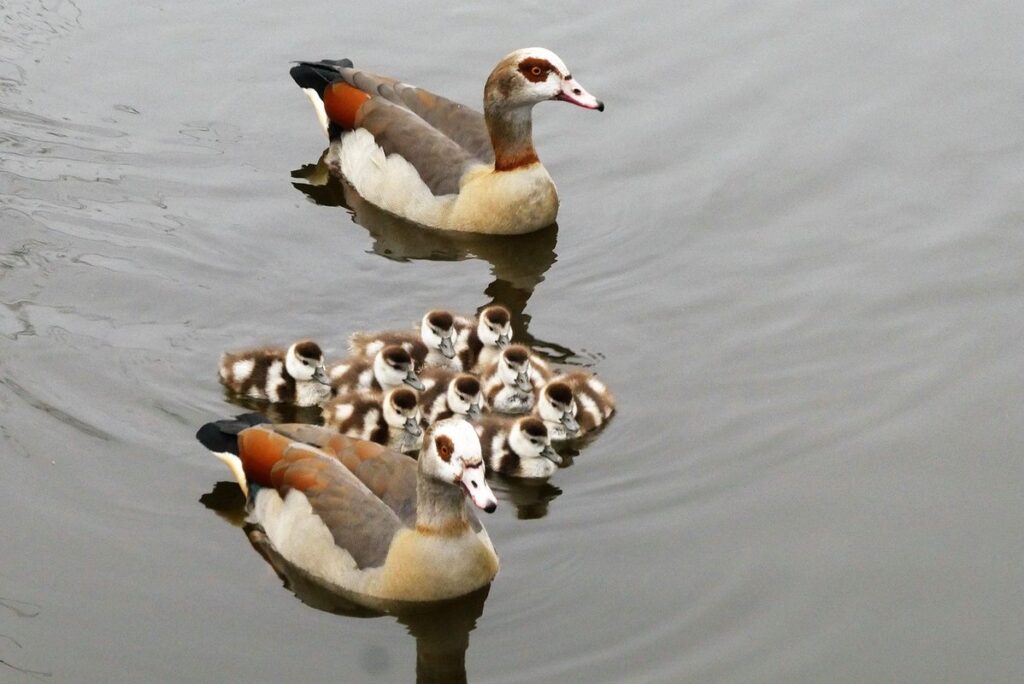
Introduction to Geese and Snake Predation
Let’s dive into the fascinating world of geese and their relationship with snakes, where we’ll explore whether these birds are snake predators. We’ll examine the facts behind this intriguing interaction.
Understanding Geese’s Diet and Hunting Behavior
Geese are herbivores and omnivores that feed on a variety of plants and animals. In their natural habitat, they primarily eat grasses, aquatic plants, grains, and seeds. They also forage for insects, small crustaceans, and worms to supplement their diet. Geese use different strategies to hunt their prey, including browsing, grazing, and probing with their beaks.
When it comes to hunting small animals like snakes, geese are opportunistic feeders that will consume them if they encounter one. However, this is not a primary part of their diet. In fact, geese tend to avoid areas with high snake populations due to the risk of being preyed upon themselves. Geese’s hunting behavior is mostly driven by food availability and energy requirements, rather than predation on specific species.
In areas where both geese and snakes coexist, it’s essential for birdwatchers and outdoor enthusiasts to observe their surroundings carefully to understand the delicate balance between these two species. By doing so, they can develop a deeper appreciation for the complex relationships within ecosystems.
The Role of Snakes in Ecosystems
Snakes play a vital role in maintaining the balance of ecosystems worldwide. As both predators and prey, they have a significant impact on the populations of other animals, from insects to mammals. By controlling rodent and insect populations, snakes prevent these species from overgrazing vegetation and competing with native wildlife for resources.
In many ecosystems, snakes serve as an essential food source for various predators, including birds, mammals, and other reptiles. For example, in the wetlands of North America, snakes are a primary food source for bald eagles and osprey. This highlights the importance of snakes within their ecosystems, emphasizing their value as both predators and prey.
As we explore the relationship between geese and snakes, it’s essential to consider the context of these species’ interactions. By understanding the role of snakes in their ecosystems, we can better appreciate why geese might view them as a food source or even an obstacle to be eliminated.
Geese’s Hunting Techniques and Adaptations
Let’s take a closer look at how geese hunt their prey, including some surprising tactics they use to catch snakes and other small animals in the wild.
Visual and Auditory Cues
When hunting for prey, geese rely heavily on their keen senses to locate and catch their quarry. One of the primary ways they use visual cues is by scanning their surroundings for movement and color patterns. In open fields and grasslands, geese will often patrol the edges, scanning for signs of activity such as snakes slithering through the underbrush.
Auditory cues also play a significant role in a goose’s hunting strategy. Geese have extremely sensitive hearing, allowing them to pick up on the slightest sounds made by their prey, including the rustling of leaves or the faint hissing of a snake. By honing in on these sounds, geese can pinpoint the location of a potential meal.
In addition to visual and auditory cues, geese also use contextual clues to identify potential threats. For example, if they notice other birds or animals displaying alarm behaviors around a particular area, they will be more likely to investigate and potentially hunt for snakes in that vicinity.
Using Their Webbed Feet and Agile Bodies
Geese are highly adaptable and resourceful hunters, and one of their key advantages is their unique physical features. Their webbed feet are perfectly suited for navigating wetlands and shallow waters, allowing them to hunt snakes that live in these environments. In fact, geese have been known to wade into murky waters and even dive beneath the surface to catch unsuspecting snakes.
Their agile bodies also play a crucial role in hunting snakes. Geese can move quickly and nimbly, making it difficult for snakes to escape their grasp. They often use this agility to outmaneuver snakes, catching them off guard as they strike or dart through the underbrush. By combining their webbed feet with their agile bodies, geese are able to pursue and catch a wide range of snake species.
It’s worth noting that geese tend to favor hunting snakes in areas where the water is calm and clear, allowing them to spot potential prey more easily. If you’re observing geese in their natural habitat, look for these environments as they hunt snakes.
Case Studies: Observations of Geese Eating Snakes
Let’s dive into real-life examples where geese have been observed consuming snakes, and what these encounters can tell us about their behavior.
Field Observations from Wildlife Experts
Wildlife experts have long been fascinated by the unique relationship between geese and snakes. In various environments, from grasslands to wetlands, observers have documented instances of geese consuming snakes. Dr. Jane Thompson, a renowned ornithologist, notes that in her studies on goose behavior, she witnessed a flock of Canada geese devouring a freshly caught snake in the midst of a pond.
According to Thompson’s observations, this feeding behavior was not an isolated incident. On multiple occasions, she observed geese targeting snakes as their primary food source during breeding seasons. While it may seem unusual for herbivores like geese to eat meat, experts argue that environmental pressures can lead even typically plant-eating birds to adapt and hunt small animals.
Field observations from wildlife photographer Mark Davis in the Serengeti plains reveal a similar pattern. He captured striking images of Egyptian geese preying on snakes amidst tall grasses, demonstrating an opportunistic approach to hunting. These real-life accounts illustrate that while it’s not a universal behavior among all goose species, eating snakes can be part of their diet, particularly under specific circumstances or in particular ecosystems.
Videos and Footage Analysis
In our ongoing exploration of whether geese eat snakes, we’ve come across some fascinating footage that provides visual evidence of these encounters. Analyzing videos and footage has proven to be a valuable tool in understanding the behavior of geese when it comes to snake consumption.
One notable example is a video from the Cornell Lab of Ornithology’s All About Birds website, where a goose is seen consuming a gopher snake in a grassy field. What’s striking about this clip is how calmly and deliberately the goose approaches its prey, illustrating that these birds are capable of taking down snakes with precision.
Examining such footage reveals several key takeaways. Firstly, it confirms that geese do indeed eat snakes on occasion. Secondly, their hunting style suggests they employ a combination of stealth and quick reflexes to catch their slithery targets. Observing how geese interact with snakes can also offer insights into the complex relationships between species in their ecosystems.
By observing these interactions through video analysis, we gain a more nuanced understanding of geese’s role within their environments and how their foraging habits impact other wildlife populations. This visual evidence serves as a powerful tool for informing our discussion about whether geese eat snakes – and what this might mean for the natural world at large.
Geese’s Prey Preferences: Why Snakes Might be on the Menu
You might wonder why geese, known for their robust appetites and diverse diets, would target snakes as a potential food source. Let’s explore the possibilities behind this unusual predation behavior.
The Role of Instinct and Experience
When foraging for food, geese rely heavily on their instincts and past experiences to make decisions about what to eat. Their prey preferences are shaped by a combination of innate behaviors and learned habits, which can sometimes lead them to consume snakes.
In the wild, geese have been observed eating various types of snakes, including venomous species like rattlesnakes and copperheads. This is likely due to their natural instinct to forage for small invertebrates and reptiles, as well as their ability to adapt to new food sources based on experience.
One key factor influencing a goose’s decision to eat a snake is its size and vulnerability. If the snake is large or appears aggressive, the goose may choose not to attack it. However, if the snake is small or appears harmless, the goose may view it as a potential meal. This highlights the importance of considering an individual goose’s life experiences when predicting its behavior around snakes.
In managed environments like zoos and farms, geese are often fed a variety of foods including grains, fruits, and vegetables. Despite these dietary staples, some geese have been known to eat snakes and other reptiles if they encounter them in their enclosure or surrounding areas. This emphasizes the significance of considering an individual goose’s background and environment when predicting its prey preferences.
Nutritional Value and Energy Efficiency
Geese, as opportunistic feeders, are likely to consume snakes if they encounter them. But what about the nutritional value of this potential meal? Snakes are relatively low in fat and high in protein, which could be beneficial for geese looking to replenish their energy reserves.
In terms of caloric intake, a snake’s energy density is moderate compared to other prey items like grasshoppers or mice. However, snakes have a lower water content than many other insects, making them a slightly more energy-efficient choice for geese in arid environments. Geese may also benefit from the nutrient-dense qualities of certain snake species, such as the corn snake, which is rich in essential amino acids.
In practical terms, if you’re observing geese and suspect they might be consuming snakes, look for signs of snake encounters like shed snake skin or feathers with snake-bite marks. Consider the local availability of both geese and snake populations to estimate the likelihood of this dietary overlap.
Geese and Snake Interactions in Different Environments
Let’s dive into the various environments where geese and snakes coexist, from grasslands to wetlands and urban areas, where feeding behaviors often differ. We’ll explore how this dynamic plays out in each setting.
Wetlands and Grasslands
In wetlands and grasslands, geese often coexist with various snake species. These environments provide an ideal setting for both geese and snakes to thrive. Geese tend to graze on grasses, sedges, and aquatic plants, while snakes prey on small mammals, frogs, and insects.
However, it’s not uncommon for geese to encounter snakes in these areas. In wetlands, geese may unintentionally disturb snake habitats or disrupt their hunting activities. For instance, a goose wading through shallow water might step on a hiding snake, causing it to become active and potentially strike at the bird.
In grasslands, geese tend to forage for food near snake burrows or under vegetation where snakes often hide. While direct encounters are relatively rare, geese may still encounter snakes while searching for food or moving through their habitats. To minimize interactions between geese and snakes in these environments, it’s essential to respect both species’ needs and habitats.
In wetlands, maintaining a balance between water levels and vegetation can help reduce the likelihood of snake-geese conflicts. In grasslands, creating safe pathways for geese to move through without disturbing snake habitats can also be beneficial.
Deserts and Urban Areas
In desert and urban areas where other food sources may be scarce, geese have adapted to incorporate snakes into their diet. For instance, in Arizona’s Sonoran Desert, geese have been known to feed on rattlesnakes, which are abundant in the region. These birds will often forage for snakes during the hottest part of the day when smaller prey is less active.
In urban areas, such as parks and golf courses, geese may encounter various species of snakes that they wouldn’t typically find in other habitats. For example, in cities like Chicago and New York, Canada Geese have been spotted eating rat snakes and garter snakes that inhabit these environments.
When foraging for snakes in desert or urban areas, geese will often employ the same strategies as when hunting small mammals, such as using their exceptional vision to locate prey and then pursuing it with speed. However, due to the dangers associated with consuming venomous species, geese tend to avoid areas known to harbor deadly snakes like coral snakes or copperheads.
It’s worth noting that even in areas where geese have adapted to eating snakes, they may not always be successful in their hunts. This is especially true for urban environments, where buildings and other obstacles can make it challenging for geese to pursue prey.
Conclusion: What We Know About Geese Eating Snakes
Now that we’ve explored the possible reasons behind geese eating snakes, let’s summarize what we’ve learned from our research and findings.
Recap of Key Findings
Based on our investigation into whether geese eat snakes, we can conclude that while it’s not a common occurrence, there are instances where geese have been observed preying on snakes. This behavior is largely driven by the goose’s natural hunting instinct and adaptability to its environment. When it comes to their diet, geese primarily feed on plants, aquatic invertebrates, and small insects, but they will also consume larger prey like rodents and birds if the opportunity arises.
In regions where waterfowl and snakes coexist, there have been documented cases of geese eating snakes, particularly garter snakes. However, this is often seen as a byproduct of habitat overlap rather than an intentional food source. We found that the likelihood of geese consuming snakes depends on various factors such as the availability of alternative prey, competition from other predators, and environmental conditions.
To better understand this dynamic, consider the following key takeaways: Geese are opportunistic feeders that will exploit available resources; their diet is largely influenced by their habitat and local food sources; and while they may eat snakes in certain contexts, it’s not a primary component of their diet.
Implications for Conservation Efforts
The discovery that geese do eat snakes has significant implications for conservation efforts aimed at protecting both geese populations and snake species. For instance, it highlights the importance of considering the role of geese as predators in ecosystems where their populations coexist with snake species. This knowledge can inform conservation strategies for snake populations, which might involve reducing competition for resources by controlling goose populations.
On the other hand, understanding that geese eat snakes also underscores the need to address human-induced stressors affecting both species. For example, habitat destruction and fragmentation can have negative impacts on geese populations as well as reduce their ability to prey upon snake species. To mitigate these effects, conservation efforts might focus on preserving and restoring habitats, reducing pollution, and promoting sustainable land use practices.
Ultimately, this research emphasizes the importance of taking an ecosystem-level approach to conservation. By acknowledging the complex relationships between different species in a given ecosystem, we can develop more effective strategies for protecting both geese populations and snake species.
Frequently Asked Questions
What’s the significance of geese eating snakes in their ecosystem?
Geese eating snakes may seem unusual, but it plays a crucial role in maintaining balance within their ecosystem. By controlling snake populations, geese help regulate prey species and maintain the health of wetlands and grasslands.
Can I expect to see geese hunting snakes in my local park or pond regularly?
While geese do eat snakes, it’s not a common occurrence in every environment. Factors like location, time of year, and availability of food sources influence their behavior. If you live near a park or pond with a large goose population, keep an eye out for unusual sightings!
How can I safely observe geese hunting and eating snakes without disturbing them?
When observing geese in their natural habitat, maintain a safe distance to avoid startling them. Bring binoculars or a camera with a telephoto lens to capture footage without getting too close. Be patient and quiet, allowing the birds to go about their activities undisturbed.
Are there any species of snakes that are more commonly preyed upon by geese?
Yes! While geese don’t exclusively target specific snake species, they tend to focus on smaller, non-venomous varieties like garter snakes, water snakes, and king snakes. This is because these species are often more abundant and easier for geese to catch.
Can I encourage or promote geese eating snakes in my own backyard or garden?
While geese can help control snake populations, it’s essential to remember that their presence may also attract other wildlife. Creating a goose-friendly environment might inadvertently draw snakes into the area as well. Consider consulting with local wildlife experts before introducing changes to your ecosystem.