
Are you curious about the fascinating world of goose runs? These unique ecosystems have been around for centuries, providing a haven for wildlife conservation while also offering recreational activities for people. A goose run is essentially a specially designed path or route that allows geese to move freely and safely through a landscape, often in conjunction with human development.
If you’re new to the concept of goose runs, this article will take you on an informative journey from their historical roots to modern-day design and maintenance strategies. We’ll explore how these remarkable pathways not only support local wildlife but also promote coexistence between humans and nature. By delving into the ins and outs of goose runs, we aim to highlight the importance of balancing human activity with conservation efforts – a crucial aspect of sustainable living.
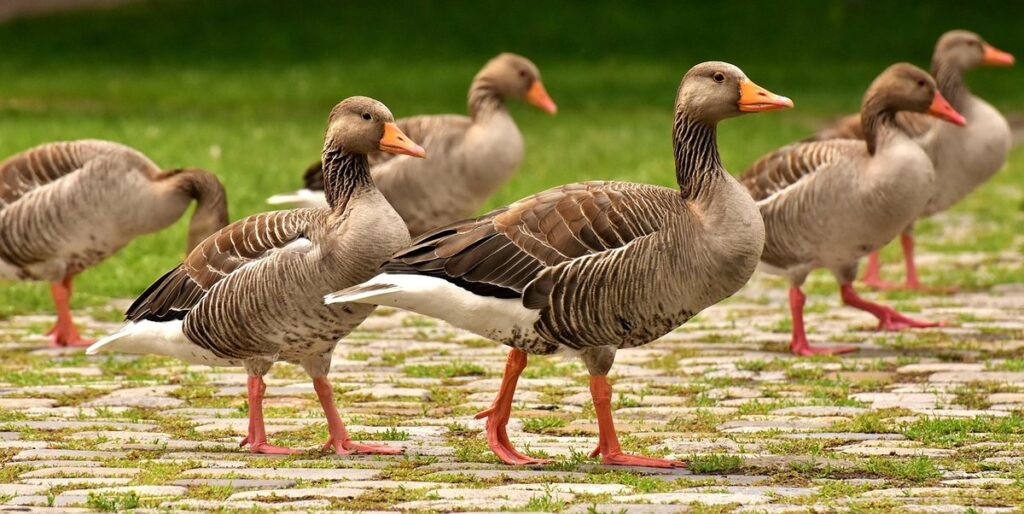
What is a Goose Run?
Let’s dive into what makes a goose run unique, and how it differs from other types of property layouts. We’ll explore its defining characteristics and key features.
Definition and Explanation
A goose run is essentially a narrow passageway or channel that allows water to flow from one side of a dike, wall, or levee to the other. This passageway can be found in various settings, including agricultural landscapes, urban areas, and even along coastlines. In its most basic form, a goose run serves as an overflow path for excess water during high tide or heavy rainfall events.
In practical terms, a goose run helps prevent water from accumulating behind the dike or levee, reducing the risk of erosion and structural damage. The design and purpose of a goose run can vary depending on its specific location and function. For example, in agricultural settings, a goose run may be used to redirect excess water away from crops and onto a nearby drainage system.
When constructing a goose run, it’s essential to consider factors like slope, width, and material selection to ensure effective water flow while minimizing the risk of structural failure or damage to surrounding areas.
Types of Goose Runs
A goose run can be found in various settings, including golf courses, farms, and wildlife habitats. Each type of setting presents unique characteristics that influence the design and functionality of a goose run.
On golf courses, goose runs are often used as water hazards or features to add challenge and beauty to the course. These areas may be designed with artificial ponds, lakes, or canals to create a serene environment. Golfers must navigate around these obstacles while enjoying the scenery. For example, the famous St Andrews Old Course in Scotland has several water features, including a picturesque lake that also serves as a goose run.
In contrast, farm-based goose runs are practical and functional. These areas provide geese with space to roam, forage, and breed while helping farmers manage their populations. Farmers may construct goose runs using natural or artificial enclosures to ensure the birds’ safety and health. By understanding the needs of both humans and geese, farmers can create effective and humane goose run designs.
Wildlife habitats also host goose runs that prioritize conservation and animal welfare. These areas are designed to mimic the geese’s natural environment, allowing them to thrive in a more natural setting. For instance, national parks and wildlife sanctuaries often have designated goose runs where visitors can observe these magnificent birds in their habitat.
History and Origins
The origins of Goose Run can be attributed to its early history as a transportation route, but there’s more to its story than meets the eye. Let’s take a closer look at how it evolved over time.
Ancient Roots
Goose runs have an intriguing history that spans thousands of years, with evidence of their existence found in ancient civilizations. In ancient Egypt, for example, goose runs were used as a form of entertainment and even betting. Archaeologists have discovered murals depicting geese running in ritualistic events, suggesting the animals played a significant role in these societies.
In ancient Greece, geese were revered for their speed and agility, with writers like Aristotle and Plutarch praising their prowess on track. The Greek poet Pindar wrote about a goose named “Achilles” that won several high-stakes racing competitions. These references not only highlight the esteem in which these birds were held but also demonstrate the early use of goose runs as a form of competition.
These ancient roots of goose running laid the groundwork for its modern-day incarnations, from formal track events to recreational activities like parkour and obstacle courses. By understanding the historical significance of goose runs, we can appreciate their evolution over time and perhaps even draw inspiration from these ancient civilizations.
Evolution Over Time
Goose runs have undergone significant transformations over time, reflecting changes in their natural habitats and human interactions. Initially, these paths were formed by geese as they foraged and migrated through forests, wetlands, and grasslands. As agriculture and urbanization expanded, humans inadvertently created or modified existing goose routes, often without realizing the impact on local wildlife.
In response to human activities, goose runs have evolved to become more efficient and effective. For example, in areas with high hunting pressure, geese may alter their migration patterns to avoid detection. In other cases, they might adapt to changes in food availability, shifting from natural wetlands to agricultural fields or urban parks.
To understand the evolution of a specific goose run, consider the following factors:
• Changes in land use and human activity
• Shifts in food availability and water sources
• Responses to hunting pressure and other disturbances
By analyzing these elements, you can better appreciate how goose runs have adapted over time and gain insights into their current behavior. This knowledge can also inform conservation efforts and help mitigate potential conflicts between humans and geese.
Benefits and Purposes
So, you’re wondering what the benefits are of understanding goose run? This section will walk you through the advantages and purposes of recognizing these unique patterns in flight.
Conservation Efforts
Goose runs play a vital role in conservation efforts, serving as natural corridors that connect fragmented habitats and allow waterfowl to migrate safely. By preserving these routes, we not only protect the habitats of geese and other migratory birds but also promote biodiversity.
When designing goose runs, conservationists consider factors such as habitat diversity, food availability, and predator avoidance. For instance, a well-designed goose run might incorporate wetlands, grasslands, and agricultural fields to provide a varied diet for geese. This diversity also supports other species, like pollinators and beneficial insects, thereby enriching the ecosystem.
As you’re likely aware, many goose populations are threatened by habitat loss, climate change, and human activities like development and agriculture. By creating and maintaining goose runs, we can help mitigate these impacts and ensure the long-term survival of waterfowl species. As a responsible goose run manager or conservationist, it’s essential to monitor and maintain your designated area regularly, checking for signs of degradation, erosion, or invasive species.
Recreational Activities
Goose runs offer a unique opportunity for nature enthusiasts and photographers to get up close and personal with these magnificent birds. Birdwatching is one of the most popular recreational activities associated with goose runs. The diverse habitats found within these areas attract an array of bird species, providing visitors with a chance to spot various migratory and resident birds.
For photography enthusiasts, the soft light of dawn or dusk often provides ideal conditions for capturing stunning images of geese in their natural surroundings. The gentle ripples on ponds and lakes create beautiful reflections, adding depth and interest to photos. Visitors can bring along binoculars to get a closer look at the birds without disturbing them.
Ecotourism is another aspect of recreational activities within goose runs. Local tour guides often lead visitors through these areas, pointing out unique features and sharing insights into the geese’s behavior, habitats, and importance in local ecosystems. This educational experience not only enhances one’s appreciation for nature but also promotes environmental awareness and conservation efforts.
Design and Construction
When designing a goose run, there are several key considerations that need to be taken into account, including layout, materials, and safety features. Let’s take a closer look at each of these elements.
Key Features and Elements
A goose run’s design and construction are crucial elements that determine its overall success. When creating a goose run, it’s essential to incorporate habitat diversity and water sources to provide geese with the necessary components for a healthy lifestyle.
Habitat diversity is key to attracting and maintaining a goose population. This can be achieved by incorporating various plant species, shrubs, and trees into the design. A mix of grasses, aquatic plants, and native vegetation will not only provide food but also create shelter and habitat for other wildlife. For example, planting a mix of grasses like tall fescue, blue grama, and buffalo grass can attract geese and provide them with a consistent food source.
Access to water is another critical element in designing a goose run. Geese need a reliable source of water for drinking, bathing, and preening their feathers. A pond or lake with adequate depth and shoreline will not only provide geese with the necessary water but also create an opportunity for them to engage in natural behaviors like swimming and diving.
When incorporating water sources into your design, consider the following factors: depth, size, and accessibility. Aim for a minimum of 6-8 feet of depth to accommodate adult geese, and ensure that the shoreline is gentle enough for easy access.
Challenges in Building Goose Runs
Building a goose run can be a complex and challenging project, especially when it comes to securing land for the enclosure. One of the primary concerns is land acquisition, which can be time-consuming and expensive. Many farmers and poultry owners face difficulties in finding suitable land with the right topography, soil quality, and zoning regulations.
Environmental concerns are another significant challenge in building a goose run. Gooses require a lot of space to roam, and their enclosures must be designed to accommodate their natural behavior. This includes providing adequate shelter, water, and forage areas. Moreover, gooses can be noisy and may disturb neighboring properties, which can lead to conflicts with local authorities.
To overcome these challenges, it’s essential to conduct thorough site assessments and consult with local experts before starting the project. You should also consider collaborating with nearby farmers or landowners to share resources and expertise. Additionally, being mindful of zoning regulations and environmental guidelines will help you avoid costly redesigns and setbacks later on.
Management and Maintenance
To successfully manage and maintain a goose run, you’ll want to pay close attention to regular cleaning, fencing upkeep, and pest control measures. This ensures a healthy environment for both geese and other wildlife.
Best Practices for Caretakers
As a caretaker of a goose run, it’s essential to prioritize both the health and well-being of the geese and their habitat. Regular maintenance is crucial to prevent damage to infrastructure, disease outbreaks, and habitat degradation.
Daily checks should be conducted on all fencing, gates, and enclosures for signs of wear or damage. Make sure to inspect feeders and water sources regularly to prevent contamination and ensure adequate supply. This can be done by checking the cleanliness of these areas and replenishing supplies as needed.
To maintain a healthy environment, create a schedule for cleaning and disinfecting key areas within the goose run. Consider setting aside dedicated time each week or month to thoroughly clean feeders, water sources, and surrounding areas. Geese are social animals and need space to move around freely, so ensure that enclosures provide adequate room for exercise.
Additionally, establish a relationship with local wildlife experts who can offer guidance on geese behavior, habitat requirements, and potential health issues specific to your region.
Community Engagement and Education
Engaging local communities is crucial for successful goose run conservation and maintenance. By fostering relationships with nearby residents, you can build a network of enthusiastic supporters who can help monitor the area, report issues, and participate in upkeep activities.
Start by hosting community meetings or workshops to discuss goose run management goals and objectives. Share information about the benefits of maintaining a healthy goose population, such as ecosystem balancing and habitat preservation. Encourage attendees to share their concerns, ideas, and suggestions for improvement.
Consider partnering with local schools to develop educational programs that teach children about wildlife conservation and the importance of responsible goose handling. This can help instill a sense of ownership and responsibility among community members towards the goose run.
Regular volunteer events, such as clean-up days or habitat restoration projects, can also be effective in engaging the community. Make sure to communicate clearly and regularly with residents through social media, newsletters, or posters to keep them informed about upcoming events and activities.
Case Studies and Examples
Let’s take a closer look at how Goose Run is applied in real-world scenarios, through practical examples that illustrate its unique benefits. From urban planning to conservation efforts.
Successful Goose Run Projects
When it comes to implementing successful goose run projects, several key factors come into play. One notable example is the city of Winnipeg’s successful goose management program. By introducing a combination of visual deterrents, noise-making devices, and habitat modification, they were able to reduce Canada geese populations by over 80% in just two years.
Another successful project is the Goose Management Program in London’s Regent’s Park. This program focused on using a multi-faceted approach, including egg-addling (a process where eggs are removed or destroyed), aversive conditioning, and habitat modification. The result was a significant decrease in geese populations without causing harm to other wildlife.
In both of these cases, key factors contributing to success included:
* Effective communication with local stakeholders and residents
* A thorough understanding of goose behavior and population dynamics
* Implementation of a combination of non-lethal deterrents and habitat modification
* Regular monitoring and adaptation of the program as needed
These examples demonstrate that successful goose run projects require careful planning, community engagement, and a multi-faceted approach to management. By learning from these successes and failures, cities can develop effective strategies for managing geese populations in their own areas.
Lessons Learned from Failure
Goose run initiatives often involve intricate planning and collaboration among multiple stakeholders. However, despite careful consideration, some projects may still falter due to unforeseen circumstances or misaligned objectives. Examining these failures can provide valuable insights for future development.
Several factors contributed to the demise of a struggling goose run initiative in a local park. Over-aggressive geese management methods led to an unintended consequence: a significant decline in the resident bird population, including species not targeted by the control measures. This outcome highlighted the importance of conducting thorough environmental assessments and incorporating multiple stakeholders’ perspectives before implementing control strategies.
A more successful example involved adapting existing infrastructure to create a goose-friendly habitat within a busy urban area. By doing so, community members were able to coexist peacefully with the geese while minimizing potential conflicts. This approach underscores the significance of embracing innovative solutions that balance human needs with environmental concerns.
When designing your own goose run initiative, prioritize careful planning and collaboration among stakeholders to mitigate potential risks and ensure successful implementation. Conduct thorough assessments, engage local communities in decision-making processes, and consider adapting existing infrastructure to create harmonious coexistence between humans and geese.
Conclusion and Future Directions
Now that you’ve gained a deeper understanding of Goose Run, let’s wrap up by exploring the key takeaways and discussing exciting future developments.
Recapitulating Key Points
As we conclude our comprehensive guide to understanding goose run, it’s essential to recapitulate the key points discussed throughout this article. By now, you should have a deeper understanding of the importance of supporting and conserving these unique ecosystems.
One of the primary takeaways from this guide is the significance of identifying and preserving natural habitats that support goose runs. This involves recognizing the specific plants, wetlands, and water sources that geese rely on for survival. By protecting these areas, we can ensure the continued health and biodiversity of local ecosystems.
Another crucial aspect to consider is the impact of human activities on goose run populations. Human development, agriculture, and climate change can all contribute to habitat loss and degradation, making it essential for us to adopt sustainable practices that minimize our footprint on the environment.
By applying the knowledge gained from this guide, you’ll be well-equipped to support local conservation efforts and make informed decisions about land use and management strategies that promote goose run sustainability. Remember, every small action counts in protecting these vital ecosystems.
Opportunities for Further Research and Development
As we conclude our comprehensive guide to understanding goose run, it’s essential to acknowledge that there are still many areas ripe for further research and development. One promising area is the exploration of goose behavior and habitat selection. While we’ve discussed the importance of understanding geese’ migratory patterns, their specific habitat needs during different seasons, and the role of human activities in shaping their environment, more investigation is needed to inform effective conservation strategies.
For instance, studying the impact of urbanization on goose populations could provide valuable insights for policymakers and land-use planners. By analyzing data on goose migration routes, food sources, and breeding grounds, researchers can develop targeted interventions to minimize human-goose conflicts and promote coexistence. Additionally, exploring innovative technologies, such as camera traps or drones, could aid in monitoring goose populations and habitats more efficiently.
Innovative approaches to goose run conservation also include the development of sustainable agricultural practices that incorporate geese into farm ecosystems. By integrating geese into farming systems, farmers can not only reduce their environmental footprint but also create new revenue streams through value-added products like goose-down insulation or egg sales. As we continue to navigate the complexities of goose run conservation, it’s crucial to remain open to fresh perspectives and ideas that can help us better protect these remarkable birds and their habitats.
Frequently Asked Questions
Can I create a goose run on my own property, even if it’s not a large estate or farm?
Yes, creating a goose run can be beneficial for any property owner, regardless of the size of their land. Even small-scale developments like community gardens or residential areas can incorporate goose runs to support local wildlife and promote coexistence with nature.
What are some common challenges I might face when designing a goose run, and how do I overcome them?
Common challenges include ensuring proper water flow, preventing erosion, and maintaining safety for both humans and geese. To address these issues, consult with experts in landscape design and conservation biology to develop a customized plan that meets your specific needs.
How can I ensure the long-term success of my goose run project, especially considering maintenance and upkeep?
Regular monitoring and maintenance are crucial for the long-term success of a goose run. Schedule regular inspections to detect potential issues before they become major problems. Additionally, establish partnerships with local organizations or community groups to share resources and expertise.
Can I use existing infrastructure, such as dikes or levees, in my goose run design?
Yes, incorporating existing infrastructure can be an efficient and cost-effective way to create a goose run. However, ensure that the existing structures are stable and suitable for water flow, and consider any necessary modifications or reinforcements before implementing your design.
How do I balance recreational activities with conservation efforts in my goose run project?
Balancing human use with wildlife preservation is key to successful goose run projects. Implement measures like designated walking paths, educational signage, and guided tours to promote responsible usage while minimizing the impact on local ecosystems.