
If you’re anything like me, you’re always on the lookout for new ingredients to spice up your cooking routine. That’s where thin-shelled duck eggs come in – these versatile eggs are packed with nutrition and offer a wealth of culinary possibilities. Unlike their thicker-shelled counterparts, thin-shelled duck eggs have a delicate flavor and a unique texture that makes them perfect for everything from poaching to baking.
But what exactly sets these eggs apart? And how can you incorporate them into your daily cooking routine without breaking the bank or sacrificing safety? In this article, we’ll delve into the benefits of thin-shelled duck eggs, explore their nutritional value, and provide tips on where to buy them. We’ll also share some delicious recipe ideas to get you started – so whether you’re a seasoned chef or just starting out in the kitchen, keep reading to discover the amazing world of thin-shelled duck eggs!
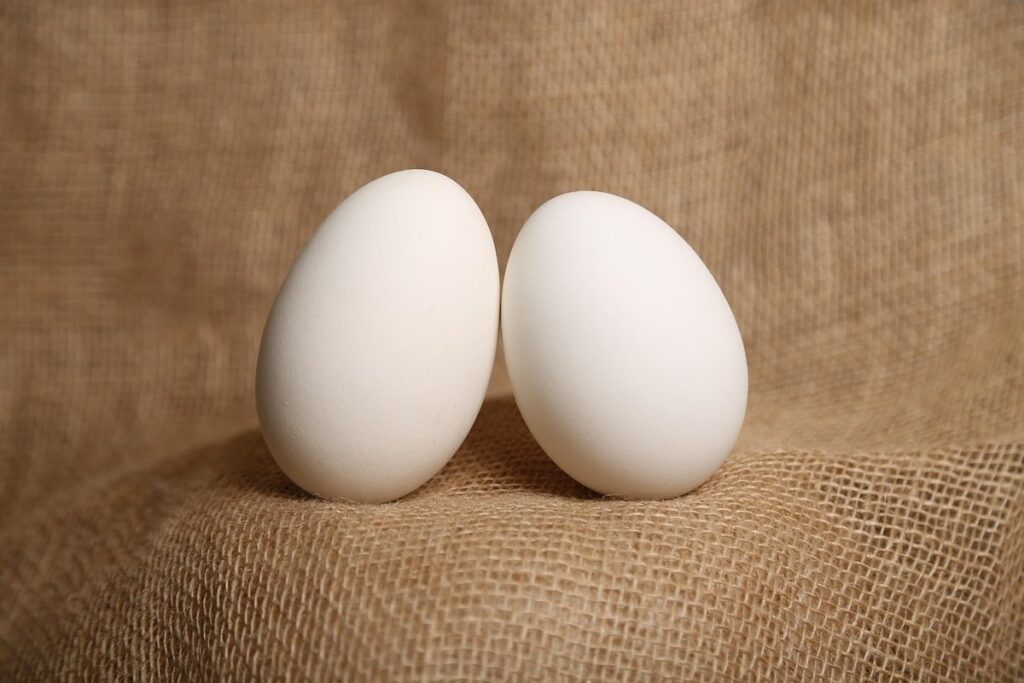
What are Thin-Shelled Duck Eggs?
You might be wondering what makes a duck egg thin-shelled, and that’s exactly where we’ll start. We’ll break down the characteristics of these eggs to give you a better understanding of their unique properties.
Definition and Origin
Thin-shelled duck eggs have become increasingly popular among health-conscious consumers and chefs alike due to their unique characteristics. These eggs differ from regular duck eggs primarily in terms of their eggshell thickness and composition.
The origin of thin-shelled duck eggs can be attributed to the specific breed of ducks raised on small-scale farms or backyard flocks. These birds are often fed a diet rich in omega-3 fatty acids, vitamins, and minerals that contribute to the development of a thinner, more delicate shell. The difference in eggshell thickness is also influenced by genetics, with some breeds naturally producing eggs with thinner shells.
In contrast to regular duck eggs, which have thicker, harder shells, thin-shelled duck eggs are more prone to breaking during handling. However, this fragility can be seen as an advantage for chefs and home cooks looking to add a new texture and presentation element to their dishes.
Characteristics and Advantages
Thin-shelled duck eggs are distinguished by several characteristics that set them apart from their thicker-shelled counterparts. One of the most noticeable differences is their lighter shell weight, which can be as much as 20% lighter than regular eggs. This reduced shell weight contributes to a smaller overall size, making thin-shelled duck eggs ideal for consumers who prefer bite-sized portions.
Another notable characteristic of thin-shelled duck eggs is their longer shelf life. With fewer bacteria and moisture trapped within the thinner shell, these eggs can stay fresh for up to 6-8 weeks without refrigeration, compared to regular eggs which typically have a 3-week shelf life when stored at room temperature. This extended storage period makes them perfect for people who want to enjoy farm-fresh eggs year-round.
In terms of advantages, the thinner shell also means less breakage during handling and transportation, resulting in fewer wasted eggs and lower logistical costs for farmers and distributors.
Nutrition and Health Benefits
These nutrient-rich eggs offer numerous health benefits, making them a great addition to a balanced diet. Let’s dive into the specific ways thin-shelled duck eggs can support your overall well-being.
Protein Content and Nutritional Value
Thin-shelled duck eggs are an excellent addition to a healthy diet due to their impressive nutritional profile. One of the standout benefits is their high protein content. With approximately 12 grams of protein per large egg, they can be a valuable source for individuals looking to increase their daily intake. This is particularly beneficial for athletes or bodybuilders who require a significant amount of protein to support muscle growth and repair.
In contrast to chicken eggs, duck eggs have lower cholesterol levels. A single large duck egg contains around 180 milligrams of cholesterol, which is significantly less than the 212 milligrams found in a large chicken egg. This makes them an attractive option for those monitoring their dietary cholesterol intake.
Duck eggs are also rich in essential fatty acids (EFAs), including omega-3 and omega-6 fatty acids. These EFAs play a crucial role in maintaining heart health, reducing inflammation, and supporting brain function. To reap the nutritional benefits of thin-shelled duck eggs, try incorporating them into your breakfast routine or using them as an alternative to chicken eggs in your favorite recipes.
Health Advantages for Specific Diets
For individuals following specific diets, thin-shelled duck eggs can be a valuable addition to their meal plans. Those adhering to a keto diet will appreciate the high fat content of these eggs, which can help maintain the necessary level of dietary fat intake. Additionally, duck eggs tend to have higher protein levels compared to chicken eggs, making them an excellent option for those looking to boost their protein consumption.
Individuals following a paleo diet may also benefit from incorporating thin-shelled duck eggs into their diets due to their rich nutrient profile and lower risk of contamination with pesticides and heavy metals. Furthermore, the thick yolks of these eggs make them more resistant to bacterial growth, reducing the need for refrigeration and making them an ideal option for those living off the grid.
For vegans, it’s essential to note that duck eggs are not suitable as a plant-based alternative due to their animal origin. However, individuals who follow a flexitarian diet may find that incorporating these eggs into their meals provides a convenient way to boost protein intake while still maintaining some flexibility in their dietary choices.
Culinary Uses and Recipes
Get creative with thin-shelled duck eggs in your kitchen by exploring recipes for baked goods, savory dishes, and more that showcase their unique characteristics. From sweet treats to hearty meals.
Cooking Methods and Techniques
When cooking with thin-shelled duck eggs, it’s essential to understand that their unique characteristics require some adjustments to traditional methods. To boil duck eggs, submerge them in cold water and bring to a boil. However, reduce the heat immediately to prevent cracking due to rapid temperature changes. Cooking time will be slightly longer than chicken eggs, typically around 10-12 minutes.
Frying thin-shelled duck eggs is similar to cooking chicken eggs, but be gentle when handling as their delicate shells are prone to breaking. For poaching, gently place the egg into simmering water and cook for about 5-7 minutes or until the whites are set and the yolks reach your desired doneness.
Baking is another great method to cook duck eggs. Crack them directly into ramekins or muffin tins, add a splash of milk or cream if desired, and bake at 375°F (190°C) for around 12-15 minutes. The result will be a creamy, custard-like texture with a tender egg white.
When cooking thin-shelled duck eggs, it’s crucial to be mindful of their higher water content, which can lead to overcooking if not monitored carefully. Keep an eye on the clock and adjust cooking times as needed.
Delicious Recipes to Try at Home
One of the best ways to experience the unique qualities of thin-shelled duck eggs is by incorporating them into various recipes. Let’s start with a classic: omelets. Unlike chicken eggs, which can sometimes become rubbery when cooked, duck eggs maintain their creamy texture and rich flavor, making them perfect for fluffy, foldable omelets. Try adding shredded vegetables like bell peppers or mushrooms for added depth.
For a satisfying brunch option, consider whipping up a frittata using thin-shelled duck eggs. The protein-rich eggs pair well with sautéed spinach, cherry tomatoes, and crispy prosciutto. Simply beat the eggs with salt, pepper, and a splash of milk, then pour the mixture into a greased skillet with your desired fillings.
If you’re in the mood for baked goods, thin-shelled duck eggs work beautifully in quiches and flan. The rich yolk adds moisture and richness to these sweet treats. For a fun twist on traditional lemon bars, substitute duck eggs for chicken eggs in the filling – it’ll elevate the flavor profile significantly.
The delicate shells of duck eggs also make them ideal for making crème brûlée. Simply whip heavy cream with sugar, eggs, and vanilla until stiff peaks form, then pour into ramekins and top with caramelized sugar for a silky-smooth dessert.
Food Safety and Handling
When it comes to enjoying thin-shelled duck eggs, proper food safety and handling are crucial to avoid contamination and ensure a delicious experience. Let’s dive into some essential tips for storing and preparing these nutritious eggs.
Storage and Handling Instructions
When it comes to storing and handling thin-shelled duck eggs, proper care is crucial to prevent spoilage and maintain their quality. First, make sure to handle the eggs gently to avoid cracking them. Wash your hands thoroughly before and after handling the eggs.
For short-term storage (up to 2 weeks), keep the duck eggs in a cool, dry place away from direct sunlight. You can store them in a carton or container, making sure they’re not touching each other. However, if you won’t be using them within this timeframe, refrigeration is recommended.
Refrigerate the duck eggs at 40°F (4°C) or below to slow down bacterial growth. Store them pointy-end down to prevent moisture from entering through the large end. If you’re not planning to use them for an extended period, consider freezing. To freeze, crack the egg into an airtight container or freezer bag, label it with the date, and store in the coldest part of your freezer at 0°F (-18°C) or below. Frozen duck eggs can be stored for up to 12 months.
Avoiding Cross-Contamination
When working with thin-shelled duck eggs, it’s crucial to maintain good food safety practices. One critical aspect of this is avoiding cross-contamination with other foods, especially raw meat, poultry, and seafood. These types of foods can harbor bacteria like Salmonella, E. coli, and Campylobacter, which can easily spread to your duck eggs.
To prevent contamination, always store raw meats, poultry, and seafood in sealed containers on the lowest shelf of your refrigerator to prevent juices from dripping onto other foods. When handling these items, make sure to wash your hands thoroughly with soap and warm water for at least 20 seconds before touching your duck eggs.
When preparing a meal that involves both cooked duck eggs and raw meat or poultry, use separate cutting boards and utensils for each food item. This will prevent any potential cross-contamination during food preparation.
Remember, it’s always better to err on the side of caution when handling foods, especially those with a higher risk of contamination. By following these simple guidelines, you can enjoy your thin-shelled duck eggs while minimizing the risk of foodborne illness.
Where to Buy Thin-Shelled Duck Eggs
If you’re interested in trying thin-shelled duck eggs, you’ll want to know where to find them. You can purchase them at specialty grocery stores or online through various retailers.
Online Retailers and Stores
If you’re having trouble finding thin-shelled duck eggs at local farmers’ markets or specialty stores, don’t worry – there are plenty of online retailers and brick-and-mortar stores where you can purchase them. Some popular options include Amazon, which carries a wide selection of duck eggs from various farms and sellers. You can also try shopping on specialty food websites like ButcherBox, Crowd Cow, or D’Artagnan, which often carry high-quality, artisanal duck eggs.
Another option is to visit stores that specialize in Asian or international cuisine, as thin-shelled duck eggs are commonly used in Chinese cooking. Stores like Whole Foods Market or Asian markets may carry them in their produce section. Additionally, some health food stores and gourmet grocery stores may also carry duck eggs. Be sure to check the packaging for any specific handling or storage instructions, as these eggs can be more delicate than regular eggs.
When purchasing online, make sure to read reviews and check the seller’s ratings before making a purchase. This will help ensure that you receive high-quality, fresh duck eggs that meet your needs.
Tips for Finding Local Sources
If you’re looking to get your hands on fresh and high-quality thin-shelled duck eggs, one of the best places to start is by seeking out local sources. This not only supports the local economy but also ensures that your eggs are truly farm-to-table.
To find local farmers or suppliers, begin by asking friends, family members, or colleagues who share similar interests in artisanal foods if they know anyone who sells thin-shelled duck eggs. Social media platforms like Facebook and Instagram can also be great resources for connecting with local farmers and producers. Use relevant hashtags to search for posts related to locally sourced food products.
Additionally, consider visiting your local farmers’ market or joining a community-supported agriculture (CSA) program. These platforms provide direct access to fresh produce from local farms, including those that may sell thin-shelled duck eggs. You can also try searching online directories like the USDA’s National Farmers Market Directory or state-specific agricultural resources for leads on local egg suppliers.
Conclusion and Future Outlook
Now that we’ve explored the benefits and unique characteristics of thin-shelled duck eggs, let’s take a look at what the future holds for incorporating them into your cooking routine.
Recap of Key Points
In conclusion, thin-shelled duck eggs have proven to be a versatile and valuable ingredient for various applications. From culinary uses to traditional remedies, these unique eggs offer a multitude of benefits.
Throughout this article, we’ve discussed the advantages of using thin-shelled duck eggs, including their high nutritional value and medicinal properties. We explored how they can be used as a substitute in recipes where egg whites are necessary, due to their clear liquid consistency.
Another key point is that thin-shelled duck eggs are an excellent source of protein, making them an ideal option for individuals following a low-carb or keto diet. Additionally, we touched on the cultural significance of these eggs in certain parts of the world, where they’re used as a traditional remedy for various health issues.
By incorporating thin-shelled duck eggs into your cooking repertoire, you can unlock new flavors and textures in your dishes while also reaping their numerous health benefits. As you continue to explore the uses and advantages of these remarkable eggs, remember to handle them with care due to their delicate shells.
Emerging Trends and Opportunities
As we conclude our exploration of thin-shelled duck eggs, it’s exciting to consider the emerging trends and opportunities surrounding their consumption and production. One area that shows great promise is sustainable agriculture. With the growing concern for environmental degradation and climate change, consumers are increasingly seeking out products with a lower carbon footprint.
Thin-shelled duck eggs are an attractive option for eco-conscious consumers, as they require less water and land to produce compared to traditional egg varieties. In fact, studies have shown that duck eggs can thrive in areas with poor soil quality, making them an ideal choice for small-scale, regenerative farming operations.
As the demand for sustainable food options continues to rise, producers are taking notice of the benefits of thin-shelled duck eggs. Some innovative farmers are already incorporating ducks into their integrated crop-livestock systems, creating a more resilient and diverse farm ecosystem.
Frequently Asked Questions
Can I substitute thin-shelled duck eggs with regular eggs in most recipes?
You can, but keep in mind that the flavor and texture will be slightly different due to the thinner shell and higher nutritional content. Start by substituting 1:1 in simple recipes and adjust as needed.
How do I store thin-shelled duck eggs to maintain their freshness for a longer period?
Store them in a cool, dry place or in the refrigerator to prolong shelf life. Always handle them gently to avoid cracking, which can lead to spoilage. Check on them regularly and use within a week of opening or purchase.
What are some common health benefits associated with consuming thin-shelled duck eggs for people with gluten intolerance?
For individuals with gluten intolerance, thin-shelled duck eggs offer a nutritious alternative rich in protein, vitamins, and minerals while being naturally gluten-free. They’re also relatively low in calories and fat, making them an excellent choice.
Can I use thin-shelled duck eggs for making mayonnaise or hollandaise sauce?
Yes, you can use them to make these sauces due to their creamy texture and rich flavor. However, be aware that the thinner shell will release more easily into the mixture, affecting the consistency of the final product. Adjust the recipe accordingly.
Where can I find online retailers selling thin-shelled duck eggs in my area?
Check local health food stores or specialty grocery shops first for availability. If not available locally, try searching online at retailers that ship nationally, such as Amazon, or visit their official websites to find distributors in your area.