
Storing duck eggs properly is crucial to keeping them fresh for an extended period. As a backyard chicken or waterfowl keeper, you know how much work goes into raising healthy ducks, and it’s essential to make sure their eggs stay fresh throughout the season. But have you ever wondered what makes storing duck eggs different from storing chicken eggs? With proper storage techniques, you can enjoy your farm-fresh duck eggs for weeks or even months after they’re collected.
In this article, we’ll share expert-approved methods for storing duck eggs, covering everything from selecting the right containers to monitoring quality and preventing spoilage. We’ll also provide tips on how to keep your eggs fresh by maintaining a consistent environment, handling them carefully, and checking their condition regularly. Whether you’re a seasoned homesteader or just starting out with raising ducks, this guide will help you store your precious duck eggs safely and enjoy them for as long as possible.
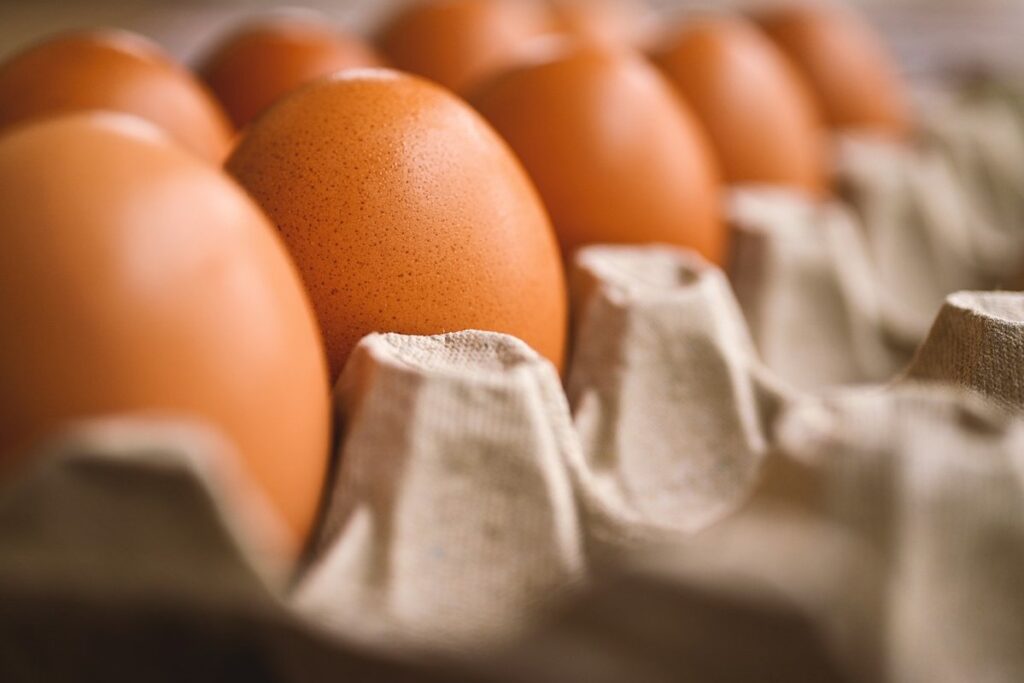
Introduction to Storing Duck Eggs
When it comes to storing duck eggs, it’s essential to understand how their unique properties affect their freshness and quality. Let’s dive into the specifics of storing these special eggs.
Understanding the Unique Requirements of Duck Eggs
When it comes to storing duck eggs, one of the key factors to consider is their higher moisture content compared to chicken eggs. This unique characteristic requires a different approach when it comes to storage and handling.
The higher moisture content in duck eggs means they are more prone to spoilage if not stored properly. A typical duck egg can have around 10-15% more moisture than a chicken egg, which translates to a shorter shelf life. To combat this, it’s essential to store duck eggs at a consistent refrigerated temperature between 40°F and 45°F (4°C and 7°C). Avoid storing them near the refrigerator door or in areas prone to temperature fluctuations.
To further extend their shelf life, consider washing your duck eggs gently before storage. This helps remove any bacteria that may be present on the surface of the egg. Once washed and dried, store them pointed-end down to prevent moisture from entering the egg through the small air sac at the large end. Remember, proper storage is just one aspect of preserving the freshness of duck eggs – we’ll explore more tips in the next section!
The Importance of Proper Storage for Freshness and Safety
When it comes to storing duck eggs, proper storage is crucial not only for maintaining their freshness but also for ensuring food safety. Improperly stored eggs can lead to spoilage and potentially cause foodborne illness, which is a serious concern.
The primary reasons why egg spoilage occurs during improper storage are temperature control issues and contamination risks. For example, storing duck eggs in direct sunlight or near a heat source can raise their internal temperature, causing the bacteria within the egg to multiply rapidly. This not only reduces the shelf life of the eggs but also poses significant health risks.
To prevent this from happening, make sure to store your duck eggs in a cool, dry place away from direct sunlight and heat sources. A refrigerator is ideal for storing duck eggs, as it maintains a consistent temperature below 40°F (4°C), significantly reducing the risk of bacterial growth.
Choosing the Right Storage Container
When it comes to storing duck eggs, selecting the right container is crucial for maintaining quality and preventing damage. Let’s explore the options.
Material Considerations: Plastic, Paper, or Cereal Containers?
When it comes to storing duck eggs, the material of your containers can play a significant role in maintaining their quality and safety. Different materials have varying levels of moisture transmission and potential contamination risks.
Plastic containers are often used for egg storage due to their ease of cleaning and durability. However, they can be prone to cracking under temperature fluctuations, which may cause eggs to break or become compromised. This could lead to bacterial growth and affect the quality of your duck eggs.
Paper containers, on the other hand, offer excellent moisture transmission properties, making them suitable for storing duck eggs. They are also biodegradable and compostable, reducing waste. However, they can be more expensive than plastic options and may not provide the same level of durability.
Cereal containers or airtight glass jars with paper towels are another option. These allow for airflow while keeping contaminants out, making them an excellent choice for short-term storage. For long-term storage, consider using a dehumidified environment, such as a root cellar or a dedicated egg storage area with controlled temperature and humidity levels. Always prioritize cleanliness and handling when storing duck eggs to minimize the risk of contamination.
Size Matters: Selecting the Perfect Egg Carton for Your Needs
When it comes to storing duck eggs, selecting the right egg carton is crucial for maintaining their quality and preventing breakage. A poorly chosen carton can lead to a range of problems, from cracked eggs to spoiled contents.
To avoid overcrowding, you’ll want to choose an egg carton that’s specifically designed for duck eggs. Standard chicken egg cartons often have too many compartments, which can cause the eggs to shift and crack during transport or storage. Opt for a carton with individual cells that are slightly larger than the size of your duck eggs.
Conversely, if you buy an egg carton that’s too large, it may not provide enough support for the eggs. This can lead to shifting and breakage, especially during handling or transportation. Look for a carton that has sturdy walls and individual cells with cushioning to absorb shocks and impacts.
Ultimately, choose a carton that’s designed specifically for duck eggs, taking into account their unique size and shape. Consider using reusable egg cartons made of plastic or cardboard – they’re often more durable and can be washed clean after each use.
Storage Methods: Cool, Dry, and Dark
When storing duck eggs, it’s essential to keep them away from direct sunlight, moisture, and heat. This means storing them in a cool, dry place, such as a pantry or cupboard.
Refrigeration: The Most Effective Way to Store Duck Eggs
When storing duck eggs, it’s essential to maintain a consistent refrigerator temperature between 39°F and 41°F (4°C and 5°C). This narrow temperature range is crucial for long-term storage. If the temperature fluctuates or rises above 45°F (7°C), the risk of bacterial contamination and spoilage increases.
To ensure your duck eggs are stored at a safe temperature, invest in a good-quality refrigerator thermometer. Place it in the coldest part of the fridge, usually the bottom shelf near the back. This will give you an accurate reading of the current temperature. If your fridge doesn’t have this feature, consider investing in a separate thermometer.
Most modern refrigerators are designed to maintain a consistent temperature within this range. However, older models or those with frequent door openings can struggle to keep up. To maximize storage efficiency, store duck eggs in their cartons and place them on the middle or top shelf, away from strong-smelling foods that may affect the egg’s quality.
By maintaining a consistent refrigerator temperature, you’ll be able to store your duck eggs for several weeks without compromising their quality.
Using a Root Cellar or Cooler: Alternative Storage Options
If you’re looking for alternative storage options to refrigerate duck eggs without breaking the bank or relying on electricity, a root cellar or cooler might be just what you need. These structures provide a stable and consistent environment that’s ideal for storing eggs.
A root cellar is essentially an underground storage space with natural insulation that regulates temperature and humidity levels. When designed correctly, it can maintain a temperature range between 32°F to 40°F (0°C to 4°C), which is perfect for duck egg storage. To create your own root cellar, you’ll need to dig a hole in a shaded area, line it with insulating materials like straw or foam board, and add ventilation.
Coolers are another option that can mimic the conditions of a root cellar without digging up your yard. You can purchase a standalone cooler or even convert an old shed into one. The key is to ensure good airflow and insulation to maintain a consistent temperature. With proper setup and maintenance, you can enjoy storing duck eggs in these alternative environments while reducing your energy consumption.
Handling and Cleaning Ducks for Better Egg Quality
Proper handling and cleaning of your ducks is crucial for collecting high-quality eggs, which starts with keeping their living space clean. Regularly scrubbed beaks and feathers prevent dirt from contaminating their reproductive organs.
Sanitation Practices for Reducing Bacterial Contamination
When it comes to storing duck eggs, ensuring they’re clean and free from bacterial contamination is crucial. Proper handling and cleaning of ducks can significantly minimize the risks associated with bacterial contamination. Start by making sure the ducks have access to clean water at all times, as a dirty environment can lead to dirty ducks.
Regularly inspect your ducks’ living quarters for any signs of dirt or grime buildup. Make it a habit to regularly collect soiled bedding material and replace it with fresh ones. This simple practice will go a long way in maintaining cleanliness within their enclosure.
Another essential aspect is washing the ducks themselves. Use lukewarm water mixed with a gentle detergent, making sure not to get any soap on the feathers as this can be harsh on them. Gently scrub the duck’s feet, vent area, and tail, paying close attention to areas where dirt tends to accumulate.
Also, take note of how you collect eggs from your ducks’ nesting boxes. Make sure to do so gently and carefully to avoid transferring bacteria from the duck’s feathers or feet onto the eggshell. A dirty collection process can lead to contaminated eggs, which may affect their quality and even pose health risks.
Tips for Raising Healthy Ducks: Nutrition, Health, and Stress Reduction
When raising healthy ducks for better egg quality, it’s essential to focus on their nutritional needs, health, and stress reduction. A duck’s diet should consist of a balanced mix of proteins, vitamins, and minerals. Provide them with high-quality commercial feed or a combination of grains like oats, barley, and wheat, supplemented with leafy greens, fruits, and insects.
To avoid nutritional deficiencies, ensure access to clean water at all times, as ducks need it for digestion and egg production. A calcium-rich diet is also crucial for strong eggshell development. You can add crushed oyster shells or eggshells to their feed for this purpose.
Regular health checks are vital in preventing issues like respiratory problems, mites, and parasites that can lower egg quality. Establish a cleaning schedule for the coop and run to reduce stress caused by unsanitary conditions. Provide adequate space for your ducks to roam, exercise, and engage in natural behaviors, which will also help maintain their overall well-being.
Monitoring Egg Quality and Detecting Spoilage
To ensure the quality of your stored duck eggs, it’s crucial to monitor their condition regularly for signs of spoilage. Look out for cracks, unusual odors, and discoloration that can indicate a problem.
How to Inspect Duck Eggs for Cracks, Odor, and Visual Abnormalities
When inspecting duck eggs for cracks, odor, and visual abnormalities, it’s essential to be thorough and meticulous. Begin by gently placing the egg on a flat surface and rotating it slowly to examine all sides. Check for any visible cracks or breaks in the shell, paying particular attention to the larger end where the air sac is located.
Next, carefully lift the egg to your nose and give it a sniff. Fresh duck eggs should have a clean, slightly sweet aroma. If you notice a strong, unpleasant odor, it may be a sign that the egg has gone bad. Be aware that some breeds of ducks can produce eggs with stronger-smelling yolks or whites, but these should not be overwhelmingly pungent.
Finally, visually inspect the egg for any unusual coloration, shape, or texture abnormalities. Look for any visible signs of mold, slime, or staining on the shell. Remember, it’s always better to err on the side of caution when it comes to egg quality – if in doubt, discard the egg and replace it with a fresh one. Regularly checking your duck eggs can help you maintain a healthy stock and prevent potential health issues down the line.
Understanding the Role of pH Levels in Egg Freshness
When it comes to storing duck eggs, understanding the role of pH levels is crucial in determining their freshness. You see, a slightly acidic pH level can be an indicator of fresher eggs. This is because the natural acidity of the egg white helps preserve the quality and prevent spoilage.
On the other hand, higher pH levels may signal that your eggs are on the verge of going bad. When an egg’s pH level increases, it can indicate a break in the protective membrane or contamination with bacteria, which can lead to spoilage. To put this into perspective, research suggests that eggs with a pH level above 7.6 have a higher risk of containing Salmonella.
So, how do you check the pH levels of your duck eggs? You can use a pH test strip or a digital pH meter specifically designed for measuring egg freshness. It’s essential to note that these tools are not foolproof and should be used in conjunction with other methods of monitoring egg quality, such as checking for visible cracks or unusual odors.
By understanding the role of pH levels in determining egg freshness, you can take proactive steps in maintaining the quality of your stored duck eggs and ensuring their safety for consumption.
Special Considerations for Large-Scale or Commercial Operations
When storing duck eggs on a larger scale, such as in commercial operations or backyard farms with multiple breeds, some unique considerations come into play. Let’s break down these special requirements.
Scaling Up: Storage Strategies for Farms or Hatcheries
When you’re operating at an industrial scale, managing large egg inventories can be overwhelming. It’s essential to implement efficient and effective storage solutions that maintain the quality of your duck eggs while keeping up with demand.
To start, consider investing in multi-level shelving units or stackable racks that make the most of available vertical space. These will allow you to store a larger quantity of eggs without sacrificing floor space for storage. Additionally, look into climate-controlled storage options, such as refrigerated containers or walk-in coolers, which can help regulate temperature and humidity levels.
Automating egg tracking and inventory management systems can also streamline your operation, enabling you to monitor egg quantity, quality, and location in real-time. This helps prevent overstocking and ensures that eggs are removed from storage before they spoil.
Regulations and Guidelines for Storing Duck Eggs in Food Service Establishments
When storing duck eggs in food service establishments, it’s crucial to familiarize yourself with local regulations and implement proper food handling practices. Start by checking with your state’s department of agriculture or equivalent authority for specific guidelines on storing duck eggs.
Typically, you’ll need to adhere to the same standards as chicken egg storage, but be sure to confirm that duck eggs are included in these regulations. For instance, California requires all duck and chicken eggs to be stored at a consistent refrigerated temperature of 40°F (4°C) or below.
In addition to following local guidelines, it’s essential to maintain proper food handling practices. This includes storing duck eggs in a cool, dry place away from strong-smelling foods that might contaminate them. Ensure all storage containers are clean and sanitized regularly, and consider implementing a first-in, first-out inventory system to prevent old eggs from being stored for extended periods.
Keep records of your storage procedures and temperature logs to demonstrate compliance with regulations in case of an inspection or audit. By staying informed about local regulations and adhering to best practices, you can ensure the safe and successful storage of duck eggs in your food service establishment.
Frequently Asked Questions
Can I store duck eggs at room temperature, or do they always need to be refrigerated?
No, it’s not recommended to store duck eggs at room temperature due to their higher moisture content, which can lead to bacterial contamination and spoilage. Refrigeration is the most effective way to keep them fresh.
How often should I check on my stored duck eggs for any signs of spoilage or contamination?
It’s essential to regularly inspect your stored duck eggs for any visible cracks, unusual odors, or visual abnormalities. A good rule of thumb is to check them at least once a week, and more frequently if you’re storing them in a warm environment.
What happens if I accidentally store my duck eggs in a container with a high pH level, which can affect their freshness?
If you store your duck eggs in a container with an unusually high or low pH level, it may cause the egg white to break down faster, reducing its quality and shelf life. To minimize this risk, use containers that are specifically designed for storing food and maintain a consistent environment.
Can I store duck eggs in a cereal carton, as long as it’s clean and dry?
Yes, you can use a cereal carton or other paper-based container to store your duck eggs, but make sure it’s completely clean and dry before placing the eggs inside. The key is to prevent moisture from accumulating in the carton, which can lead to bacterial growth.
How do I handle and transport my stored duck eggs without causing them damage?
When handling and transporting your stored duck eggs, it’s essential to be gentle and avoid jostling or dropping them, as this can cause cracks and contamination. You can use a egg carton specifically designed for transportation or wrap the eggs individually in paper or cloth to protect them during transport.