
When we think about ducks waddling around in ponds, it’s easy to assume they’re safe from predators. But little do we know, these seemingly carefree waterfowl have some sneaky enemies lurking in the shadows. From mammals like foxes and coyotes to birds of prey and even aquatic threats like otters and alligators, ducks have a surprising number of predators that can pose a significant threat to their survival. Understanding what these predators are and how they interact with ducks is crucial for maintaining ecosystem balance and informing conservation efforts.
In this article, we’ll delve into the fascinating world of duck predation, exploring the various threats these birds face and how they adapt to stay safe in the wild.
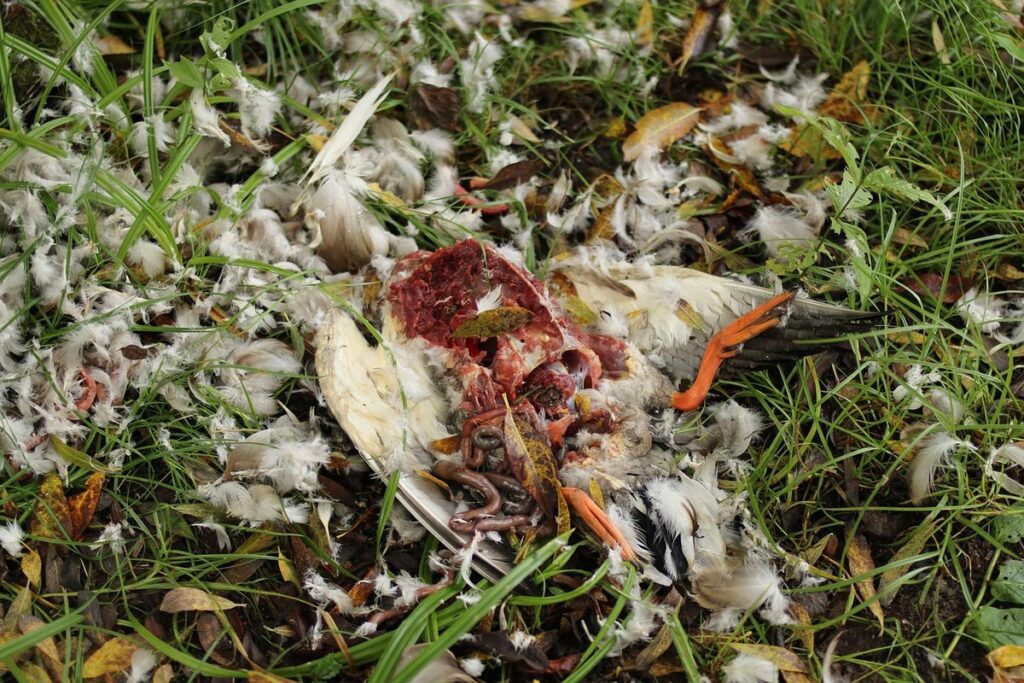
The Importance of Predation in Ecosystem Balance
Let’s dive into why predation is a crucial part of maintaining ecosystem balance and how it affects duck populations directly.
Predation as a Natural Process
Predation is a natural and essential process that plays a crucial role in maintaining ecosystem balance. It’s often misunderstood as a negative force, but in reality, it’s a vital component of the food chain. Top predators regulate duck populations by keeping their numbers in check, preventing overgrazing and allowing for healthy vegetation growth.
For example, wolves are known to prey on geese and other waterfowl species, regulating their populations in their habitats. Similarly, coyotes and foxes prey on ducks, helping to maintain a balance between predator and prey. This natural predation process also serves as a warning system for duck populations, signaling the need for them to adapt or migrate to new areas.
In some ecosystems, humans have even taken measures to reintroduce top predators that were previously eradicated, with positive results. For instance, the re-introduction of wolves in Yellowstone National Park has had a cascading effect on the ecosystem, including an increase in vegetation growth and a decrease in elk populations. By understanding and embracing predation as a natural process, we can work towards maintaining healthy ecosystems where both predators and prey thrive.
Role of Predators in Shaping Duck Behavior
Ducks have evolved remarkable strategies to evade predators and protect themselves. One of the most fascinating aspects is how they adapt their behavior to minimize predation risk. For instance, ducks tend to alter their activity patterns according to the time of day or year. During peak predator hours, such as dawn and dusk, ducks often remain quiet and still, making it difficult for predators like foxes, coyotes, or hawks to detect them.
In terms of habitat selection, ducks prefer areas with dense vegetation or nearby water sources, which provide a safe haven from aerial and terrestrial predators. They also modify their foraging strategies, focusing on readily available food sources rather than venturing into areas with high predator activity. For example, mallard ducks have been observed switching to aquatic plants during peak snake activity periods.
By changing their behavior in response to predation threats, ducks not only ensure their survival but also contribute to the balance of their ecosystems. This adaptation highlights the intricate relationships within nature and demonstrates how predators play a vital role in shaping duck behavior.
Common Predators of Ducks
When it comes to duck predators, you’ll be surprised at the variety of animals that pose a threat to these waterfowl. From birds of prey to mammals and reptiles, we’re about to name them all.
Mammalian Predators
Ducks have several mammalian predators that pose a significant threat to their populations. One of the most common predators is the coyote, which inhabits a wide range of habitats, from deserts to forests and even urban areas. These adaptable canines are skilled hunters, often stalking ducks in wetlands and grasslands.
Foxes, another common predator, primarily inhabit open terrains and woodlands. They are nocturnal hunters, using their keen senses to locate duck nests and unsuspecting birds. Their geographic range spans across North America, Europe, and Asia.
Bobcats, although less abundant than coyotes and foxes, also prey on ducks in various habitats. They are stealthy predators that rely on surprise attacks, often targeting young or weak ducks. In areas with suitable habitat, such as forests and rocky outcrops, bobcats can be a significant threat to duck populations.
Bears, particularly black bears and grizzly bears, occasionally feed on ducks, especially in aquatic habitats like lakes and rivers. Their feeding habits vary depending on the availability of other prey and environmental conditions.
Avian Predators
Ducks have several avian predators that prey on them, and it’s essential to understand their characteristics and habits to appreciate the complex dynamics at play. Among these bird species, owls, hawks, eagles, and falcons are prominent duck hunters.
Owls, like barn owls and great horned owls, have exceptional night vision, allowing them to hunt under cover of darkness. They typically inhabit open areas with low vegetation, such as grasslands or wetlands. Hawks, on the other hand, favor open spaces, often soaring high in the skies to scan for prey. Red-tailed hawks and Swainson’s hawks are examples of species that frequently target ducks.
Eagles, including bald eagles and golden eagles, are powerful hunters with sharp talons and hooked beaks. They often inhabit near-water habitats like lakeshores or riverbanks, where they can swoop down on unsuspecting duck populations. Falcons, though agile and swift, tend to hunt in more urban environments.
These avian predators have adapted to their respective ecosystems, showcasing a range of hunting strategies that enable them to exploit duck populations.
Habitat-Specific Predators
Let’s dive into the world of habitat-specific predators that threaten duck populations, from owls and hawks to foxes and coyotes. These sneaky hunters are experts at stalking their prey in various environments.
Aquatic Predators in Waterfowl Habitats
When ducks inhabit waterfowl habitats, they’re not just vulnerable to aerial predators like hawks and owls. Aquatic predators also pose a significant threat to their survival. Fish, for example, are stealthy hunters that can sneak up on unsuspecting ducklings or adults in shallow waters. Species like pike and largemouth bass have been known to target ducks, often ambushing them with lightning-fast attacks.
Snakes, particularly water snakes and cottonmouths, also lurk in the shadows of waterfowl habitats. These serpents are skilled swimmers that can slip into the water undetected and strike when their prey least expects it. In fact, some studies have shown that snake predation on duck populations can be significant, especially in areas with high snake densities.
Alligators and crocodiles, large reptilian predators, also inhabit freshwater and brackish wetlands where ducks often forage. These formidable creatures are apex predators that feed on a wide range of prey, including waterfowl. When encountering alligator or crocodile habitats, it’s essential to exercise extreme caution and keep a safe distance to avoid becoming their next meal.
Terrestrial Predators in Upland Habitats
In addition to aerial and semi-aquatic predators, ducks also face threats from terrestrial predators that inhabit upland habitats. These predators are often overlooked but play a significant role in shaping duck populations. Coyotes, bobcats, and mountain lions are common examples of terrestrial predators found in various regions around the world.
Coyotes, in particular, are highly adaptable and have been known to inhabit diverse habitats, from deserts to forests. They are skilled hunters that primarily feed on small mammals but will also target ducks if they come across them. A study conducted in a Colorado wetland found that coyote predation was responsible for 30% of duck mortality.
Bobcats, although smaller than coyotes, are agile and stealthy predators that can easily climb trees or stalk their prey through dense vegetation. Mountain lions, on the other hand, are solitary and powerful hunters that roam vast territories in search of food. To minimize encounters with these terrestrial predators, it’s essential to educate yourself about local predator species, recognize signs of predation, and take necessary precautions when managing duck habitats. This includes using fencing or netting around water sources and removing attractants like food waste.
Human-Related Threats to Ducks
When it comes to human-related threats, ducks face some surprising predators that might not come to mind right away. Let’s take a closer look at these unexpected dangers.
Hunting and Poaching
Hunting and poaching are significant human-related threats to duck populations worldwide. According to the International Union for Conservation of Nature (IUCN), an estimated 70% of duck species face some level of hunting threat, with over 40% being hunted at unsustainable levels.
In many regions, ducks are hunted for their meat, feathers, and organs, which are believed to have medicinal properties. For instance, the red-legged partridge is prized in France for its meat, while its eggs are considered a delicacy in some parts of Europe. In Asia, ducks are often hunted for their beaks, which are believed to cure eye ailments.
Conservation efforts are underway to mitigate these impacts. The Migratory Bird Treaty Act (MBTA) regulates duck hunting in the United States and Canada, while the Convention on International Trade in Endangered Species of Wild Fauna and Flora (CITES) restricts trade in duck products. Additionally, many wildlife reserves and protected areas provide safe habitats for ducks to breed and migrate.
As a concerned individual, you can make a difference by choosing eco-friendly alternatives to traditional hunting methods. Consider supporting sustainable hunting practices or participating in conservation programs that work to protect duck populations. Every small action counts, and collective efforts can help preserve these magnificent creatures for future generations.
Habitat Destruction and Fragmentation
When we think of predators that threaten duck populations, our minds often turn to birds of prey like hawks and owls, as well as mammals like coyotes and foxes. However, human activities play a significant role in harming ducks and their habitats.
Deforestation, urbanization, and agricultural expansion are some of the most pressing human-related threats to duck habitats. When forests are cleared for development or crops, it not only destroys natural habitats but also leads to habitat fragmentation. This means that what was once contiguous land is now broken up into smaller, isolated patches, making it difficult for ducks to find food, shelter, and breeding grounds.
The effects of habitat destruction and fragmentation can be devastating. For example, a study in the Amazon rainforest found that deforestation had reduced waterfowl populations by 50% over a decade. In addition, agricultural expansion has led to the creation of monoculture crops that offer limited biodiversity and food sources for ducks. As a result, it’s essential for us to recognize our impact on duck habitats and take steps to mitigate these effects. By supporting conservation efforts, reducing our carbon footprint, and preserving natural habitats, we can help protect duck populations from human-related threats.
Case Studies: Specific Regions and Duck Species
Let’s take a closer look at specific regions where ducks are threatened, such as North America, Australia, and Europe, and explore their unique predator dynamics. From minks to eagles, local predators play a significant role in duck populations.
Regional Variations in Predators and Prey Dynamics
Ducks living in different parts of the world face unique threats from predators that are adapted to their specific ecosystems. For instance, in North America, Canada geese have to contend with coyotes and foxes, which are common predators in grasslands and wetlands. On the other hand, ducks in the Arctic region, such as the Steller’s eider, have to be cautious of arctic foxes and snowy owls.
In Australia, where native duck species like the wood duck live, introduced predators like cats, dogs, and foxes pose a significant threat. These non-native animals often outcompete native predators for food and habitat, exacerbating the problem. In South America, ducks in the Patagonian region must avoid being preyed upon by pumas, which are apex predators in these areas.
To protect duck populations, it’s essential to understand the specific predator-prey relationships within each region. By recognizing these patterns, we can develop targeted conservation strategies that address the unique challenges faced by different duck species. This may involve working with local communities, implementing habitat restoration projects, or enforcing regulations to control invasive predators.
Conservation Efforts Targeting Specific Predator-Prey Relationships
In regions like Alaska and Canada, conservation efforts have been implemented to target specific predator-prey relationships that are impacting duck populations. One notable example is the decline of Common Mergansers due to predation by Bald Eagles. To combat this issue, wildlife managers have introduced measures such as habitat restoration, hunting regulations, and eagle population control.
In some areas, such as the Arctic tundra, researchers have observed a shift in predator-prey dynamics due to climate change. For instance, the increased availability of lemmings has led to an explosion in Snowy Owl populations, which in turn has put pressure on duck species like Harlequin Ducks. To address this issue, conservationists are exploring ways to mitigate the impact of these owls through coordinated hunting efforts and habitat management.
Another initiative is underway in Australia’s Murray-Darling Basin, where a collaborative effort between government agencies, farmers, and environmental groups aims to reduce the toll of predation by introduced predators like foxes and cats on native duck species. This includes programs for predator control, as well as compensation schemes for farmers who adopt conservation-friendly practices.
Conclusion: Understanding the Complexities of Predation and Conservation
Now that we’ve explored the various predators of ducks, let’s take a step back to synthesize our findings and discuss the implications for conservation efforts. We’ll examine what this means for duck populations.
Summarizing Key Points on Duck Predation
In concluding our exploration of what threatens duck populations, it’s essential to summarize the key points discussed throughout this article. By grasping the complexities of predation dynamics, you’ll be better equipped to develop effective conservation strategies for protecting these fascinating birds.
One crucial point is that ducks face a variety of predators across different habitats and geographical locations. From terrestrial mammals like coyotes, foxes, and raccoons, to avian predators such as owls, hawks, and eagles, the diversity of predators ensures that duck populations are constantly under threat. Additionally, aquatic mammals like otters, alligators, and large fish pose a significant risk to waterfowl.
Another critical aspect is understanding how predation dynamics vary across different environments. For example, in areas with high human activity, such as agricultural regions or urban parks, the presence of invasive species can disrupt native ecosystems and increase predation pressure on duck populations. Conversely, in more remote wilderness areas, the primary predators may be larger carnivores like bears or wolves.
To effectively conserve duck populations, it’s vital to recognize that a one-size-fits-all approach won’t suffice. Each habitat and geographical location demands tailored conservation strategies that consider local predator dynamics. This might involve collaborating with local wildlife management agencies, conducting thorough risk assessments, and implementing measures to mitigate human-wildlife conflicts.
By recognizing the intricate relationships between duck populations and their predators, we can work towards more targeted and effective conservation efforts. By doing so, we not only protect these remarkable birds but also safeguard the delicate balance of ecosystems they inhabit.
Frequently Asked Questions
What are some common mistakes people make when trying to identify duck predators in the wild?
When observing ducks, it’s easy to misidentify potential threats. Common mistakes include confusing a predator with a scavenger or failing to recognize signs of predation, such as torn feathers or injured birds. To avoid this, observe from a safe distance and take note of any unusual behavior from both the duck and the suspected predator.
How can I contribute to conservation efforts targeting specific predator-prey relationships?
Individuals can play a significant role in conservation by supporting organizations focused on preserving ecosystem balance and promoting sustainable coexistence between predators and prey. This can be done through donations, volunteering time, or spreading awareness about the importance of maintaining a balanced food chain.
Can duck populations adapt to changes in their environment, such as habitat destruction?
Yes, duck populations have shown remarkable resilience in adapting to environmental changes. However, this adaptation often comes at a cost, and may involve shifting habitats or altering foraging behaviors. Understanding these adaptations is crucial for informing conservation strategies aimed at maintaining ecosystem balance.
How do human activities like hunting and poaching impact predator-prey dynamics?
Human-related threats significantly disrupt predator-prey relationships by removing key predators from the food chain. This can lead to overgrazing, loss of vegetation cover, and decreased biodiversity. Conservation efforts should prioritize protecting both predators and prey populations while promoting sustainable coexistence.
Are there any specific scenarios where duck predation can actually benefit conservation goals?
Yes, controlled hunting practices can serve as a form of population management, helping to maintain healthy predator-prey dynamics. Additionally, recognizing the role of certain predators in regulating duck populations can inform more targeted and effective conservation strategies.