
If you’re thinking of adding some feathered friends to your small farm or homestead, you’ve probably considered domesticated goose breeds. But with so many options available, it can be overwhelming to decide which breed is right for you. Geese are not only beautiful and entertaining, but they also offer a range of benefits, from egg production to meat production. They’re relatively low-maintenance compared to other livestock, requiring less space and care than cows or pigs. Whether you’re looking for a reliable source of fresh eggs or a gentle companion for your family, there’s a domesticated goose breed out there that fits your needs. In this article, we’ll explore some popular breeds, their characteristics, and care requirements to help you make an informed decision about which geese are best suited for your lifestyle.
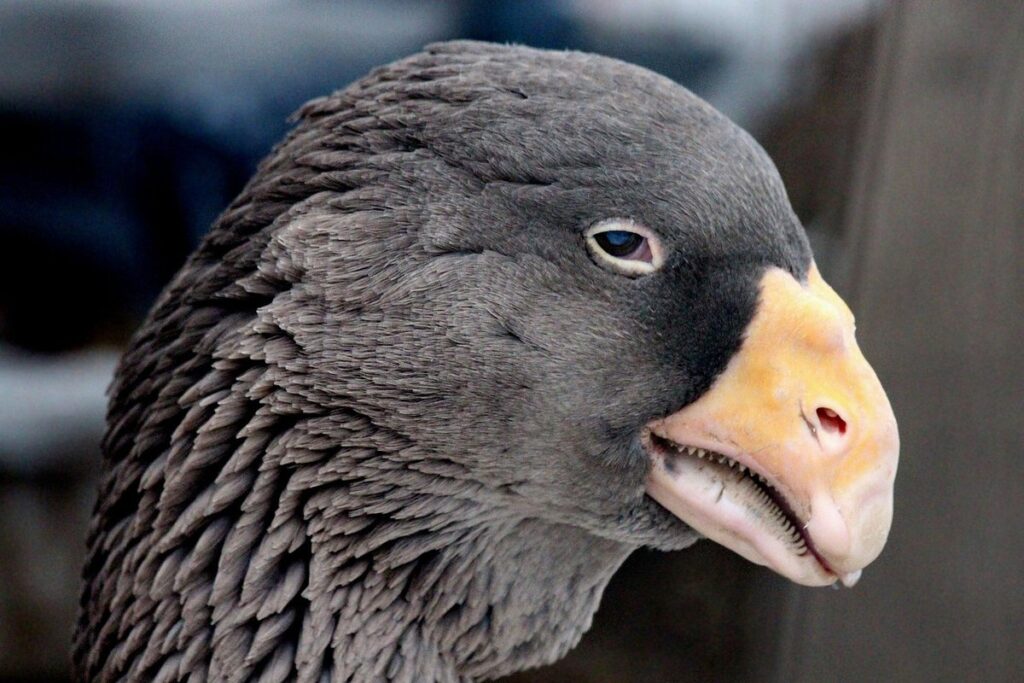
History and Origin of Domesticated Geese
Let’s dive into where domesticated geese come from, exploring their fascinating history that dates back thousands of years to ancient Egypt. Their origins are as captivating as they are complex.
Early Domestication
The early domestication of geese is a fascinating topic that highlights the crucial role these birds have played in human history. The earliest recorded instances of goose domestication date back to around 3,000 BCE in ancient Egypt, where they were valued for their meat, eggs, and feathers. Geese were also used as guard animals to protect homes and crops from predators.
In addition to providing a source of food, geese contributed significantly to human well-being by serving as companions and symbols of good fortune. In many cultures, geese are believed to possess spiritual significance, with their distinctive honking calls thought to ward off evil spirits. The domestication of geese also marked the beginning of selective breeding programs, which would eventually lead to the development of various breeds.
As humans began to domesticate geese, they discovered that these birds could be trained for specific tasks, such as hunting and herding. This adaptability made them an invaluable asset in ancient societies, where resources were scarce and the need for reliable food sources was essential. By understanding the early domestication of geese, we can appreciate their importance in human history and recognize the significant role they continue to play today.
Spread of Domesticated Geese Across Cultures
Geese have been domesticated for thousands of years, and their unique characteristics have made them a staple in various cultures around the world. The introduction of geese to different societies was often facilitated by trade and migration routes, resulting in the adaptation of these birds to new environments.
In ancient Egypt, geese were considered sacred animals and were used as a source of food, down, and feathers for bedding. They were also revered for their loud honking, which was believed to have spiritual significance. Similarly, in China, geese were valued for their meat, eggs, and feathers, which were used in traditional medicine.
In Europe, geese were introduced by the Romans and became a popular farm animal, providing meat, down, and fat for cooking. The French, in particular, are known for their love of foie gras, a delicacy made from goose liver. In Japan, geese are raised for their meat and eggs, as well as their decorative feathers.
Today, domesticated geese can be found on farms and in backyards around the world, with many breeders working to preserve traditional strains. Whether you’re a seasoned farmer or a beginner looking to raise your own geese, understanding the history and cultural significance of these birds is essential for successful breeding and care.
Characteristics and Traits of Domesticated Goose Breeds
When it comes to domesticated goose breeds, understanding their unique characteristics and traits is key to choosing the right fit for your farm or backyard. Let’s take a closer look at what makes each breed special.
Size and Weight Variations
When it comes to domesticated goose breeds, one of the most noticeable differences is their size and weight variations. While some breeds can grow up to 3 feet tall and weigh as much as 25 pounds, others are significantly smaller, reaching only 1 foot in height and weighing around 5 pounds.
For example, the Toulouse breed is known for its large size, with males weighing up to 30 pounds and standing at an impressive 2.5 feet tall. On the other hand, the African breed is one of the smallest goose breeds, with males weighing only 10 pounds and reaching a height of around 1.8 feet.
When choosing a domesticated goose breed, it’s essential to consider your available space and resources. If you live in a small backyard or have limited room for a full-sized goose, a smaller breed like the African or Embden may be a better fit. Conversely, if you have plenty of space and want a more majestic bird, a larger breed like the Toulouse or Pilgrim may be suitable.
Keep in mind that size is just one aspect to consider when choosing a domesticated goose breed; temperament, egg-laying abilities, and feather quality are also crucial factors to weigh.
Temperament and Trainability
When evaluating domesticated goose breeds for temperament and trainability, it’s essential to consider their intended use. For example, if you’re looking to raise geese for farming purposes, a breed like the Embden or Toulouse is an excellent choice due to their strong protective instincts and trainability.
For ornamental purposes, such as keeping geese as pets, breeds like the Chinese or African have a more docile temperament and are often easier to handle. When choosing a breed, look for characteristics like alertness, curiosity, and a willingness to interact with humans.
Geese are highly social animals that thrive on attention and interaction, making training relatively easy. However, establishing trust and clear communication is crucial. Begin by introducing your geese to new surroundings gradually, using positive reinforcement techniques such as treats and praise.
It’s also essential to consider the breed’s natural tendencies, such as grazing or noise levels, when selecting a suitable temperament for your needs. With patience, consistency, and proper training, you can develop a strong bond with your domesticated geese, making them an enjoyable addition to any farm or home.
Popular Domesticated Goose Breeds
If you’re looking to bring a touch of elegance and charm to your backyard, you’ll love learning about these popular domesticated goose breeds that are sure to impress!
White Chinese Geese
White Chinese Geese have been a popular choice among breeders and waterfowl enthusiasts for their unique blend of appearance, temperament, and utility. One of the most distinctive characteristics of White Chinese Geese is their striking white plumage with black neck feathers and orange beaks. These birds are known for their gentle nature, making them an excellent choice for families with children or as pets.
One of the main reasons breeders love White Chinese Geese is their exceptional foraging abilities. They are incredibly effective at clearing gardens and lawns of pests, such as insects and weeds, making them a valuable asset to any small farm or homestead. In addition to their practical uses, White Chinese Geese are also prized for their beautiful appearance and impressive honking calls.
When considering keeping White Chinese Geese on your property, it’s essential to provide them with adequate space and companionship. These birds thrive in pairs or groups, so be sure to plan accordingly when creating a goose-keeping setup. With proper care and attention, White Chinese Geese can live for up to 20 years, making them a long-term companion that will bring joy and entertainment for many years to come.
Embden Geese
Embden Geese are a popular choice among small-scale farmers and homesteaders due to their excellent temperament and impressive egg-laying abilities. These geese are known for being friendly, docile, and relatively quiet compared to other breeds. They make great companions for families with children or for those who want a low-maintenance pet.
When it comes to egg production, Embden Geese excel, laying around 30-40 large white eggs per year. While they may not be as prolific as some other breeds, their eggs are prized for their rich flavor and firm texture. As a small-scale farmer or homesteader, you can expect an average of one egg per day from your Embden flock.
In terms of suitability for small-scale farming or homesteading, Embden Geese are ideal due to their hardiness and adaptability. They thrive in a variety of environments, from backyards to pastures, as long as they have access to fresh water and adequate shelter. With proper care, an Embden flock can provide you with a steady supply of fresh eggs, entertainment, and companionship for years to come.
One key thing to consider when raising Embden Geese is their social nature. They are highly gregarious birds that do best in pairs or small groups. If you’re new to goose-keeping, it’s essential to introduce them slowly and under close supervision to avoid any potential conflicts with other birds or pets on your property.
As with any bird breed, Embden Geese require regular maintenance, including vaccinations, parasite control, and regular health checks. However, their robust constitution makes them relatively low-maintenance compared to some other breeds.
In summary, Embden Geese are an excellent choice for those looking for a reliable egg source and a friendly farm companion. With proper care and attention, they can thrive in a variety of settings, making them a popular choice among small-scale farmers and homesteaders alike.
Raising and Caring for Domesticated Geese
Caring for domesticated geese requires attention to their specific needs, from housing and feeding to socialization and regular veterinary check-ups. In this next section, we’ll dive into these essential care considerations.
Nutrition and Feeding Habits
When it comes to raising domesticated geese, providing them with a nutritious diet is crucial for their overall health and well-being. Geese are omnivores and require a balanced mix of grains, proteins, and vegetables in their diet. The quality of feed is just as important as the quantity. Look for feeds that contain high-quality protein sources such as soybean meal or corn gluten meal.
A general rule of thumb is to provide 1-2% of the bird’s body weight in feed daily. For example, a 20-pound goose would require about 1/4 pound of feed per day. However, this can vary depending on factors like age, sex, and activity level. It’s also essential to provide fresh water at all times.
In addition to commercial feeds, geese also benefit from supplements such as vegetables and fruits. Offer leafy greens like kale or spinach, as well as fruits like berries or apples. Avoid giving them avocado, onions, or raw potatoes, as these can be toxic to geese.
Health Considerations
Domesticated geese are generally hardy birds but can be prone to certain health issues. One common problem is Angel Wing, a condition where the wings become deformed due to improper nutrition and lack of exercise. To prevent this, ensure your geese have access to a large enough enclosure for exercise and provide a balanced diet that includes calcium-rich foods.
Another issue that may arise is respiratory problems caused by dust and bacteria in their living environment. Regular cleaning of their enclosure, providing fresh air and water, and ensuring good ventilation can help mitigate these issues. It’s also essential to monitor your geese for signs of illness, such as labored breathing or lethargy, and consult a veterinarian promptly if you notice any unusual behavior.
Proper vaccination and parasite control are crucial in maintaining the health of domesticated geese. Regular check-ups with a vet can help identify potential problems early on, allowing for prompt treatment. Some common parasites that affect geese include mites, ticks, and internal worms.
Uses of Domesticated Geese on Small-Scale Farms
On small-scale farms, domesticated geese are incredibly versatile birds that can serve multiple purposes, from pest control to egg production and even guarding. Let’s explore some of their most valuable uses in these settings.
Egg Production
When it comes to small-scale farms looking to boost their egg production, domesticated geese are an often-overlooked but valuable asset. Not only do they provide a reliable source of meat and down feathers, but many breeds also lay eggs regularly throughout the year.
Suitable breeds for egg production include the Embden, Toulouse, and African Geese. These breeds are known to produce around 100-150 large white or light-brown eggs per year, which is comparable to some chicken breeds. However, it’s essential to note that goose eggs are typically larger and have a thicker shell than those of chickens.
To get the most out of your geese for egg production, it’s crucial to provide them with a balanced diet rich in calcium, as well as access to fresh water at all times. Regular exercise and adequate shelter will also help maintain their health and productivity. With proper care and management, domesticated geese can be a valuable addition to any small-scale farm looking to diversify its egg production.
Meat Production
Raising domesticated geese for meat production can be a lucrative and rewarding venture on small-scale farms. Not only do geese provide a lean protein source, but they also offer a unique opportunity to diversify farm income streams.
In the United States, for instance, duck and goose meat are in high demand, with sales projected to reach $1 billion by 2025. To tap into this market, farmers must comply with relevant regulations. This includes obtaining permits from the US Department of Agriculture (USDA) and adhering to guidelines set forth by the Food Safety Inspection Service (FSIS).
When raising geese for meat, it’s essential to consider factors such as feed, housing, and disease management. Geese require a balanced diet that includes a mix of grains, proteins, and vitamins. They also need access to clean water and adequate shelter to prevent stress and disease.
By following proper handling and slaughter techniques, farmers can produce high-quality meat products while ensuring animal welfare. For example, geese can be humanely slaughtered at around 12-14 weeks of age, resulting in tender and flavorful meat.
Considerations and Tips for Selecting Domesticated Goose Breeds
When selecting a domesticated goose breed, there are several key considerations to keep in mind, from temperament to climate adaptability. Choosing the right breed will make all the difference in your experience with these beautiful birds.
Climate Adaptability
When selecting domesticated goose breeds, it’s essential to consider their adaptability to various climates and environments. This is crucial to ensure that your birds thrive in their new home. Different breeds have unique tolerances for temperature extremes, humidity levels, and even wind resistance.
For instance, the Embden goose breed excels in cold climates, with some individuals reportedly surviving temperatures as low as -20°C (-4°F). On the other hand, the Chinese goose is more tolerant of heat, making it an excellent choice for regions with hot summers. When choosing a breed, research their specific needs and consider factors such as windbreaks, shading, and access to water.
Before making a decision, evaluate your region’s climate extremes and match them with the breed’s requirements. You can also consult local farmers or experts who have experience raising domesticated geese in your area. This will help you make an informed decision and ensure that your new feathered friends are well-suited to their environment.
Purpose-Specific Selection Criteria
When it comes to selecting domesticated goose breeds, it’s essential to consider what you want to achieve with them. Different breeds have unique characteristics that make them suited for specific purposes, such as egg-laying, meat production, or ornamental value. To ensure you choose the right breed for your needs, let’s break down some purpose-specific selection criteria.
For instance, if you’re looking to raise geese primarily for their eggs, you’ll want to select a breed known for its high egg production. Some popular breeds for this purpose include Toulouse, Embden, and Chinese Geese. These breeds are prolific layers, producing an average of 200-250 large white eggs per year.
On the other hand, if meat production is your primary goal, you’ll want to choose a breed with a higher growth rate and desirable carcass characteristics. Breeds like African Geese and Sebastopol Geese are well-suited for this purpose due to their rapid growth rates and leaner meat.
To get started with selecting the right breed for your needs, consider the following questions:
* What is my primary goal for raising geese (e.g., egg-laying, meat production, or ornamental value)?
* How much space do I have available for housing and grazing?
* Do I need a breed that’s relatively low-maintenance or high-maintenance?
Answering these questions will help you narrow down your options and select the best domesticated goose breed for your specific needs.
Frequently Asked Questions
Can domesticated geese be integrated with other farm animals?
Domesticated geese can coexist with other farm animals, such as chickens, ducks, or cattle, but it’s essential to ensure they have separate living spaces and resources. Geese can benefit from having companions, but introducing them too quickly can lead to conflicts. A gradual introduction process under close supervision is recommended.
How do I protect my domesticated geese from predators?
Predators like foxes, coyotes, or stray dogs can pose a significant threat to your domesticated geese. To ensure their safety, consider implementing secure fencing around 3 feet high with openings of no more than 1 inch in diameter. Additionally, providing shelter and hiding places within the enclosure can help minimize risk.
Can I raise domesticated geese in small backyard spaces?
While domesticated geese require space to roam and exercise, they can thrive in smaller backyard areas if provided with adequate space for movement (about 10 square feet per bird). Ensure access to water, shelter, and food, and consider consulting local zoning regulations before raising geese in a residential area.
What health considerations should I be aware of when raising domesticated geese?
Domesticated geese are generally hardy birds but can be susceptible to certain diseases like avian cholera or botulism. Regular vaccinations and monitoring for signs of illness (e.g., lethargy, loss of appetite) can help prevent outbreaks. Consult with a veterinarian experienced in treating waterfowl to ensure your flock’s health.
Can domesticated geese be used as guard animals against other predators?
Domesticated geese have been known to serve as effective guard animals due to their natural instincts and territorial behavior. However, their effectiveness can vary depending on factors like breed, size, and individual temperament. Some breeds, such as Embden or Toulouse geese, are more suited for guarding roles than others.