
Coccidiosis is a common disease affecting poultry worldwide, causing significant distress for many backyard chicken keepers. If you’re one of them, you might be familiar with the symptoms that can quickly turn your happy hens into lethargic, losing-weight birds. As an owner, it’s essential to recognize the signs of coccidiosis in your flock and take prompt action to prevent its spread. In this article, we’ll delve into the causes, diagnosis, treatment options, and prevention strategies for coccidiosis in hens. We’ll cover everything you need to know to protect your girls from this widespread disease. By the end of it, you’ll be equipped with the knowledge to identify the symptoms, prevent outbreaks, and ensure a healthy, thriving flock.
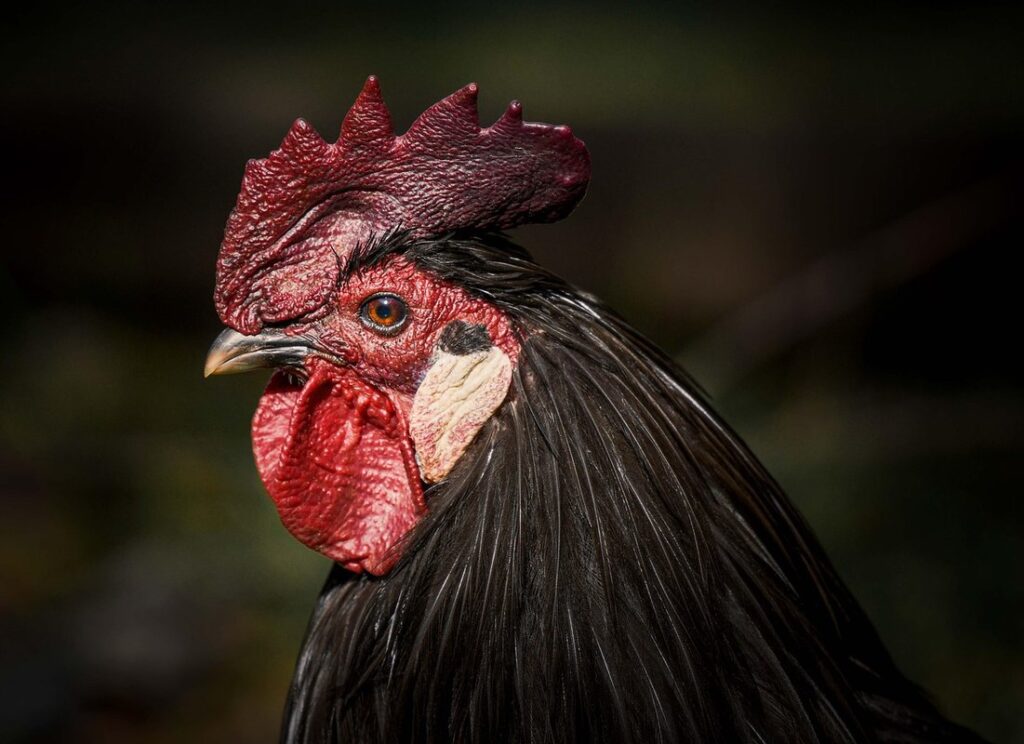
Understanding Coccidiosis in Hens
Coccidiosis can be a challenging and costly issue for backyard chicken keepers, so understanding its symptoms is crucial to providing effective care. Let’s explore the signs of coccidiosis in hens.
What is Coccidiosis?
Coccidiosis is a widespread disease affecting hens globally, causing significant economic losses to poultry farmers. According to estimates, coccidiosis affects up to 90% of layer farms worldwide, making it one of the most common diseases in poultry production. The impact on individual flocks can be substantial, with losses ranging from 10% to 50% of egg-laying capacity.
This disease is caused by a parasite called Eimeria, which infects the hen’s digestive system. The parasite multiplies rapidly, causing damage to the small intestine and leading to symptoms such as diarrhea, bloody stools, and weight loss. In severe cases, hens may become lethargic, stop laying eggs, or even die.
The high prevalence of coccidiosis in hens is often attributed to poor biosecurity practices, inadequate nutrition, and unsanitary living conditions. For instance, if a flock is introduced to a new environment without proper quarantine and vaccination, the risk of infection increases significantly. Additionally, a diet lacking essential nutrients can weaken the hen’s immune system, making it more susceptible to coccidiosis.
To minimize the risk of coccidiosis in hens, poultry farmers must adopt robust biosecurity measures, including regular cleaning and disinfection of facilities, strict animal movement controls, and implementing vaccination programs. A balanced diet rich in essential nutrients is also crucial in maintaining a healthy flock.
Types of Coccidia Affecting Hens
Coccidia are a group of single-celled parasites that can infect hens and cause coccidiosis. The most common species affecting hens are Eimeria, Isospora, and Histomonas. Understanding the characteristics of each is crucial for effective management and prevention.
Eimeria species are the most prevalent coccidia infecting hens worldwide. They have a complex life cycle, which involves multiple stages within the host’s intestinal tract. Transmission occurs through fecal-oral contamination, where infected hen droppings come into contact with uninfected birds’ feed or water. Eimeria species exhibit high host specificity, meaning they tend to infect specific parts of the intestine.
Isospora belli is another significant coccidian parasite affecting hens. Its transmission route mirrors that of Eimeria, involving fecal-oral contamination. However, Isospora has a broader host range compared to Eimeria, making it more adaptable in different environments. Histomonas meleagridis, also known as blackhead disease, primarily affects turkeys but can also infect hens. Its unique life cycle involves a complex interplay between the parasite and the host’s immune system.
These species have distinct characteristics that make them challenging to manage. For instance, Eimeria requires strict biosecurity measures to prevent fecal-oral transmission. Identifying the specific species present on your farm is essential for implementing targeted control strategies. Regular monitoring of flocks through fecal exams can help detect early signs of infection, allowing for timely intervention and reducing the risk of disease spread.
Symptoms of Coccidiosis in Hens
If you suspect your hens have coccidiosis, it’s essential to recognize the early warning signs, including changes in droppings, appetite, and overall behavior. Look out for these critical symptoms of illness.
Common Clinical Signs
When you notice that something is amiss with your flock, it’s essential to identify the common clinical signs of coccidiosis. The most apparent symptoms include weight loss, diarrhea, lethargy, and changes in egg production.
Weight loss can be a subtle sign, but if you notice that several hens are losing condition or becoming gaunt, it may indicate a severe infection. Diarrhea is another common symptom, which can range from soft droppings to bloody stools. In some cases, the hen’s digestive system may become overwhelmed, leading to dehydration and electrolyte imbalances.
Changes in egg production can also be an early warning sign of coccidiosis. Affected hens might lay fewer eggs or experience a drop in egg quality. If left untreated, the infection can lead to reproductive problems and even death.
Subtle Symptoms to Watch For
While some signs of coccidiosis may be more apparent, such as bloody droppings and lethargic behavior, there are also more subtle symptoms to watch for. Decreased feed intake is a common early warning sign that can indicate the presence of coccidiosis in your hens. This may seem like a minor issue at first, but it can quickly lead to weight loss and weakened immune systems if left unaddressed.
Keep an eye out for changes in droppings consistency as well – while bloody droppings are often a clear sign of coccidiosis, normal droppings that suddenly become watery or loose may also indicate the presence of the disease. Increased mortality rates among your hens can be another indicator of coccidiosis.
To monitor for these subtle symptoms, regularly check the feed intake and droppings of all your hens, looking for any sudden changes from normal patterns. Regularly checking for signs of illness or stress in individual birds is also essential to catching problems early on. By staying vigilant and recognizing these early warning signs, you can take action quickly to prevent coccidiosis from taking hold and causing more serious issues down the line.
Causes and Risk Factors for Coccidiosis
Coccidiosis can be caused by a variety of factors, including poor sanitation, overcrowding, and inadequate nutrition. Understanding these causes is crucial to preventing the disease in your flock.
Contamination of Feed and Water
Contaminated feed and water can be a major source of coccidia oocysts for hens, spreading the disease through ingestion. When feed and water become contaminated with the feces of infected birds, the oocysts present on the surface can easily be picked up by other birds as they drink or eat.
To put this into perspective, research has shown that even a small amount of contaminated feed can lead to a significant outbreak of coccidiosis. In one study, it was found that feeding hens just 1% contaminated feed resulted in a 90% infection rate within two weeks. This highlights the importance of maintaining proper hygiene and sanitation practices in poultry facilities.
To prevent contamination, ensure that feed and water are stored and handled properly. Change the feed frequently, and use a clean scoop or bucket to avoid cross-contamination. Also, regularly inspect feeders and waterers for signs of fecal contamination or mold growth. By implementing these simple measures, you can significantly reduce the risk of coccidiosis outbreaks in your flock.
Environmental Stressors
Environmental stressors play a significant role in increasing the risk of coccidiosis in hens. Temperature fluctuations are one such environmental factor that can contribute to this issue. Extreme heat or cold can weaken a hen’s immune system, making it more susceptible to infection. For instance, temperatures above 80°F (27°C) can cause hens to become stressed, leading to increased moisture loss and reduced appetite.
Poor ventilation is another critical aspect of environmental stressors that can contribute to coccidiosis in hens. When ammonia levels build up due to poor air circulation, it can create an environment conducive to the growth of pathogenic Eimeria species. This, combined with high humidity, creates a perfect storm for coccidiosis to develop.
To mitigate these risks, farmers and backyard chicken keepers should focus on maintaining optimal environmental conditions. This includes ensuring adequate ventilation, controlling temperature fluctuations within 60-80°F (15-27°C), and maintaining relative humidity between 40-60%. Regular monitoring of the coop’s environment can also help identify areas for improvement.
Diagnosing Coccidiosis in Hens
To accurately diagnose coccidiosis, it’s essential to look for a combination of symptoms and test results from your veterinarian. A correct diagnosis will guide you towards effective treatment options.
Laboratory Tests for Coccidiosis
When it comes to diagnosing coccidiosis in hens, laboratory tests play a crucial role. The most common tests used are fecal examination, PCR (Polymerase Chain Reaction), and serology.
Fecal examination involves collecting a stool sample from an infected hen and examining it for the presence of oocysts, which are the eggs of the coccidiosis parasite. This test is relatively inexpensive and can provide quick results. However, it may not always detect low levels of infection or identify the specific species of coccidia present.
PCR testing, on the other hand, involves taking a small sample of stool and using specialized equipment to amplify the DNA of the parasite. This method is more sensitive than fecal examination and can accurately identify the species of coccidia present. However, it may require additional resources and expertise.
Serology tests measure the levels of antibodies produced in response to infection, which can indicate past or current exposure to coccidiosis. While these tests are useful for monitoring flock health over time, they may not detect active infections or provide a definitive diagnosis.
It’s essential to consult with a veterinarian to determine the best testing approach for your flock, as each method has its pros and cons.
Clinical Examination and History Taking
When diagnosing coccidiosis in hens, veterinarians rely heavily on clinical examination and history taking. This involves conducting a thorough physical examination of the birds to look for signs of infection such as diarrhea, weight loss, and pale comb and legs. A veterinarian will also ask the farm owner or caretaker about the bird’s history, including its breed, age, diet, living conditions, and any recent changes that may have contributed to the outbreak.
It’s essential to take a detailed history of the flock, including the onset of symptoms, duration, and severity. This information can help identify potential risk factors such as overcrowding, poor sanitation, or inadequate nutrition. For instance, if the birds have been experiencing diarrhea for several weeks, it may indicate a chronic infection that requires a more targeted treatment approach.
During the examination, veterinarians will also assess the bird’s overall health and look for any physical signs of coccidiosis, such as bloody stools or rectal prolapse. By combining clinical examination with a thorough history taking, veterinarians can accurately diagnose coccidiosis in hens and develop an effective treatment plan to get the flock back on track.
Treatment Options for Coccidiosis in Hens
If you’re concerned about your hens’ health, understanding treatment options for coccidiosis is crucial to helping them recover from this common poultry disease. We’ll explore effective treatments and management strategies next.
Anticoccidial Drugs
When treating coccidiosis in hens, anticoccidial drugs are often prescribed to alleviate symptoms and prevent the spread of the disease. These medications work by targeting the parasites that cause coccidiosis, such as Eimeria species.
There are several types of anticoccidial drugs available for use in poultry, including ionophores like monensin and lasalocid, which disrupt the parasite’s energy production. Other options include sulfonamides and amprolium, which interfere with nucleic acid synthesis. These medications can be administered through feed or water, making it essential to follow proper dosing instructions to ensure effectiveness.
However, overuse of anticoccidial drugs has led to concerns about antibiotic resistance. To mitigate this risk, it’s crucial to adhere to treatment guidelines and only use these medications when necessary. A veterinarian should always be consulted before starting any treatment regimen. Regular monitoring of flock health and environmental conditions can also help identify potential issues early on, reducing the need for medication altogether.
Alternative Treatment Methods
When it comes to controlling coccidia infections in hens, many poultry keepers are turning away from traditional treatments and towards alternative methods that prioritize prevention over cure. One such approach is vaccination programs, which can provide long-term protection against the parasite.
Certain types of probiotics have also been shown to be effective in reducing coccidiosis symptoms in hens. These beneficial bacteria help maintain a healthy gut microbiome, making it more difficult for the parasite to establish itself. Some studies suggest that supplementing with probiotics can lead to significant reductions in mortality rates and improved egg production.
Dietary modifications are another alternative method worth considering. Research has indicated that certain nutrients, such as coccidiostats, can help prevent or treat coccidiosis infections when included in the hens’ diet. Additionally, feeding a balanced and nutritious diet that includes plenty of fresh fruits and vegetables can help support overall health and immunity.
It’s essential to note that these alternative methods may not be suitable for all flocks, so it’s crucial to consult with a veterinarian or poultry expert before implementing any new preventative measures.
Prevention Strategies for Coccidiosis in Hens
When it comes to keeping your hens healthy and happy, preventing coccidiosis is crucial. In this next part, we’ll cover practical strategies for avoiding this common poultry disease.
Biosecurity Measures
Implementing effective biosecurity measures is crucial to reducing the risk of coccidiosis outbreaks on poultry farms. One key practice is proper cleaning and disinfection of coops and equipment. This involves regular washing with soap and water, followed by a disinfectant solution that targets Eimeria oocysts, the causative agent of coccidiosis.
To further minimize transmission risks, it’s essential to isolate new birds from existing ones for at least 14 days before integrating them into the flock. This quarantine period allows time for potential diseases to manifest or resolve, reducing the likelihood of an outbreak.
Regular monitoring for disease signs is also vital in early detection and prevention. Keep a close eye out for symptoms such as weight loss, lethargy, and changes in droppings. If you notice any unusual behavior or physical changes among your hens, consult with a veterinarian promptly to prevent further spread.
Additionally, maintain accurate records of vaccinations, treatments, and disease occurrences to identify potential patterns or hotspots.
Nutrition and Diet Management
A well-planned nutrition and diet management strategy can play a significant role in preventing coccidiosis in hens. When it comes to feeding, providing high-quality feed that is rich in essential nutrients is crucial. This includes ingredients like omega-3 fatty acids, vitamins A and E, and minerals like calcium and phosphorus. These nutrients help boost the hen’s immune system, making them more resilient to coccidiosis.
Maintaining optimal hydration levels is also vital for preventing coccidiosis. Access to clean, fresh water at all times should be ensured. Dehydration can weaken a hen’s immune system, making them more susceptible to infection. In addition to providing adequate water, it’s essential to ensure that hens have access to adequate light and space to roam freely. This will help reduce stress levels and promote overall well-being.
In terms of specific dietary recommendations, limiting the use of pesticides and antimicrobials in feed can also help prevent coccidiosis. Instead, opt for organic or non-GMO feeds whenever possible. By making these simple changes to a hen’s diet and living environment, you can significantly reduce their risk of developing coccidiosis.
Frequently Asked Questions
Can I prevent coccidiosis in hens if they’re raised on pasture?
Yes, pasturing can be a beneficial approach to reducing the risk of coccidiosis. However, it’s essential to implement robust biosecurity measures and maintain good hygiene practices when introducing new birds to the pasture or allowing them to forage freely. Regular monitoring of flock health and adjusting management strategies accordingly can also help mitigate the spread of coccidiosis.
What are some common mistakes backyard chicken keepers make when treating coccidiosis?
Backyard chicken keepers often overlook the importance of administering treatment at the right dose and duration, which can lead to treatment failure or even worsen the condition. It’s crucial to follow the manufacturer’s instructions for anticoccidial drugs and monitor the flock’s response closely. Additionally, failing to address environmental stressors and nutritional deficiencies can hinder recovery.
Can I use antibiotics to treat coccidiosis in hens?
No, antibiotics are not typically effective against coccidia parasites and should be used judiciously to prevent antibiotic resistance. Instead, focus on using anticoccidial drugs specifically designed to target Eimeria species or alternative treatment methods like herbal supplements.
What’s the best way to maintain biosecurity when introducing new birds to my flock?
When introducing new birds, it’s essential to follow strict isolation protocols to minimize the risk of coccidiosis transmission. This includes housing them in a separate area with their own feed and water supplies, monitoring for signs of illness closely, and implementing regular cleaning and disinfection practices.
Can I use probiotics as a preventative measure against coccidiosis?
Yes, incorporating probiotics into your flock’s nutrition can help support gut health and reduce the risk of coccidiosis. However, it’s essential to choose products specifically formulated for poultry and follow the recommended dosage to ensure effectiveness.