
Are you one of the many backyard chicken enthusiasts who have invested in a flock of point of lay chickens? These birds are a delight to keep, but they require some special care to ensure they stay happy and healthy. As your girls approach maturity, their egg production will increase significantly – but only if you’re providing them with the right nutrition, housing, and management.
In this article, we’ll cover everything you need to know about caring for your point of lay chickens. From feeding them a balanced diet that maximizes egg production to creating a safe and comfortable living space, we’ve got you covered. We’ll also share some valuable health tips and management strategies to help you maintain a happy and thriving flock. Whether you’re a seasoned chicken keeper or just starting out, this guide will provide you with the expert advice you need to get the most from your point of lay chickens.
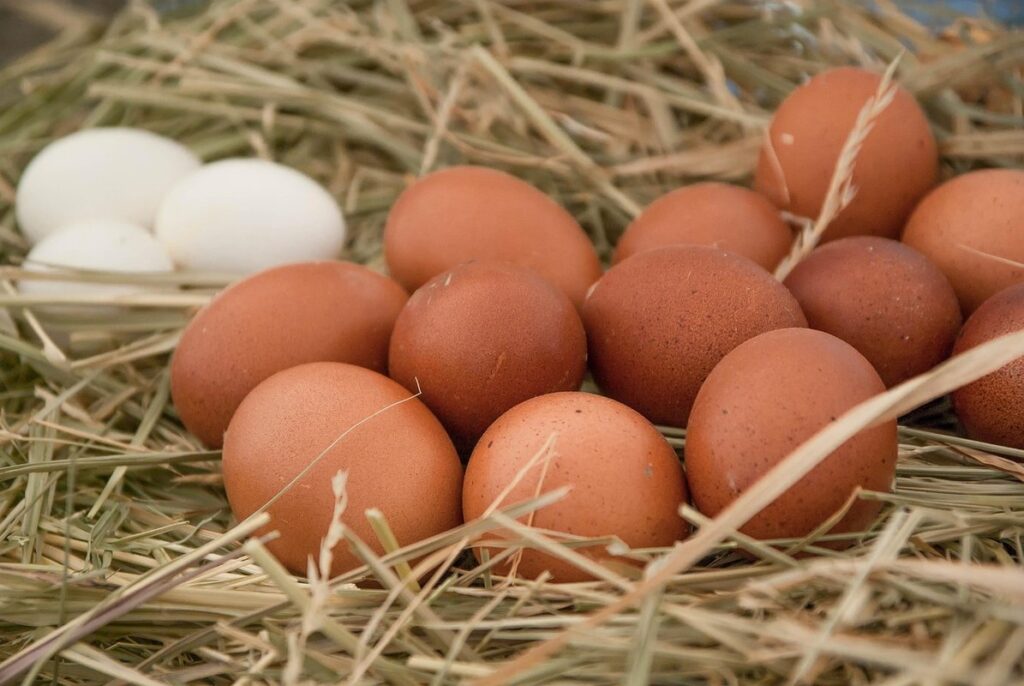
Understanding Point of Lay Chickens
Understanding what makes a point of lay chicken is essential for new owners, as it impacts their care and behavior. Let’s dive into the characteristics that define these birds.
What are Point of Lay Chickens?
When it comes to raising chickens for eggs, you may come across the term “point of lay” or “POL.” But what exactly are point of lay chickens? Simply put, they’re young hens that are just about to start laying eggs. These birds are usually between 16 and 24 weeks old and have reached sexual maturity.
This is different from other types of chickens, such as broilers which are raised for meat or cockerels which will eventually become roosters. Point of lay chickens are specifically bred to be prolific layers, meaning they’ll produce a steady supply of eggs throughout their lives.
To identify a point of lay chicken, look for birds that have developed the typical physical characteristics of hens, such as larger breasts and more robust builds. They should also start to show signs of egg-laying, like swollen vents or small droppings of yolk. Keep in mind that every breed is different, so it’s essential to research specific growth rates and characteristics for your chosen flock.
Benefits of Raising Point of Lay Chickens
Raising point of lay chickens offers numerous benefits that make them an ideal choice for backyard flock owners. One of the most significant advantages is their high egg production. Point of lay chickens are bred specifically to begin laying eggs at a young age, typically between 16 and 24 weeks old. This means you can expect a steady supply of fresh eggs from your flock, with some breeds producing up to 300 eggs per year.
Another benefit of raising point of lay chickens is their manageable size. Unlike larger breeds, point of lays are compact birds that require less space to roam. They are perfect for small backyards or those with limited space for a chicken coop. This makes them an excellent choice for city dwellers or anyone looking to start a backyard flock.
In addition, point of lay chickens are often lower maintenance than other breeds. They are hardy and disease-resistant, requiring less veterinary care and attention. With proper care and management, your point of lay flock can thrive, providing you with delicious eggs and entertainment for years to come.
Nutrition for Point of Lay Chickens
When it comes to feeding your point of lay chickens, providing a balanced diet is crucial to their health and productivity. Let’s take a closer look at what they need to thrive.
Providing a Balanced Diet
As you prepare to bring home your point of lay chickens, it’s essential to understand their nutritional needs. These hens require a balanced diet that meets their energy and nutrient requirements for optimal health and egg production.
Point of lay chickens need protein-rich foods to maintain muscle mass and support their reproductive system. Aim for a feed with at least 16% protein content. Include treats like mealworms, sunflower seeds, or oats in moderation to provide variety and extra nutrients.
Calcium is another critical nutrient for laying hens. It’s necessary for building strong eggshells and maintaining bone health. Ensure their feed contains around 3-4% calcium, and supplement with crushed oyster shells or dark leafy greens like kale and spinach.
Vitamins A, D, and E are also vital for overall health. Provide access to fresh fruits and vegetables, such as carrots, apples, and berries, which are rich in these vitamins. Additionally, consider adding a vitamin supplement specifically formulated for poultry to their feed, following the manufacturer’s guidelines.
Remember, a balanced diet should be tailored to your chickens’ individual needs, age, and breed. Consult with a veterinarian or experienced breeder to create a customized feeding plan for your point of lay chickens.
Feed Options for Point of Lay Chickens
When it comes to feeding point of lay chickens, you have several options to choose from. Commercial feeds are a popular choice among chicken keepers due to their convenience and affordability. These feeds typically contain a balanced mix of nutrients that promote egg production and overall health.
However, some chicken owners prefer organic or natural feed alternatives for their flock. These options may include feeding grains such as oats, barley, or wheat, along with fruits and vegetables like apples, carrots, and leafy greens. You can also consider using mealworms or crickets as a protein source.
When selecting an organic feed option, make sure to choose products that are free from additives and pesticides. Some farmers even prefer to raise their own chickens on pasture, allowing them to forage for natural foods like grasses and insects. The key is to find a balance between providing essential nutrients and avoiding over-reliance on supplements.
Consider consulting with a poultry expert or veterinarian to determine the best feed option for your specific flock’s needs.
Housing and Environment for Point of Lay Chickens
When it comes to raising healthy point of lay chickens, providing a suitable housing and environment is crucial to their well-being and productivity. Here, we’ll discuss the ideal living arrangements for your flock.
coop Design and Layout
When it comes to housing and caring for point of lay chickens, coop design and layout play a crucial role. A well-designed coop provides a safe and comfortable environment that meets the needs of your flock, ultimately affecting their health, happiness, and productivity.
To start with, consider the size of your coop in relation to the number of birds you’re keeping. A general rule of thumb is 2-4 square feet per bird inside the coop, plus an additional 8-10 square feet per bird in the run area. This ensures enough space for movement and exercise, reducing stress and the likelihood of disease.
In terms of layout, prioritize ventilation, lighting, and accessibility. Ensure windows and vents are strategically placed to promote airflow and reduce moisture buildup. Add a roost bar or perch for birds to roost on at night, as this will also aid in waste management. Think about easy cleaning access, too – a sloping roof or removable walls can make all the difference when it comes to maintaining your coop’s hygiene.
Additionally, consider your flock’s needs and preferences when designing the coop layout. For example, if you’re keeping chickens that prefer to scratch, provide an ample area for foraging in the run.
Space Requirements for Point of Lay Chickens
When it comes to housing point of lay chickens, providing adequate space is crucial for their physical and mental well-being. A minimum of 4-5 square feet per bird indoors is recommended, but this can vary depending on the breed and climate. For example, larger breeds like Orpingtons or Plymouth Rock may require more space than smaller breeds like Leghorns.
In addition to floor space, point of lay chickens need perches for roosting, nesting boxes for laying eggs, and exercise areas for stretching their wings and legs. A good rule of thumb is to provide one nesting box per 3-4 hens, as they can be territorial when it comes to egg-laying.
For exercise, a minimum of 10-15 square feet of outdoor space per bird is recommended, but this can vary depending on the breed and climate. Providing a fenced area or run will give your chickens room to roam while keeping them safe from predators. Consider adding some toys and enrichment activities to keep them stimulated and engaged.
Health Considerations for Point of Lay Chickens
As you prepare your chickens for laying, it’s essential to consider their health needs to ensure they remain healthy and thrive throughout their production cycle. This section addresses common health concerns for point of lay chickens.
Common Health Issues in Point of Lay Chickens
As you care for your point of lay chickens, it’s essential to be aware of common health issues that can affect them. One of the most prevalent problems is external parasites like mites and lice. These tiny creatures feed on the chicken’s blood, causing discomfort, stress, and potential health complications. Regular checks and treatments are crucial to control their population.
Respiratory problems, such as Aspergillosis, Pneumonia, and Air Sac Mould, can also be significant concerns for point of lay chickens. These conditions often result from damp environments, poor ventilation, or exposure to pathogens like fungi. Keep your coop clean, dry, and well-ventilated to reduce the risk of respiratory issues.
Beak trimming is another common health issue in point of lay chickens. Overgrown beaks can cause discomfort, affect feeding habits, and even lead to cannibalism among hens. Regular beak trimming (every 4-6 weeks) will help maintain your chicken’s overall health.
Keep a close eye on your flock’s behavior, appetite, and droppings, and consult with a veterinarian if you notice any unusual signs or symptoms.
Vaccinations and Preventative Care
Maintaining good health is crucial for point of lay chickens to ensure they stay productive and continue laying eggs at their peak. Vaccinations play a vital role in protecting them from diseases that can cause significant losses.
The primary vaccinations required for point of lay chickens are against Marek’s disease, infectious bronchitis, Newcastle disease, and fowl pox. These vaccinations typically start when the chicks are around one day old and continue at 6-8 week intervals until they reach 18 weeks. It’s essential to follow a vaccination schedule recommended by your veterinarian or poultry expert.
Preventative care is also vital in maintaining the health of point of lay chickens. This includes keeping their living space clean, providing adequate nutrition, and monitoring for any signs of illness. Regular check-ups with a veterinarian can help identify potential issues before they become serious problems.
Some key preventative measures include dust bathing to remove parasites from feathers, providing access to fresh water at all times, and maintaining good ventilation in the coop to reduce ammonia levels. By implementing these measures, you’ll be able to keep your point of lay chickens healthy, thriving, and laying eggs regularly.
Management Tips for Point of Lay Chickens
Managing point of lay chickens effectively is crucial, so we’ll walk you through key tips to optimize their care and maintenance in your backyard flock.
Handling and Grooming
Handling and grooming your point of lay chickens is crucial for their overall health and well-being. Since these birds are nearly mature, they require gentle yet firm handling to prevent injury to both you and the chicken.
When approaching a point of lay chicken, move slowly and calmly to avoid startling them. Allow them to become accustomed to your presence by sitting near them or offering treats. Start with short sessions and gradually increase the time spent handling as they grow more comfortable.
Grooming is essential for removing dirt, debris, and parasites from their feathers. Begin by gently brushing away any loose feathers or debris from around the vent area and under the wings. Use a soft-bristled brush specifically designed for chickens, being careful not to pull on sensitive areas such as the eyes or ears.
Regular nail trimming and beak maintenance are also vital. Trimming nails regularly prevents overgrowth, which can cause discomfort and lead to health issues. Beak trimming helps maintain a healthy shape, preventing overgrowth that may interfere with feeding or pecking at grain.
By incorporating regular handling and grooming into your care routine, you establish trust with your point of lay chickens and ensure their optimal comfort and well-being.
Egg Collection and Storage
Collecting eggs from your point of lay chickens is an essential task that requires attention to detail and regularity. It’s best to collect eggs at least twice a day, once in the morning and again in the afternoon, as this will help prevent breakage and reduce the risk of contamination.
When collecting eggs, make sure to gently pick them up from under the hen or from the nesting box, taking care not to startle her. It’s also crucial to check for any broken or cracked eggs, which should be removed immediately to maintain cleanliness and prevent infection.
For storing eggs properly, it’s essential to keep them cool, dry, and away from direct sunlight. Store them in a carton or container with the pointed end facing down and the large end facing up. This will help prevent moisture from entering the egg through the small end. You can also store eggs in a refrigerator at a temperature of around 40°F (4°C), making sure to keep them away from strong-smelling foods that may transfer odors to the eggs.
Regularly cleaning and disinfecting your nesting box is also vital for maintaining clean eggs and preventing diseases.
Conclusion: Raising Healthy Point of Lay Chickens
Now that you’ve learned how to care for your point of lay chickens, it’s time to put your knowledge into practice and raise healthy hens that will reward you with plenty of eggs. This section offers final tips and advice.
Summary of Key Points
In summary, we’ve covered essential aspects of point of lay chickens care. Nutritionally, it’s crucial to provide a balanced diet that includes fresh vegetables, fruits, and high-quality commercial feed, as well as ensure access to clean water at all times. For optimal health, regular vaccinations are necessary, alongside maintaining cleanliness in the coop and run.
Housing is also a vital aspect of caring for point of lay chickens. A spacious coop with adequate ventilation, nesting boxes, and protection from predators is essential. Consider incorporating perches, roosts, and scratching posts to promote exercise and comfort.
Effective management practices include monitoring temperature fluctuations, as well as conducting regular health checks. These habits will help identify potential issues early on, reducing the risk of illness or disease. Furthermore, introducing foraging activities can stimulate mental and physical activity in your flock.
By implementing these guidelines, you’ll be well-equipped to provide the best possible care for your point of lay chickens, ensuring their optimal health and productivity throughout their lives.
Tips for Success with Your Point of Lay Chickens
To ensure success with your point of lay chickens, it’s essential to prioritize their health and well-being. One crucial aspect is providing a balanced diet that meets their nutritional needs. Aim for a mix of grains, proteins, and supplements specifically formulated for laying hens.
Another critical factor is maintaining a clean and safe living environment. Ensure proper ventilation, adequate lighting, and regular cleaning of the coop to prevent disease and parasites. Regular health checks are also vital; keep an eye out for signs of illness or stress and consult a veterinarian if you’re unsure.
In terms of egg production, don’t be discouraged by initial low numbers – it’s normal for hens to take time to adjust. Monitor their feed consumption and make adjustments as needed to optimize egg production. Consider implementing a flock management plan to balance breed diversity and prevent over-breeding.
By following these tips and staying attuned to your flock’s needs, you’ll be well on your way to raising healthy and productive point of lay chickens.
Frequently Asked Questions
How often should I collect eggs from my point of lay chickens?
Collecting eggs daily will help maintain a clean living space, prevent breakage, and encourage your hens to continue laying eggs. It’s also essential for monitoring egg production and detecting any potential health issues.
What are the signs that my point of lay chicken is getting enough calcium for strong eggshell production?
A balanced diet rich in calcium will ensure healthy eggshells. Look for signs like a steady increase in egg production, firm eggshells, and overall good health. Monitor your hens’ behavior, and consider supplementing with crushed oyster shells or dark leafy greens if necessary.
Can I raise point of lay chickens indoors without external space?
While possible, it’s essential to provide enough room for your hens to move around comfortably and engage in natural behaviors like scratching and perching. Consider a minimum of 2-4 square feet per bird inside the coop, and ensure good ventilation to maintain air quality.
How can I minimize stress on my point of lay chickens during molting?
During molting, reduce stress by maintaining a consistent routine, providing plenty of fresh water and nutritious food, and ensuring they have adequate shelter. Also, consider offering treats like mealworms or hard-boiled eggs to keep them occupied.
What are some signs that my point of lay chicken has a respiratory issue?
Monitor for symptoms like coughing, sneezing, labored breathing, or lethargy. Consider the coop’s air quality and make adjustments as needed. Consult with a veterinarian if you suspect respiratory issues in your flock.