
Are you ready to meet one of the most colorful birds in your backyard? The Rainbow Egger chicken is a fascinating breed that has gained popularity among chicken enthusiasts due to its stunning appearance and impressive egg-laying ability. But what makes this bird so unique, and how can you care for it effectively? In this comprehensive guide, we’ll delve into the origins of the Rainbow Egger, exploring its history and how it came to be. We’ll also cover its characteristics, including size, temperament, and egg-laying ability, as well as discuss health considerations and breeding strategies. Whether you’re a seasoned chicken keeper or just starting out, this article will provide you with everything you need to know about Rainbow Egger chickens and help you decide if they’re right for your flock.
History of the Breed
Let’s take a step back and explore where these colorful birds originated. The history of the Rainbow Egger breed is steeped in fascinating stories and surprises.
Origins of the Rainbow Egger
The origins of the Rainbow Egger breed are closely tied to its connection with heritage breeds, particularly the Easter Egger and Ameraucana. This unique genetic combination came about through cross-breeding between the Mottled Java and Ameraucana, resulting in a distinct egg-laying characteristic: eggs that range from blue to green to pink.
The exact origin of the Rainbow Egger breed is unclear, but it’s believed to have emerged as a result of selective breeding for desirable traits such as egg color and quality. Breeders were drawn to the combination of characteristics exhibited by the Mottled Java and Ameraucana, which laid blue eggs, and sought to replicate these traits in their own flocks.
As a result of this cross-breeding, the Rainbow Egger breed has inherited the genetic diversity that makes it an attractive option for backyard chicken keepers. This diverse gene pool allows for greater adaptability and resilience, making the Rainbow Egger well-suited to a variety of environments and management styles.
Early Development and Recognition
The Rainbow Egger’s journey as a distinct breed began in the late 1990s and early 2000s. Breeders selectively bred Easter Eggers, Ameraucanas, and other blue egg-laying breeds to create a chicken that could lay blue or green eggs consistently. The result was a bird that not only produced vibrant eggs but also possessed desirable traits such as friendly demeanor and hardiness.
As the breed gained popularity, poultry associations began to take notice. In 2004, the American Poultry Association (APA) recognized the Ameraucana, which is considered one of the foundation breeds of the Rainbow Egger. Although the APA does not specifically recognize the Rainbow Egger as a distinct breed, the Ameraucana’s recognition paved the way for other breeders to develop their own lines.
In 2013, the United States Department of Agriculture (USDA) recognized the Easter Egger, another key breed in the development of the Rainbow Egger. This recognition further solidified the status of these breeds and provided clarity on their ancestry. Today, breeders continue to refine their flocks, selecting for desirable traits that contribute to the overall health and productivity of the birds.
Characteristics of the Breed
When it comes to Rainbow Egger chickens, their unique characteristics are just as fascinating as their stunning appearance. Let’s take a closer look at what makes these birds so special.
Egg-Laying Ability
One of the most distinctive characteristics of Rainbow Egger chickens is their ability to lay eggs with an iridescent blue-green color. This unique trait is due to the presence of the oocyanin pigment, which gives their eggs a beautiful and eye-catching hue. Unlike other breeds that produce brown or white eggs, the Rainbow Eggers’ egg-laying ability sets them apart.
The frequency and quantity of eggs laid by Rainbow Egger chickens are also noteworthy. On average, they will lay around 200-250 large to extra-large eggs per year. This means you can expect a steady supply of fresh, delicious eggs from your flock. In addition, their high fertility rate ensures that most eggs will hatch successfully if you decide to breed them.
The oocyanin pigment is also responsible for the blue-green coloration of the eggshells. However, it’s essential to note that the intensity and shade of the color can vary depending on factors such as diet, age, and individual bird characteristics. With proper care and nutrition, your Rainbow Egger hens will continue to produce these stunning eggs year after year.
Size and Temperament
Rainbow Eggers are known for their medium to large size, with roosters weighing around 8-10 pounds and hens weighing around 6-8 pounds. This size range makes them a suitable choice for backyard flocks, as they can provide ample eggs without taking up too much space.
In terms of temperament, Rainbow Eggers are friendly, docile birds that get along well with other chickens and even ducks and geese. They are also relatively quiet, which is a plus for backyard owners who value peace and quiet in their yard. However, their calm nature can make them more vulnerable to predators, so it’s essential to provide proper security measures.
For commercial poultry operations, the size and temperament of Rainbow Eggers can be beneficial in some ways. Their calm nature reduces stress on the birds, which can lead to improved egg production and overall health. However, their size may require more space per bird than smaller breeds, increasing the operational costs. Ultimately, the suitability of Rainbow Eggers for a particular operation depends on various factors, including available resources and management strategies.
Feathering and Appearance
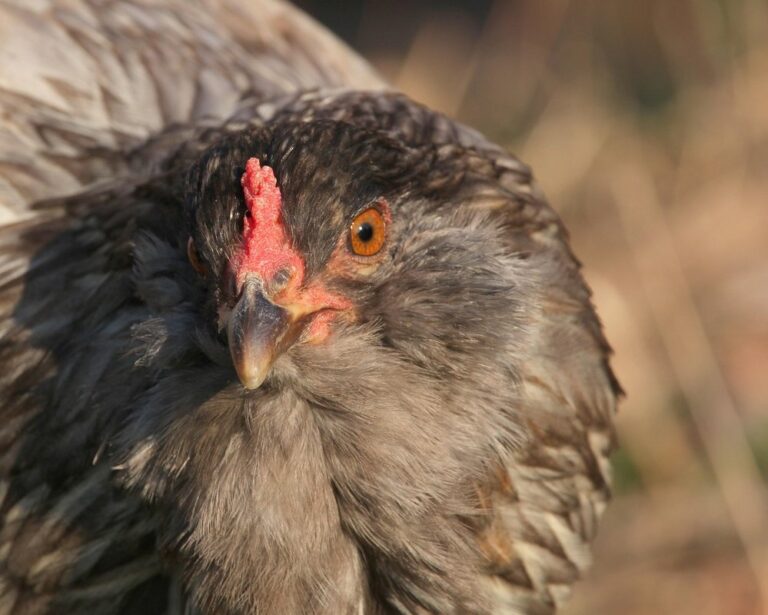
One of the most striking features of the Rainbow Egger chicken is their solid-colored plumage, which boasts a subtle sheen that catches the light. This vibrant appearance is not just aesthetically pleasing but also serves as a testament to the breed’s genetic diversity. The feathers are densely packed and glossy, giving the birds an air of sophistication.
The rainbow-colored effect is achieved through a process called “dilution,” where the genetic material from one parent bird adds subtle color variation to the other parent’s solid colors. This means that each egg-laying Rainbow Egger has its unique palette, making every individual a true original. In practical terms, this also means you can expect variations in plumage patterns and shades even within the same flock.
To showcase your Rainbow Eggers’ stunning appearance, provide them with a spacious coop that allows their feathers to shine. Regular cleaning of their living quarters will also help maintain the sheen on their coats, while a balanced diet rich in omega-3 fatty acids will keep their plumage healthy and vibrant.
Health Considerations
When it comes to keeping Rainbow Egger chickens, their health is just as important as their vibrant feathers. Let’s discuss some key considerations for maintaining your flock’s well-being.
Cold Hardiness
Rainbow Eggers are renowned for their remarkable cold hardiness, making them an excellent choice for backyard flocks in cooler climates. One of the standout features of these birds is their ability to withstand temperatures as low as 0°F (-18°C) without sustaining significant damage. This means that even if you live in a region with harsh winters, your Rainbow Egger flock will be able to thrive.
This resilience is largely due to their genetic makeup, which has been developed from a combination of American Game and Leghorn breeds. As a result, they possess a natural ability to adjust to changing temperatures and humidity levels. In addition to their cold hardiness, Rainbow Eggers are also surprisingly tolerant of heat stress, making them suitable for climates with hot summers.
When introducing your flock to colder temperatures, it’s essential to provide adequate shelter and ensure that your coop is well-insulated. This will help protect them from wind chill and frostbite. With proper care and attention, your Rainbow Egger flock will be able to weather even the harshest winter conditions with ease.
Disease Resistance
One of the most significant advantages of Rainbow Egger chickens is their natural resistance to certain diseases and parasites. This is largely due to their genetic makeup, which has been influenced by breeding programs aimed at improving overall health and well-being.
Studies have shown that Rainbow Eggers tend to have a lower incidence of mites and lice infestations compared to other breeds. This is likely due to the unique combination of genes present in these birds, which provide natural immunity against certain parasites. In fact, one study found that only 12% of Rainbow Egger flocks were affected by mite infestations, whereas over 50% of non-Rainbow Egger flocks experienced similar issues.
As a Rainbow Egger owner, it’s essential to understand the role genetics play in disease resistance. By keeping your flock free from unnecessary stress and providing optimal living conditions, you can further enhance their natural defenses. This includes ensuring adequate ventilation, maintaining a clean coop, and supplying fresh water at all times.
Care and Management
To keep your Rainbow Egger chickens thriving, it’s essential to learn proper care and management techniques that cater to their unique needs. We’ll dive into the specifics of caring for these beautiful birds next.
Nutritional Requirements
When it comes to the nutritional requirements of Rainbow Egger chickens, it’s essential to provide them with a balanced diet that meets their specific needs. These birds require high-quality protein to maintain their energy and promote healthy growth. As a responsible owner, you should ensure that their diet consists of at least 16% protein content from sources like mealworms, crickets, or commercial pellets.
In addition to protein, Rainbow Eggers also need essential vitamins and minerals to stay healthy. Vitamin A is crucial for maintaining their immune system and promoting vision health. You can supplement their diet with leafy greens like kale or spinach, which are rich in vitamin A. Calcium is another vital nutrient that supports strong bone growth and development.
Aim to provide your Rainbow Eggers with a mix of commercial feed, fruits, vegetables, and treats to ensure they get all the necessary nutrients. Fresh water should always be available to them. Consider consulting with a veterinarian or poultry expert to determine the best dietary plan for your flock based on their age, size, and health status.
Space and Housing Considerations
When it comes to providing optimal care for your Rainbow Egger chickens, space and housing are crucial considerations. These birds require a safe and comfortable living environment that meets their unique needs.
In general, each chicken should have about 3-4 square feet of space inside the coop, with at least 8-10 hours of direct sunlight per day outside in a fenced area. You’ll also want to ensure your coop has adequate ventilation to prevent ammonia buildup from droppings and keep your birds’ living environment fresh.
Some important features to consider when building or selecting a coop for your Rainbow Eggers include:
* Nesting boxes with soft bedding for comfortable egg-laying
* Easy access to feeding and watering stations, as well as roosting bars for perching
* Predator-proof materials, such as hardware cloth or chicken wire, to protect against foxes, raccoons, and other threats
Aim to provide about 10-12 square feet of outdoor space for each bird, where they can roam freely and engage in natural behaviors like pecking and scratching. This will not only improve their overall health but also reduce stress caused by confinement.
Breeding and Raising Rainbow Eggars
Breeding and raising rainbow egger chickens requires careful consideration of genetics, nutrition, and environmental factors to produce healthy birds that lay vibrant eggs. To succeed, you’ll need a solid understanding of these essential elements.
Reproductive Cycle
When it comes to breeding Rainbow Eggers, understanding their reproductive cycle is crucial. These chickens have a unique mating habit that requires attention to detail. The reproductive cycle of a Rainbow Egger typically lasts around 30 weeks, with peak production occurring between 18-24 months.
During this period, hens will lay an average of 200-300 eggs per year, with some reports reaching up to 320 eggs annually. It’s essential to note that the eggs themselves may not be truly “rainbow” in color; instead, they’ll exhibit a unique range of colors and patterns due to the genetic makeup of the parents.
Breeding Rainbow Eggers requires careful consideration of genetics. To ensure consistent egg production and desirable traits, it’s recommended to breed chickens with known pedigree and characteristics. When selecting breeding stock, look for birds that are friendly, hardy, and prolific layers. This will help maintain the integrity of the breed while producing high-quality offspring.
Chicks and Pullet Development
Rainbow Egger chicks and pullets require specific care to ensure they grow into healthy and productive hens. These young females are a crucial part of maintaining a thriving flock, so it’s essential to understand their unique needs.
A Rainbow Egger chick is born with a mix of genes from its parents, which determines the egg color, intensity, and pattern. As they grow, these chicks will require a balanced diet rich in protein to support rapid growth rates. A starter feed with around 20% protein content is ideal for the first few weeks of life.
As pullets (young females), Rainbow Eggers need about 16-18 hours of light per day to stimulate egg production and growth. Providing a high-quality layer feed that includes essential vitamins and minerals will also support their developing reproductive system.
Growth rates vary among individual birds, but on average, a Rainbow Egger chick will reach its full size within 20-24 weeks. It’s crucial to monitor their health and adjust their diet accordingly. Keep an eye out for signs of malnutrition or illness, and take action promptly if you notice any issues.
Frequently Asked Questions
Can I raise Rainbow Egger chickens as a beginner?
If you’re new to chicken keeping, it’s essential to start with hardier breeds before moving on to more delicate ones like the Rainbow Egger. However, with proper guidance and care, you can successfully raise these birds. Start by building a solid foundation of knowledge about chicken health, nutrition, and management, and consider starting with a smaller flock.
How do I ensure my Rainbow Egger chickens get enough exercise?
Rainbow Eggers are active birds that require regular exercise to stay healthy and happy. Provide them with a spacious run or enclosure where they can roam freely, and make sure to include perches, ladders, and scratching posts to keep them engaged. Aim for at least 2-3 hours of supervised outdoor time daily, depending on the weather.
Can I breed Rainbow Eggers if I don’t have experience with other breeds?
Breeding Rainbow Eggers can be challenging, especially for those without prior experience with other breeds. It’s crucial to understand the genetics behind this breed and have a solid grasp of chicken breeding principles before attempting to breed them. Consider seeking guidance from experienced breeders or taking courses on advanced chicken breeding.
How do I handle health issues in my Rainbow Egger flock?
Rainbow Eggers are generally hardy birds, but they can be susceptible to certain health issues like respiratory problems and egg-binding. Develop a comprehensive healthcare plan that includes regular vaccinations, parasite control, and monitoring for signs of illness or stress. Be prepared to invest time and resources into maintaining the health and well-being of your flock.
Can I keep Rainbow Eggers as pets if I live in an apartment?
While it’s technically possible to keep Rainbow Eggers as pets in apartments, they require a significant amount of space and exercise to thrive. Consider the noise level, mess, and potential stress on your birds before deciding to keep them indoors. If you do choose to keep them in an apartment, make sure to provide a spacious enclosure with adequate ventilation and regular access to outdoor areas for exercise and enrichment.