
If you’re looking to diversify your backyard egg-laying operation with some new additions, consider introducing Dominique chickens into your flock. These birds are known for producing rich omega-3 eggs that pack a nutritional punch, making them an excellent choice for health-conscious homesteaders and backyard farmers. One of the best aspects of raising Dominiques is their easy-to-maintain temperament – they’re friendly, gentle, and relatively low-maintenance compared to some other breeds.
As you start your journey with Dominique chickens, it’s essential to learn more about their specific needs and how to raise healthy birds that thrive in your backyard. This article will cover the benefits of raising Dominiques for egg production, tips on creating a suitable environment for them, and provide a comprehensive guide to getting started with these wonderful birds. By the end of this article, you’ll be well-equipped to start your own Dominique flock and enjoy the rewards of fresh, high-quality eggs from these incredible chickens!
Introduction to Dominique Chickens
Let’s dive into the wonderful world of Dominique chickens, one of the oldest and most beloved breeds known for their exceptional egg-laying abilities. In this first section, we’ll introduce you to these amazing birds.
History and Origins of the Breed
The Dominique breed has its roots in the 18th century France, where it originated as a dual-purpose chicken. The breed was developed from various strains of chickens brought back by French soldiers and missionaries who traveled to Asia and other parts of Europe. One of the key characteristics that set Dominiques apart is their distinctive black-and-gray plumage, which has made them a favorite among backyard chicken keepers.
Interestingly, Dominique chickens were once considered one of the most popular breeds in America, but their numbers began to decline in the early 20th century due to cross-breeding with other breeds. However, in recent years, there’s been a resurgence in interest for this heritage breed, thanks to its unique egg-laying abilities and friendly temperament.
If you’re considering raising Dominiques for eggs, understanding their history and origins can help you appreciate their value as a sustainable and self-sufficient addition to your backyard flock.
Why Choose Dominique Chickens?
If you’re considering adding Dominique chickens to your backyard flock for egg production, it’s no wonder why these birds have gained popularity among homesteaders and small-scale farmers. One reason is their calm and docile temperament, making them an excellent choice for families with children or those who want a stress-free experience in the coop.
Their adaptability is another significant advantage. Dominique chickens can thrive in various climates, from cold winters to hot summers, as long as they have proper shelter and care. This flexibility allows you to raise them regardless of your region’s weather conditions. Furthermore, their feed efficiency means that with minimal resources, you can still obtain a decent egg yield.
For example, a Dominique chicken might need only 4-5 pounds of feed per week to produce around 280 eggs annually. To make the most of these birds’ characteristics, consider introducing them into your flock as early as possible and providing them with adequate space to roam. By doing so, you’ll be rewarded with a bountiful harvest of delicious and nutritious eggs.
Characteristics of Dominique Chicken Eggs
When it comes to raising Dominique chicken eggs, understanding their unique characteristics is key. Let’s take a closer look at what makes these eggs so special.
Egg Size and Color
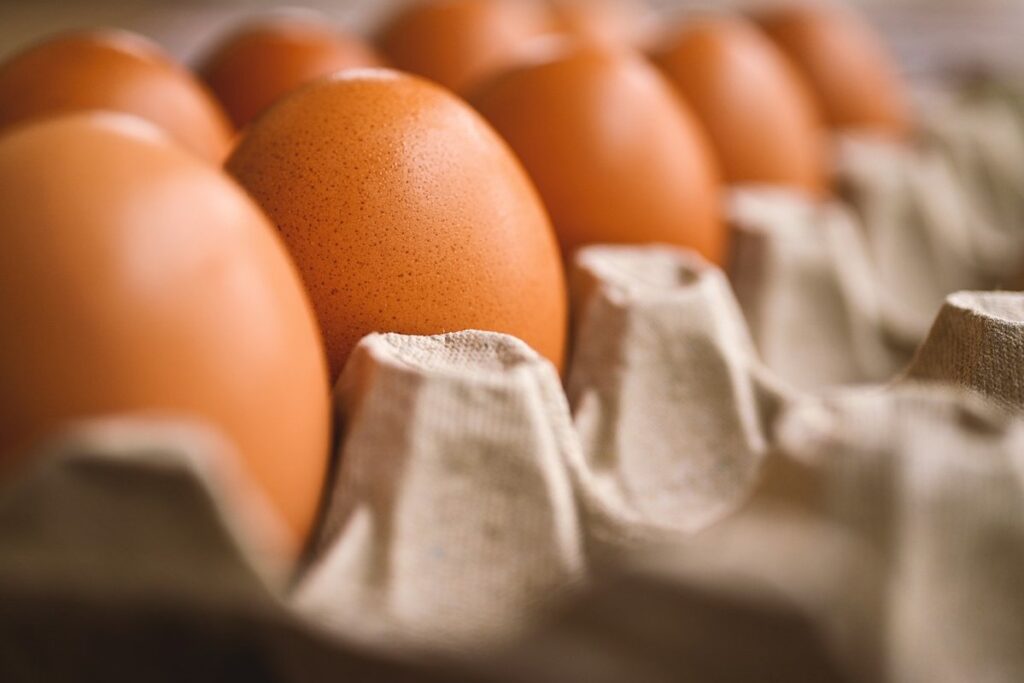
When it comes to Dominique chicken eggs, you can expect a unique combination of size and color that sets them apart from other breeds. On average, a Dominique egg weighs around 60-65 grams (2.1-2.3 oz), which is slightly smaller than the standard large egg. However, some hens may produce eggs weighing up to 70 grams (2.5 oz) or more.
In terms of color, you’ll likely find a range of shades from creamy white to light brown, often with a subtle sheen to them. Some eggs may have a pinkish tint or a darker golden hue, depending on the individual bird’s genetics and diet. It’s not uncommon for Dominique eggs to have speckles or small spots, adding to their natural charm.
When it comes to collecting eggs from your Dominique flock, keep in mind that some hens may lay more frequently than others, resulting in a varying number of eggs per week. Be sure to monitor the size and color of each egg, as this can be an indicator of overall health and well-being within your flock.
Shell Quality and Durability
One of the most distinctive and appealing aspects of Dominique chicken eggs is their exceptional shell quality and durability. When properly cared for, these eggshells are remarkably resistant to breakage, thanks in part to the breed’s robust genetics.
A key factor influencing shell quality is nutrition. Dominique hens require a balanced diet rich in calcium and other essential minerals to maintain strong eggshell production. A lack of adequate calcium can lead to brittle or fragile shells. Regular feeding of high-quality feed and providing access to oyster shells or crushed eggshells as supplements can help support optimal shell health.
Environmental factors also play a role. Dominique hens prefer cooler, more temperate climates, which may contribute to the durability of their eggs. It’s essential to maintain a clean, draft-free coop with adequate ventilation to promote healthy egg production and minimize stress on the birds.
By paying attention to your Dominiques’ diet and environment, you can help ensure that their eggs have robust shells that withstand handling and storage. This not only adds value but also makes them more enjoyable to collect and share with family and friends.
Nutrition and Health Benefits of Dominique Eggs
When it comes to the nutritional value of your hard-earned eggs, you’ll be delighted to know that Dominique eggs offer a unique profile of healthy fats and essential nutrients. Let’s dive into their impressive health benefits.
Omega-3 Rich Eggs
Dominique chickens are renowned for producing some of the richest and most nutritious eggs available. One key factor contributing to this is their unique ability to convert plant-based sources into omega-3 fatty acids, a trait made possible by their specialized digestive system.
This remarkable capacity allows Dominique hens to produce high-quality, omega-3 rich eggs that provide numerous health benefits for those who consume them. Studies have shown that feeding chickens like the Dominiques a diverse and nutrient-rich diet consisting of plants such as alfalfa, clover, or even certain fruits can significantly enhance their ability to synthesize these essential fatty acids.
To replicate this at home, you may want to consider supplementing your chicken’s feed with flaxseed or chia seeds which are rich in alpha-linolenic acid (ALA), a precursor to omega-3 production. You can also try incorporating fish oil into their diet, although it is crucial to exercise caution and follow the recommended dosages.
By optimizing your Dominique hens’ nutritional intake, you’ll not only be raising healthier birds but also providing yourself with an unparalleled source of omega-3 rich eggs – a true gem for any backyard egg producer.
Vitamin and Mineral Content
Dominique chicken eggs are renowned for their exceptional nutritional value and rich content of vitamins and minerals. When you crack open a Dominique egg, you’ll discover an impressive array of nutrients that can have a significant impact on overall health.
One of the standout features of Dominique eggs is their high omega-3 fatty acid content. These essential fatty acids play a crucial role in heart health, brain function, and inflammation reduction. According to research, consuming foods rich in omega-3s can lower triglyceride levels by up to 30% and reduce blood pressure.
Dominique eggs are also an excellent source of protein, containing all nine essential amino acids that the body cannot produce on its own. This makes them a great option for athletes, bodybuilders, or anyone looking to boost their protein intake. With approximately 6 grams of protein per large egg, you can easily meet your daily requirements.
The vitamin and mineral content in Dominique eggs is equally impressive, with high levels of vitamins A, D, E, K, and B12. These nutrients support eye health, immune function, and the formation of red blood cells. The iron content in Dominique eggs also makes them an excellent choice for individuals with iron deficiency or anemia.
When incorporating Dominique eggs into your diet, it’s essential to consider cooking methods that preserve their nutrient-dense properties. Poaching or boiling is recommended over frying, as these gentle heat methods help retain the vitamins and minerals.
Raising Healthy Dominique Chickens for Egg Production
When it comes to raising healthy Dominique chickens, you’ll want to focus on providing them with a balanced diet and plenty of fresh water to ensure optimal egg production and overall well-being. A little planning upfront can make all the difference in your flock’s success.
Providing Adequate Nutrition
When it comes to raising healthy Dominique chickens for egg production, providing adequate nutrition is crucial. These lovely birds have specific nutritional requirements that need attention to thrive and produce high-quality eggs.
Dominique chickens are a heritage breed, known for their cold hardiness and gentle nature. To match their robust constitution, they require a balanced diet rich in nutrients. A layer feed formulated specifically for egg-laying hens is essential. However, it’s also important to supplement with fresh fruits, vegetables, and grains to ensure a varied diet.
Key considerations include calcium for strong eggshell production, protein for muscle growth, and fiber for digestive health. Aim to provide at least 16-18% protein in the layer feed, along with added calcium supplements if necessary. A good rule of thumb is to offer a 50:50 mix of grains and proteins. Fresh water should always be available, and a grit source like oyster shells can help support eggshell health.
When introducing new foods or supplements, do so gradually to prevent digestive upset. Also, consider free-range access to forage and exercise, which will help keep your Dominique chickens happy and healthy.
Managing Flock Health and Hygiene
As a responsible and caring owner of Dominique chickens for egg production, maintaining the health and hygiene of your flock is crucial to ensuring their well-being and maximizing their productivity. A clean and healthy environment will not only keep your birds thriving but also reduce the risk of disease transmission.
Firstly, let’s talk about parasite control. Regular cleaning and disinfecting of coops, runs, and equipment are essential in preventing internal parasites like worms from taking hold. Check your flock regularly for signs of infestation, such as droopy feathers or loss of appetite. You can also use dewormers according to the manufacturer’s instructions.
Vaccination is another critical aspect of maintaining a healthy flock. Consult with a veterinarian to determine the best vaccination schedule for your Dominique chickens based on local disease prevalence and recommendations. Biosecurity measures are equally important, including:
• Ensuring new birds are quarantined before introducing them to the main flock
• Cleaning visitors’ shoes and clothes before entering the coop
• Avoiding sharing equipment or supplies with neighboring farms
Tips for Starting a Backyard Egg-Laying Operation with Dominiques
If you’re new to raising Dominique chickens, starting a backyard egg-laying operation can be a bit overwhelming. Here are some essential tips to help get you on your way.
Choosing the Right Breeding Stock
When selecting breeding stock for your backyard egg-laying operation, it’s crucial to choose high-quality chickens that will lay eggs consistently and thrive in their environment. Consider the following factors when selecting Dominique hens: age, health, temperament, and genetics.
Start by looking for chicks or pullets from reputable breeders who have a proven track record of producing healthy, fertile birds. Ensure the breeder is transparent about the bird’s ancestry, including its genetic lineage and any potential health issues.
When inspecting individual birds, look for signs of good health, such as shiny feathers, bright eyes, and a sturdy build. Dominiques are known for their friendly temperament, so be sure to observe how they interact with each other and humans. A calm and docile bird is more likely to lay eggs consistently and be easy to manage.
It’s also essential to consider the genetics of your breeding stock. If you want to maintain the breed’s characteristic traits, such as its distinctive gray plumage and friendly nature, choose birds from a line that has been selectively bred for these qualities.
Integrating New Chickens into an Existing Flock
When introducing new Dominiques to an existing flock, it’s essential to prioritize acclimation and socialization. Start by keeping the newcomers separate from the main group for a few days to allow them to get used to their new surroundings without feeling overwhelmed. This initial quarantine period is crucial in preventing any potential stress or aggression issues.
Once you’ve introduced the new birds, ensure they have access to food, water, and shelter without competition from established flock members. Monitor their behavior closely, watching for signs of stress like panting, pacing, or excessive feather plucking. Gradually increase interactions between the groups by introducing them in a neutral area under close supervision.
Introduce the newcomers to familiar sights, sounds, and scents by placing their bedding and nesting materials near the existing flock. Be cautious not to overcrowd the enclosure, as this can exacerbate any existing social tensions. By following these steps, you’ll help create a harmonious environment where your Dominiques thrive and continue laying healthy eggs.
Conclusion: The Rewards of Raising Dominique Chicken Eggs
Now that you’ve successfully raised your Dominique hens, it’s time to reap the rewards of their labor. Let’s explore the benefits of collecting and using these unique eggs in your daily life.
Summary of Key Takeaways
Dominique chicken eggs are a true delight for backyard chicken keepers and egg enthusiasts alike. With their rich, buttery flavor and velvety texture, it’s no wonder these eggs have gained popularity among those seeking unique and high-quality eggs from their own flock.
Throughout this article, we’ve delved into the wonderful world of Dominique chickens and uncovered their remarkable characteristics. We’ve learned that these birds are known for their gentle nature, intelligence, and striking appearance. Their eggs, as mentioned earlier, boast an impressive 200-220 gram weight and 7-8 egg cell count, making them a standout among other breeds.
As you consider raising Dominique chickens in your backyard flock, remember the following key takeaways:
* Start with high-quality breeding stock to ensure healthy and productive birds
* Provide a balanced diet that includes a mix of grains, proteins, and calcium-rich foods for strong eggshell production
* Offer plenty of space and enrichment activities to keep your Dominiques entertained and stimulated
* Be prepared for their robust appetite and possible noise levels
* With proper care, Dominique chickens can thrive in a variety of climates and environments
By incorporating these tips into your backyard chicken-keeping routine, you’ll be well on your way to enjoying the many rewards of raising Dominique chickens – delicious eggs, happy birds, and the joy of self-sufficiency.
Encouragement to Try Your Hand at Backyard Egg Production
Raising Dominique chickens for egg production is an experience like no other. Not only do you get to enjoy the rich flavors and distinctive appearances of these eggs, but you also get to connect with nature and develop a sense of responsibility and accomplishment. If you’re considering trying your hand at backyard egg production, we encourage you to take the leap – it’s easier than you think!
First, let’s talk about the rewards. Not only will you have access to fresh, healthy eggs right in your own yard, but you’ll also be contributing to a more sustainable food system. Plus, Dominique chickens are known for their gentle and affectionate nature, making them a joy to care for. And with proper training, they can even provide entertainment as they explore and play in their backyard enclosure.
If you’re new to chicken keeping, don’t worry – we’ve got you covered. Start by researching local regulations and ordinances regarding backyard chickens in your area. Then, invest in a sturdy coop and run that will keep your girls safe and happy. Finally, be prepared to get your hands dirty and learn as you go – it’s all part of the fun!
Frequently Asked Questions
How do I ensure my Dominique chickens receive adequate nutrition, especially during the winter months when food sources may be scarce?
To maintain your Dominique flock’s nutritional needs, focus on providing a balanced layer feed as their primary source of nutrition. Supplement with fresh fruits and vegetables during warmer months, but switch to dry grains or high-energy pellets during winters. Consider adding oyster shells to support strong eggshell production.
Can I integrate new Dominique chickens into an existing flock that contains different breeds?
Yes, Dominiques are known for their friendly temperament, making them suitable for integration with other breeds. However, introduce the new birds slowly and under close supervision to prevent stress on either flock. Monitor feeding and watering areas to avoid conflicts over resources.
How do I manage health issues in my Dominique flock, especially since they’re prone to certain diseases?
Regularly inspect your flock for signs of illness or injury, and maintain a clean living environment by providing adequate ventilation, removing soiled bedding, and disinfecting equipment. Keep records of vaccinations, parasite control measures, and any medical treatments administered.
What’s the ideal ratio of Dominique chickens to other breeds in a mixed-flock setting?
There is no one-size-fits-all answer, as it depends on your specific flock dynamics and management goals. Consider factors like egg production expectations, space availability, and predator risk when determining breed ratios. Balance Dominiques with other breeds that complement their strengths and weaknesses.
Can I raise Dominique chickens in small backyard spaces or are they suitable only for larger farms?
Dominiques can thrive in smaller spaces provided you offer adequate shelter, ventilation, and access to a fenced area for exercise. Consider vertical integration methods like chicken tractors or free-range coops to maximize space efficiency while maintaining the birds’ need for movement.