
Quail owners know that keeping their feathered friends happy and healthy requires more than just a spacious cage. A well-balanced diet is crucial, but many pet quails thrive on variety and treats beyond their regular pellets. Choosing the right quail treats can be overwhelming, especially with so many options available. Not only do you want to ensure your quails are getting essential nutrients, but you also need to consider health benefits and fun recipes that’ll keep them engaged.
In this ultimate guide to quail treats, we’ll walk you through everything you need to know about nutrition, health benefits, and delicious recipes for a happy, thriving flock. From choosing healthy options to preparing tasty homemade treats, we’ve got you covered. By the end of this article, you’ll be equipped with expert advice on how to keep your quails well-fed and entertained, covering essential topics like quail treat nutrition and fun recipe ideas that they’ll love!
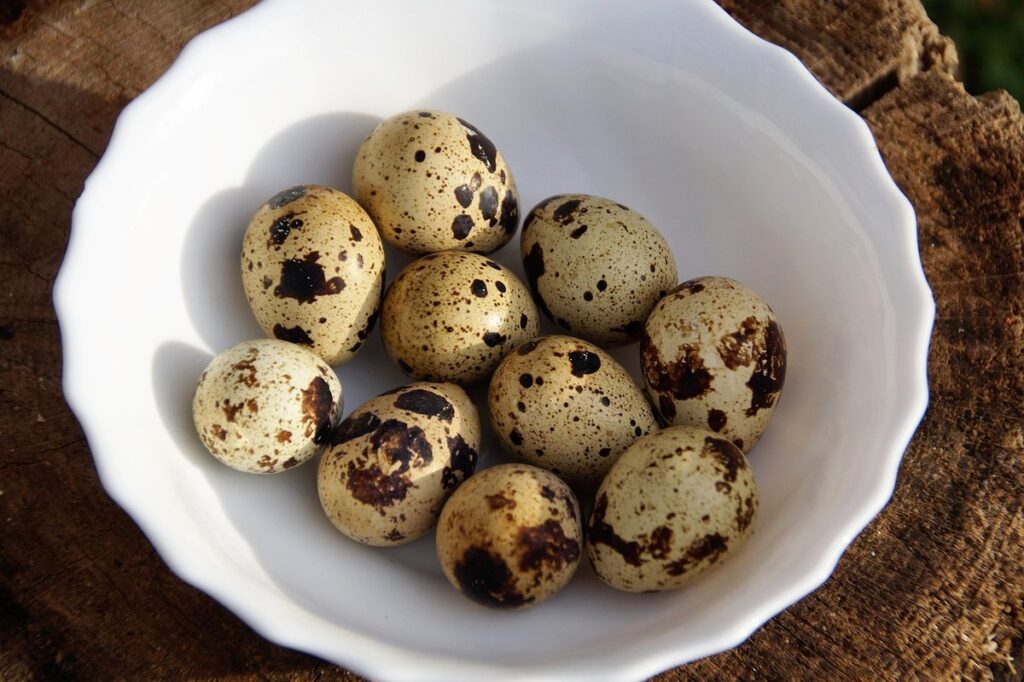
What are Quail Treats?
Quail treats are a fun and nutritious way to supplement your feathered friend’s diet, offering a range of benefits for their overall health. Let’s dive into what quail treats are all about!
Definition and History of Quail Treats
Quail treats have become increasingly popular as a novel pet food option for quails and other small birds. But where did this trend originate? The concept of using quail eggs and meat to create healthy, nutrient-rich treats dates back to traditional Chinese cuisine.
In the past decade or so, pet owners and bird enthusiasts have started to adopt this practice, driven by growing concerns about the nutritional value of commercial parrot food. As a result, homemade quail treats have gained traction as a healthier alternative for quails and other small birds.
The history of quail treats is closely tied to their use in traditional Chinese cooking. Quail eggs are prized for their rich flavor and high protein content, making them an ideal ingredient for homemade pet treats. Today, many bird owners and breeders use quail treats as a way to provide their pets with essential nutrients and variety in their diets.
Types of Quail Treats Available
When it comes to selecting the perfect treat for your feathered friends, you’ll find an array of commercial and homemade options available. Commercial quail treats are widely available at pet stores and online retailers, offering a convenient solution for busy bird owners.
Some popular types of commercial quail treats include:
* Seed-based mixes that provide essential nutrients like protein and fiber
* Fruit-infused treats that add a burst of flavor to mealtime
* High-protein pellets designed for growing birds or those with high energy needs
Homemade quail treat options, on the other hand, offer a customizable approach to nutrition. By using fresh fruits, vegetables, and grains, you can create healthy snacks tailored to your bird’s specific dietary requirements.
To make homemade treats more nutritious, consider adding ingredients like chopped nuts, dried seeds, or grated carrots to provide an extra boost of vitamins and minerals. For instance, mixing cooked quinoa with diced apples and a sprinkle of cinnamon creates a tasty treat rich in fiber and antioxidants.
Remember to always introduce new treats gradually to prevent digestive upset. By exploring both commercial and homemade options, you can find the perfect balance of nutrition and variety for your beloved quails.
Nutrition and Health Benefits of Quail Treats
Quail treats are not only a tasty snack, but they also offer numerous health benefits when consumed as part of your bird’s balanced diet. Let’s dive into some of the key nutritional advantages!
Protein Content and Essential Amino Acids in Quail Treats
Quail treats are an excellent source of protein for pet quails. On average, a 1-ounce serving of quail treats contains about 20 grams of protein, making them an ideal supplement to a quail’s diet. This high protein content is essential for maintaining healthy muscles and feathers in these birds.
Protein is the building block of muscle tissue, and quails need it to maintain their strength and agility. Without sufficient protein, quails may develop weak muscles, leading to mobility issues and other health problems. In addition to muscle maintenance, protein also helps promote healthy feather growth and development, ensuring that your pet quail’s plumage remains shiny and vibrant.
To ensure your quail treats are providing the necessary protein for optimal health, look for products made from high-quality ingredients like chicken meal or fish meal. These protein sources are easily digestible by quails and provide a concentrated source of essential amino acids. By incorporating quail treats rich in protein into your pet’s diet, you can help maintain their overall health and well-being.
Calcium and Phosphorus Balance in Quail Treats
When it comes to creating quail treats that promote strong beak growth, eggshell production, and overall health, it’s essential to balance two crucial nutrients: calcium and phosphorus. These minerals work together like a well-oiled machine to support the bird’s skeletal system, particularly in the development of their beaks.
A diet rich in calcium is vital for quails as it helps build strong bones and teeth, including their beaks. However, an imbalance can lead to soft or brittle beaks that may crack or break easily. On the other hand, phosphorus plays a crucial role in maintaining strong eggshells and supports overall bone health.
To ensure your quail treats provide this perfect balance, look for ingredients rich in both calcium and phosphorus. Dark leafy greens like kale and spinach are excellent sources of calcium, while meat and fish-based protein sources can provide the necessary phosphorus. Aim to include a mix of these nutrient-dense foods in your recipes to promote optimal health and well-being in your feathered friends.
Homemade vs. Commercial Quail Treats: Pros and Cons
When it comes to choosing treats for your feathered friends, you’re faced with a decision: make your own quail treats at home or opt for commercial options. Let’s weigh the pros and cons of each choice.
Benefits and Drawbacks of Homemade Quail Treats
Making homemade quail treats is not only fun but also offers several benefits that cater to your bird’s unique needs and preferences. One of the significant advantages of making your own quail treats at home is the ability to customize the ingredients according to your pet’s dietary requirements. This way, you can tailor the nutritional content to suit their specific age, health conditions, or allergies.
Another advantage of homemade quail treats is cost-effectiveness. Once you have the basic ingredients and equipment, making large batches becomes more economical than buying commercial treats. For instance, a bag of quinoa can be used for multiple batches, significantly reducing your expenses in the long run.
Moreover, when you prepare quail treats at home, you can avoid adding preservatives commonly found in store-bought options. This not only reduces the risk of adverse reactions but also gives you peace of mind knowing exactly what’s going into your bird’s diet. By making a few simple ingredients and recipes work for you, you’ll be able to provide your quail with nutritious and healthy snacks that meet their specific needs.
Characteristics and Limitations of Commercial Quail Treats
Commercial quail treats offer a convenient solution for busy owners who want to provide their birds with a nutritious and delicious snack. One of the key advantages of commercial options is consistency – every batch is carefully formulated to meet specific nutritional standards, ensuring that your quails receive a balanced diet in every treat. This consistency also makes it easier to manage your quail’s weight, as you can trust that the treats won’t be contributing to an overconsumption of calories.
Commercial quail treats are widely available in pet stores and online, making them easily accessible for most owners. You can choose from a variety of flavors and textures, allowing you to mix things up and keep your birds engaged. Some popular brands also offer subscription services, which can be a great option if you want to ensure a steady supply of treats without having to remember to reorder.
When shopping for commercial quail treats, look for products that are made with high-quality ingredients and have minimal added preservatives or sugars.
Fun and Creative Quail Treat Recipes
Get ready to surprise your feathered friends with some out-of-the-box treats, from sweet potato biscuits to colorful fruit kebabs! We’ve got 5 fun recipes to try.
Sweet Potato and Carrot Biscuits for Quails
When it comes to creating healthy treats for your feathered friends, incorporating nutrient-rich ingredients is key. Sweet potatoes and carrots are two of the best options, packed with vitamins A and C, potassium, and fiber that quails love. To make these delicious biscuits, start by preheating your oven to 400°F (200°C). In a large bowl, mix together 2 cups of whole wheat flour, 1/2 cup of grated sweet potato, and 1/2 cup of grated carrot.
In a separate bowl, whisk together 1 egg, 1 tablespoon of olive oil, and 1 teaspoon of honey. Add this mixture to the dry ingredients and stir until a dough forms. Roll out the dough to about 1 inch thickness and use a biscuit cutter or the rim of a glass to create fun shapes. Place the biscuits on a baking sheet lined with parchment paper and bake for 15-20 minutes, or until lightly golden.
Quails adore these sweet potato and carrot biscuits as a nutritious snack or reward, and they’re easy to make in large batches for your whole flock. Try adding other healthy ingredients like chopped kale or pumpkin seeds to create even more variety in your quail’s diet!
Sunflower Seed and Millet Snaps for Quails
When it comes to providing quails with a boost of energy and fiber, few treats are as effective as sunflower seeds and millet. That’s why we’re excited to share this simple yet nutritious recipe for Sunflower Seed and Millet Snaps that your feathered friends will love.
To make these snaps, simply combine 2 tablespoons of sunflower seeds, 1 tablespoon of millet, and a pinch of salt in a small bowl. Mix well until the ingredients are evenly distributed. Then, shape the mixture into thin strips or shapes that resemble tiny snaps. Place them on a baking sheet lined with parchment paper and bake at 350°F for about 10-15 minutes, or until crispy.
These sunflower seed and millet snaps are an excellent choice for quails because they’re rich in energy-boosting protein and fiber. Sunflower seeds are particularly high in selenium, which is essential for maintaining healthy feathers and immune function. Millet, on the other hand, provides sustained energy and helps support digestive health. Simply break these crispy snacks into smaller pieces to serve your quail, and enjoy watching them peck away with delight!
How to Store and Serve Quail Treats
Proper storage and serving of quail treats are crucial to maintaining their quality and safety, so let’s dive into how to store and serve these nutritious treats correctly.
Tips for Storing Quail Treats Freshness
When it comes to storing quail treats, you want to make sure they stay fresh for as long as possible. This is especially important if you’re planning on feeding them to your pets regularly. One of the most effective ways to maintain freshness is by using airtight containers. These can be glass or plastic and are designed to keep air out, which prevents moisture from entering and causing spoilage.
Freezer bags are another great option for storing quail treats. Simply place the treats in a bag, seal it tightly, and store it in the freezer. This will not only preserve the freshness of the treats but also extend their shelf life. When you’re ready to use them, simply thaw the desired amount and serve.
To take storage to the next level, consider using a vacuum sealer for your airtight containers or freezer bags. This will remove any remaining air pockets, ensuring that your quail treats stay fresh for even longer. With these simple tips, you can keep your quail treats fresh for months to come.
Serving Quail Treats in Different Life Stages
When it comes to feeding quail treats, understanding their nutritional needs at different life stages is crucial. Chicks, juveniles, and breeding adults have unique requirements that demand tailored approaches.
For newly hatched chicks, you’ll want to provide a starter mix specifically formulated for young birds. This should be free from grit and shell fragments to prevent choking hazards. As they grow into juveniles, you can introduce a variety of quail treats like mealworms, crickets, or sunflower seeds, which are rich in protein and calcium.
Breeding adults require a balanced diet with high-quality pellets or grains as the main staple. Supplementing with fresh fruits, leafy greens, and vegetables can add essential nutrients. However, avoid giving them treats that are too high in fat, like nuts or seeds, as they can lead to weight gain and other health issues.
By adapting your quail treat approach to their life stage needs, you’ll help ensure a happy and healthy flock.
Troubleshooting Common Issues with Quail Treats
If you’re experiencing problems with your quail treats, such as moldy food or finicky birds, don’t worry, we’ve got solutions to common issues that’ll get you back on track. Let’s dive into troubleshooting together!
Digestive Problems and Food Allergies in Quails
When introducing new treats to your quail’s diet, it’s essential to be aware of common digestive issues and food allergies that may arise. One of the most significant concerns is the development of gout, a painful condition caused by excessive uric acid buildup due to poor digestion. This can occur when quails are fed high-protein or high-oxalate foods without adequate water intake.
Other digestive problems include impaction, where food becomes lodged in the quail’s crop, and coccidiosis, a parasitic infection affecting the intestinal tract. Food allergies are also a possibility, particularly to common allergens such as soy, corn, and wheat. Symptoms of an allergic reaction can range from mild skin irritation to severe respiratory distress.
To minimize the risk of digestive problems and food allergies, it’s crucial to introduce new treats gradually and in small quantities. Monitor your quail’s behavior and physical condition closely for any signs of adverse reactions. Stick to nutrient-rich, easily digestible ingredients like fruits, vegetables, and lean proteins. Always provide a balanced diet that includes a variety of foods to ensure optimal nutrition.
Signs of Overfeeding or Underfeeding Quails with Treats
Quails that are overfed or underfed can exhibit noticeable signs, which are crucial to identify and address promptly. When it comes to treats, a common mistake many quail owners make is overfeeding their birds. This can lead to weight gain, particularly around the abdomen and chest area. Regular weigh-ins will help you track any significant changes in your quail’s weight.
Underfed quails, on the other hand, may appear lethargic or develop brittle feathers that are prone to breaking off easily. A lack of nutrients can also cause a dull sheen to their plumage. Monitor your birds’ appetite and adjust the treat amount accordingly. A balanced diet with an emphasis on nutrient-rich foods will ensure your quails receive the necessary vitamins and minerals.
To avoid overfeeding, consider dividing treats throughout the day rather than offering them all at once. This approach not only reduces waste but also helps prevent overeating. It’s also essential to vary the type of treats you offer to ensure a broad range of nutrients is consumed.
Frequently Asked Questions
Can I use leftover cooked quail meat for homemade treats?
Yes, you can repurpose leftover cooked quail meat to create healthy treats for your feathered friends. Simply chop or shred the meat into small pieces and mix with other nutritious ingredients like fruits, vegetables, and whole grains. This approach reduces food waste while providing a balanced diet for your quails.
How often should I limit treat-giving due to overfeeding concerns?
Yes, it’s essential to monitor your quail’s treat intake to avoid overfeeding. Limit treats to no more than 10% of their daily calorie needs, and consider gradually introducing new foods or recipes to ensure a balanced diet. Regular monitoring will help you adjust the frequency and quantity of treats accordingly.
What are some safe ways to introduce new fruits to my quail’s diet?
When introducing new fruits to your quail’s diet, choose fresh, organic options like berries, melons, or citrus fruits in moderation (about 1-2 tablespoons per bird daily). Cut the fruit into small pieces and serve as a treat or mix with their regular food. Be cautious of high-sugar fruits like grapes or figs.
Can I use quail eggs in homemade treat recipes?
Yes, you can incorporate quail eggs into your homemade treat recipes to boost protein content and essential amino acids. Mix finely chopped egg whites or yolks with other ingredients for a balanced and nutritious treat. Just remember to follow proper food safety guidelines when handling raw eggs.
How do I store quail treats to maintain their freshness?
For optimal freshness, store commercially packaged quail treats in an airtight container at room temperature (below 75°F) or in the refrigerator (if the product recommends it). For homemade treats, consider freezing them for up to 3-4 months. Always check the treat’s appearance and smell before serving to ensure their quality and freshness.