
If you’re considering bringing pilgrim geese into your family, you’re probably aware that these beautiful birds require more than just a charming appearance. To ensure their well-being and happiness, it’s essential to provide them with proper care and management techniques. From housing and nutrition to health considerations and breeding, the specifics of pilgrim goose care can be overwhelming for beginners.
In this article, we’ll guide you through the essential aspects of caring for your pilgrim geese. We’ll cover topics such as creating a suitable living space, preparing their diet, monitoring their health, and understanding their behavior. By the end of this article, you’ll have a comprehensive understanding of what it takes to keep your pilgrim geese thriving and happy in their new environment.
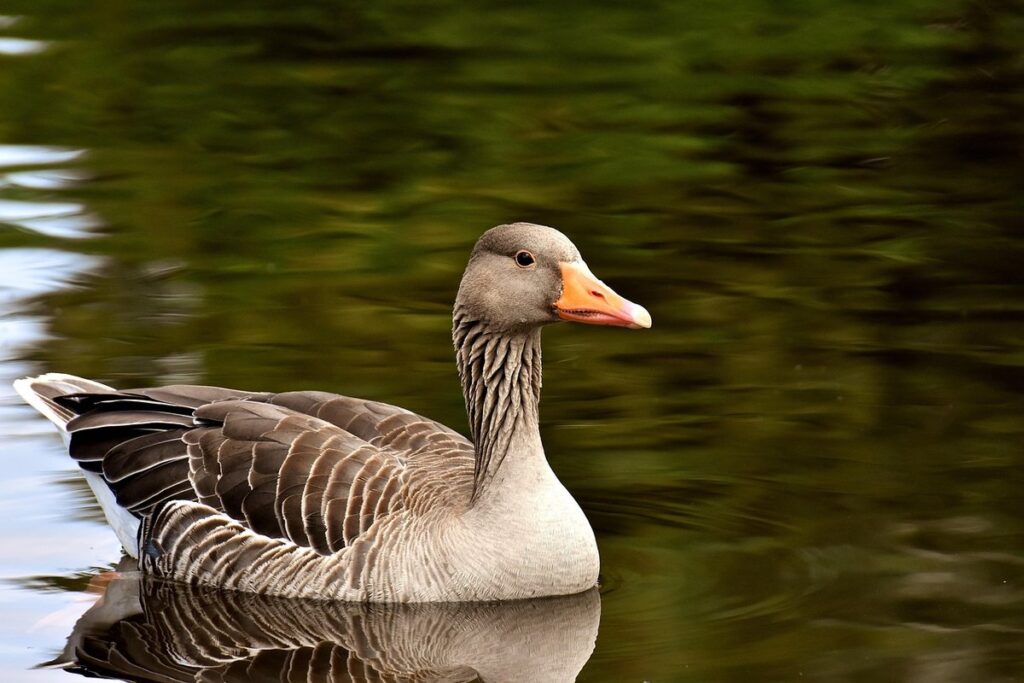
Understanding Pilgrim Geese
To truly care for your pilgrim geese, it’s essential to understand their unique characteristics and behavior. This starts with understanding how they’re social animals and thrive in flocks.
Origins and History of Pilgrim Geese
The origins of pilgrim geese can be traced back to ancient times when wild geese were domesticated by humans. The modern pilgrim goose breed, however, is believed to have originated from the Embden goose brought over by European settlers to North America. In the early 20th century, American poultry breeders began selecting and breeding these geese for their desirable traits, resulting in the development of the pilgrim goose as we know it today.
The pilgrim goose was introduced to the United States with its hardiness, adaptability, and high egg-laying capabilities making it a sought-after addition to many farms. They were initially prized for their meat production but soon gained popularity among homesteaders and backyard enthusiasts due to their friendly nature and ability to thrive in smaller spaces.
Interestingly, pilgrim geese are closely related to the Toulouse and African geese breeds, sharing similarities in appearance and temperament. Their unique heritage has also contributed to their growing popularity as a companion animal, with many owners appreciating their gentle disposition and entertaining antics.
Characteristics of Pilgrim Geese
When it comes to recognizing pilgrim geese, their physical and temperamental characteristics are quite distinctive. On average, these birds can grow up to 2-3 feet tall and weigh between 10-12 pounds. One of the most noticeable features of pilgrim geese is their unique feather patterns, which include a combination of brown, gray, and white plumage.
When it comes to behavior, pilgrim geese are known for being quite social birds that thrive in flocks. They’re often described as “attachable” to their owners, forming strong bonds with people who care for them. However, they can also be fiercely protective of their territory and family units, so it’s essential to establish clear boundaries and respect their space.
In terms of temperaments, pilgrim geese are generally considered to be calm and even-tempered birds. They’re relatively low-maintenance pets that can adapt well to small backyards or larger farms with proper care and attention. By understanding these characteristics, you’ll be better equipped to provide the right environment and care for your pilgrim geese, ensuring they live happy and healthy lives under your care.
Housing and Fencing for Pilgrim Geese
When it comes to housing your Pilgrim geese, a safe and secure enclosure is crucial to prevent escape attempts and protect both you and your birds. Providing adequate fencing will also help keep predators out of the area.
Essential Features of a Goose House
When it comes to providing a safe and comfortable home for your Pilgrim geese, a well-designed goose house or coop is essential. As these birds are social and gregarious, they require a spacious area with adequate ventilation to prevent ammonia buildup from their droppings.
Look for a coop that allows at least 10 square feet of floor space per bird. This will provide them with enough room to move around comfortably without feeling cramped or stressed. Adequate ventilation is also crucial; ensure the coop has windows and a door that can be opened wide to allow fresh air in.
In terms of lighting, Pilgrim geese prefer natural light during the day. A window on the south side of the coop will provide them with plenty of sunlight. However, it’s also essential to consider additional lighting at night to prevent eye strain and stress. You can install a low-wattage light bulb or solar-powered lights to illuminate the coop.
When choosing a goose house, make sure it’s predator-proof by using materials like metal, hardware cloth, or chicken wire with openings of no more than 1 inch in size. These will prevent raccoons, foxes, and other predators from getting into the coop.
Building a Suitable Enclosure for Your Geese
When it comes to housing and fencing for your pilgrim geese, providing them with a suitable enclosure is crucial for their health, safety, and well-being. A sturdy and spacious enclosure will not only keep predators out but also give your geese the freedom to roam and exercise.
A good rule of thumb is to provide at least 10-15 square feet of space per goose inside the enclosure. This can be a simple wooden fence or a more elaborate coop with a run area. Consider using durable materials like wood, metal, or high-tensile wire fencing that can withstand harsh weather conditions and potential damage from your geese.
When designing the enclosure, make sure to leave enough room for your geese to move around comfortably, as they can grow up to 2-3 feet in length. You’ll also want to include a few essential features like a nesting box, feeding area, and access points for easy cleaning and maintenance. Additionally, ensure that the enclosure is well-ventilated and protected from strong winds and extreme temperatures.
When choosing fencing materials, opt for something sturdy yet flexible to prevent damage from weather or your geese’s natural behaviors. For example, you can use chicken wire with openings of about 1 inch in diameter to keep predators out while allowing your geese to breathe easily.
Nutrition and Feeding Habits of Pilgrim Geese
When it comes to keeping your pilgrim geese healthy, understanding their nutritional needs is crucial. This section will delve into the specific dietary requirements for these birds.
Diet Requirements for Healthy Geese
A balanced diet is essential for maintaining the health and well-being of pilgrim geese. These birds have specific nutritional requirements that must be met to ensure they thrive. A diet rich in fiber, protein, and vitamins is crucial, particularly during breeding season when their energy demands increase.
In terms of protein sources, pilgrim geese require a minimum of 20% crude protein in their feed, with grains such as oats, barley, or wheat serving as a staple. Fresh vegetables like leafy greens and root vegetables are also essential for providing essential vitamins and minerals. Calcium-rich foods, including oyster shells or crushed eggshells, must be provided to support strong bone development.
To ensure your pilgrim geese receive the nutrients they need, it’s recommended to provide supplemental feed in addition to their regular grain diet. Consider offering a mix of grains, fruits, and vegetables to cater to their diverse nutritional requirements. For example, you can offer 1/4 cup of mixed grains per bird daily, alongside a variety of fresh fruits and vegetables.
Foraging and Supplemental Feeding Options
Foraging for wild foods can be an excellent way to provide pilgrim geese with a diverse and nutritious diet. These birds are naturally inclined to forage, so it’s not surprising that they thrive on a varied diet of grasses, leaves, and aquatic plants. However, if you’re new to keeping pilgrim geese, it may take some time to learn what foods are safe for them to eat.
Commercial feed can be a convenient option, but it’s essential to ensure that it’s well-balanced and free from additives. A high-quality commercial goose feed should contain around 16-18% protein, along with other essential nutrients like vitamins and minerals. When supplementing with commercial feed, make sure to provide fresh water at all times and consider adding a small amount of calcium to support strong bone growth.
A good rule of thumb is to offer a mix of foraged foods and commercial feed, rather than relying on one or the other exclusively. For example, you could start the day by offering fresh grasses and leaves, then supplement with commercial feed in the afternoon. This approach will not only provide your pilgrim geese with optimal nutrition but also keep them engaged and active throughout the day.
Health Considerations and Common Issues in Pilgrim Geese
When caring for your pilgrim geese, it’s essential to be aware of common health issues that can arise, such as respiratory problems and feather pecking. We’ll explore these concerns in detail below.
Common Health Problems Affecting Geese
Pilgrim geese are susceptible to various health issues that can significantly impact their well-being and longevity. Respiratory problems, such as pneumonia and bronchitis, are common among geese due to their unique anatomy. Their long necks and slender beaks make them more prone to breathing difficulties in cold or humid weather conditions.
Parasites, particularly internal worms, can also wreak havoc on a goose’s health. Regular deworming treatments are essential to prevent infestations. You should also ensure your geese have access to clean drinking water and a balanced diet that includes essential nutrients.
Diseases like avian cholera, Newcastle disease, and Marek’s disease can be detrimental to a goose flock. Vaccination is crucial in areas where these diseases are prevalent. It’s equally important to maintain good hygiene practices, such as cleaning coops regularly and separating sick birds from the rest of the flock. By taking proactive measures, you can minimize the risk of common health issues affecting your Pilgrim geese.
Preventative Measures and First Aid
Regular veterinary check-ups are essential for maintaining the health of Pilgrim geese. At the very least, you should schedule annual check-ups to monitor their overall health and detect potential issues early on. Keep a close eye on your flock’s behavior and physical condition between vet visits.
Common health issues in Pilgrim geese include respiratory problems, which can be caused by factors like poor ventilation or exposure to extreme temperatures. To prevent this, ensure that their enclosure is well-ventilated and provide shade for them when it’s hot outside.
For first aid purposes, keep a basic supply kit handy with essentials such as tweezers, antibiotic ointment, and bandages. Know how to recognize signs of respiratory distress in your geese, including rapid breathing rates, labored breathing sounds, or lethargy.
If you notice any of these symptoms, immediately contact a veterinarian for professional advice on treatment and care. Keep your Pilgrim geese up-to-date with the necessary vaccinations to protect against diseases such as avian cholera and Newcastle disease.
In addition to regular veterinary check-ups, keep accurate records of your birds’ health history, including vaccination dates, weight, and any notable behaviors or physical changes.
Breeding and Raising Pilgrim Gose Goslings
If you’re planning to breed Pilgrim Gooses, understanding how to raise their goslings is crucial. This section will walk you through the basics of breeding and raising these adorable young birds.
Preparing Your Flock for Breeding
When it comes to breeding Pilgrim Gose goslings, selecting suitable pairs is crucial for successful hatching. To begin with, identify a dominant male and female from your existing flock who exhibit good temperaments, excellent health, and strong reproductive abilities. These birds should be at least two years old, have reached their optimal weight, and demonstrate consistent laying habits.
Evaluate potential breeding pairs by assessing their plumage quality, bone structure, and overall appearance. A well-balanced pairing will combine desirable traits such as vibrant feathers, sturdy build, and captivating personalities. Research the breed standard to ensure your birds align with Pilgrim Goose characteristics.
Prioritize pair bonding before initiating a breeding program. Place the chosen ganders together in the same enclosure for several weeks, allowing them to establish trust and familiarity. This process will help strengthen their bond, making it easier for them to become effective parents once they start laying eggs.
Caring for Goslings: Essentials of Rearing Healthy Young Geese
Caring for goslings requires attention to their nutritional needs, health monitoring, and environmental conditions. A starter diet of 20-25% protein should be provided to support growth and development. This can be achieved through a commercial gosling feed or a combination of starter grains like oats and wheat.
Fresh water must be available at all times, and the brooder temperature maintained between 90°F to 100°F for the first week. After this period, it should be gradually reduced by 5-10°F each week until it reaches around 60-70°F. Adequate ventilation is also essential to prevent respiratory issues.
Monitor goslings daily for signs of illness or injury, such as labored breathing, lethargy, or visible injuries. A clean brooder and regular hygiene practices can help reduce the risk of disease outbreaks. Ensure a balanced environment by providing adequate space (about 2-3 sq ft per bird) and ensuring social interaction among goslings.
Regular weighing and health checks will also aid in identifying any potential issues early on. Keep in mind that maintaining a healthy brood requires dedication, patience, and attention to detail. By being vigilant and proactive in caring for your goslings’ needs, you can help ensure they grow into robust and thriving adults.
Pilgrim Goose Behavior and Socialization
Understanding your pilgrim goose’s behavior is crucial for building a strong bond, so let’s dive into their social needs and typical interactions.
Understanding Goose Communication and Behavior
Understanding goose communication and behavior is crucial to building a harmonious relationship with your flock. By learning to recognize and interpret their cues, you can create a safe and stress-free environment for both you and your pilgrim geese.
Goose communication primarily involves visual displays, vocalizations, and body language. Geese are highly social animals that thrive on interaction and bonding with their human caregivers and each other. To establish trust, start by observing your geese’s behavior in the morning and evening when they’re most active. Note their postures, eye contact, and vocalizations to understand their emotional state.
For instance, if a goose spreads its wings or puffs out its neck feathers, it may be signaling aggression or dominance. On the other hand, a goose that lowers its head and gazes up at you might be seeking attention or affection. By understanding these cues, you can respond appropriately and strengthen your bond with your pilgrim geese.
Pay attention to their social hierarchy too – observing which bird takes charge during feeding time or when interacting with others will give you insights into their personalities and roles within the flock.
Socializing Your Geese: Tips and Tricks
Socializing your geese is an essential aspect of their care. It’s not just about taming them, but also about creating a trusting and well-adjusted member of your flock. To achieve this, start from an early age by introducing them to new people, environments, and situations. This will help them become confident and calm in the presence of strangers.
When socializing your geese, it’s crucial to establish a routine that includes daily interaction with them. Spend time with them, talk to them, and offer treats. You can also try swimming or playing with them to create positive associations with human interaction.
Some key things to remember when socializing your geese include:
• Be patient and consistent in your interactions
• Avoid sudden movements or loud noises that may startle them
• Use positive reinforcement techniques, such as treats and praise
• Spend quality time with each goose individually to build trust
By following these tips and making socialization a priority, you’ll be rewarded with geese that are friendly, trusting, and enjoy human interaction. Remember, socializing your geese is an ongoing process that requires patience, consistency, and positive reinforcement. With time and effort, you can develop strong bonds with your Pilgrim geese and create a harmonious flock.
Frequently Asked Questions
Can I keep pilgrim geese with other types of waterfowl or poultry, or should they be kept separate?
Yes, it’s possible to keep pilgrim geese with other birds, but it’s essential to introduce them slowly and under close supervision. Geese can be quite dominant, so it’s crucial to ensure the other birds won’t be stressed or bullied.
How do I prevent health issues in my pilgrim goose flock, especially during breeding season?
Preventative measures such as regular vaccinations, providing a balanced diet, ensuring adequate exercise, and maintaining clean living conditions are essential. Regular health checks, monitoring for signs of illness, and being prepared for emergencies can also help minimize the risk of common health problems.
What’s the best way to socialize my pilgrim goslings from an early age?
Socialization is critical for geese, as they’re highly social animals that thrive in flocks. Handle your goslings regularly from a young age, introduce them to new people and environments, and ensure they have plenty of opportunities to interact with other geese.
Can I use automated feeding systems or supplemental feeders for my pilgrim geese?
Yes, automated feeding systems can be beneficial for providing consistent food availability, but it’s crucial to monitor the system regularly to prevent overfeeding. Supplemental feeders can also help ensure your geese receive a balanced diet year-round.
What are some signs that my pilgrim goose is ready to breed or has reached maturity?
Geese typically reach maturity between 6-12 months of age, depending on their breed and health status. Look for physical signs such as full adult plumage, increased aggression or dominance, and changes in behavior like vocalizations or courtship displays. Consult with a poultry expert if you’re unsure about your geese’s readiness for breeding.