
If you’re one of the many guinea pig enthusiasts out there, you know that these adorable creatures bring so much joy to our lives. But taking care of them requires more than just love and attention – they also need a balanced diet that includes healthy treats. The question is: what makes a great treat for your guinea keet? And where do you even start when it comes to choosing between store-bought options and homemade goodies? In this article, we’ll be diving into the world of healthy treats for guinea pigs, exploring both store-bought and homemade choices that meet their nutritional needs. We’ll also cover some fun and creative ideas for making your own keet-friendly treats at home. By the end of it, you’ll know exactly what to feed your furry friends to keep them happy and healthy.
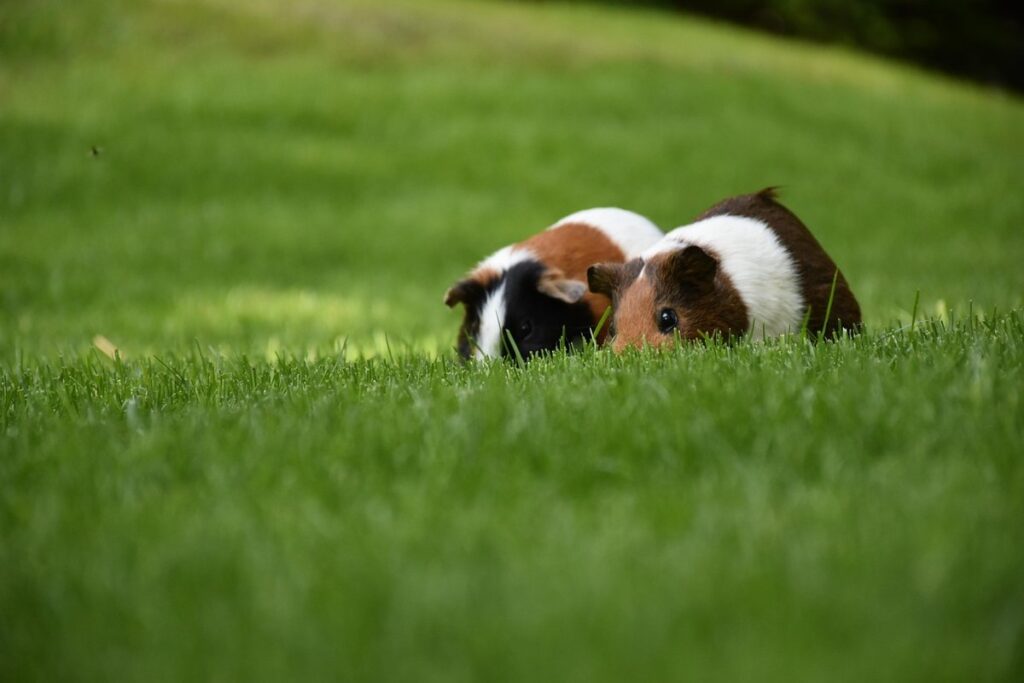
Choosing the Right Treats for Your Guinea Keets
When it comes to choosing treats for your guinea keets, it’s essential to consider their dietary needs and preferences to ensure you’re giving them a healthy and enjoyable snacking experience. Let’s explore some options that are perfect for your feathered friends!
Importance of Balanced Diets in Guinea Keets
When it comes to treating your guinea keets, it’s essential to remember that their dietary needs are just as unique as they are adorable. These tiny birds have specific nutritional requirements that should be balanced and met through a combination of their regular meals and treats. A crucial aspect of keeping them healthy is ensuring that the treats you provide don’t upset this balance.
Imagine feeding your guinea keets an entire bag of sugary pellets or giving them unlimited amounts of treats high in protein, such as mealworms or sunflower seeds. While they may initially enjoy these indulgences, over time, it can lead to a series of health issues. A guinea keet’s diet should be well-rounded and comprised of the right proportion of calcium, vitamins, and minerals. When choosing treats, consider including fresh fruits like berries, apples, or leafy greens like kale or spinach to provide essential nutrients without upsetting their digestive balance.
Selecting Treats Based on Age and Health Considerations
When it comes to selecting treats for your guinea keets, their age and health status play a crucial role. As they go through different stages of life, their nutrient needs change significantly.
Growing keets require high-calorie foods that support rapid growth and development. Look for treats rich in protein, calcium, and vitamins A and D3, such as mealworms, crickets, or dark leafy greens like kale and spinach. For instance, a guinea pig breeder recommends supplementing growing keets with dried mealworms to boost their energy levels.
Breeding keets require nutrient-dense foods that support reproductive health. Treats high in vitamin C, such as fresh bell peppers and carrots, can help support the immune system and overall well-being. Elderly keets, on the other hand, may benefit from treats with anti-inflammatory properties, like omega-3 rich flaxseeds or psyllium husk to support digestive health.
When selecting age-appropriate treats for your guinea keets, consider their specific needs based on their life stage. This will ensure that you’re providing them with the nutrients they require to stay healthy and thrive.
Types of Healthy Treats for Guinea Keets: Fruits, Vegetables, and Grains
When it comes to treating your guinea keets, it’s essential to offer them healthy and nutritious options. Fruits are an excellent choice, providing vital vitamins and minerals. For instance, strawberries are a great source of vitamin C, while blueberries are rich in antioxidants. You can serve them fresh or frozen, but be sure to remove any seeds or stems that might cause digestive issues.
Vegetables are another excellent option for guinea keet treats. Carrots, for example, are an excellent source of fiber and beta-carotene. Peas, on the other hand, are rich in protein and can help support your keets’ growth. Dark leafy greens like kale and spinach are also nutritious, but be sure to chop them finely to avoid any choking hazards.
Grains can provide a satisfying crunch for your guinea keets. Oats, for example, are an excellent source of fiber and can help maintain their digestive health. Quinoa is another great option, providing all nine essential amino acids that your keets need. When introducing new grains, start with small amounts to prevent digestive upset. Always choose plain, unflavored options to avoid any added sugars or preservatives.
Homemade Treats for Guinea Keets
For a special occasion or just a fun surprise, you can whip up some homemade treats specifically tailored to meet your guinea keets’ unique dietary needs and tastes. Let’s explore some recipe ideas.
Benefits of Making Your Own Guinea Keee Treats
When making your own guinea keet treats, you have the flexibility to customize recipes according to your bird’s specific dietary needs. This is particularly important for guinea keets as they can be prone to allergies and sensitivities.
By creating your own treats at home, you can avoid relying on store-bought products that may contain unknown or potentially hazardous ingredients. For instance, some commercial treat mixes may include fillers like cornmeal or wheat flour, which are not easily digestible for guinea keets.
To tailor recipes to your bird’s needs, consider their age, health status, and personal preferences when selecting ingredients. You can also experiment with different fruits, vegetables, and grains to create unique flavor combinations that your guinea keet will love. Some examples of healthy additions include sweet potatoes, carrots, and fresh herbs like parsley or basil.
To make the most of this approach, remember to keep things simple and start with basic recipes before experimenting with more complex ingredients. This will help you avoid introducing any potential allergens or irritants into your guinea keet’s diet.
Simple Recipes Using Common Household Ingredients
When it comes to making treats for your guinea keets, you don’t have to break the bank on specialized ingredients. In fact, many of the treats we’ll cover can be made with everyday items you likely already have at home. Let’s start with some simple recipes using common household ingredients.
One great option is oat and carrot bites. Simply grate a carrot and mix it with rolled oats, a bit of honey or applesauce for sweetness, and some chopped fresh herbs like parsley or cilantro. Spoon the mixture onto a baking sheet lined with parchment paper and bake at 350°F (180°C) for about 20 minutes, or until firm to the touch. Let them cool completely before serving to your keets.
Apples are another great ingredient to use in guinea pig treats. Slice an apple thinly and serve it on its own or mix it with some oats and a bit of honey for added sweetness. You can also try making apple and oat bars by mixing grated apple with rolled oats, a bit of honey, and some chopped nuts like almonds or walnuts.
Remember to always choose organic and fresh ingredients when possible, and avoid using any foods that are toxic to guinea pigs, such as chocolate or onions. With these simple recipes, you can create healthy and delicious treats for your keets without breaking the bank on specialty ingredients.
Tips for Storing and Serving Homemade Treats
When storing homemade treats for your guinea keets, it’s essential to keep them fresh and safe from contamination. Start by dividing the treats into airtight containers or zip-top bags, making sure to label each container with the date and contents. Store these containers in a cool, dry place, such as a pantry or cupboard.
When serving homemade treats, introduce new foods gradually to prevent digestive upset. For example, if you’re switching from store-bought pellets to homemade treats, start by mixing a small amount of homemade food into their regular diet for 3-4 days before transitioning completely. This allows your guinea keet’s gut to adjust to the change in ingredients.
To keep your guinea keets engaged and stimulated, vary their treat menu regularly. Offer a mix of sweet and savory options, such as carrot cake treats or oatmeal biscuits. Limit fresh fruits and vegetables to small portions, as excessive consumption can lead to digestive issues.
Remember to discard any leftover treats that have been exposed to air for more than 24 hours. Fresh homemade treats are best served within 3-5 days of preparation to ensure optimal flavor and nutritional value. Always prioritize your guinea keet’s health and well-being when introducing new foods or treats into their diet.
Store-Bought Treats: What to Look For and Avoid
When shopping for store-bought treats, it’s essential to carefully read labels and ingredient lists to ensure you’re making a healthy choice for your guinea keets. Here are some key things to look out for.
Evaluating Commercial Treats Based on Nutrition Labels
When scanning the ingredient list on commercial treats for guinea keets, there are several red flags to watch out for. Artificial preservatives like sodium nitrite and sodium nitrate can be particularly concerning, as they’ve been linked to health issues in birds. Look for terms like “preserved with” or “contains added preservatives,” and steer clear of products containing these ingredients.
Another issue is excessive sugar content. Many commercial treats are high in added sugars, which can lead to weight gain, insulin resistance, and other problems in guinea keets. Check the label for words like “sucrose,” “high fructose corn syrup,” or “molasses” – all of which contribute to a treat’s sugar load.
To make informed choices, always read the ingredient list carefully and watch for vague terms like “by-products” or “meat meal.” These can be code for low-quality ingredients that aren’t good for your guinea keet. By being mindful of these red flags, you can choose healthy treats that support your pet’s well-being.
Comparing Nutritional Content Across Different Brands
When selecting store-bought treats for your guinea keets, it’s essential to compare the nutritional content across different brands. This ensures you’re providing a balanced and healthy snack option. Let’s take a closer look at some popular treat brands.
One notable brand is Mazuri, which offers a range of keet treats with varying nutrient profiles. Their Crunchy Treats, for instance, contain 12% protein, 2% fat, and 1% fiber per serving. In contrast, Kaytee’s Guinea Pig Treats provide 10% protein, 3% fat, and 0.5% fiber.
Another consideration is sugar content. Some brands, like Oxbow Essentials, keep added sugars to a minimum at around 2%. Others, however, can be quite high. For example, some guinea keet treats from the popular brand, Higgins, contain up to 5% sugar by weight.
To make informed choices, read labels carefully and prioritize treats with balanced nutrient profiles. You may also want to consider homemade alternatives or supplements to ensure your guinea keets receive a well-rounded diet. By doing so, you’ll be able to provide them with the nutrients they need to thrive.
Identifying Certifications That Ensure Quality and Safety
When browsing through store-bought treats for guinea keets, it’s essential to identify certifications that ensure quality and safety. Look for products with third-party certifications like the Association of American Feed Control Officials (AAFCO) or the National Research Council (NRC). These organizations set standards for nutrient content and ingredient quality.
Check the label for phrases like “guinea pig-safe” or “non-toxic.” Some manufacturers may use these terms without proper testing, so be cautious. Opt for products with clear ingredient lists and minimal additives.
A reputable manufacturer should disclose any potential allergens or contaminants. Be wary of generic terms like “natural” or “organic,” which can be misleading. Instead, look for specific certifications that guarantee quality, such as the Organic Materials Review Institute (OMRI) or the Global Organic Textile Standard (GOTS).
When in doubt, consult with your veterinarian or a qualified animal care expert. They can provide guidance on selecting safe and nutritious treats for your guinea keets.
Interactive Toys and Foraging for a Stimulating Treat Experience
To take your guinea keet’s treat time to the next level, we’ll explore interactive toys that stimulate their natural foraging instincts and provide a fun twist on traditional treats. Let them get creative!
The Role of Mental Stimulation in Guinea Keee Health
When it comes to guinea keet treats, we often focus on their physical health and well-being. However, their mental stimulation is just as crucial for a happy and healthy life. Interactive toys play a significant role in providing the necessary mental stimulation for guinea keets.
Mental stimulation helps prevent boredom, stress, and behavioral problems that can arise when keets are left to their own devices without adequate stimulation. By incorporating interactive toys into their daily routine, you’re giving your guinea keet the chance to exercise their natural curiosity and problem-solving skills. For example, a simple toy like a puzzle feeder filled with treats challenges your keet to figure out how to access the food, keeping them engaged for hours.
You can also use hide-and-seek games where treats are hidden around the cage or enclosure, encouraging exploration and hunting behavior. Additionally, rotate toys regularly to prevent boredom and keep your guinea keet interested in new activities. By providing mental stimulation through interactive toys, you’ll create a happy and fulfilling environment for your feathered friend.
Creating Foraging Activities Using Household Items and Plants
Creating engaging foraging activities is an excellent way to encourage your guinea keets’ natural instinct to explore and problem-solve. You don’t need to purchase special equipment or toys; instead, utilize household items and plants you likely have at home.
One simple yet effective idea is to create a “forage station” using cardboard boxes, paper bags, and small containers filled with healthy treats like fresh veggies, fruits, or grains. Hide the containers around the enclosure, challenging your keets to search and find them. You can also use household items like old keys, pebbles, or small toys to create a puzzle foraging game.
For example, you could fill an empty plastic bottle with water and add some tasty treats on the inside. Place it in front of your keet, encouraging them to figure out how to get the food out. Be creative and have fun with it! Rotate the activities regularly to keep things interesting and prevent boredom. Not only will this stimulate their minds, but it’ll also provide exercise and mental stimulation – a win-win for these intelligent birds.
Tips for Rotating Toys and Activities to Prevent Boredom
Rotating toys and activities is crucial for guinea keets’ mental and physical development. A stagnant environment can lead to boredom, stress, and destructive behavior. To prevent this, create a rotation schedule that includes new toys, foraging materials, and activity centers every few days.
For example, you could start with a foraging center filled with timothy hay, carrots, and apples. After a few days, swap it out for a sensory bin filled with sand, shells, or wood shavings. Rotate toys like tunnels, ladders, and swings to keep your keets engaged. You can also hide treats around the enclosure to encourage exploration and problem-solving.
To make rotation easier, label each toy and activity center with its introduction date, so you can track which ones need to be replaced or rotated. Consider a “keet-friendly” theme for each rotation period, like a “beach day” or “gardening day,” to add an element of fun and excitement. By implementing this strategy, you’ll keep your guinea keets engaged, stimulated, and happy – all while promoting a healthy and active lifestyle.
Common Mistakes to Avoid When Offering Treats to Guinea Keets
When offering treats to guinea keets, it’s easy to make mistakes that can harm their health. Let’s explore some common pitfalls to watch out for as a responsible and caring owner.
Overfeeding and Obesity Risks in Guinea Keets
When it comes to treating your guinea keets, it’s easy to get carried away with the excitement of offering them something new and tasty. However, overindulging can have serious consequences on their health. One of the most significant risks is obesity, which can lead to a range of related problems.
Obesity in guinea keets can cause issues such as difficulty breathing, joint pain, and increased susceptibility to diseases. In severe cases, it can even lead to life-threatening complications like respiratory failure or heart disease. To put this into perspective, consider that the average guinea pig can gain up to 10% of their body weight in just one week if they overeat treats.
To avoid these risks, it’s essential to keep an eye on your keet’s treat intake and maintain a balance between healthy snacks and regular meals. A good rule of thumb is to limit treats to no more than 1-2 tablespoons per guinea keet daily, depending on their size and activity level. By being mindful of their treat consumption, you can ensure they stay happy and healthy while still enjoying their favorite snacks.
Allergic Reactions and Food Intolerances
When offering treats to your guinea keets, it’s essential to be aware of potential allergens and intolerances. Guinea pigs are prone to food sensitivities, which can manifest as skin issues, digestive problems, or respiratory symptoms. Common culprits include dairy products, soy, corn, and gluten. Be mindful that some guinea pig food brands may contain these ingredients, so always read labels carefully.
Some specific signs of an adverse reaction include itching, sneezing, runny eyes, diarrhea, or lethargy. If you notice any of these symptoms in your keet after introducing a new treat, discontinue use immediately and consult with a veterinarian for advice.
To minimize the risk of allergic reactions, choose treats made from single-ingredient sources like fresh veggies, fruits, or leafy greens. You can also try small amounts of cooked oatmeal as an occasional treat. Always introduce new foods gradually to allow your guinea keet’s digestive system to adjust.
The Dangers of Chocolate, Caffeine, and Other Toxic Substances
When it comes to treats for guinea keets, some common substances that may seem harmless can actually be toxic. Chocolate, for instance, contains theobromine, which is highly toxic to small animals like guinea pigs. Even a small amount of dark chocolate can cause vomiting, diarrhea, and even death in severe cases. It’s essential to keep all forms of chocolate out of reach of your keets.
Caffeine is another substance that’s often overlooked but poses a significant risk to guinea keets. Caffeinated beverages like coffee or tea, as well as caffeinated foods like energy drinks or certain medications, can cause rapid heart rate, tremors, and even seizures in these sensitive animals. Be sure to dispose of any expired or opened food packets containing caffeine.
Other toxic substances include grapes, raisins, and currants, which have been linked to kidney failure in guinea pigs. Avocado pits and seeds are also poisonous due to their high levels of persin. Always double-check the ingredients and potential risks before offering treats to your keets.
Conclusion: Navigating the World of Treats for Your Guinea Keets
As you near the end of our treat-filled journey, it’s time to reflect on what you’ve learned and confidently navigate the world of healthy treats for your guinea keets. Now, let’s summarize key takeaways.
Recap of Key Takeaways from This Guide
As you’ve reached the end of this comprehensive guide, let’s take a moment to recap the essential points for choosing healthy treats for your guinea keets. Firstly, we discussed the importance of variety and moderation when it comes to treats, as these birds have specific nutritional needs that should not be compromised.
Some key takeaways include: avoiding sugary foods and opting for high-fiber options like leafy greens, fruits, and vegetables; providing a mix of sweet and savory treats to cater to individual preferences; and limiting human snacks due to their high calorie content. We also explored healthy alternatives to traditional treats, such as frozen vegetables and cuttlebone treats.
Additionally, we covered the importance of considering your guinea keet’s age, health conditions, and dietary restrictions when selecting treats. By choosing a balanced and varied diet that includes healthy treats, you can help ensure your feathered friends remain happy, healthy, and thriving. Remember to always introduce new treats gradually and in small quantities to prevent digestive issues. With these key points in mind, you’ll be well-equipped to make informed choices about the treats you offer your guinea keets.
Final Tips for a Happy and Healthy Guinea Keee Experience
As you continue on this guinea keet journey, remember that treats should be a delightful surprise for your feathered friends. To ensure their happiness and health, here are some final tips to keep in mind.
Always supervise treat-giving sessions to prevent overfeeding or choking hazards. Rotate treats regularly to maintain variety and interest. For example, if you typically give pellets in the morning, switch to fresh veggies like carrots or broccoli for lunchtime.
Don’t forget about dental health! Guinea keets can develop tooth problems from eating sugary or hard foods. Limit treats rich in sugar, such as dried fruits, and opt for crunchy snacks that help clean their beaks and teeth, like sunflower seeds.
Lastly, consider your keet’s individual needs. If they have specific dietary requirements or allergies, choose treats accordingly. For instance, if your guinea keet is lactose intolerant, skip dairy-based treats altogether.
Frequently Asked Questions
What’s the best way to introduce new treats to my guinea keets’ diet?
When introducing new treats, it’s essential to do so gradually to prevent digestive upset. Start by mixing a small amount of the new treat with their regular food and gradually increase the proportion over 3-5 days.
Can I give store-bought treats as rewards for good behavior or training?
Yes, store-bought treats can be used as rewards, but be sure to choose options that are low in added sugars and artificial ingredients. Also, consider rotating between different types of treats to prevent overfeeding and maintain a balanced diet.
How do I know if my guinea keets have food allergies or intolerances?
Monitor your guinea keets’ behavior, appetite, and stool quality closely after introducing new treats or foods. If you notice any adverse reactions, such as diarrhea, vomiting, or lethargy, consult with a veterinarian for guidance on identifying and managing food sensitivities.
What are some common mistakes to avoid when making homemade treats?
Avoid using high-temperature cooking methods that can destroy nutrients, and opt for low-sodium and unsweetened ingredients. Also, be mindful of overfeeding by only providing small amounts as treats, not replacing regular meals with them.
Can I use the same recipes for both guinea keets and guinea pigs, or do I need separate ones?
While some healthy treat recipes can work for both guinea keets and guinea pigs, consider their different nutritional needs. Guinea keets require more protein-rich foods due to their high energy levels, so be sure to tailor recipes accordingly to ensure a balanced diet for your feathered friends.