
If you’re an aspiring chicken farmer or simply looking to raise healthy birds, you’ve probably heard about pearl guinea keets. These adorable birds are known for their unique appearance and friendly nature, making them a popular choice among poultry enthusiasts. However, raising pearl guinea keets requires attention to detail and proper care. From selecting the right breed to providing optimal nutrition and managing potential health issues, there’s more to raising these charming birds than meets the eye.
In this article, we’ll delve into the world of pearl guinea keet production, covering everything from selection to disease management. You can expect expert tips on how to ensure your flock thrives and produces healthy birds. Whether you’re a seasoned farmer or just starting out, our guide will walk you through the essential steps for successful pearl guinea keet production.
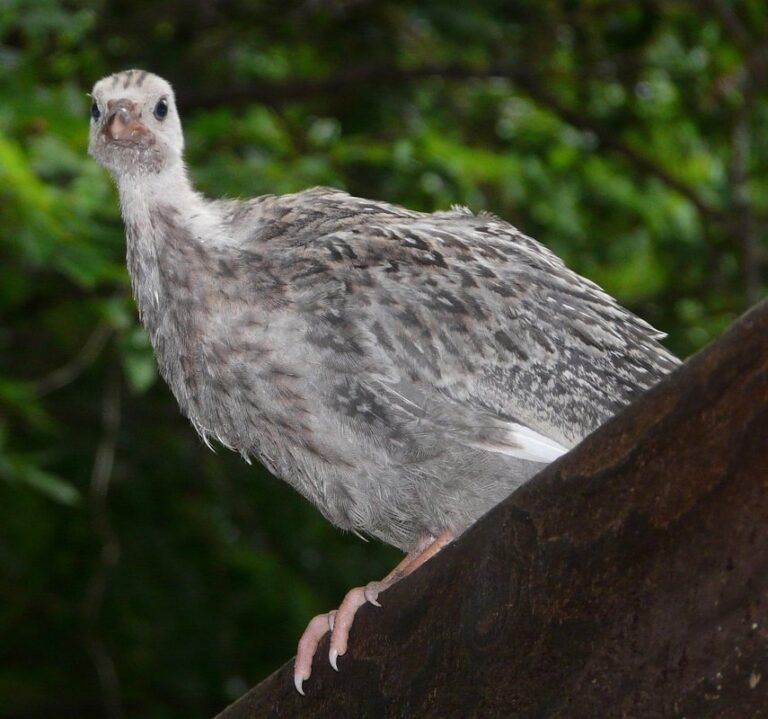
Introduction to Pearl Guinea Keets
If you’re new to raising guinea keets, understanding their specific needs and characteristics is essential for a healthy start. This introduction will cover the basics of pearl guinea keets and what to expect when they arrive.
What are Pearl Guinea Keets?
Pearl guinea keets are a unique and fascinating breed of poultry that have captured the hearts of many backyard chicken enthusiasts. Originating from Africa, these charming birds bring a touch of exotic flair to any coop. One of the defining characteristics of pearl guinea keets is their striking appearance – they feature soft, fluffy feathers in a range of subtle hues, including creamy whites, pale grays, and rich browns.
In terms of breed characteristics, pearl guinea keets are known for their gentle nature, making them an excellent choice for families with children or those new to raising poultry. They are also relatively low-maintenance birds that require less space than some other breeds. One of the most unique features of pearl guinea keets is their ability to free-range and forage effectively – they’re perfectly adapted to scratching and pecking around in grassy areas.
As a bonus, pearl guinea keets have been known to lay a steady supply of small to medium-sized eggs. On average, you can expect your hens to produce 100-120 eggs per year. With their charming looks, friendly demeanor, and relatively low upkeep, it’s no wonder that pearl guinea keets have become a popular choice among backyard chicken enthusiasts.
Importance of Pearl Guinea Keets in the Chicken Industry
Pearl guinea keets play a vital role in the poultry industry due to their unique characteristics and benefits. When it comes to egg production, pearl guinea keets are known for their exceptional reproductive abilities. They can lay up to 150 eggs per year, making them an excellent choice for small-scale farmers or backyard chicken enthusiasts. Moreover, their eggs are large in size and rich in nutrients, providing a valuable source of income for many poultry farms.
In terms of meat quality, pearl guinea keets are renowned for their tender and flavorful meat. They have a low feed-to-meat ratio, meaning that less food is required to produce the same amount of meat as other breeds. This makes them an attractive option for farmers looking to maximize profits while minimizing costs. Additionally, pearl guinea keets possess inherent disease resistance, reducing the need for antibiotics and other medications in their care. This not only benefits the birds’ health but also the environment.
When selecting pearl guinea keets, it’s essential to choose breeds that exhibit these desirable traits. Look for individuals with a high reproductive rate, excellent egg production, and robust meat quality. By doing so, you’ll be well on your way to raising a thriving flock of pearl guinea keets.
History and Origin of Pearl Guinea Keets
To truly appreciate these beautiful birds, it’s essential to understand where they came from, so let’s take a look at the history and origin of pearl guinea keets.
Early Development and Breeding Programs
The early development of pearl guinea keets is a fascinating story that showcases human ingenuity and dedication to breeding these unique birds. As we delve into the history of pearl guinea keets, it’s essential to understand the journey they’ve undergone to become the popular pets we know today.
In the early 20th century, breeders began experimenting with the Abyssinian and Chinese crested varieties to create a new type of guinea pig that boasted a unique appearance. They aimed to produce birds with a distinctive ‘pearl’ or ‘dun’ coat coloration, which would eventually become synonymous with the pearl guinea keets.
Through selective breeding programs, enthusiasts began to notice a trend towards smaller size and more rounded faces in their guinea pigs. By carefully selecting individuals with desirable traits, breeders were able to refine the characteristics of these birds over several generations. This painstaking process led to the development of the modern-day pearl guinea keet, prized for its striking appearance and friendly demeanor.
It’s worth noting that breeding programs have played a significant role in shaping the pearl guinea keets we see today. By understanding the historical context behind their creation, you can better appreciate the dedication and expertise required to raise these magnificent birds.
Key Breeders and Their Contributions
When it comes to raising pearl guinea keets, understanding their history and origin is crucial. One of the key breeders who made significant contributions to the development of these birds is Mr. J.L. Scholtz from South Africa. He’s often credited with introducing the first Pearl Guinea Fowl bloodlines to Europe in the early 20th century.
Another notable breeder, William T. Ince from England, played a crucial role in refining the Pearl Guinea Keet breed through his selective breeding program. His focus on developing birds with improved egg-laying abilities and striking plumage patterns helped solidify the breed’s popularity among enthusiasts.
In the United States, breeders like the late Dr. Richard E. Jones made important contributions to the development of pearl guinea keets by introducing new genetic lines that enhanced the breed’s overall hardiness and fertility. Their innovations paved the way for modern-day breeding programs focused on producing high-quality keet stock with desirable characteristics.
Understanding these pioneers’ achievements provides valuable insights into the art of raising pearl guinea keets successfully.
Raising Pearl Guinea Keets: Tips for Beginners
As you start your journey of raising pearl guinea keets, it’s essential to know how to provide them with a strong foundation and healthy environment from the very beginning. This section shares expert advice on getting started.
Choosing Healthy Keets
When it comes to raising healthy pearl guinea keets, choosing the right ones from the start is crucial. As a beginner, you might be unsure of what to look for in terms of good health. Start by examining the keets’ physical condition. Healthy keets should have bright eyes, clean nostrils, and shiny feathers. They should also be active and alert, with no signs of lethargy or labored breathing.
Nutrition is also a vital consideration when selecting healthy pearl guinea keets. Ensure that they are eating well by looking for keets with full crops (the food-filled pouch in the esophagus) and clean droppings. If you notice any irregularities, it may be an indication of nutritional deficiencies or health issues.
Vaccinations should also be a priority when selecting healthy pearl guinea keets. Consult with your breeder to determine if they have been vaccinated against common diseases such as Newcastle disease and infectious bronchitis. Always ask about the vaccination history and follow any recommendations for subsequent vaccinations.
In addition, consider asking the breeder about their breeding program and health guarantees. Reputable breeders will be transparent about their practices and provide guidance on caring for your new keets.
Housing and Environment Requirements
When it comes to raising pearl guinea keets, providing them with a suitable housing and environment is crucial for their health and well-being. First and foremost, you’ll want to ensure they have enough space to move around comfortably. A good rule of thumb is to provide at least 2-3 square feet of floor space per bird, as they love to stretch out and exercise.
Ventilation is also vital in preventing respiratory issues and maintaining a clean environment. You can achieve this by installing windows or providing adequate airflow through vents. Keep in mind that guinea keets are sensitive to extreme temperatures, so it’s essential to maintain a consistent temperature range of 65-75°F (18-24°C). This will also help regulate their circadian rhythms and promote natural behavior.
Maintaining good hygiene practices is equally important. Clean out the coop regularly by removing any debris or droppings, and disinfect surfaces with a pet-safe cleaning solution. Make sure to provide fresh food and water at all times, and change these regularly to prevent bacterial growth.
Nutrition and Feed Management for Pearl Guinea Keets
When it comes to raising healthy pearl guinea keets, proper nutrition is key. Providing them with a balanced diet and efficient feed management will ensure they thrive from day one.
Starter and Grower Feed Formulas
When it comes to feeding your pearl guinea keets, choosing the right starter and grower feed formulas is crucial for their growth and development. A well-formulated feed provides all the necessary nutrients, vitamins, and minerals required by these young birds.
Starter feed should be introduced at 1-2 weeks of age and continued until around 4-5 weeks old. These feeds typically contain a higher concentration of protein (around 18-20%) to support rapid growth and development. Look for starter feeds that include essential nutrients like calcium, phosphorus, and vitamin D3 for strong bone growth.
Grower feed, on the other hand, should be introduced around 4-5 weeks old and continued until the birds reach maturity. These feeds typically contain a slightly lower protein content (around 15-18%) to prevent overgrowth. It’s essential to ensure that your grower feed is formulated specifically for guinea keets or poultry in general.
A balanced nutritional profile should include around 1% calcium, 0.5% phosphorus, and adequate vitamin D3 levels. Follow the manufacturer’s instructions for feeding schedules and adjust as necessary based on individual bird needs and performance.
Water Quality and Sanitation Practices
Maintaining clean water sources is crucial for the health and well-being of your pearl guinea keet flock. Keets are susceptible to diseases such as coccidiosis, which can be contracted through contaminated water. To prevent this, it’s essential to change their water daily, ensuring that any waterer is always filled with fresh, clean water.
In addition to providing clean drinking water, implementing proper sanitation practices is vital for preventing disease outbreaks in your keet flock. This includes regularly cleaning and disinfecting feeding and watering equipment, as well as the brooder itself. A deep litter system can help manage manure and keep the area dry, reducing the risk of fungal and bacterial infections.
It’s also important to monitor your keets’ droppings for any signs of disease or parasites. Keep a clean environment by removing soiled bedding, cleaning feeders, and waterers regularly. This proactive approach will significantly reduce the risk of illness in your flock, ensuring their optimal health and growth.
Health Considerations and Disease Management
When it comes to raising pearl guinea keets, it’s essential to be aware of potential health concerns and learn how to manage diseases that can affect your flock. Let’s explore some key considerations together.
Common Diseases Affecting Pearl Guinea Keets
As a responsible guinea keet owner, it’s essential to be aware of the common diseases that can affect your flock. Respiratory issues are one of the most prevalent health problems in pearl guinea keets, often caused by viral infections such as bronchitis or pneumonia. Symptoms include labored breathing, coughing, and wheezing. To prevent respiratory issues, ensure good ventilation in their enclosure, provide a balanced diet, and keep them clean with regular cleaning of food and water dishes.
Bacterial infections are another common concern, often caused by Salmonella or E. coli. These can be prevented by maintaining a clean environment, providing fresh water daily, and ensuring proper nutrition. Regular check-ups with your veterinarian will also help identify potential health issues early on.
Parasites like mites, lice, and worms can also infect guinea keets, causing discomfort and weakening their immune systems. Regular grooming, checking for signs of infestation, and treating promptly if necessary are crucial in preventing parasite-related problems.
Vaccination Schedules and Booster Shots
When it comes to protecting your pearl guinea keet flock from diseases, vaccination schedules and booster shots are crucial. As a responsible breeder, it’s essential to be proactive about disease management. Consult with a veterinarian experienced in poultry care to determine the best vaccination schedule for your keets.
Typically, you’ll want to start vaccinating at around 6-8 weeks of age, with follow-up boosters every 2-4 weeks until they’re 16-20 weeks old. This will provide adequate protection against common diseases such as Newcastle disease and infectious bronchitis. Keep in mind that vaccination schedules may vary depending on your location, climate, and local regulations.
To prevent outbreaks, make sure to keep records of vaccinations and booster shots administered to each keet. Also, maintain a clean and well-ventilated coop, and ensure good husbandry practices such as proper sanitation, nutrition, and hygiene. By staying on top of vaccination schedules and disease management, you’ll help create a healthy and thriving flock.
Integrating Pearl Guinea Keets into Your Flock: Best Practices
When introducing new guinea keets to your flock, it’s essential to do so gradually and carefully to prevent stress and maintain a harmonious environment for all birds. A well-planned integration process is crucial for successful cohabitation.
Introducing New Birds to the Flock
Introducing new pearl guinea keets to an existing flock can be a delicate process. When done correctly, it ensures a harmonious coexistence among all birds. Start by separating the new arrivals from the rest of the flock for at least 24 hours. This allows them to acclimate to their new environment without feeling overwhelmed or threatened.
During this initial separation, ensure the new keets have access to food, water, and shelter. You can also introduce a familiar sound or scent from the existing flock to help ease the transition. Once introduced, monitor the behavior of both groups closely for signs of aggression or stress.
Some potential challenges to watch out for include pecking orders and territorial disputes. Be patient and observe your birds’ interactions. If necessary, intervene early on by separating any aggressive birds or providing additional enrichment activities. With careful planning and attention to detail, introducing new pearl guinea keets to your flock can be a seamless experience for all involved.
It’s also essential to introduce the new keets gradually, either one at a time or in small groups, to prevent overwhelming the existing flock.
Managing Molt and Egg Production Cycles
Managing molt and egg production cycles is crucial for maintaining the health and productivity of your pearl guinea keets. These birds are prolific layers, producing an average of 100-150 eggs per year, but their reproductive cycle can be influenced by various factors.
Nutrition plays a significant role in molting and egg production. A balanced diet rich in protein, calcium, and vitamins is essential for maintaining strong bones, skin, and feather health. Ensure your keets have access to high-quality feed, especially during peak production periods. Factors such as age, breed, climate, and management practices can also impact these cycles.
To maximize productivity, monitor your keets’ molting patterns closely, taking note of the duration and frequency of each molt cycle. Adjust feeding schedules accordingly to ensure they receive adequate nutrients during this critical period. Provide a stress-free environment by ensuring sufficient space, shelter, and social interaction among flock members.
Some breeders also report that incorporating probiotics or supplements into their keets’ diet can aid in maintaining healthy egg production and molting cycles. Experiment with different approaches to find what works best for your flock.
Conclusion and Future Perspectives on Pearl Guinea Keets
Now that we’ve covered the basics of raising pearl guinea keets, let’s summarize what you’ve learned so far and explore future opportunities for growth.
Summary of Key Takeaways
When it comes to raising healthy pearl guinea keets, there are several key takeaways that you should keep in mind. First and foremost, providing a balanced diet is crucial for their growth and development. This includes offering high-quality starter feed that’s rich in protein and calcium, as well as supplementing with fresh veggies like kale and spinach.
Another essential consideration is ensuring access to clean water at all times. You should change the water daily to prevent bacterial growth, and make sure it’s placed in a location where your keets can easily access it without contamination risk. Adequate ventilation is also vital for maintaining good air quality within their coop or brooder.
In addition, proper temperature control is critical, especially during the first few weeks after hatching. You’ll want to maintain a consistent temperature of around 90-95°F (32-35°C) in the brooder, gradually decreasing it as your keets grow and mature.
Finally, handling and socialization are also key aspects of raising healthy pearl guinea keets. Handle them gently and regularly from an early age to help build trust and reduce stress levels later on. By following these guidelines and tips, you’ll be well on your way to raising happy, healthy keets that thrive under your care.
Potential Opportunities and Challenges Ahead
As you continue on your journey with pearl guinea keets, it’s essential to be aware of emerging trends and potential opportunities or challenges associated with their production. With the growing demand for exotic poultry, pearl guinea keets are likely to become increasingly popular among backyard chicken keepers and commercial producers alike.
One potential opportunity is the expansion of niche markets, such as selling unique eggshell colors or creating specialty breeds. For instance, some breeders have already started marketing their pearl guinea keet eggs as a luxury item due to their distinctive appearance. However, this trend also brings challenges, such as ensuring consistent egg production and developing effective marketing strategies.
As the popularity of pearl guinea keets continues to rise, you can expect increased competition among breeders and producers. To stay ahead, it’s crucial to focus on exceptional breeding practices, maintain high-quality flocks, and invest in education and training to improve your skills. By doing so, you’ll be well-positioned to capitalize on the growing demand for these unique birds.
Frequently Asked Questions
Can I start raising pearl guinea keets with minimal experience?
Yes, while it’s essential to understand their specific needs, many backyard chicken enthusiasts have successfully raised healthy pearl guinea keets with some guidance and planning. Start by researching local breeders or suppliers that can provide you with a good batch of chicks and offer support throughout the process.
How do I ensure my flock remains disease-free?
Regular health checks, proper nutrition, and a clean environment are crucial in preventing diseases among your pearl guinea keets. Keep an eye out for signs of illness, maintain optimal hygiene practices, and make sure they have access to clean water at all times. Consult with local veterinarians or poultry experts for specific advice on vaccination schedules.
What’s the ideal ratio of adult birds to new chicks in a flock?
Introducing too many new chicks to a small number of established birds can lead to stress, competition for resources, and potential health issues. A general rule of thumb is to introduce one or two new chicks per adult bird at first, gradually increasing this ratio as your flock grows.
How often should I expect my pearl guinea keets to lay eggs?
The frequency of egg production depends on various factors such as breed, age, nutrition, and overall health. Typically, a healthy pearl guinea hen will start laying around 18-20 weeks old, with an average of 150-200 eggs per year.
Can I integrate my existing flock with new pearl guinea keets?
Introducing new birds to your existing flock requires careful planning and execution to minimize stress and ensure a smooth transition. Start by isolating the new birds for a week or two before introducing them slowly, under close supervision, to your established flock.