
If you’re new to raising chickens in your backyard, one of the most daunting tasks can be selecting the right breeds for your flock. With so many options available, it’s easy to get overwhelmed and unsure where to start. Choosing the perfect breed is crucial, as it will determine everything from egg production to temperament, making it essential to consider factors like space, time commitment, and climate.
In this article, we’ll guide you through the process of selecting poultry breeds that fit your lifestyle and needs. We’ll cover the basics of what to look for in a breed, including desired characteristics such as egg production, temperature tolerance, and noise level. Whether you’re looking to start small or have acres of land, our expert advice will help you make an informed decision and ensure a successful and enjoyable backyard flock.
Understanding Your Needs
To find the perfect poultry breed, it’s essential to understand your needs and lifestyle. What kind of space do you have available for a coop and run?
Defining Your Goals and Lifestyle
When selecting a poultry breed, it’s essential to define your goals and lifestyle. This will help you choose a breed that meets your specific needs and expectations. Start by considering the space available for your flock. If you live in a small backyard or have limited space, you’ll want to focus on breeds that are compact or don’t require a lot of room to roam.
Think about your time commitment as well. Some breeds are low-maintenance and can thrive with minimal daily attention, while others require more regular care and interaction. If you’re short on time, look for breeds that are known for their hardiness and adaptability.
Additionally, consider how many eggs you want from your flock. Some breeds are prolific layers, producing dozens of eggs per week, while others may only provide a few eggs per year. Be honest with yourself about what you can realistically manage in terms of egg production and care.
Researching Different Types of Flocks
As you begin to research different types of flocks, it’s essential to understand that each type has its unique characteristics, needs, and benefits. Let’s take a closer look at some of the most common types of flocks and what they entail.
Backyard chickens are perhaps the most well-known type of flock, and for good reason – they’re ideal for small spaces and can provide a steady supply of eggs. However, if you’re looking to raise your birds on pasture, you’ll need to consider heritage breeds or pasture-raised flocks. These types of birds are bred specifically for their ability to thrive in free-range environments and can produce high-quality meat.
When researching different types of flocks, it’s crucial to think about your lifestyle, space constraints, and the level of care you’re willing and able to provide. Consider factors such as feed requirements, predator protection, and fencing needs for each type of flock. For example, if you have a large yard with plenty of space to roam, a pasture-raised flock may be the perfect choice. But if you live in a small apartment or have limited outdoor space, a backyard chicken flock might be more suitable.
When evaluating different types of flocks, ask yourself: What are my goals for raising poultry? Do I want eggs, meat, or both? How much time and resources am I willing to dedicate to caring for my birds? By considering these factors, you can narrow down your search and find the perfect flock for your needs.
Breed Characteristics: What to Consider
When choosing a poultry breed, understanding its characteristics is crucial for success. This section will walk you through key traits to consider as a beginner breeder.
Egg-Laying Breeds and Their Performance
When it comes to selecting an egg-laying breed, you’ll want to consider popular choices like Leghorns, Rhode Island Reds, and Barred Rocks. These breeds are known for their high egg production, but they also have distinct temperaments and care requirements.
Leghorns are one of the most prolific egg layers, producing up to 300 eggs per year. However, they can be flighty and may require extra attention during molting season. Rhode Island Reds are another popular choice, laying around 200-220 eggs per year. They’re known for their friendly and docile nature, making them a great choice for backyard flocks.
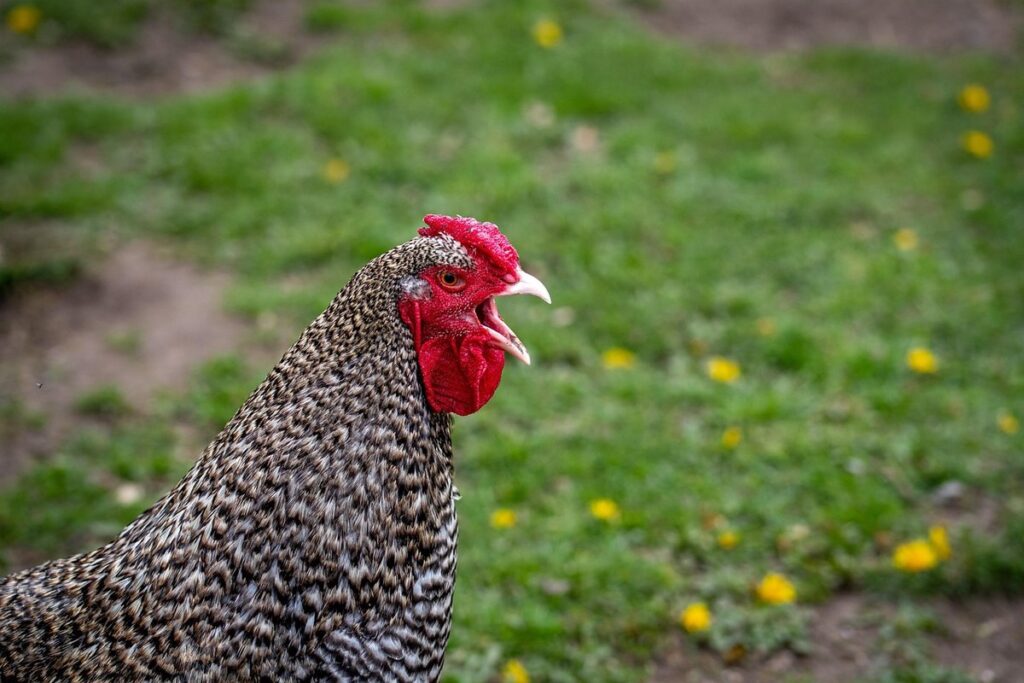
Barred Rocks are also high producers, laying around 200-220 eggs per year. They’re known for their hardiness and adaptability to different environments. When choosing an egg-laying breed, consider your lifestyle and the space available for your flock. Make sure you can provide the necessary care and attention to meet the specific needs of your chosen breed.
For example, if you live in a small backyard with limited space, a Rhode Island Red or Barred Rock might be a better fit due to their docile nature and adaptability.
Meat and Dual-Purpose Breeds
When selecting poultry breeds for meat or dual-purpose production, you’ll want to consider breeds that excel at both egg-laying and meat quality. One popular option is the Plymouth Rock, a hardy and prolific breed known for its brown eggs and rich, tender meat. With an average daily feed consumption of 180 grams per bird, the Plymouth Rock is an efficient choice for small-scale producers.
Another dual-purpose breed worth considering is the Wyandotte, which lays a respectable 200-220 brown eggs per year while producing a mild-flavored, firm-textured meat. Its calm demeanor and friendly nature make it an excellent choice for backyard flocks.
The Brahma, too, is a reliable dual-purpose breed that yields around 150-180 brown eggs annually and offers a rich, savory flavor. With its impressive size and gentle disposition, the Brahma can thrive in a variety of settings, from small farms to large-scale commercial operations.
When selecting a meat or dual-purpose breed, be sure to research their specific needs and characteristics to ensure you’re providing the best possible care for your birds. This will help optimize their performance and result in higher quality products.
Choosing the Right Breed for Your Climate
When selecting a poultry breed, consider your climate and how it will impact their health and happiness. Let’s explore some factors to keep in mind when making this important decision.
Cold-Weather Breeds and Their Adaptability
When it comes to cold-weather climates, certain poultry breeds excel at thriving in harsh winter conditions. One such breed is the Orpington, known for its exceptional hardiness and ability to withstand temperatures as low as 0°F (-18°C). Their thick feathers and compact bodies help to conserve heat, making them an excellent choice for backyard flocks.
The Sussex chicken is another breed that’s well-suited to cold climates. Originating in England, they’ve been bred over centuries to tolerate the country’s chilly winters. Their broad faces and stout bodies enable them to withstand freezing temperatures with ease.
Australorps are also popular in cold-weather areas due to their exceptional adaptability. Developed in Australia, they’re well-insulated against extreme temperature fluctuations and can lay eggs year-round in sub-zero conditions. If you live in an area prone to harsh winters, consider incorporating these breeds into your flock for optimal performance.
When selecting a breed that excels in cold climates, look for characteristics such as thick feathers, compact bodies, and sturdy legs. These traits will help ensure your birds stay warm and healthy during the harshest winter months.
Hot-Weather Breeds and Heat Tolerance
When it comes to hot weather breeds and heat tolerance, some poultry breeds are naturally more suited for warm or tropical climates than others. One popular breed that thrives in the heat is the Silkie. Originating from China, Silkies have been bred over centuries to withstand high temperatures and humidity. Their fluffy feathers may look delicate, but they’re actually an excellent insulator, helping to keep them cool even when the mercury rises.
Another heat-tolerant breed is the Polish. With their crested heads and short beaks, Polishes are well adapted to warm climates. They’re also relatively low-maintenance, making them a great choice for beginners. When it comes to heat tolerance, one breed stands out from the rest: the Campine. This Belgian breed has been known to thrive in temperatures above 90°F (32°C), and their lightweight bodies make them less prone to overheating.
If you’re new to raising poultry, consider starting with these breeds if you live in a warm climate. Not only will they be more resilient to heat stress, but they’ll also provide you with an enjoyable and rewarding experience.
Health Considerations and Breed Selection
When choosing a poultry breed for your backyard flock, health considerations are crucial to ensure you select birds that thrive in their environment and adapt well to your care. Let’s explore what breeds are best suited for beginners like you.
Common Health Issues in Poultry Breeds
When it comes to selecting a healthy and thriving flock, understanding common health issues within various poultry breeds is crucial. Some breeds are more prone to specific health concerns than others.
For instance, Leghorns are known for their high incidence of feather pecking, where hens excessively peck at each other’s feathers. This behavior can lead to stress, injury, and even death. Similarly, Orpingtons are susceptible to obesity due to their fast growth rate and love for food. Bantams, on the other hand, may be more prone to respiratory problems due to their small size.
When selecting a breed, consider these potential health concerns. If you’re not prepared or equipped to address them, it may lead to a stressful and unhealthy environment for your birds. Researching breeds that are resistant to certain issues can help alleviate some of the challenges associated with ownership. For example, Brahma chickens are known for their gentle nature and resistance to many common poultry diseases.
Ultimately, selecting a breed that aligns with your lifestyle and living situation is key to maintaining a healthy flock.
Genetic Diversity and Its Importance
As you begin to explore different poultry breeds for your flock, it’s essential to consider the importance of genetic diversity. Just like humans, chickens come with unique characteristics that can affect their health and well-being. When you choose breeds with diverse genetics, you’re creating a robust and resilient flock that’s better equipped to handle disease outbreaks.
For instance, if you only have one breed in your flock, it may be more susceptible to certain diseases or parasites. This is because all birds share similar genetic makeup, making them more vulnerable to the same health issues. On the other hand, having breeds with diverse genetics can help mitigate these risks. It’s like having a team of players with different skills – if one player gets injured, others can step in and fill the gap.
When selecting breeds, look for those that originated from distinct geographic regions or have been bred for specific traits, such as egg-laying or meat production. This diversity will not only enhance your flock’s health but also provide you with a broader range of benefits, including improved fertility rates and better disease resistance.
Housing and Equipment Considerations
When it comes to raising poultry, providing a suitable environment is crucial for their health and well-being. Let’s discuss the key housing and equipment considerations you’ll want to think about when getting started.
Space Requirements for Different Breeds
When it comes to selecting a poultry breed for your backyard flock, it’s essential to consider the space requirements of each breed. While some breeds are happy to live in small spaces, others need plenty of room to roam and exercise.
For example, lightweight breeds like Leghorns and Cornish hens require about 2-3 square feet per bird inside the coop, with additional space for running around outside. On the other hand, larger breeds like Orpingtons and Plymouth Rock chickens need more space, around 4-5 square feet per bird inside the coop.
Roosting bars are also crucial to consider. Most chickens will roost at night, so make sure you have enough bars spaced about 12-18 inches apart for them to comfortably perch. Don’t forget to include nesting boxes – a good rule of thumb is one box per 3-4 hens.
In terms of coop size, aim for a minimum of 2×4 feet for small breeds and 4×6 feet for larger breeds. Remember, the more space you can provide, the happier and healthier your birds will be.
Essential Equipment for Your Flock
When it comes to housing and equipment for your flock, it’s essential to invest in the right gear to ensure their health and happiness. A happy and healthy chicken is a productive one, after all!
First and foremost, you’ll need to set up reliable feeders and waterers that can withstand the elements and won’t tip over easily. Consider using heavy-duty feeders with wide mouths to prevent clogging, and choose a waterer that allows for easy cleaning and can be secured to the coop or run to prevent spills.
Next, you’ll want to think about fencing for your flock’s outdoor enclosure. Chickens are natural diggers, so you’ll need sturdy fencing that extends at least 3 feet underground to prevent them from burrowing under it. You can use hardware cloth (a metal mesh material) or chicken wire with openings no larger than 1 inch.
Some additional must-haves for a happy flock include nesting boxes (one per 5-7 hens), roosts, and adequate ventilation in the coop to keep air circulating and prevent ammonia buildup from their droppings. With these essentials in place, you’ll be well on your way to creating a comfortable and healthy environment for your feathered friends!
Integrating Poultry into Your Home
Now that you’ve chosen your perfect breed, it’s time to bring them home and make their transition as smooth as possible. This is where you’ll learn how to integrate poultry into your home.
Building Regulations and Zoning Laws
Before you start choosing the perfect poultry breed for your backyard flock, it’s essential to consider the local regulations that govern chicken-keeping. Building regulations and zoning laws can vary significantly depending on where you live, so it’s crucial to familiarize yourself with these rules before bringing home your first chicks.
To navigate this process, begin by contacting your local government’s planning or permitting department to inquire about specific regulations in your area. They will be able to provide information on required permits, inspections, and any potential restrictions on the number of chickens you can keep. For instance, some municipalities may have ordinances limiting the number of chickens per household or requiring a minimum lot size for backyard flocks.
Be prepared to present your case for keeping chickens, highlighting the benefits such as reduced carbon footprint and increased food security. Knowing what to expect will help you avoid any surprises down the line and ensure a harmonious relationship with your local authorities. By doing your research upfront, you’ll be better equipped to select a breed that fits within these guidelines and thrive in your unique backyard environment.
Neighborhood Considerations and Fencing
When integrating poultry into your home, it’s essential to consider not only their needs but also those of your neighbors. As you select a breed that suits your lifestyle, don’t forget about the importance of adequate fencing for their enclosure.
A sturdy fence will keep predators out and prevent your birds from escaping, but it can also be a point of contention with neighboring homeowners. When choosing the right materials, consider using durable options such as wood or metal, which are less likely to rust or deteriorate over time. Be sure to check local regulations regarding fencing heights and materials, as these may vary depending on your location.
To coexist harmoniously with neighbors, be transparent about your plans and involve them in the decision-making process whenever possible. For instance, you can offer to install a fence that meets their aesthetic preferences or provide regular updates on your flock’s size and noise levels. By being considerate of others’ needs and concerns, you’ll create a more positive relationship with your neighbors and set yourself up for long-term success as a backyard poultry keeper.
Conclusion
When it comes to choosing the right poultry breed for your farm or backyard flock, there are countless options available. By considering factors like climate, space, and personal preferences, you’ve taken a crucial step in selecting a suitable breed for your needs. Remember that each breed has its unique characteristics, so don’t be afraid to ask questions or seek advice from experienced breeders or farmers.
In the end, it’s essential to choose a breed that not only meets but exceeds your expectations. Consider visiting local farms or attending poultry shows to gain hands-on experience and learn more about different breeds firsthand. By doing your research and being open-minded, you’ll be well on your way to building a thriving and happy flock. With patience, persistence, and practice, you’ll develop the skills needed to become a confident and successful poultry breeder.
Frequently Asked Questions
What if I’m unsure about the breed characteristics or traits mentioned in the article?
Start by researching online resources, such as poultry clubs or breed associations, to learn more about specific breeds. You can also consult with local farmers or experienced backyard chicken keepers for hands-on advice.
How do I ensure that my chosen breed is suitable for my climate and temperature conditions?
Consider factors like temperature tolerance, heat stress, and cold hardiness when selecting a breed. Look for breeds that are naturally adapted to your region’s climate, and don’t hesitate to ask questions about specific traits during the selection process.
Can I mix different breeds in the same flock, or should I stick with one breed?
Mixing breeds can be beneficial for genetic diversity, but it requires careful planning and consideration. Ensure that you’re not introducing competing personalities or temperaments, and research breeds that are known to coexist harmoniously.
What about introducing new chickens to an existing flock – how do I minimize stress and prevent conflicts?
When integrating new birds into your flock, start by separating them from the rest of the flock for a few days. This allows you to monitor their behavior and adjust to each other’s presence before releasing them together in the same enclosure.
Are there any specific health concerns or vaccinations I should be aware of when selecting a breed?
Yes, some breeds are prone to certain health issues due to genetic factors. Research common health problems associated with your chosen breed and discuss potential vaccination needs with a veterinarian or poultry expert to ensure you’re taking proactive steps in maintaining a healthy flock.