
Winter is here, and if you’re like many backyard chicken keepers, you might be wondering how to boost your flock’s egg production during this time. As the days get shorter and sunlight becomes scarce, it can be challenging to ensure your hens are getting enough light to stay healthy and productive. Adequate lighting is crucial for maintaining optimal flocks, as it not only regulates their circadian rhythms but also supports calcium absorption – a vital component of eggshell production. In this article, we’ll explore the importance of providing sufficient artificial light for winter eggs, discuss the best ways to meet your flock’s nutritional needs during this period, and offer expert advice on how to care for your hens to maximize their egg-laying potential.
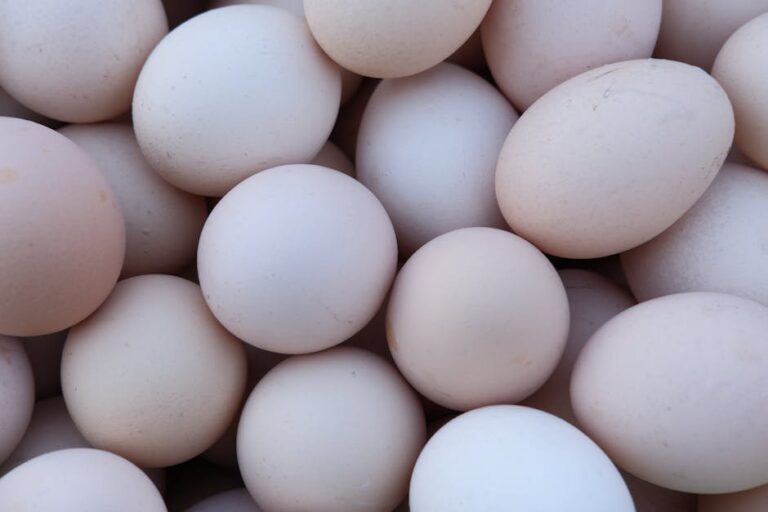
Understanding Egg Production in Winter
As winter sets in, you might notice a decline in egg production from your flock. This is because daylight hours decrease, affecting hens’ natural ability to produce eggs.
Factors Affecting Egg Laying During Winter
When winter sets in, many backyard chicken keepers notice a significant drop in egg production. This decline is largely due to several factors that come into play during the colder months. Let’s take a closer look at how temperature, daylight hours, and nutritional factors impact egg production.
Temperature plays a crucial role in determining your hens’ comfort level and productivity. Hens are most comfortable laying eggs when the temperature ranges between 40°F and 80°F (4°C to 27°C). If it gets too cold or hot, they may slow down their egg-laying process. For instance, if your area experiences an extended period of subzero temperatures, you can expect a significant drop in egg production.
Daylight hours also have a considerable impact on egg production. Chickens require at least 14 hours of daylight to maintain optimal health and egg production. As the days shorten during winter, your hens may not get enough light, leading to a decrease in egg laying. Consider supplementing natural light with artificial lighting to ensure your girls receive adequate illumination.
Nutritional factors can also affect egg production. A diet lacking essential nutrients or protein can lead to a drop in egg production. Make sure your hens have access to high-quality feed and fresh water at all times. You may need to adjust their feeding schedule based on the number of daylight hours they’re getting, as this will impact their overall nutritional needs.
Identifying Signs of Stress or Discomfort in Hens
As you’re trying to boost egg production during the winter months, it’s essential to monitor your hens’ behavior and physical signs for any potential issues. One crucial aspect to pay attention to is stress or discomfort caused by cold temperatures or lack of light.
Changes in appetite are a common indicator that something might be amiss. If you notice your hens eating significantly less than usual, it could be a sign that they’re not feeling well due to the colder environment. For example, if your hens typically devour a full bag of layer feed within a day or two but now only consume half as much in the same timeframe, this is worth investigating.
In addition to appetite changes, pay attention to egg-laying frequency and quality. If you notice a significant drop in eggs produced per week, it may be related to stress or discomfort caused by the cold. Sometimes, hens may also produce misshapen or smaller eggs due to inadequate light exposure.
Monitoring your hens’ behavior can also provide valuable insights into their well-being. Some signs of stress include excessive dust-bathing, pacing, or feather plucking. If you notice any unusual behavior in your flock, it’s worth addressing promptly to prevent long-term consequences on egg production.
Providing Adequate Light for Your Flock
Providing adequate light is crucial during winter months when daylight hours are scarce, and it can make a significant difference in your flock’s egg production. Let’s dive into some practical tips to get you started.
The Importance of Artificial Lighting for Egg-Laying Hens
Artificial lighting is crucial for egg-laying hens during winter months when natural light is scarce. During this time, hens may experience a decline in egg production due to the reduced daylight hours. However, with artificial lighting, you can ensure that your girls continue to produce eggs at optimal levels.
Studies have shown that providing 14-16 hours of supplemental lighting per day can increase egg production by up to 30% compared to non-supplemented flocks. This is because artificial light mimics natural light, signaling the hen’s body to continue producing eggs as if it were still daylight outside.
In addition to increased egg production, artificial lighting also has overall health benefits for your flock. It helps regulate their circadian rhythms, reduces stress, and promotes a healthier digestive system. By investing in a good quality LED grow light or fluorescent light fixture, you can ensure that your hens stay healthy and happy throughout the winter months.
Remember to place lights at least 2-3 feet above the roosting bar to avoid overheating and ensure even distribution of light across the coop.
Choosing the Right Lighting System for Your Farm
When it comes to choosing the right lighting system for your farm, you have several options to consider. One popular choice is LED lights, which are energy-efficient and produce minimal heat. They’re an excellent option for poultry houses, as they can be tailored to mimic natural daylight and promote healthy growth.
Fluorescent lights are another common choice, but they tend to emit more heat than LEDs and may require additional ventilation. However, they can still provide a cost-effective solution for smaller farms or starter flocks.
Solar-powered options are also worth exploring, especially if you’re looking for a self-sustaining system that reduces your energy bills. These systems use photovoltaic panels to generate electricity during the day and store it in batteries for nighttime use.
When selecting a lighting system, consider factors such as energy efficiency, heat production, and durability. You’ll also want to choose a system that’s easy to install and maintain. By doing your research and choosing the right lighting solution for your farm, you can ensure your flock stays healthy and productive throughout the winter months.
Setting Up a Winter Egg-Laying System
To ensure healthy and productive egg-laying during winter, you’ll need to set up a system that provides optimal lighting for your flock. This means creating an environment that mimics natural daylight cycles.
Creating an Optimal Environment for Hens During Winter
When winter sets in, it’s not just the lack of light that can affect your hens’ egg-laying abilities – but also their environment. Creating an optimal space for them to thrive during this time is crucial. Let’s start with temperature: a comfortable range for most breeds is between 40°F and 70°F (4°C and 21°C). Ensure the coop is well-insulated, as heat can escape quickly through gaps or drafts.
Humidity levels are also vital – ideally between 50% to 60%. This can be achieved by misting the coop with water daily or using a humidifier. Some breeds, like Silkies, prefer higher humidity, while others, such as Leghorns, prefer it lower. Observe your hens’ behavior and adjust accordingly.
Aim for good ventilation in the coop to prevent ammonia buildup from droppings and maintain air quality. You can do this by installing windows or a door that allows fresh air circulation. Consider adding some plants like ferns or peace lilies, which release moisture into the air naturally. This will not only add humidity but also help purify the air.
Implementing a Schedule for Lighting and Feeding
Implementing a schedule for lighting and feeding is crucial to maintain egg production during winter months. When daylight hours are scarce, chickens require artificial light to simulate natural day-night cycles. Aim for 14 hours of light per day, considering the natural cycle of sunrise and sunset.
Develop a routine for feeding your flock as well. Chickens need more food in the winter due to increased energy expenditure from maintaining body heat. Allocate an additional pound of feed per bird daily during this time. Divide the total amount into two meals: one in the morning and another after 10-12 hours of light exposure.
A common mistake is providing too little or too much light, disrupting your flock’s circadian rhythm. Monitor egg production, behavior, and overall health to adjust lighting schedules accordingly. Consider adjusting feeding times based on individual bird needs and breed characteristics. Regularly inspect feeders, waterers, and coops to prevent mold growth and maintain cleanliness.
Selecting the Right Feed for Your Hens
Choosing the right feed for your hens is crucial, especially during winter when they require more calories to stay warm and produce eggs.
When selecting a feed, consider factors such as protein content, age of the flock, and nutritional needs specific to your region.
Nutritional Needs of Hens During Winter Months
As winter months approach, you may have noticed that your hens’ egg production slows down. This is partly due to the lack of sunlight and colder temperatures, but it’s also related to their nutritional needs changing during this time. To ensure your hens continue laying eggs at an optimal rate, it’s essential to provide them with a balanced diet that meets their increased requirements for certain nutrients.
Vitamin D3, often referred to as “the sunshine vitamin,” is crucial for calcium absorption and overall bone health in hens. During winter months, when sunlight is scarce, hens require more vitamin D3 in their diet to compensate for the lack of UVB rays from the sun. A supplement or a feed that contains sufficient amounts of vitamin D3 (around 1,000-1,500 IU per pound) will help maintain healthy bone density and promote eggshell formation.
Calcium is another essential nutrient that hens require more of during winter. As they rely less on sunlight for vitamin D3 production, their bodies use stored calcium reserves to compensate. However, if these stores are depleted, it can lead to weakened eggshells and reduced egg production. To meet your hens’ increased calcium needs, consider adding crushed oyster shells or dark leafy greens like kale or spinach to their feed.
By providing your hens with the right balance of nutrients, you’ll be supporting their overall health and well-being during winter months, ultimately helping them continue laying eggs at an optimal rate.
Choosing a High-Quality Layer Feed
When it comes to selecting a high-quality layer feed for your hens, there are several key factors to consider. As you’re looking to boost their egg production during the winter months, you’ll want to ensure that their diet is nutrient-rich and tailored to their needs.
Start by checking the protein content of the feed – ideally, it should be around 16-18% for optimal performance. You can also look out for feeds fortified with omega-3 fatty acids, which are essential for maintaining a healthy egg yolk and shell quality. As for fiber level, most layer feeds contain around 2-4% – any higher or lower may lead to digestive issues.
Additionally, some high-quality layer feeds come with added supplements such as probiotics, prebiotics, and vitamins A and D3. These can help support your hens’ immune systems and overall health, ultimately contributing to a more consistent egg-laying schedule. It’s also worth noting that some manufacturers may offer specialized winter or transition feeds – these often contain ingredients specifically designed to help hens cope with the cold weather and maintain their energy levels.
Common Mistakes to Avoid When Providing Light for Your Flock
When it comes to illuminating your flock, there are several common mistakes that can impact egg production and your birds’ health. Let’s explore these pitfalls together.
Overlooking the Importance of Light Duration and Intensity
When it comes to providing light for your flock during the winter months, many farmers underestimate the importance of light duration and intensity. This oversight can have serious consequences on egg production, fertility, and overall health of the birds.
A common mistake is assuming that any amount of artificial lighting will suffice. However, research has shown that even with adequate illumination, eggs may not receive enough photoperiodic stimulus to trigger natural reproductive cycles. To avoid this, farmers should aim for a 14-16 hour light cycle, simulating natural daylight hours as closely as possible.
It’s also crucial to consider the intensity of lighting. Too little light can lead to stunted growth and reduced fertility, while excessive brightness can cause stress and discomfort in the birds. A good rule of thumb is to provide at least 5-7 lumens per square foot, adjusting as needed based on flock size and breed requirements.
Underestimating the Impact of Temperature on Egg Production
When it comes to providing light for your flock during the winter months, many farmers tend to overlook one crucial factor: temperature. Underestimating its impact on egg production can lead to reduced yields and stress on your birds. In fact, research has shown that a 5-10°F (3-6°C) drop in temperature can decrease egg production by up to 30%.
This may not seem like a significant drop, but for small-scale farmers, this can mean the difference between breaking even or losing money. Cold temperatures make it harder for hens to maintain their optimal body temperature, which is essential for producing eggs. When it’s cold, birds tend to spend more energy on keeping warm than on laying eggs.
To mitigate the effects of temperature on egg production, consider installing supplemental heat sources, such as brooders or heat lamps. Make sure these are specifically designed for poultry and follow the manufacturer’s guidelines. You can also take advantage of natural light during warmer parts of the day by opening curtains or coop windows to let sunlight in. By addressing the impact of temperature on your flock, you’ll be better equipped to support their needs and maintain healthy egg production throughout the winter months.
Conclusion: Thriving in Winter with Proper Lighting and Nutrition
Now that you’ve learned how to boost light into your winter eggs, let’s wrap up with some practical advice on thriving during the darker months.
Your lighting and nutrition strategies will be crucial in keeping you energized and productive throughout the season.
Recap of Key Takeaways
As we wrap up our exploration of adding light to your winter eggs, let’s take a moment to revisit the essential takeaways from this article. By now, you should be equipped with the knowledge to provide your hens with the right amount of light and nutrition during the colder months.
First and foremost, it’s crucial to understand that natural light is scarce during winter. As daylight hours dwindle, your hens may struggle to produce eggs at their best. This is where supplemental lighting comes into play – providing a reliable source of UVB light for your flock. From LED grow lights to specialized chicken lamps, the options are numerous.
In addition to adequate lighting, selecting a high-quality layer feed is vital during winter. A nutrient-rich feed will help support your hens’ egg production and overall health. Look for feeds with essential vitamins and minerals like vitamin D3, calcium, and omega-3 fatty acids. These nutrients will not only promote healthy eggshell formation but also boost your hens’ immune systems.
Don’t forget to also provide fresh water and a balanced diet that includes fruits, vegetables, and grains. A happy and well-fed flock is more likely to thrive during the winter months. Consider introducing cold-hardy treats like kale or spinach to their regular menu for added nutrition.
In conclusion, providing adequate light and selecting a high-quality feed are just two essential components of maintaining healthy hens during winter. By implementing these strategies, you’ll be well on your way to supporting your flock’s egg production and overall well-being throughout the colder months.
Frequently Asked Questions
How do I ensure my hens are getting enough calcium for optimal eggshell production during winter?
Yes, it’s essential to provide your flock with a high-quality layer feed that contains adequate amounts of calcium and other essential nutrients during the winter months. Consider supplementing their diet with crushed oyster shells or dark leafy greens like kale and spinach, which are rich in calcium.
Can I use any type of lighting system for my backyard chickens?
No, not all lighting systems are suitable for your flock’s needs. When choosing a lighting system, consider factors like intensity, duration, and spectrum to ensure it meets the specific requirements of your hens. Look for LED lights specifically designed for poultry, as they are energy-efficient and provide optimal light output.
How often should I check my flock’s temperature range during winter?
As a general rule, you should monitor your coop’s temperature daily, especially when temperatures drop below 40°F or rise above 70°F. This will help you identify potential issues before they impact egg production.
Can I use natural light sources like skylights or windows to supplement my flock’s lighting needs?
While natural light is beneficial, it may not be sufficient to meet your hens’ needs during the winter months when daylight hours are scarce. Consider using artificial lighting in addition to natural light sources to ensure optimal egg production and overall health.
What are some common mistakes to avoid when setting up a winter egg-laying system?
Avoid overlooking the importance of providing adequate ventilation, as poor air quality can lead to respiratory issues in your flock. Additionally, be mindful of temperature fluctuations and ensure your coop is well-insulated to maintain a stable environment for your hens.