
As a backyard chicken keeper, you want your flock to thrive, but did you know that adjusting chicken feeder heights can make all the difference? Optimal feeding height is crucial for maintaining healthy birds and promoting optimal egg production. However, with so many variables to consider – breed, age, climate, and more – it’s easy to get stuck in a rut. Do you find yourself struggling to balance your chickens’ needs with your own lifestyle? Or perhaps you’re curious about the impact of feeder height on your flock’s overall well-being.
In this article, we’ll explore the ins and outs of adjusting chicken feeder heights for optimal flock health. We’ll delve into practical tips for considering breed, age, climate, and other factors to create a feeding environment that nurtures both egg production and bird well-being.
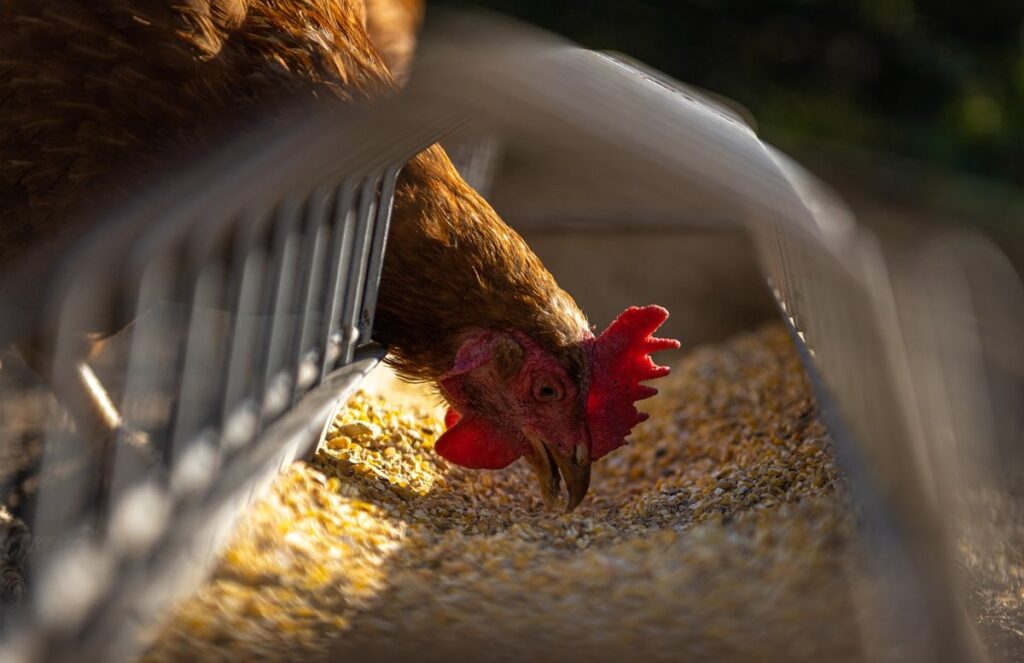
Understanding the Importance of Feeder Height
Understanding feeder height is crucial for your flock’s overall health and well-being, as it directly affects their eating habits and digestive systems. Let’s explore why feeder height matters in this next section.
Factors Affecting Feeder Height Needs
When adjusting chicken feeder height, it’s essential to consider various factors that influence optimal feeding heights for different breeds, ages, and health considerations. Breed-specific requirements can significantly impact feeder height needs. For instance, smaller breeds like Leghorns or Bantams may require lower feeders due to their compact size, whereas larger breeds such as Orpingtons or Plymouth Rock may need higher feeders.
As chickens age, their physical abilities also change. Young chicks and pullets (immature hens) typically require feeders at a lower height to prevent pecking order disputes and ensure even access to food. As they mature, you can gradually increase the feeder height to accommodate their growing stature. Health considerations, such as mobility issues or wing impairment, may also necessitate adjustments in feeder height.
Ultimately, understanding these factors will help you make informed decisions about your flock’s feeding needs. Regular observations of your chickens’ behavior and adaptability to different feeder heights will aid in making necessary adjustments.
Consequences of Incorrect Feeder Height
When you set the feeder at an inappropriate height, it can lead to a cascade of problems that ultimately affect the overall health and productivity of your flock. Reduced egg production is one of the most noticeable consequences. Chickens that have trouble accessing the feeder will often stop laying eggs altogether as they redirect their energy towards searching for food instead.
Increased competition for food at an inappropriately high or low feeder height can also lead to pecking order issues, where dominant birds bully others away from the feeder. This behavior not only disrupts social harmony but also increases stress levels, making your flock more susceptible to disease and parasites.
Decreased overall flock health is another consequence of an incorrect feeder height. Chickens that are struggling to access food may eat less than their needs, leading to malnutrition, weight loss, or other health problems. This can be particularly concerning if you’re raising chickens for meat, as underweight birds may not grow at the expected rate.
Determining the Right Feeder Height
When adjusting your chicken feeder height, determining the right level is crucial for optimal feeding. We’ll show you how to find a comfortable feeding position for your flock.
Measuring Your Birds’ Height
To ensure you’re adjusting your chicken feeder to the right height, it’s essential to accurately measure your birds’ heights. This will help prevent overcrowding at feeders, which can lead to health issues and stress on your flock.
You’ll need a stanchion or other reference point to measure from. A stanchion is a metal bar or pole that can be attached to the coop or run enclosure. It provides a fixed point to measure against. Choose a stanchion near the feeder location, so you can easily record and adjust as needed.
You can use a measuring tape or string to determine your birds’ heights. Stand back and gently place the end of the tape or string at the top of the bird’s head, ensuring it’s straight and level. Take note of the measurement for each bird in the flock, including both males and females. This will give you an average height to use when adjusting feeder height.
Keep in mind that birds grow throughout their lives, so monitor heights regularly and adjust feeder height accordingly to prevent overcrowding.
Factors Influencing Optimal Feeder Height
When determining the optimal feeder height for your flock, it’s essential to consider several factors that can influence individual bird characteristics and needs. Breed, for instance, plays a significant role in determining ideal feeder height. Some breeds, like Leghorns, tend to be smaller and may require lower feeding troughs to prevent straining or discomfort during eating. On the other hand, larger breeds such as Orpingtons might need higher feeding areas.
Age is another critical factor, particularly when it comes to young chicks. Baby chicks will typically start pecking at feed at around one week old. As they grow and mature, their ability to reach feeders changes significantly. Young pullets may require lower feeder heights initially before being gradually increased as they grow into adult hens.
In addition to breed and age, sex also plays a role in determining optimal feeder height. Roosters, for example, tend to be larger than hens and thus may need higher feeding areas. However, these differences can vary significantly between individual birds, so it’s crucial to monitor your flock’s behavior and adjust feeder heights accordingly.
Adjusting Feeder Height for Different Environments
To ensure your flock thrives, it’s essential to adjust the feeder height according to the environment and type of chickens you’re raising. Let’s dive into specific guidelines for different scenarios.
Climate and Weather Considerations
When it comes to adjusting chicken feeder height, climate and weather considerations are crucial factors to take into account. Extreme temperatures can significantly impact your flock’s feeding behavior and overall health.
In hot climates, chickens tend to eat more frequently throughout the day due to increased heat stress. To accommodate this, consider raising your feeders by 2-3 inches to allow your birds easier access without having to strain or overexert themselves in the heat. This can also help prevent moisture accumulation around the feeders.
Conversely, in cold climates, chickens will often eat less frequently as they conserve energy. Lowering the feeder height by a similar amount (2-3 inches) can encourage your birds to eat more regularly and maintain their energy levels. Additionally, consider providing additional shelter and protection from harsh winds.
Humidity is another environmental factor to be mindful of. High humidity can make feeders prone to mold growth, so ensure they’re elevated to improve airflow and prevent spoilage. By taking these climate-specific adjustments into account, you’ll be better equipped to provide your flock with optimal feeding conditions, no matter the weather.
Feeder Height Considerations for Small or Large Flocks
When it comes to managing chicken feeders, the size of your flock can significantly impact your setup. Whether you’re dealing with a small handful of birds or a large-scale operation, adjusting feeder height is crucial for promoting healthy eating habits and preventing feeding issues.
For small flocks, typically consisting of 10-20 birds, individual bird needs become more apparent. Here, it’s essential to choose feeders that can be adjusted to suit the size and age of your flock. For instance, younger chicks require a shorter feeder height to prevent strain on their developing legs, whereas older birds may need taller feeders to accommodate their increased size.
Conversely, managing large flocks – often consisting of 100 or more birds – requires a different approach. In this case, the main concern is accessibility and crowd control at feeding times. Using tiered feeders can help distribute feeding space evenly among your flock, reducing congestion and competition for food.
Implementing Feeder Height Adjustments
Now that you’ve determined your flock’s ideal feeder height, it’s time to make the necessary adjustments. Let’s go over a step-by-step guide on implementing these changes smoothly.
Step-by-Step Guide to Adjusting Feeder Heights
Adjusting feeder heights can be a daunting task, but with a clear step-by-step approach, you’ll be able to make optimal adjustments for your flock’s health. Begin by observing your chickens’ behavior around the feeders. Are they straining their necks or backs to reach the food? Are some birds dominating the feeders, leaving others hungry?
To adjust feeder heights gradually, start by increasing the height in small increments (about 1-2 inches at a time). Monitor your flock’s behavior closely during this period, and make adjustments as needed. If you notice any birds having trouble reaching the food or showing signs of discomfort, it’s likely that the feeders are still too high.
Keep a close eye on your flock’s overall health and adjust the feeder heights accordingly. Aim to keep the top of the feeder at a comfortable height for the majority of your birds – about 2-3 inches below their chin. This will prevent straining and promote healthy feeding habits.
Common Challenges and Solutions
Implementing feeder height adjustments can be met with resistance from birds, particularly if they’re accustomed to pecking at the feed on the ground. This is especially true for breeds like Leghorns, which are prone to scratching and pecking behaviors. To overcome this challenge, consider gradually introducing higher feeders over a period of time. You can also provide multiple feeding stations with varying heights to give birds a choice.
Mechanical feeders can be another source of frustration when it comes to adjusting feeder height. Some models may not allow for adjustments or may have limited adjustment capabilities. In such cases, look into investing in feeders that offer adjustable height settings. Alternatively, consider switching to manual feeders, which often provide more flexibility and ease of use.
To ensure a smooth transition, monitor your flock’s behavior closely and make adjustments accordingly. With patience and persistence, you can successfully implement feeder height adjustments that promote optimal health and well-being for your birds.
Monitoring Flock Response to Feeder Height Adjustments
When adjusting your chicken feeder height, it’s crucial to monitor how your flock responds to these changes, as their comfort and feeding efficiency can be significantly impacted. Pay attention to any signs of stress or discomfort in your birds.
Tracking Changes in Flock Behavior
When adjusting chicken feeder height, it’s essential to monitor flock behavior for changes in feeding patterns and overall health. To do this effectively, you’ll need to track a few key indicators.
Start by observing the flock’s feeding dynamics. Use a feeder with built-in capacity gauges or weigh your feed before and after filling to gauge consumption rates. This will help you identify any significant fluctuations in food intake. For example, if you notice birds are eating more than usual, it could indicate that they’re hungrier due to the adjusted height.
Monitor competition for food by observing birds’ behavior at feeding times. Watch for aggressive pecking or bullying around the feeder. If this increases after adjusting the feeder height, consider re-evaluating your changes and make adjustments accordingly.
Additionally, keep an eye out for signs of stress or health issues in the flock, such as unusual droppings, lethargy, or loss of appetite. These can be indicators that the adjusted feeder height is causing undue stress on the birds. Regularly inspect the birds’ overall health to ensure they’re adapting well to the new feeding arrangement.
Regularly collecting and reviewing data will enable you to fine-tune your adjustments and make informed decisions about future changes to optimize flock health.
Data-Driven Decision Making
When it comes to monitoring flock response to feeder height adjustments, data plays a crucial role in informing future decisions. By collecting and analyzing data from flock monitoring systems, you can identify patterns and trends that help you make informed choices about feeder height adjustments.
For instance, let’s say you notice that your flock’s average daily feed intake decreases by 10% when the feeder is set to its maximum height. This data point could indicate that some birds are struggling to reach the feed, potentially leading to decreased productivity and increased stress levels. In this scenario, adjusting the feeder height downwards could help alleviate these issues.
Consider implementing a data collection system that tracks factors such as feed intake, bird weight gain, and mortality rates over time. This will allow you to identify correlations between feeder height adjustments and flock performance. You can then use this data to refine your feeding strategies and make adjustments that optimize flock health and productivity. Regular review of your data will also enable you to respond quickly to any issues that arise, ensuring the overall well-being of your flock.
Best Practices for Long-Term Feeder Height Management
When adjusting your chicken feeder height, it’s crucial to establish a routine that ensures optimal flock health and minimizes stress on your birds. This section will guide you through long-term management best practices for smooth operation.
Regular Monitoring and Adjustments
As you work to maintain optimal feeder height for your flock, it’s essential to remember that monitoring and adjustments are not one-time tasks. Regular checks and tweaks are necessary to ensure that your chickens continue to thrive over the long term.
To start, schedule regular visits to your coop or run to observe your flock’s behavior around feeding time. Look for signs of strain, such as birds straining to reach food or showing frustration when they can’t access it. Take note of any changes in their posture or movement patterns, which may indicate that the feeder height needs adjustment.
Adjustments will likely be needed over time due to factors like growth spurts, changes in feed type, and even seasonal fluctuations in flock size. As a general rule, check your feeder height every 2-3 weeks and make adjustments as necessary. Remember, it’s always better to err on the side of caution and slightly raise or lower the feeder than risk straining your flock by leaving it too high for extended periods.
Integrating Feeder Height Adjustments with Other Flock Health Strategies
When integrating feeder height adjustments into broader flock health strategies, it’s essential to consider the interconnectedness of various factors that impact poultry health. For instance, if you’re implementing a vaccination program for your flock, adjusting the feeder height can actually enhance its effectiveness.
Research has shown that proper feeder height adjustment can boost the immune system by reducing stress and promoting comfortable feeding habits. By ensuring birds are able to eat without straining their necks or shoulders, you create an environment where vaccines have a better chance of taking hold. This is especially important during critical periods such as peak production or when introducing new birds to the flock.
Similarly, parasite control measures can also benefit from feeder height adjustments. When birds are able to feed comfortably, they’re less likely to become anxious and disoriented – conditions that often accompany internal parasite infestations. By combining these strategies, you’ll create a holistic approach to maintaining optimal flocks health, reducing reliance on chemical treatments, and creating a healthier environment for your chickens.
Frequently Asked Questions
How do I measure my birds’ height to determine the right feeder height?
To accurately measure your birds’ height, stand them upright against a wall or measuring tape and record their height from the ground to the top of their back. This will help you determine the optimal feeder height for each individual bird.
What are some common mistakes to avoid when adjusting chicken feeder heights?
Common mistakes include neglecting breed-specific requirements, ignoring climate and weather considerations, and failing to regularly monitor flock response to feeder height adjustments. Be mindful of these potential pitfalls to ensure a smooth transition for your flock.
How often should I adjust the feeder height for different environments or climates?
Adjust the feeder height as needed based on seasonal changes in temperature and humidity. For example, you may need to lower feeders during hot summer months to prevent heat stress. Conversely, raise feeders in cold winter months to encourage foraging behavior.
Can I use a single feeder height setting for all birds, regardless of breed or age?
While it’s tempting to simplify the process, using a one-size-fits-all approach can lead to suboptimal feeding and potential health issues. Consider individual bird needs based on breed, age, and health considerations when determining the right feeder height.
How do I integrate feeder height adjustments with other flock health strategies for long-term success?
To achieve lasting results, combine regular feeder height adjustments with a balanced diet, proper ventilation, and regular flock monitoring. This holistic approach will help you create a healthy and thriving flock that excels in both egg production and overall well-being.