
As a backyard chicken owner, you’re likely no stranger to the importance of keeping your flock healthy. But have you ever stopped to think about the humble waterer? It might not be the first thing on your mind when it comes to caring for your chickens, but a dirty or neglected waterer can quickly become a breeding ground for algae growth – and that’s a problem. Not only does algae in chicken waterers look unsightly, but it can also pose serious health risks to your birds. In this article, we’ll explore the causes of algae growth, its effects on your flock, and most importantly, provide you with effective prevention strategies to keep your waterer clean and safe for your chickens. By following our expert guide, you’ll be well on your way to a healthy, thriving flock.
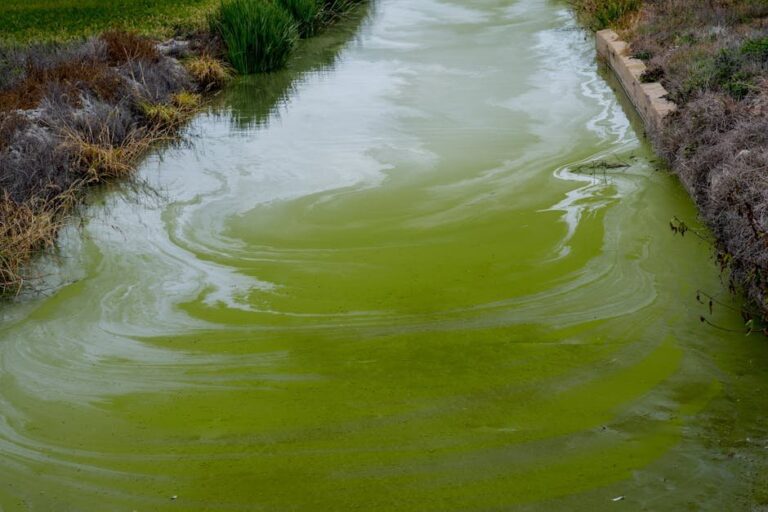
Understanding Algal Growth in Chicken Waterers
Algae growth in chicken waterers is often a result of inadequate water circulation and maintenance, which can lead to an overgrowth of algae. We’ll explore these factors in more detail below.
Factors Contributing to Algae Growth
When it comes to understanding why algae grows in chicken waterers, there are several key factors at play. One of the main contributors is temperature. Algae thrive in warm temperatures, typically between 60°F and 90°F (15°C and 32°C). If your chicken coop or run is exposed to direct sunlight or has poor ventilation, it can quickly become a haven for algae growth.
Another crucial factor is lighting. While chickens need light to see and perform daily activities, excessive lighting can promote algae growth in waterers. Artificial lighting, especially fluorescent or LED lights, can emit heat that encourages algae development. Consider using shaded areas or reducing the duration of artificial lighting to mitigate this effect.
Nutrient availability is also a significant contributor to algae growth. Excess nutrients like nitrogen and phosphorus from chicken droppings, feed, or other sources can fuel algal blooms in waterers. Regular cleaning and maintenance of your chicken’s living area and waterer are essential to prevent nutrient buildup and subsequent algae growth.
Importance of Maintaining Clean Water
Maintaining clean and clear water is crucial for the health and well-being of chickens. When algae blooms occur in chicken waterers, it can be a sign that the water has become stagnant and contaminated with bacteria, viruses, and other microorganisms. These contaminants can cause serious health issues in chickens, including respiratory problems, diarrhea, and even death.
Clean drinking water is essential for chickens to stay hydrated, regulate their body temperature, and maintain proper digestion. When water becomes cloudy or green due to algae growth, it can be challenging for chickens to access the nutrients they need to thrive. In fact, a study by the University of California found that birds who had access to clean drinking water had a 10% increase in egg production compared to those with contaminated water.
To prevent algal growth and maintain clean water, make sure to change the water completely every few days, scrub the waterer regularly, and provide adequate ventilation to reduce stagnation. By prioritizing clean water for your flock, you can help keep them healthy, happy, and productive.
Types of Algae Found in Chicken Waterers
When it comes to identifying and addressing algae issues, recognizing the different types is key. We’ll break down some common species you might find in your chicken waterer.
Identification of Common Algae Species
When it comes to identifying common algae species found in chicken waterers, understanding their characteristics and growth habits is crucial for effective management. One of the most prevalent types is Spirogyra, a green filamentous algae that thrives in moist environments. Its growth habit often resembles a tangled mess, making it challenging to remove.
Another common species is Chlamydomonas, a single-celled algae that can form clumps or mats on the water’s surface. It’s often mistaken for duckweed due to its similar appearance, but can be distinguished by its smaller size and lack of roots.
Oscillatoria is yet another type found in chicken waterers, characterized by its filamentous structure and vibrant green color. This species tends to grow faster than others, causing a rapid buildup that can clog the waterer’s pores and reduce water flow.
Regularly inspecting your chicken waterers for these common algae species will help you stay ahead of potential issues. By being aware of their characteristics and growth habits, you’ll be better equipped to prevent unwanted algal blooms and maintain a healthy environment for your flock.
Impact on Flock Health and Productivity
The presence of algae in chicken waterers can have far-reaching consequences for the health and productivity of your flock. Different types of algae can pose unique challenges, but some common issues include respiratory problems, reduced egg production, and a weakened immune system.
For instance, certain species of blue-green algae (cyanobacteria) produce toxins that can cause respiratory distress in birds, leading to coughing, sneezing, and even death if left untreated. Meanwhile, green or yellowish algae growths on the water surface can lead to decreased egg production as hens become stressed and less motivated to lay eggs.
In severe cases, an overabundance of algae can create a perfect breeding ground for diseases such as histomoniasis (blackhead), which is often spread through contaminated feed and water. To mitigate these risks, ensure your chicken waterers are regularly cleaned and disinfected with a solution of 1 part bleach to 9 parts water.
Also, avoid overcrowding, which can lead to an increased likelihood of disease transmission among birds. By taking proactive steps to control algae growth and maintain clean living conditions, you can help safeguard the health and productivity of your flock.
Causes of Algal Blooms in Chicken Waterers
Let’s explore some common causes of algal blooms in chicken waterers, including factors that contribute to their growth and proliferation in your flock’s drinking water.
Nutrient-Rich Environments
A nutrient-rich environment is one of the primary contributors to algal blooms in chicken waterers. When you provide too many nutrients to your flock through their feed and water, it creates an ideal breeding ground for algae growth. Nutrients such as nitrogen and phosphorus are essential for plant growth, including algae.
When these excess nutrients enter the waterer, they can stimulate rapid algae growth. This is often referred to as eutrophication. To put this into perspective, a typical chicken waterer contains about 1-2 parts per million (ppm) of nitrogen. However, a study found that even at levels as low as 0.5 ppm, algae growth was noticeable.
To prevent nutrient-rich environments from contributing to algal blooms in your chicken waterers, it’s essential to maintain a balanced feeding schedule and monitor the water quality regularly. Limiting feed amounts and adjusting the type of feed you provide can also help reduce excess nutrients entering the waterer. Additionally, consider implementing a water filtration system or changing the water frequently to keep nutrient levels in check.
Poor Maintenance Practices
When it comes to preventing algal growth in chicken waterers, maintenance practices play a significant role. Poor maintenance can create an ideal environment for algae to thrive. One common mistake is infrequent cleaning of the waterer. If the waterer isn’t regularly scrubbed and disinfected, bacteria and other organic matter can accumulate, providing a food source for algae.
Inadequate water changes are another culprit behind algal blooms. Stagnant water allows algae to multiply rapidly, while frequent water changes help maintain optimal water quality. It’s essential to change the water completely every week or two, depending on your flock size and water consumption. This simple habit can make a substantial difference in preventing algae growth.
To put this into perspective, consider a scenario where you only change the water once a month. In that time, bacteria can multiply exponentially, leading to an environment rich in nutrients for algae to grow. By sticking to regular cleaning and water changes, you’ll significantly reduce the likelihood of algal blooms in your chicken waterer.
Effects of Algae on Chicken Health and Performance
Algae in chicken waterers can have serious consequences for your flock’s health, from bacterial contamination to weakened immune systems. We’ll explore these effects in more detail below.
Respiratory Issues and Disease Transmission
Chickens that ingest algae-contaminated water are at risk of developing respiratory issues due to the toxins and bioactive compounds present in the algae. These toxins can cause irritation and inflammation in the lungs, air sacs, and trachea, leading to difficulty breathing, coughing, and labored respiration. In severe cases, this can progress to pneumonia or other secondary infections.
When algae is ingested, it can also lead to disease transmission within a flock. The bioactive compounds present in algae can stimulate the immune system, causing it to overreact and lead to an inflammatory response. This can increase the risk of infection from bacteria, viruses, and parasites that are already present in the flock.
In addition to direct ingestion, chickens may also come into contact with algae while dust bathing or preening. The spores and toxins present on their feathers and beak can be transferred to other birds, increasing the spread of disease within the flock.
To mitigate this risk, it’s essential to monitor waterers regularly for signs of algae growth. Performing regular waterer maintenance, cleaning, and replacing them as needed can help prevent algae buildup.
Impact on Egg Quality and Yolk Color
When algae takes over chicken waterers, it’s not just an aesthetic issue – it can have a direct impact on egg quality and yolk color. Algae growth in the water can lead to an increase in bacteria and other pathogens, which can contaminate the eggs. This contamination can affect the nutritional value of the eggs, making them less safe for consumption.
The presence of algae in chicken waterers has also been linked to a decrease in egg yolks’ intensity and color. Research suggests that high levels of algae growth in waterers can reduce the concentration of carotenoids, which are responsible for yolk pigmentation. This means that eggs from affected flocks may have pale or washed-out yolks, affecting their overall nutritional value.
To mitigate this issue, it’s essential to monitor and maintain your chicken waterers regularly. Check for signs of algae growth at least twice a week, and consider using an algaecide or changing the water frequently to prevent bacterial contamination. By keeping your waterers clean and free of algae, you can ensure that your hens are producing healthy, nutritious eggs with vibrant yolks.
Preventing Algae Growth in Chicken Waterers
To keep your flock hydrated and healthy, it’s essential to prevent algae growth in their waterers. Here are some effective methods for doing so.
Regular Cleaning and Maintenance Schedules
To prevent algal growth in chicken waterers, it’s essential to establish regular cleaning and maintenance schedules. This involves inspecting the waterer daily for signs of algae growth, such as a greenish tint or slimy texture.
Aim to clean the waterer at least once a week, ideally during the warmer months when algal growth is more prevalent. Start by scrubbing away any visible algae with a stiff brush and mild detergent. Then, rinse thoroughly with clean water to remove any soap residue.
For deeper cleaning, mix 1 tablespoon of unscented bleach per gallon of water in the waterer, following the manufacturer’s instructions for dilution ratios. Allow the solution to sit for 10-15 minutes before rinsing thoroughly.
Regular maintenance also involves monitoring water quality and pH levels. Ensure you’re using fresh, clean water in your chicken waterer, changing it frequently to prevent stagnation. By implementing these cleaning and maintenance schedules, you’ll reduce the risk of algal growth and keep your flock healthy.
Alternative Water Sources and Treatment Options
When it comes to preventing algae growth in chicken waterers, exploring alternative water sources and treatment options can be an effective solution. One such option is UV purification systems, which use ultraviolet light to kill bacteria and other microorganisms that contribute to algae growth. These systems are particularly useful for large-scale operations or for farmers who want a low-maintenance solution.
Another option is ozone generators, which produce ozone gas that kills algae and bacteria in the water. Ozone generators can be an excellent choice for smaller farms or backyard chicken keepers, as they are relatively affordable and easy to install.
You can also consider using ceramic filters or activated carbon to remove impurities from the water. These filters work by trapping particles and chemicals that promote algae growth, making it harder for algae to develop in the first place.
When choosing an alternative water source or treatment option, consider factors such as your farm’s size, budget, and maintenance schedule. Be sure to research each option thoroughly and choose one that aligns with your specific needs and goals.
Conclusion: Taking Action Against Algae in Chicken Waterers
Now that we’ve explored the causes and effects of algae in chicken waterers, let’s dive into practical steps you can take to prevent it from coming back.
Summary of Key Findings
After delving into the world of algae in chicken waterers, several key findings have emerged that shed light on this common issue. The causes of algal growth in these water containers are multifaceted, including factors such as temperature, pH levels, and water quality. It’s essential to note that even small fluctuations in these variables can contribute to an algal bloom.
The effects of algae on chicken health cannot be overstated. Algae toxins can lead to respiratory problems, reduced egg production, and even the death of your flock. Moreover, excessive algae growth can clog waterers, creating a hazardous situation for your birds.
Prevention is key in tackling this issue. To mitigate algal growth, it’s crucial to maintain proper water quality through regular cleaning, monitoring pH levels, and using aerators or UV filters. Implementing these solutions will not only prevent algae but also promote overall health and well-being of your chickens. Regular maintenance and awareness of the contributing factors can significantly reduce the occurrence of algae in chicken waterers.
Recommendations for Flock Owners and Managers
As you’ve reached the end of this comprehensive guide to algae in chicken waterers, it’s time to take action. As a flock owner or manager, implementing these recommendations will help you prevent and manage algae growth effectively.
Firstly, make regular monitoring of your chicken waterers a habit. Check for any signs of algae growth daily, and clean the waterers immediately if you notice even slight changes in water clarity. This proactive approach will save you from dealing with more severe infestations down the line.
Next, maintain optimal water circulation by ensuring that your watering systems are functioning correctly. Regularly inspect and clean your water pumps, pipes, and other equipment to prevent blockages and contamination.
In addition, incorporate a combination of natural and chemical methods for controlling algae growth. For example, you can add alum (aluminum sulfate) or copper-based products to the waterer to inhibit algal growth. Alternatively, use UV light systems specifically designed for poultry watering systems.
Lastly, don’t forget to maintain good hygiene practices around your chicken coop and waterers. Regularly clean and disinfect all surfaces, including feeders, droppings, and nesting boxes, to prevent any potential health risks.
Frequently Asked Questions
What are some common signs that algae is present in my chicken waterer?
Signs of algae growth include green or brownish tint to the water, slimy texture on the surface, and a foul odor. Regularly inspect your waterers for these warning signs and perform routine cleaning and maintenance.
How often should I clean and disinfect my chicken waterer to prevent algae growth?
Cleaning frequency depends on the size of your flock and environmental factors. As a general rule, aim to clean and disinfect your waterers at least once a week, or more frequently in hot or humid climates. Make sure to scrub away any visible algae growth.
Can I use bleach to kill algae in my chicken waterer, or are there safer alternatives?
While bleach can be effective against algae, it’s not the safest option for your flock. Consider using vinegar-based cleaners or specifically designed poultry-safe disinfectants instead. Always rinse thoroughly after cleaning to prevent chemical residues.
What happens if I don’t address algae growth in my chicken waterer – will my flock get sick?
Yes, if left unchecked, algae can lead to serious health issues for your chickens, including respiratory problems and increased risk of disease transmission. Addressing algae growth promptly is crucial for maintaining a healthy and thriving flock.
How do I prevent algae growth in my chicken waterer going forward, aside from regular cleaning and maintenance?
In addition to regular cleaning, consider implementing practices like changing the water frequently, using aeration systems or circulating pumps to improve water flow, and providing adequate shade and ventilation to reduce temperature stress.