
Are you ready to dive into the wonderful world of ducklings? These adorable creatures may seem like simple animals, but they have some fascinating features that set them apart. From their physical characteristics to their social behavior, diet, and health needs, there’s a lot to learn about raising healthy ducklings. But did you know that ducklings also face conservation challenges? It’s essential for any duck owner or enthusiast to understand these issues and take steps to help protect these amazing birds. In this article, we’ll cover everything from the unique characteristics of ducklings to their social needs and health requirements, as well as discuss the importance of conserving our feathered friends.
Physical Characteristics and Development
Let’s dive into what makes ducklings so adorable, starting with their physical characteristics at birth and how they develop their unique feathers and features over time.
Unique Features of Duckling Down
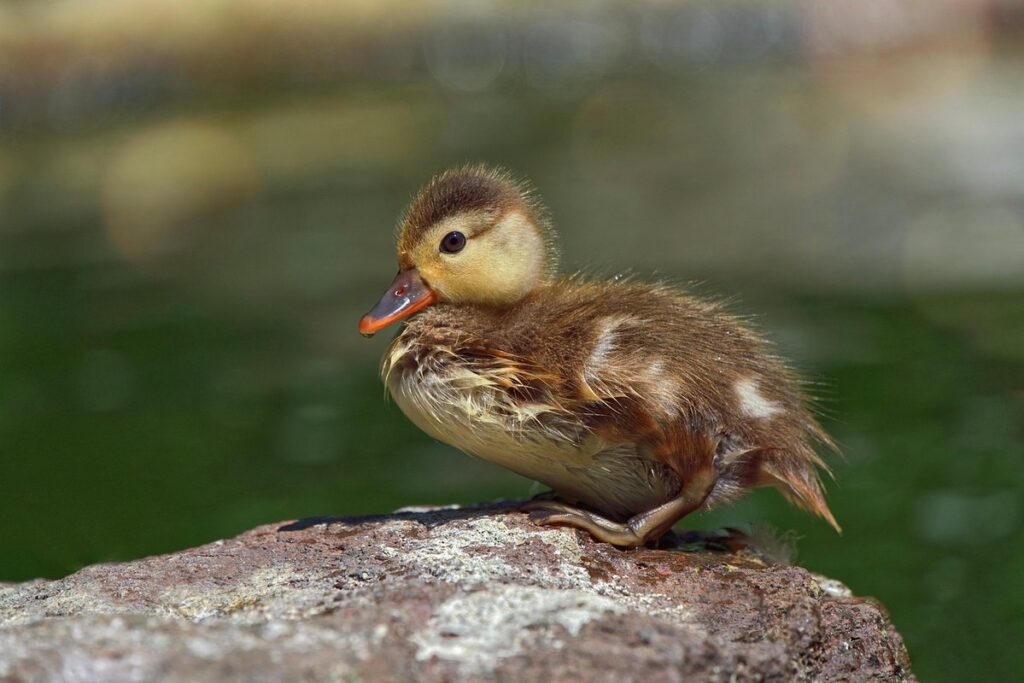
Duckling down is one of the most fascinating features of these adorable creatures. At birth, ducklings are covered in a soft, fluffy down that provides excellent insulation against cold temperatures. This down is made up of tiny, branching feathers that trap warm air next to the skin, keeping the duckling cozy and comfortable.
As the duckling grows, it begins to develop more compact feathers, often referred to as “filoplumes.” These feathers are shorter and more dense than the fluffy down, offering additional protection against wind, rain, and other environmental elements. Filoplumes also help to reduce heat loss, keeping the duckling’s body temperature stable.
One of the most remarkable things about duckling down is its unique structure. The soft, fluffy feathers have tiny barbs that zip together, creating a tight, water-repellent layer. This helps to keep the duckling dry and warm, even in wet or rainy conditions. As you watch your own ducklings grow and develop their downy coats, be sure to provide them with a safe, dry environment to explore – it’s essential for their growth and development!
Adaptations for Aquatic Life
As you watch ducklings waddle into the water for the first time, it’s clear that their physical features are perfectly suited for life beneath the surface. One of the most notable adaptations is their webbed feet, which act like paddles to propel them through the water with ease. This unique feature allows them to swim efficiently and maneuver in tight spaces, making them agile and adept at navigating aquatic environments.
Their streamlined bodies also play a crucial role in their aquatic abilities. The compact shape and smooth feathers enable them to cut through the water with minimal resistance, reducing drag and allowing them to conserve energy while swimming. Additionally, strong tails serve as a rudder, helping ducklings steer and maintain balance in the water.
These adaptations are essential for ducklings to survive and thrive in their aquatic environment, and it’s fascinating to observe how they utilize these features to navigate and explore their surroundings with such ease.
Emergence from Eggs
When ducklings emerge from eggs, it’s a remarkable process that requires precision timing and nurturing care. Typically, duckling hatch within 28-30 days of incubation, depending on the breed and environmental factors. As the egg begins to pip, or crack open, a tiny beak emerges, followed by the head, then the body.
During this critical period, parental care is essential for the newly hatched ducklings. Female ducks will gently nudge their eggs to help the chick break free, while male ducks will keep a watchful eye on potential predators. Once out of the egg, ducklings are blind and helpless but begin to develop rapidly. Within the first 24 hours, they’ll absorb their yolk sac, which provides them with essential nutrients.
In the initial stages outside the egg, ducklings rely heavily on their parents for warmth, hydration, and protection. It’s crucial to provide a safe and stable environment for these vulnerable birds, ensuring their survival and healthy growth.
Behavior and Socialization
Ducklings learn essential behaviors from their mother, such as foraging and swimming, which are crucial to their survival. We’ll dive into how ducklings develop these social skills.
Parent-Offspring Bonding
One of the most adorable aspects of duckling behavior is the strong bond between parents and their offspring. From the moment they hatch, ducklings are completely dependent on their mothers for warmth, food, and protection. Female ducks are devoted caregivers, often producing a hormone that allows her to recognize and brood over her eggs as well as her newly hatched ducklings.
In fact, research has shown that mother ducklings will often sacrifice themselves to protect their young from predators. For instance, in one study, nearly 90% of female wood ducks lost their lives when protecting their nests from raccoons. This ultimate level of dedication highlights the critical role parental care plays in ensuring the survival and well-being of ducklings.
By observing how mother ducks care for their ducklings, we can learn valuable lessons about nurturing and protection. For instance, a key aspect of successful parenting is providing adequate nutrition, including essential nutrients like protein and vitamins. By offering a balanced diet, parents help ensure that their young have the best possible start in life.
Social Structure Among Ducklings
When duckling season arrives, it’s not just about watching them grow and develop physically – their social behavior is equally fascinating. As soon as they hatch, ducklings begin to form groups, usually within the first few hours after birth. This process is crucial for their survival, as it helps them find food, stay warm, and avoid predators.
Within these groups, a clear social hierarchy emerges. Dominant birds lead the group, while submissive ones follow closely behind. You can observe this hierarchy in action by watching how ducklings interact with each other – dominant birds will often be at the center of the group, pecking order guiding their behavior.
Interestingly, researchers have found that even when ducklings are separated from their mothers and placed into artificial groups, they still manage to establish a hierarchical structure. This suggests that social learning plays a significant role in shaping their behavior.
Communication Methods
Ducklings communicate with each other and their mothers through various methods. One of the most recognizable forms of communication is vocalization, where ducklings quack to convey needs, wants, and emotions. For instance, when they’re hungry or want attention, they’ll let out a high-pitched quack. In contrast, a softer quack might indicate contentment.
Visual displays are another crucial means of communication for ducklings. They use body language and postures to express themselves. A duckling that’s feeling threatened or scared will often spread its wings and puff out its feathers, while one that’s relaxed will have its feathers smooth and its beak pointing downwards.
Chemical signals also play a vital role in duckling communication. Mother ducks use urine scent marking to convey information about food sources, predators, and potential threats. Ducklings can detect these scents through their highly developed olfactory system, allowing them to learn from their mother’s experiences and adapt accordingly.
By recognizing and understanding the different forms of communication used by ducklings, you can better appreciate their behavior and socialization patterns.
Diet and Nutrition
To keep your little ducklings healthy and thriving, it’s essential to provide them with a balanced diet that meets their unique nutritional needs. A well-planned feeding schedule can make all the difference!
Early Dietary Requirements
Duckling growth and development rely heavily on their diet. As a duck mother’s milk provides essential nutrients for the first few weeks of life, it’s crucial to ensure that ducklings receive the necessary building blocks for optimal health. Protein is vital for muscle growth and repair, with ducklings requiring around 18-20% protein in their diet.
Carbohydrates provide energy for physical activity, while fats are essential for maintaining healthy feathers and insulating their bodies against cold temperatures. Vitamin A helps regulate growth and immune function, while vitamin D aids in calcium absorption and bone development. Minerals such as calcium, phosphorus, and iron support skeletal growth and overall health.
To ensure your ducklings receive the necessary nutrients, consider supplementing their diet with high-quality commercial pellets or mash specifically formulated for waterfowl. You can also offer fresh vegetables like leafy greens, fruits, and grains in moderation to provide variety and essential vitamins and minerals. Remember to always introduce new foods gradually to prevent digestive upset.
Foraging and Feeding Habits
When ducklings are about three weeks old, they begin to transition from relying on their mother’s milk to foraging for food on their own. This process is a crucial milestone in their development, and it’s fascinating to see how they learn to navigate the world of feeding.
Ducklings have a unique way of learning to feed, which involves observing their parents and imitating their behavior. They start by pecking at small insects and plants, gradually increasing the variety and quantity of food they consume. It’s not uncommon for duckling parents to lead their brood to areas with abundant food sources, teaching them which plants are safe to eat.
One interesting adaptation of ducklings is their ability to digest a wide range of foods, including aquatic plants, insects, and even small invertebrates like snails and worms. In contrast to adult ducks, who tend to stick to a more limited diet of aquatic vegetation and grains, ducklings seem to be more opportunistic eaters.
As you care for your own duckling brood, remember that providing a varied and nutritious diet is essential for their growth and development. Consider offering a mix of commercial duck feed, fresh vegetables, and fruits, as well as insects and other small invertebrates to mimic their natural diet.
Health and Threats
When it comes to ducklings, health issues can be a real concern for their survival. We’ll explore some of the threats they face and how you can help prevent them from occurring.
Common Ailments and Diseases
Ducklings can be prone to various health issues that may seem daunting at first, but with proper care and knowledge, you can minimize their risk. One of the most common ailments is respiratory infections, which can be caused by bacteria or viruses. Keep an eye out for labored breathing, wheezing, or coughing in your ducklings.
Parasites such as mites, lice, and fleas can also affect ducklings, causing discomfort and stress. Regular cleaning of their enclosures and monitoring for signs like excessive feather loss or scratching are essential to prevent infestations. Physical injuries from predators, accidents, or rough handling can be another concern. Make sure your ducklings have a safe space with adequate ventilation and protection from potential threats.
To mitigate these risks, keep a close eye on your ducklings’ behavior and overall health. Consult a veterinarian experienced in caring for waterfowl if you notice any unusual signs. By being proactive and well-informed, you can help ensure the health and well-being of your adorable ducklings.
Environmental Factors and Stressors
Duckling well-being is heavily influenced by their environment. Extreme temperatures can be particularly problematic, as ducklings are sensitive to heat and cold stress. For instance, prolonged exposure to high temperatures can cause dehydration and overheating, while sudden drops in temperature can lead to hypothermia.
Predator threats are another significant concern for ducklings. Birds of prey, such as hawks and owls, as well as mammals like foxes and coyotes, pose a constant threat to their safety. To mitigate this risk, it’s essential to provide ducklings with a secure enclosure that’s protected from predators.
Human disturbance is also a critical stressor for ducklings. Loud noises, sudden movements, and direct interaction can cause them significant anxiety and even physical harm. By minimizing human contact during vulnerable periods, such as brooding, you can help reduce stress levels in your ducklings. Ultimately, the quality of their habitat plays a crucial role in determining their overall well-being.
Breeding and Reproduction
So, you’re curious about how ducklings come into the world? Let’s dive into the fascinating process of breeding and reproduction that makes it all possible.
Courtship Rituals and Pair Bonding
As ducklings grow into adult ducks, they begin to exhibit unique courtship behaviors that help establish pair bonds. One of the most fascinating displays is the male’s elaborate mating dance, which involves strutting, bowing, and quacking to impress potential mates. This ritual not only showcases his strength and vitality but also helps him assert dominance over other males.
During this display, the male duck will often raise his tail feathers and vibrate them rapidly, creating a distinctive sound that resonates with females. Females, on the other hand, respond by quacking softly and flapping their wings, signaling their interest in potential partners. As they interact, ducks may engage in mutual preening, where they gently clean and smooth each other’s feathers.
Establishing pair bonds is crucial for duck reproduction, as it ensures that mates are compatible and can work together to raise their young. By observing these courtship behaviors, you can gain a deeper understanding of the complex social dynamics at play within duck colonies.
Nesting and Egg-Laying
When it comes to nesting and egg-laying, ducks are quite fascinating creatures. Female ducks typically choose a safe and secluded spot to lay their eggs, often near water sources like ponds, lakes, or marshes. This location provides them with easy access for swimming and foraging while also protecting the nest from potential predators.
Ducks usually breed multiple times during the spring and summer months, with some species laying up to 12-14 eggs per clutch. After the female has laid her eggs, both parents take turns incubating them. The male duck will often balance a clutch of eggs on his feet while keeping them warm by tucking his brood under his wings.
It’s essential for duck breeders or enthusiasts to provide a safe and stable environment for their ducks to nest and lay eggs. A quiet spot with adequate shelter, such as a nesting box or a covered area, can greatly reduce stress levels and encourage healthy breeding habits. By understanding the nesting behavior of ducks, you’ll be better equipped to support these wonderful birds in your care.
Keep in mind that the frequency of breeding depends on various factors like climate, food availability, and species-specific traits. With proper attention to their needs, ducks will thrive and provide a delightful experience for both seasoned breeders and beginners alike.
Conservation Status and Management
Ducklings are vulnerable to various threats, so it’s essential for us to understand their conservation status and how management efforts are working to protect them. Let’s dive into the details of their conservation journey.
Threats Facing Duck Populations
Duck populations worldwide are facing numerous threats that can have devastating effects on their numbers. One of the most significant threats is habitat destruction, where natural habitats such as wetlands and grasslands are being converted into agricultural lands, urban areas, or industrial sites. This not only reduces the available space for ducks to live but also affects their food sources and breeding grounds.
Hunting is another major threat to duck populations. Some species of ducks are hunted for their meat, feathers, and eggs, while others are targeted by poachers who sell their parts on the black market. For instance, the Siberian crane, a critically endangered species, is hunted for its meat and feathers in some parts of Asia.
Pollution also poses a significant threat to duck populations. Chemical pollutants such as pesticides and heavy metals can accumulate in the food chain, affecting ducks and other wildlife that consume contaminated plants or water. Climate change is another major concern, as it alters ecosystems, disrupts food chains, and increases the frequency and severity of natural disasters.
Ducks are also vulnerable to pollution caused by human activities such as oil spills, mining, and industrial waste disposal. For example, in 2010, a massive oil spill in the Gulf of Mexico affected numerous waterfowl species, including ducks. To mitigate these threats, it is essential for individuals to adopt sustainable practices, reduce their carbon footprint, and support conservation efforts that protect duck habitats and populations.
Efforts for Sustainable Management
To ensure the long-term survival of duck populations, various efforts are underway for their sustainable management. The establishment of protected areas is a crucial initiative in this regard. National parks and wildlife sanctuaries provide a safe habitat for ducks, allowing them to thrive without human disturbance.
Community-led conservation programs also play a vital role in managing duck populations sustainably. In some regions, local communities are involved in monitoring water quality, controlling invasive species, and educating visitors about responsible wildlife viewing practices. This collaborative approach not only benefits the environment but also promotes economic growth through ecotourism initiatives.
Reintroduction programs are another important aspect of sustainable management. When a duck population becomes endangered due to habitat loss or other factors, conservationists may introduce captive-bred individuals into their native habitats. For instance, in Australia, the Australian Wildlife Conservancy has successfully reintroduced wood ducks into areas where they had become extinct.
Conservation efforts can also be incorporated into daily life through small actions, such as reducing plastic usage and supporting sustainable agriculture practices that minimize pesticide and herbicide use. These simple steps contribute to maintaining healthy ecosystems for duck populations.
Frequently Asked Questions
What are the essential steps to introduce ducklings to a new pond or water environment?
When introducing ducklings to a new water environment, it’s crucial to ensure their safety and health. Begin by acclimating them to the new surroundings gradually, allowing them to explore and get accustomed to the water temperature, depth, and flow. Monitor their behavior closely for signs of stress or discomfort, and provide a separate area for them to swim and exercise if necessary.
How can I identify potential health issues in my ducklings?
Regular observation is key to identifying potential health issues in your ducklings. Look out for changes in appetite, droppings, or lethargy, which can indicate internal parasites, bacterial infections, or other diseases. Consult with a veterinarian experienced in waterfowl care if you notice any unusual behavior or symptoms.
Can I keep different breeds of ducklings together?
While some duck breeds are compatible and social with each other, introducing different breeds to the same flock can be challenging. Research the specific temperament and requirements of each breed before mixing them, as some may have conflicting needs or aggression issues. Always prioritize the safety and well-being of your feathered friends.
What are some natural ways to prevent duckling diseases?
Maintaining a clean environment is crucial in preventing duckling diseases. Ensure proper waste management, regular cleaning of feeders and water containers, and provide a balanced diet that includes essential nutrients. Consider incorporating natural remedies like probiotics or vitamin supplements to boost their immune system.
How long do I need to separate my ducklings from adult ducks?
Separating your ducklings from adult ducks for at least 4-6 weeks allows them to develop properly without the stress of competition and aggression from older birds. During this period, focus on providing a safe and nutritious environment that meets their specific needs, and reintroduce them gradually under close supervision.