
Are you considering adding some unique charm to your backyard flock with Amberlink chickens? Or perhaps you’re already raising these lovable birds but want to learn more about their special characteristics? Either way, we’ve got you covered. In this comprehensive guide, we’ll dive into the world of Amberlink chickens, exploring what makes them tick – from their temperaments and egg-laying prowess to breeding and care requirements. Whether you’re an experienced poultry enthusiast or just starting out, our expert advice will help you keep your Amberlinks happy and healthy. We’ll cover everything from feeding and housing to health checks and tips for getting the most out of these wonderful birds. By the end of this article, you’ll be a confident Amberlink owner with all the knowledge needed to give your feathered friends the best possible life.
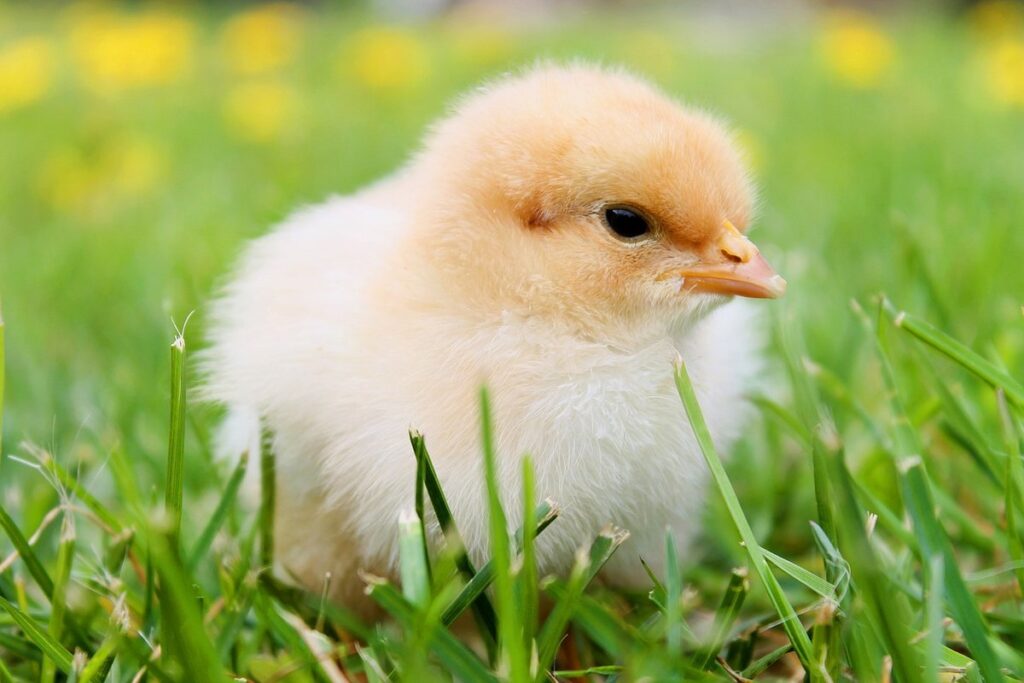
Introduction to Amberlink Chickens
Welcome to our comprehensive guide, where we’ll start by introducing you to the amazing world of Amberlink chickens and their unique characteristics. Let’s get started!
Brief History and Origin of the Breed
The Amberlink chicken breed has its roots in Australia, where it was developed in the 1970s and 1980s. The breed is a cross between two popular chicken breeds: the Australorp and the Rhode Island Red. This combination of genetics resulted in a hardy, dual-purpose bird that excelled at both egg-laying and meat production.
Initially, the Amberlink chicken was bred for its exceptional fertility and ability to thrive in a variety of climates. However, over time, breeders began to notice its impressive egg-laying capabilities, with some birds producing up to 300 large brown eggs per year. This trait, combined with its friendly, docile nature, has made the Amberlink a popular choice among backyard farmers and enthusiasts.
In recent years, the Amberlink chicken has gained popularity worldwide for its adaptability and ease of management. Whether you’re a seasoned farmer or just starting out, this breed is an excellent addition to any flock. With proper care and attention, Amberlinks can live up to 10 years or more, providing years of reliable egg production and entertainment.
Unique Characteristics of the Amberlink Chicken
The Amberlink chicken is renowned for its exceptional characteristics that set it apart from other breeds. One of the most notable features is its stunning plumage. With a mix of golden-brown feathers and white markings, the Amberlink’s appearance is both visually striking and easy to identify.
In terms of temperament, the Amberlink is generally considered friendly and docile, making them an excellent choice for families with children or those who are new to backyard chicken-keeping. They are known to be relatively quiet, which can be a welcome relief for neighbors living in close proximity.
When it comes to egg-laying abilities, the Amberlink does not disappoint. Hens are prolific layers, producing large brown eggs that are rich in nutrients and perfect for baking, cooking, or simply enjoying as is. What’s more, they tend to maintain their high egg production throughout their lifespan, providing a consistent supply of fresh eggs for your family.
By choosing an Amberlink chicken, you can expect exceptional performance across the board – from its attractive appearance to its friendly demeanor and impressive egg-laying abilities.
Physical Characteristics and Health
Amberlink chickens have some distinct physical features that set them apart from other breeds, including their body size and feathering. Let’s take a closer look at these characteristics and how they impact their overall health.
Body Type and Size
The Amberlink chicken is known for its exceptional physical attributes, which make it an attractive and desirable breed for backyard farmers. When it comes to size, the Amberlink chicken is considered a medium-sized bird, weighing between 4-5 kg (8.8-11 lbs). This weight range makes them suitable for smaller farms or homesteads where space is limited.
In terms of body shape, the Amberlink has a sturdy and compact build with a deep breast and well-developed legs. Their feathers are soft and smooth to the touch, coming in a variety of colors including gold, amber, and silver. The males are larger than females, with the males weighing around 5 kg (11 lbs) on average.
When selecting an Amberlink chicken for your flock, consider its purpose. If you’re looking for a breed primarily for egg-laying, then size may not be as crucial. However, if you plan to raise them for meat or want a bird that can withstand harsh weather conditions, the Amberlink’s sturdy build and medium weight make it an excellent choice.
The compact size of the Amberlink also means they require less feed and space to roam, making them ideal for small-scale farmers or homesteads with limited resources.
Feathers and Plumage
One of the most striking features of the Amberlink breed is its stunning feather pattern and coloration. As their name suggests, Amberlinks are known for their iridescent sheen, which gives them a unique and eye-catching appearance. But what exactly makes their feathers so special?
The Amberlink’s plumage is characterized by a beautiful blend of white, black, and golden colors, with intricate patterns that seem to shift and change as the light catches them. This iridescence is due in part to the structure of the feathers themselves, which contain tiny plate-like cells called melanosomes that refract light and create this dazzling effect.
To maximize your Amberlink’s natural beauty, it’s essential to provide a healthy and stimulating environment. Make sure they have access to plenty of fresh air, exercise, and nutritious food to help bring out their vibrant colors. Regular grooming will also help to keep their feathers in top condition and prevent matting or tangling.
In terms of specific care tips, be aware that Amberlinks can be prone to feather pecking if they’re bored or stressed, so make sure to provide plenty of toys and activities to keep them entertained.
Temperament and Behavior
When it comes to their temperament, Amberlink chickens are known for being friendly, docile, and relatively low-maintenance, making them a great choice for backyard flocks. They’re also quite active, so be prepared for some lively behavior!
Friendly and Docile Nature
One of the most endearing qualities of Amberlink chickens is their exceptionally friendly and docile nature. They are an excellent choice for families with children who want to introduce young ones to the joys of chicken keeping, as well as first-time keepers who may be new to raising birds. Amberlinks have a calm demeanor, which makes them easy to handle and interact with. In fact, many owners report that their chickens will often follow them around the yard or come when called.
Their gentle nature is also beneficial for backyard flocks where other breeds might get aggressive or territorial. When introducing an Amberlink to your existing flock, it’s likely they’ll be welcomed with open wings – literally! With proper socialization and handling from a young age, Amberlinks can become incredibly tame and even enjoy being picked up and cuddled. Their friendly disposition makes them perfect for small-scale egg production, as they’re less likely to stress or fight when handled regularly.
Foraging and Exploration Habits
Amberlink chickens are known for their strong instinct to forage and explore their surroundings. This natural behavior can be a valuable asset for farmers who want to create enriching environments for their flock. When given the opportunity, Amberlinks will eagerly scratch, peck, and dig in search of food and hidden treasures.
In fact, studies have shown that chickens with access to foraging areas exhibit reduced stress levels, improved feather quality, and increased egg production. By incorporating foraging activities into your chicken’s daily routine, you can help stimulate their minds and encourage physical activity.
To create a foraging environment for your Amberlinks, consider setting up a designated “scavenger hunt” area with hidden treats or adding foraging toys filled with treats to their run. You can also try planting herb gardens or flower borders that will provide them with fresh greens to peck at. By tapping into their natural instincts, you’ll be giving your Amberlinks the mental and physical stimulation they need to thrive.
Egg Production and Quality
Let’s dive into the world of egg production, where Amberlink hens truly shine, laying an impressive number of eggs per year under optimal conditions.
High-Egg Production Capacity
The Amberlink breed is renowned for its exceptional egg-laying abilities, making it an attractive choice for commercial poultry farmers and backyard enthusiasts alike. On average, a healthy Amberlink hen will lay around 300-320 large brown eggs per year, which translates to approximately 6-7 eggs per week. This impressive production rate is achieved through a combination of genetic selection and optimal management practices.
To put this into perspective, consider that the average egg-laying capacity for most commercial breeds falls in the range of 280-290 eggs per year. The Amberlink breed’s higher production rate is largely due to its robust physiology and efficient nutrient utilization, allowing it to allocate more energy towards egg development.
Farmers who have successfully integrated Amberlinks into their flocks often report a significant increase in overall productivity, with some even achieving as high as 350-360 eggs per year. To maximize the egg-laying potential of your Amberlink flock, ensure they receive a balanced diet rich in essential nutrients and maintain optimal living conditions, including adequate space and ventilation.
Egg Size and Shell Quality
Amberlink eggs are renowned for their exceptional quality and distinctive characteristics. When it comes to size, Amberlink hens tend to lay medium to large eggs, weighing around 55-60 grams on average. This makes them an ideal choice for households seeking a consistent supply of substantial-sized eggs.
The eggshell color of Amberlinks is typically light brown or olive green, with some individuals exhibiting more intense hues. The shell quality itself is where these birds truly shine, boasting a sturdy and durable exterior that resists breakage remarkably well. This can be attributed to the breed’s robust constitution and efficient laying process.
One key aspect to consider when evaluating eggshell quality is its porosity. Amberlink eggs exhibit an optimal balance between permeability and strength, allowing for healthy air exchange while minimizing moisture loss. As a result, these eggs remain fresh for longer periods, making them a reliable choice for home cooks and bakers alike.
Care and Management Tips for Amberlink Chickens
To keep your Amberlinks happy and healthy, it’s essential to provide them with proper care and management from day one, right through to maturity. Here are our top tips on how to do just that.
Nutrition and Diet Requirements
When it comes to feeding your Amberlinks, providing a balanced diet that meets their nutritional needs is crucial for their health and well-being. These birds are native to Australia and have specific requirements due to their unique genetic makeup.
To ensure you’re meeting their dietary needs, it’s essential to focus on providing a mix of high-quality proteins, complex carbohydrates, and essential vitamins and minerals. A layer feed formulated specifically for free-range or backyard chickens is an excellent starting point. However, supplementing with fresh fruits and vegetables can provide a welcome boost of nutrients.
Some key foods to include in your Amberlink’s diet are leafy greens like kale and spinach, which are rich in iron and calcium. Fresh veggies like carrots, sweet potatoes, and squash also make great additions. Avoid overfeeding grains as they can lead to obesity and other health issues.
Consider offering a variety of treats to keep your birds stimulated and engaged. Examples include mealworms, sunflower seeds, and fresh herbs like parsley and mint.
Housing and Coop Requirements
When it comes to providing a suitable environment for your Amberlink chickens, their housing and coop requirements are crucial. First and foremost, ensure that the coop is well-ventilated to prevent ammonia buildup from their droppings. A minimum of 2-3 square feet per bird is recommended for adequate space inside the coop.
The nesting boxes should be provided with soft bedding material such as straw or wood shavings, and be positioned at a comfortable height for the hens to access easily. There should also be a sufficient number of roosting bars for the birds to perch on at night. You can arrange the roosts in tiers or provide a single long bar.
It’s essential to maintain the coop’s cleanliness by removing soiled bedding regularly and disinfecting surfaces with a solution of 1 part white vinegar to 9 parts water. Furthermore, ensure that the coop is predator-proofed by sealing any holes or gaps around doors and windows using hardware cloth or metal mesh.
In terms of outdoor space, Amberlink chickens require about 8-10 square feet per bird in their run area for exercise and foraging.
Breeding and Raising Amberlink Chicks
To successfully breed and raise healthy, thriving Amberlink chicks, you’ll need to understand their specific needs for optimal development. This section covers essential tips on breeding and chick rearing.
Selecting Parent Stock and Breeding Goals
Selecting high-quality parent stock is crucial for maintaining consistency and quality in Amberlink chickens. When choosing parent stock, breeders should look for birds that exhibit excellent temperament, fertility, and egg-laying ability. A good starting point is to evaluate the chicken’s overall health, feather condition, and leg soundness.
In terms of breeding goals, it’s essential to set specific objectives for your flock. Are you looking for improved feed conversion rates or enhanced egg production? Perhaps you want to develop a more robust strain that can thrive in diverse environments. Identifying your priorities will help guide the selection process and ensure that your parent stock aligns with your vision.
When selecting parent stock, consider sourcing birds from reputable breeders who have a proven track record of producing high-quality chickens. Inspect their facilities, observe the breeding program, and evaluate the overall health and well-being of the flock. By doing so, you can increase confidence in your selection and reduce the risk of introducing unwanted traits into your breeding program.
Raising and Caring for Baby Chicks
Raising baby chicks requires attention to their nutritional needs from hatch to maturity. Provide a starter feed specifically formulated for young chicks, which is typically 18-20% protein. Ensure access to fresh water at all times and maintain a clean living environment. Keep the brooder area draft-free and provide adequate ventilation.
Regular health checks are crucial during this period. Monitor their behavior, appetite, and stool quality daily. Be aware of common issues such as pasty butt or respiratory problems. Administer vaccinations according to your veterinarian’s advice if necessary.
Socialization is also vital for healthy development. Allow the chicks to move around freely in a safe area after they’ve dried off from hatching. Introduce them to new sights, sounds, and environments gradually. This helps prevent stress-related issues later on. For example, letting them explore a fenced-in area or introducing a companion bird can be beneficial.
By following these guidelines, you’ll set your baby chicks up for success as they grow into healthy, thriving adult Amberlinks.
Frequently Asked Questions
What are the ideal living conditions for Amberlink chickens to thrive?
A well-ventilated coop with adequate space is crucial for Amberlinks, providing at least 3-4 square feet per bird inside and 8-10 square feet outside. Ensure access to fresh water, a balanced diet, and regular health checks. Consider factors like climate, predators, and local regulations when building or choosing a coop.
Can I breed Amberlink chickens with other breeds for cross-breeding purposes?
While possible, breeding Amberlinks with other breeds can be challenging due to their unique genetic makeup. It’s essential to research and understand the potential consequences on egg production, temperament, and overall health before attempting cross-breeding. Start by selecting suitable parent stock and setting clear breeding goals.
How do I manage my Amberlink flock’s foraging habits in an urban or small backyard setting?
To satisfy your Amberlinks’ foraging instincts, provide a variety of enrichment activities like scratching posts, dust baths, and hiding places. You can also supplement their diet with commercial feed that mimics natural grazing patterns. Consider rotating pasture access or using indoor-outdoor runs to simulate outdoor experiences.
Are there any specific health issues I should watch out for in my Amberlink flock?
Regular monitoring is key. Keep an eye out for signs of illness, such as lethargy, loss of appetite, or changes in egg production. Consult a veterinarian experienced with backyard flocks to ensure prompt diagnosis and treatment of potential health issues.
Can I raise Amberlink chicks on a limited budget? What are some cost-effective options?
Raising healthy chicks requires an initial investment in feed, vaccinations, and proper care. Consider purchasing day-old chicks from reputable breeders or hatcheries to save costs compared to buying pullets (young hens). You can also explore DIY coop designs or repurpose materials for a more affordable setup.