
If you’re looking for a chicken breed that’s as unique as it is charming, you should definitely consider getting to know the Ameeraucana hen. With its striking appearance and fascinating characteristics, this bird is sure to catch your eye – especially when it lays those beautiful blue eggs! But beyond its good looks, what makes the Ameeraucana such a popular choice among backyard chicken keepers? In this article, we’ll delve into the world of Ameeraucanas, covering everything from their gentle nature and low-maintenance requirements to expert care tips and breed management advice. Whether you’re an experienced poultry owner or just starting out, we’ve got you covered with all the information you need to bring home your very own Ameeraucana hen and enjoy its many rewards.
Characteristics and Origins
The Ameraucana hen has a rich history that dates back to its origins, and understanding its characteristics is key to appreciating its unique qualities as a breed. Let’s dive into what makes this bird so special.
Physical Appearance and Egg-Laying Abilities
The Ameeraucana hen’s physical appearance is truly one-of-a-kind. One of its most striking features is its ability to lay blue eggs, a characteristic that’s rare among chicken breeds. This unique trait makes them a favorite among backyard chicken keepers and egg enthusiasts. But what exactly sets their eggs apart from those laid by other hens?
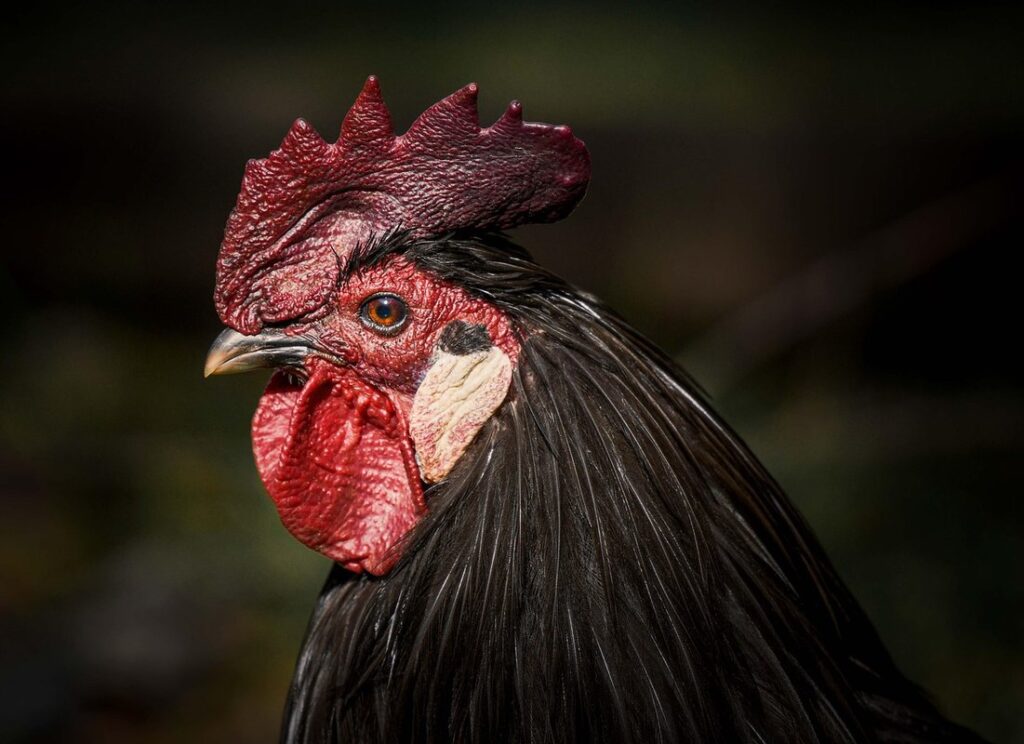
The Ameeraucana hen’s snowy white plumage is another distinctive feature of this breed. Their feathers are often described as having a silvery or grey undertone, which gives them a beautiful, elegant appearance. As for their egg-laying abilities, the Ameeraucana hen is renowned for its exceptional productivity. On average, these hens will lay around 200-220 eggs per year, with some individuals producing even more. To encourage optimal egg production, it’s essential to provide your Ameeraucana hens with a balanced diet rich in protein and calcium. This will help support their overall health and well-being, ensuring they stay productive for years to come.
History and Development of the Breed
The Ameeraucana hen’s origins date back to South America, where it was bred from native birds such as the Araucana and Ameraucana. The Araucana is a Chilean breed known for its blue eggs-laying ability, while the Ameraucana hails from Peru and boasts a unique genetic makeup that allows it to lay blue or green eggs.
In the 1970s and 80s, American poultry enthusiasts began importing these birds with the intention of creating a hardy, egg-laying breed. By crossing the Araucana and Ameraucana with other local breeds, they were able to create a robust bird that excelled in egg production while retaining its unique genetic traits.
This careful breeding process allowed for the Ameeraucana’s genetic makeup to be refined, resulting in a bird that is capable of laying an average of 200 blue or green eggs per year. Its ancestors’ hardiness and adaptability have made it an attractive choice for small-scale farmers and backyard chicken enthusiasts alike.
The Ameeraucana’s unique heritage has granted it a distinct advantage when it comes to egg-laying abilities, but its true value lies in its robust constitution and ability to thrive in challenging environments.
Health Considerations and Care Requirements
When it comes to caring for your Ameraucana hen, understanding her health needs is crucial. This section will walk you through potential health issues and what care requirements are essential to keeping her happy and healthy.
Common Health Issues and Prevention
As you care for your Ameeraucana hen, it’s essential to be aware of potential health issues that may arise. One common problem is mites, tiny parasites that feed on the hen’s blood and can cause discomfort, stress, and even disease transmission. Regularly inspecting your hen’s plumage and underwing areas can help detect mite infestations early on. Use a fine-tooth comb or a magnifying glass to spot these pesky critters.
Respiratory problems are another concern for Ameeraucana hens, particularly in cold or damp environments. To prevent this, provide a dry, draft-free coop with adequate ventilation and ensure your hen has access to fresh air and sunlight daily. You can also add a humidifier to maintain a healthy balance of moisture.
Regular health checks, proper nutrition, and a clean living environment are key to maintaining your Ameeraucana hen’s overall well-being. Consult with a veterinarian or experienced breeder for guidance on common health issues specific to this breed. With vigilance and proactive care, you can help your Ameeraucana hen live a long, happy, and healthy life.
By incorporating these preventative measures into your care routine, you’ll be better equipped to identify potential health problems early on and provide the necessary support for your feathered friend’s optimal health.
Nutrition and Dietary Needs
Ameeraucana hens have unique dietary needs that are influenced by their genetic predisposition and environmental factors. As a responsible owner, it’s essential to provide them with the right balance of nutrients to ensure optimal health.
When it comes to feed types, Ameeraucana hens require a high-quality layer feed that is rich in protein (16-18%) and calcium (3.5-4%). A diet deficient in these nutrients can lead to weakened eggshell production, reduced fertility, and poor overall health. You can supplement their commercial feed with fresh fruits and vegetables, but avoid overfeeding as this can cause digestive issues.
It’s also crucial to consider the quantity of food your Ameeraucana hens consume. A general rule is to provide 1/4 cup of layer feed per hen per day, divided into two meals. However, this may vary depending on factors like age, breed, and climate. Monitor their weight, egg production, and overall health to adjust the quantity as needed.
To ensure your Ameeraucana hens receive a balanced diet, consider incorporating free-range feeding or a nutrient-rich pellet supplement. Always provide fresh water and clean feeders to prevent contamination and promote healthy digestion.
Breeding and Raising Ameeraucana Hens
If you’re interested in raising ameeraucana hens, learning how to breed them is an essential skill for any backyard chicken keeper. This section will cover everything you need to know about breeding and raising these beautiful birds.
Choosing the Right Broodstock and Rearing Chicks
When it comes to breeding and raising Ameraucana hens, selecting the right broodstock is crucial for producing healthy and robust chicks. Your primary goal should be to choose birds that exhibit excellent genetics, are free of diseases, and have good egg-laying habits.
To select top-notch broodstock, look for birds with a proven track record of performance. Consider their weight, feather quality, and overall conformation. Ensure the rooster is friendly and not aggressive towards hens. It’s also essential to check the hen’s fertility and ability to lay eggs consistently.
When rearing chicks, make sure they have access to clean water, nutritious feed, and a safe environment. Keep them in a brooder with adequate ventilation and maintain a temperature range of 90-100°F (32-38°C) for the first few weeks. Monitor their growth closely and ensure they are receiving enough protein-rich food to promote healthy development.
Remember, proper nutrition and care during this critical phase will significantly impact the health and productivity of your adult birds.
Tips for Successful Flock Management
When it comes to managing an Ameeraucana flock, several key considerations come into play. For one, these birds require a spacious living area with adequate ventilation and protection from the elements. You’ll need to ensure that their coop is well-ventilated, dry, and free from drafts, which can be detrimental to their health.
Socialization plays a crucial role in establishing a harmonious flock dynamic. To this end, it’s essential to introduce your Ameeraucana hens to each other gradually, beginning with visual introductions in separate enclosures before allowing them to interact freely under close supervision. This approach will help you gauge the birds’ compatibility and prevent potential conflicts.
When integrating new birds into an existing flock, do so slowly and carefully. Start by separating the newcomer from the rest of the flock for a few days to allow it to settle in before gradually reintroducing it to its new companions. This will enable the hens to become familiar with each other’s presence without feeling threatened or anxious.
Ultimately, maintaining a balanced flock requires regular observation, patience, and flexibility. By paying attention to your birds’ behavior, you’ll be better equipped to address any issues that arise and ensure a happy, thriving community.
Showing and Judging Ameeraucana Hens
When showing your Ameraucana hens, you’ll want to make sure they meet the breed standard in terms of appearance and temperament. This section will walk you through what judges look for when evaluating these birds.
The Standard of Perfection and Show Requirements
When preparing to show your Ameeraucana hens, it’s essential to understand the breed standard and show rules. The American Bantam Association (ABA) is one of the primary organizations responsible for establishing and enforcing standards for the breed.
According to the ABA breed standard, an ideal Amereaucana hen should have a calm demeanor, blue or slate blue plumage with white markings on the face and wings, and a medium-sized beak. The bird’s overall appearance should exude a sense of balance and proportion, with a well-set tail and sturdy legs.
At a show, judges will evaluate your hen based on these characteristics, as well as her cleanliness, feather condition, and overall health. To impress the judge, make sure your hen is clean and free of feathers in the vent area, has a shiny beak, and is well-groomed with no matting or tangling.
To increase your chances of success, familiarize yourself with the specific show rules for your event and ensure that your hen meets all the requirements. This includes ensuring she has been vaccinated against certain diseases, has undergone health testing, and is properly registered with a recognized breed association.
Tips for Preparing Your Bird for the Show Ring
When it’s time to take your Ameeraucana hen to the show ring, preparing her in advance is crucial for a positive experience. Grooming plays a significant role in making your bird look its best. Start by cleaning and trimming her beak, and keep her nails trimmed as well. Regularly brush her plumage to prevent matting and tangling.
Training is also vital for an Ameeraucana hen’s show performance. Practice handling her gently but firmly, letting her get accustomed to being lifted, weighed, and examined. This will help reduce stress during the actual judging process.
Handling techniques are equally important. Familiarize yourself with proper handling methods, such as supporting your hen’s wings when lifting her, and always keep a secure grip on her legs. Practice walking your bird around, keeping her upright, to help her become accustomed to being handled on uneven surfaces.
Conclusion: Why Keep an Ameeraucana Hen?
Now that you’ve learned about the wonderful qualities of Ameraucana hens, it’s time to decide if one is right for your backyard. Let’s discuss the compelling reasons to keep these charming birds as pets and additions to your flock.
The Joy of Keeping Heritage Chickens
There’s something special about raising heritage chickens that just can’t be replicated with commercial breeds. One of the joys of owning an Ameeraucana hen is experiencing the unique characteristics that make this breed so beloved by backyard chicken keepers. For one, their striking appearance – from their blue egg-laying prowess to their slate-gray feathers and distinctive beard-like tuft on their chins – makes them a show-stopping addition to any flock.
Beyond their looks, Ameeraucanas are prized for their friendly, docile nature. They’re known to be quite social and will often follow you around the yard, clucking contentedly as they go about their day. It’s not uncommon to see them perched on your lap or even snuggled up next to you on the porch – a true testament to the strong bond that can form between humans and animals.
Of course, one of the greatest rewards of raising an Ameeraucana is seeing those beautiful blue eggs rolling out of their nesting box every morning. It’s a constant reminder of the incredible process happening right under your nose, and it’s sure to bring a smile to your face as you collect them from the coop.
If you’re considering bringing an Ameeraucana into your flock, here are a few practical tips to keep in mind: start with chicks or pullets (young hens) rather than trying to integrate a mature bird into your existing flock. Be prepared for some trial and error as they establish themselves – it can take some time for them to adjust to their new surroundings. And don’t be afraid to spoil them a little – Ameeraucanas thrive on attention and affection, after all!
Frequently Asked Questions
What’s the best way to introduce an Ameeraucana hen to my existing flock?
Introducing a new bird to your flock can be challenging, but with patience and proper planning, it can go smoothly. Start by keeping the Ameeraucana hen isolated for a few days to allow her to settle in. Then, supervise their interactions closely and ensure you’re providing enough space and resources for all birds.
Can I breed my Ameeraucana hen with another heritage breed?
Breeding different heritage breeds can be complex due to genetic differences. Research the compatibility of your Ameeraucana hen’s breed with others before attempting a crossbreed. Ensure you understand the potential risks and benefits, including possible effects on egg production or chicks’ viability.
How do I prevent heat stress in my Ameeraucana hens during hot summer months?
Heat stress is a common issue for chickens, especially in warmer climates. Provide adequate shade, ventilation, and cooling measures like misting systems to keep your birds comfortable. Monitor their behavior and adjust the environment accordingly to ensure their well-being.
Can I raise an Ameeraucana hen from a chick on my own without any prior experience?
Raising chicks can be rewarding but requires attention to detail and proper care. Start by researching Ameeraucana-specific needs, such as their diet and health requirements. Ensure you have the necessary equipment and knowledge to provide the best possible start for your young birds.
How often should I collect eggs from my Ameeraucana hens?
Regular egg collection is essential to maintaining a healthy flock. Collect eggs daily to prevent breakage, reduce stress on the hens, and ensure you’re harvesting as many blue eggs as possible. Consider implementing an automated egg-collecting system for added convenience.