
Ameraucana chickens are known for their striking blue eggs, but did you know that these birds can also lay pink and light brown eggs? If you’re raising an Ameraucana flock or dreaming of getting into the specialty egg market, understanding the different egg colors is crucial. But with so many variables at play – genetics, nutrition, and care – it’s easy to get confused about what’s normal and what’s not.
In this article, we’ll break down the Ameraucana egg color chart, covering all the common varieties and what affects their production. We’ll also share expert tips on how to maximize blue egg production and market your specialty eggs for profit. Whether you’re an experienced breeder or just starting out, this guide is designed to help you make informed decisions about your flock’s health and productivity. By the end of it, you’ll be well-equipped to navigate the world of Ameraucana eggs with confidence.
Understanding Ameraucana Eggs
Let’s dive into the fascinating world of Ameraucana eggs and explore what makes their unique colors so special, starting with the basics of eggshell color genetics.
What are Ameraucana Chickens?
Ameraucana chickens are a distinct breed known for their unique genetic trait that produces blue eggs. Originating from South America, this hardy and friendly bird is popular among backyard chicken keepers due to its low-maintenance requirements.
One of the key characteristics of Ameraucanas is their cold-hardiness, making them an ideal choice for farmers in cooler climates. They are also known for their striking appearance, with a mix of blue and gold feathers that give them a distinctive look.
The reason behind their ability to lay blue eggs lies in their genetic makeup. Ameraucanas have a unique gene called the oocyanin gene, which causes the pigments in their egg yolks to be masked, resulting in the characteristic blue color.
As you prepare for your own flock, keep in mind that while Ameraucanas are generally healthy birds, they can be prone to certain health issues such as Marek’s disease. Regular veterinary check-ups and proper care can help prevent these problems.
When choosing an Ameraucana rooster or hen, look for ones with a strong foundation of genetics that will ensure the quality of their eggs. This will not only guarantee you delicious blue eggs but also contribute to the overall health and well-being of your flock.
Origins of the Ameraucana Breed
The origins of the Ameraucana breed date back to South America, where they were first developed by the Incas. The name “Ameraucana” is a combination of “America” and “Guinea,” referring to their original geographic region and breed type. These hardy birds were prized for their unique egg-laying abilities and rich, dark eggs.
When European settlers arrived in South America, they brought back some of the Ameraucanas as breeding stock, introducing them to North America. Over time, these birds adapted to their new environment and developed distinct characteristics that set them apart from other breeds.
Today, the Ameraucana breed is known for its striking blue or green eggs, which are a result of the genetic combination of Araucana and Ameraucana breeds. To identify true Ameraucanas, look for the distinctive “ticking” or “mottling” on their feathers, as well as their exceptional egg-laying abilities.
Interestingly, some Ameraucana breeders believe that these birds have retained a remnant of their original South American heritage, which is reflected in their robust health and rich genetic diversity.
Why Choose Ameraucana Chickens for Egg Production?
When it comes to choosing a breed for egg production, many farmers and backyard chicken enthusiasts opt for Ameraucana chickens. One of the primary reasons for this choice is their adaptability. Ameraucanas are known to thrive in various climates and environments, making them an excellent option for farmers with diverse operations. Whether you live in a hot and humid region or a cold and snowy area, Ameraucanas can adjust to your local conditions.
Their cold hardiness is another reason why they’re popular among chicken enthusiasts. These birds can withstand temperatures as low as -20°F, which means they’ll continue producing eggs even during harsh winter months. For example, if you live in an area prone to frost and snow, Ameraucanas will be able to keep your egg production steady throughout the year.
In addition, Ameraucanas are relatively low-maintenance birds, which makes them a great choice for small-scale farmers or backyard chicken enthusiasts with limited space. They’re also friendly and docile, making them an excellent option for families or beginners. Overall, Ameraucanas’ adaptability, cold hardiness, and gentle nature make them a top pick among those looking to start or expand their egg production operations.
Ameraucana Egg Color Varieties
Let’s dive into the wonderful world of Ameraucana egg color varieties, where you’ll discover the unique shades and hues that make their eggs truly special. From blue to pink to olive, we’ve got the inside scoop!
Light Brown Ameraucana Eggs
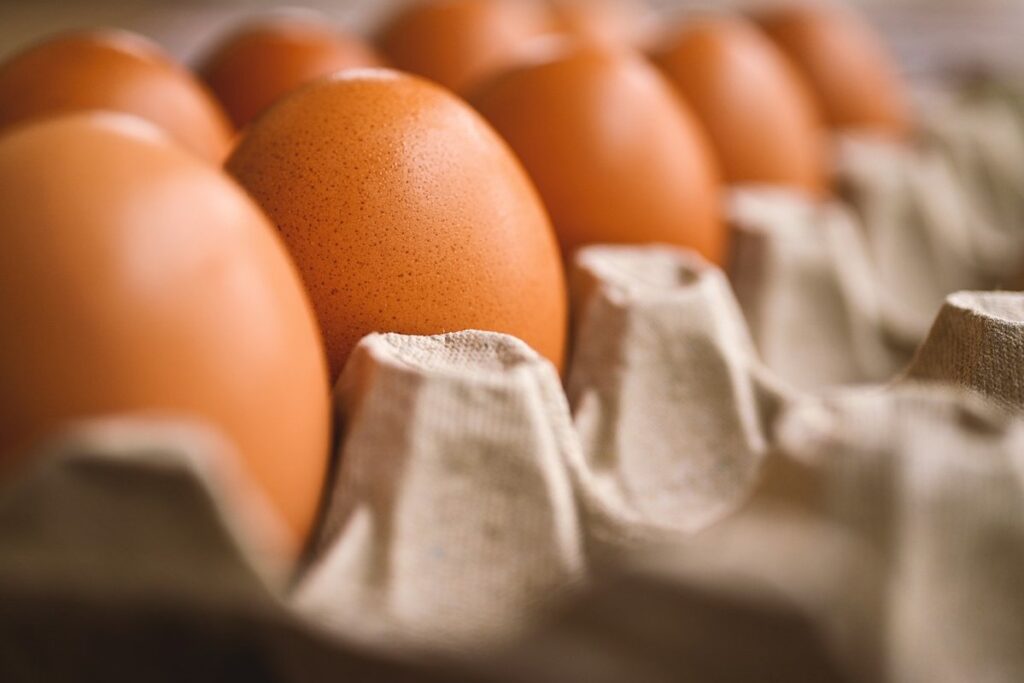
Light brown ameraucana eggs are a beautiful and unique addition to any egg collection. This color variation is characterized by its warm, golden-brown hue that ranges from a light cream to a medium caramel tone. One of the distinct features of light brown ameraucana eggs is their irregular shape, which can vary significantly in size and thickness.
Producers should note that light brown eggs may be more prone to cracking due to their thinner shells compared to other egg colors. To mitigate this risk, consider providing your hens with a balanced diet rich in calcium and vitamin D3 to support strong shell development. Additionally, ensure proper ventilation and temperature control in the coop to prevent stress-related eggshell issues.
When it comes to marketing light brown ameraucana eggs, highlight their unique characteristics and health benefits. Emphasize that these eggs are not only visually appealing but also contain higher levels of omega-3 fatty acids compared to other egg colors. By emphasizing the nutritional value and distinct appearance of your light brown eggs, you can differentiate your farm or producer operation in a crowded market.
Pink or Rose Ameraucana Eggs
One of the most unique and sought-after egg colors is the Pink or Rose Ameraucana. This stunning shade is a result of a specific genetic combination that distinguishes it from other pink or rose-colored eggs, such as those laid by Easter Eggers.
When it comes to appearance, Pink or Rose Ameraucana eggs tend to have a deeper, more vibrant hue than other pink eggs, with a slight reddish tint. This distinctive color is due to the presence of a specific pigment called porphyrin, which is produced in response to certain genetic factors. In contrast, Easter Eggers lay eggs that are often lighter and more pale pink.
As a result of its unique appearance, the Pink or Rose Ameraucana has become increasingly popular among consumers who value the novelty of an egg with this specific color. If you’re looking to get your hands on these gorgeous eggs, be sure to seek out reputable breeders or hatcheries that specialize in producing Ameraucanas with this desirable trait. Additionally, consider pairing your Pink or Rose Ameraucana hens with other breeds to create a flock with a diverse range of egg colors and patterns.
Blue Ameraucana Eggs
Blue eggs from Blue Ameraucanas are highly prized by chefs and home cooks for their unique color and rich, buttery flavor. But what makes these eggs so special? The secret lies in the genetics behind blue egg production.
It all starts with a protein called porphyrin, which is present in the pigment of the shell. When porphyrin combines with other compounds, it creates a pigment that gives the egg its blue color. Blue Ameraucanas have a specific genetic combination that allows them to produce this unique pigment, making their eggs stand out from other breeds.
Chefs love Blue Ameraucana eggs for their rich, buttery flavor and firm texture. They’re also higher in protein and lower in cholesterol than white or brown eggs. Home cooks appreciate the visual appeal of blue eggs on their breakfast plates. If you’re a chicken keeper considering adding Blue Ameraucanas to your flock, be prepared to reap the benefits of these stunning eggs – but keep in mind that breeding for blue egg production can be complex and requires careful management.
The unique genetics behind blue egg production also means that Blue Ameraucana eggs are often more expensive than other types of eggs. However, their rich flavor and striking color make them well worth the extra cost for many enthusiasts.
Understanding Egg Color Genetics
Ameraucana egg colors can be influenced by a complex interplay of genetics, so let’s break down how the color of your eggs is determined.
The Science Behind Eggshell Coloration
Eggshell coloration is determined by the interaction of multiple genes that control pigment production. The two main types of pigments responsible for egg color are porphyrins and melanin. Porphyrins are responsible for the blue, green, and purple hues found in Ameraucana eggs, while melanin produces brown and black colors.
In Ameraucana chickens, the production of these pigments is influenced by a gene called OCA2, which codes for a protein that controls the distribution of pigment granules within the eggshell. The interaction between OCA2 and other genes determines the final egg color. For example, the blue egg color in Ameraucanas is caused by the combination of two variants of the OCA2 gene.
Understanding the science behind eggshell coloration can be helpful when breeding for specific colors. By selecting birds with the desired genetic makeup, you can increase the chances of producing eggs with the desired color. However, it’s essential to remember that many factors influence egg color, including nutrition and environmental conditions.
How to Determine the Color of Your Ameraucana’s Eggs
When it comes to predicting the color of your Ameraucana eggs, understanding the genetic traits of their parents is a great place to start. Since Ameraucanas are known for their blue and green eggshell varieties, we’ll focus on how these colors are inherited.
To determine the likely egg color of your Ameraucana chicks, look at the characteristics of their parents or refer to the breed standard. If both parents have blue eggs, it’s a good bet that your offspring will inherit this trait too. This is because the gene responsible for blue eggs is dominant, meaning one copy of the gene is enough to express the trait.
On the other hand, if one parent has blue eggs and the other green, your chicks may be more likely to have olive or pink-spotted eggs due to the combination of genes. If both parents have green eggs, it’s less likely that their offspring will inherit this trait, as green eggs are a recessive gene.
Keep in mind that while genetics can give you an idea of what to expect, there’s always some variability when it comes to egg color. But by considering the traits of your birds’ parents and understanding how these traits are passed down, you’ll be better equipped to predict the colors of their eggs.
Caring for Your Ameraucana Flock
Now that you know how to identify those beautiful eggs, let’s dive into caring for your Ameraucana flock, from nutrition to health and wellness.
Nutrition and Diet Requirements
When it comes to producing those beautiful blue eggs, nutrition plays a vital role. The color of an Ameraucana eggshell is determined by the pigments present in the hen’s diet. Specifically, the blue pigment called ovothiocolin is derived from the hens’ consumption of plant-based pigments such as anthocyanins and carotenoids.
To ensure optimal blue egg production, your Ameraucana flock requires a balanced diet rich in these essential pigments. Include a variety of leafy greens like kale and spinach, which are rich in anthocyanins, in their feed. Carrots and sweet potatoes, rich in beta-carotene, can help boost the intensity of the blue pigment.
Feed your Ameraucanas a layer-specific pellet as a base diet and supplement with fresh fruits and vegetables to provide a diverse array of nutrients. Some research suggests that adding herbs like parsley or cilantro may also enhance eggshell color. Keep in mind that individual hens may respond differently to dietary changes, so monitor their egg production closely and adjust their feed accordingly.
A well-planned diet will not only contribute to vibrant blue eggs but also support overall flock health and productivity.
Health Considerations for Ameraucanas
As you delve into the wonderful world of Ameraucana eggs, it’s essential to consider the health implications that can affect their vibrant colors. While eggshell color is often a result of genetics and nutrition, certain health issues can impact this characteristic.
Nutritional deficiencies are one common culprit behind unusual or irregular eggshell colors in Ameraucanas. For instance, a lack of omega-3 fatty acids can cause eggs to have a duller or less intense color. Similarly, inadequate protein intake can affect the production of pigments responsible for blue and green hues.
Parasites, such as internal worms or mites, can also compromise eggshell color. These unwanted visitors can lead to changes in yolk color, which may in turn affect the shell’s pigment formation. Regular health checks and parasite control measures are crucial to maintaining your flock’s overall well-being, including their colorful eggs.
To ensure optimal health and vibrant egg colors, provide a balanced diet rich in omega-3s, protein, and other essential nutrients. Keep an eye out for signs of parasites or nutritional deficiencies, and address any issues promptly to prevent long-term damage to your birds’ health.
Tips for Maximizing Blue Egg Production
To maximize blue egg production, you need to understand that it’s not just about having Ameraucana chickens; it’s also about creating an environment that encourages this specific trait. First and foremost, prioritize breeding for blue eggs by selecting roosters with high blue-egg intensity. This means looking at their feather coloration, as they should have a deeper, more vibrant blue sheen.
It’s equally important to manage your flock’s nutrition to ensure optimal egg production. Ensure that your girls are getting enough calcium and protein through a balanced diet. A study found that laying hens who received adequate calcium and vitamin D3 produced eggs with stronger shells and higher yolk quality.
To further maximize blue egg production, consider implementing some simple management practices like providing an 18-hour daylight cycle during the peak laying season (spring and summer). This will encourage your girls to lay more frequently. Additionally, collect eggs regularly to prevent breakage and keep your flock healthy. By following these tips, you can enjoy a steady supply of blue eggs from your Ameraucana flock all year round.
Marketing and Selling Your Blue Eggs
Once you’ve mastered the art of hatching beautiful blue eggs, it’s time to turn that success into a profitable business by learning how to market and sell your unique product. Effective marketing strategies will showcase your Ameraucana eggs in their best light.
Targeting the Right Market Segment
When it comes to marketing and selling your Blue Ameraucana eggs, understanding who your target audience is crucial. These consumers are willing to pay a premium for artisanal or specialty eggs like blue Ameraucanas due to their unique characteristics and health benefits.
To identify this market segment, consider the following:
• They tend to be foodies, health-conscious individuals, or environmentally aware consumers
• They often shop at local farmers’ markets, farm-to-table restaurants, or online platforms that promote artisanal products
• They value the distinctiveness of blue eggs and are willing to pay a higher price for them
When targeting this market segment, focus on highlighting the benefits of Blue Ameraucana eggs. Share stories about your flock’s unique genetics, their ability to thrive in free-range conditions, and the rich, green yolk color that indicates high omega-3 levels. Use social media platforms like Instagram to share stunning images of your blue eggs, connect with potential customers, and build brand loyalty.
Develop a strong online presence by creating a website or blog that showcases your products, shares customer testimonials, and provides recipes featuring Blue Ameraucana eggs. This will help you reach a wider audience and create a loyal customer base willing to pay the premium price for these specialty eggs.
Pricing Strategies for Blue Eggs
When it comes to pricing your blue eggs competitively while still generating a profit, there are several factors to consider. First and foremost, you need to determine the target market for your blue eggs. Are they going to be sold directly to consumers or through wholesale channels? This will greatly impact your pricing strategy.
Consider the costs involved in producing your blue eggs, including feed, veterinary care, and labor. You’ll also want to factor in the cost of marketing and sales efforts. Research your competition to determine what prices they’re charging for similar products. Look at egg farms that specialize in rare breeds like Ameraucanas and check their pricing.
Another key factor is the value that consumers place on blue eggs. Some buyers may be willing to pay a premium for unique or specialty eggs, while others may prioritize affordability. Consider offering tiered pricing or discounts for bulk orders to incentivize larger purchases. By taking these factors into account, you can set prices that balance profitability with competitiveness in the market.
Conclusion
In conclusion, understanding the unique egg-laying characteristics of Ameraucana chickens is essential for any poultry enthusiast or farmer. With this comprehensive guide, you now have a valuable resource to determine the color and quality of your Ameraucana eggs. Remember, the egg color chart can vary depending on several factors, including breed, genetics, and environmental conditions.
To apply what you’ve learned from this guide, make sure to regularly collect and record the egg-laying patterns of your Ameraucana flock. This will help you identify any potential variations in egg color and size. By doing so, you’ll be able to optimize your breeding program or simply enjoy the unique characteristics of your birds’ eggs.
Now that you’re equipped with this knowledge, take the next step by observing and tracking the egg-laying habits of your Ameraucana chickens. With patience and practice, you’ll become an expert in identifying and predicting the colors and patterns of their eggs.
Frequently Asked Questions
Can I still get a good number of blue eggs even if my Ameraucana flock is not 100% purebred?
Yes, even with mixed-breed flocks, you can still expect to see some blue egg production, although the frequency may vary. Keep in mind that genetics play a significant role in determining eggshell color, so it’s essential to prioritize nutrition and care for your birds.
How do I determine if an egg is from my Ameraucana flock or another breed?
Inspect the eggs carefully for distinctive characteristics like size, shape, texture, and shell patterns. You can also check for other signs such as feather pattern, leg color, and comb type to ensure you’re collecting eggs from your true Ameraucanas.
What’s the ideal ratio of calcium and protein in my flock’s diet for optimal eggshell production?
A balanced diet rich in calcium (around 2-3% of total feed) and adequate protein levels will help promote healthy eggshell formation. Consult with a veterinarian or poultry expert to ensure your birds are receiving the necessary nutrients.
Can I hatch chicks from pink or light brown eggs, or do they always come from Ameraucana mothers?
While it’s possible for Ameraucanas to lay pink or light brown eggs, these traits don’t necessarily guarantee that the mother bird is 100% purebred. If you’re interested in hatching chicks with specific characteristics, consider collecting eggs from a reputable breeder.
How do I market and price my blue eggs effectively to reach a wider audience?
Consider targeting local farmers’ markets, specialty food stores, or online platforms catering to customers seeking unique egg products. Research pricing strategies for similar products in your area and be prepared to adapt based on customer feedback and demand.