
If you’re considering adding some unique flair to your backyard flock, you might be interested in learning about Ameraucana pullets. These charming birds are known for their striking blue eggs and impressive feathers. But it’s not just about looks – Ameraucana pullets also boast a range of beneficial characteristics that make them an attractive addition to any poultry farm or small-scale operation.
In this guide, we’ll delve into the essential details of raising thriving Ameraucana pullets. We’ll cover their unique characteristics, health considerations, and breeding tips to ensure you get the best out of your flock. Whether you’re a seasoned breeder or just starting out, our comprehensive overview will give you the knowledge and confidence to successfully raise healthy, happy Ameraucana pullets.
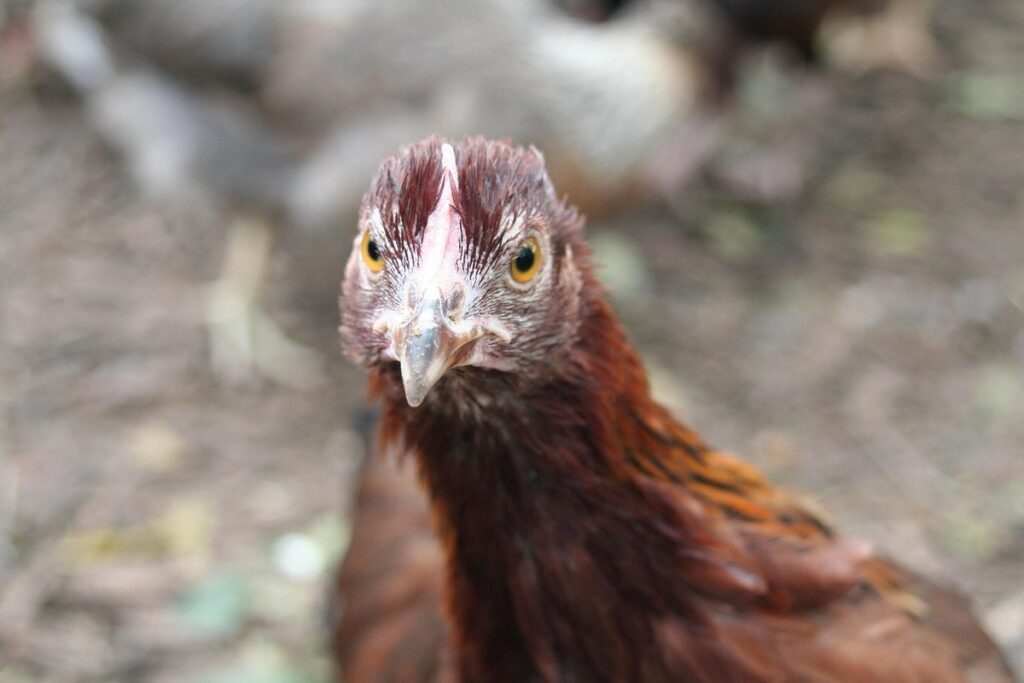
Introduction to the Ameraucana Breed
Welcome to our comprehensive guide, where we’re excited to share everything you need to know about the fascinating Ameraucana breed. Let’s start by learning about its origins and unique characteristics.
History and Origin of the Ameraucana
The history of the Ameraucana breed is fascinating, and it’s closely tied to its South American roots. In fact, the Ameraucana is a direct descendant of the Araucana, an ancient Chilean breed known for its unique genetic traits. The Araucana was first introduced to North America in the 1970s, where it quickly gained popularity among backyard chicken enthusiasts.
As breeders began working with the Araucana, they selectively bred for specific characteristics that would become hallmarks of the Ameraucana: blue eggs, friendly temperament, and a hardiness that made them well-suited to cold climates. The name “Ameraucana” was coined in 1984 by the American Bantam Association (ABA), which recognized the breed as a distinct entity from its Araucana ancestor.
Today, Ameraucanas are prized not only for their beautiful blue eggs but also for their unique genetics and charm. They’re a favorite among chicken keepers who value their friendly nature and adaptability to small spaces – making them an excellent choice for backyard flocks or even apartment dwellers with a green thumb.
Physical Characteristics of the Ameraucana
One of the most distinctive features of the Ameraucana breed is their physical characteristics. If you’re new to raising ameraucanas, it’s essential to learn what to expect from these unique birds. First and foremost, one of the most recognizable traits of the Ameraucana is their blue eggs. This unique eggshell color is due to a genetic trait that causes the eggshell to produce a pigment called porphyrin.
In addition to their distinctive eggs, ameraucanas are also known for their facial hair. Both males and females can develop beards and muffs, which are long feathers that grow around the face. This unique feature is one of the breed’s most recognizable characteristics and adds to their charm.
When choosing an Ameraucana pullet, look for birds with well-developed facial features and a good balance between size and feather quality. Pay attention to the condition and length of the beard and muff, as these can be indicative of overall health and fertility.
Choosing the Right Ameraucana Pullet
When selecting an Ameraucana pullet for your flock, it’s essential to consider factors such as egg production, temperament, and feather color to ensure a good fit. This section will walk you through these key considerations.
Factors to Consider When Selecting a Pullet
When selecting an Ameraucana pullet, there are several key factors to consider. First and foremost, fertility is a crucial aspect to think about. A healthy and fertile pullet will ensure that you have a successful breeding program or a steady supply of eggs. Look for birds with well-developed combs and wattles, as these indicators can signal good overall health.
Temperament is another vital consideration. Ameraucanas are known for their friendly and docile nature, but some individuals may be more feisty than others. Observe how the bird interacts with you and other animals in its environment to gauge its temperament.
Egg-laying ability is also a significant factor, particularly if you’re looking to keep your pullet as an egg producer. Ameraucanas are moderate layers, producing around 200-220 brown eggs per year. However, some individuals may be more prolific than others. Research the breeder or farm’s data on egg production and fertility rates to get an idea of what to expect.
Ultimately, the best way to determine a pullet’s suitability is through observation and research. Spend time with the bird, learn about its ancestry, and ask questions from reputable breeders or farmers to ensure you’re making an informed decision.
Importance of Buying from Reputable Breeders
When it comes to bringing home an Ameraucana pullet, where you buy her from can make all the difference. Purchasing from reputable breeders is crucial for ensuring that your new feathered friend is healthy and thriving. The importance of this cannot be overstated – buying from a trusted breeder means you’re getting birds that have been properly cared for, socialized, and genetically sound.
Buying from unscrupulous or inexperienced sellers can lead to serious health issues down the line. You may end up with a bird that’s prone to inherited diseases, has poor temperament, or is even infected with parasites. This not only affects your bird’s quality of life but also your own, as you’ll be dealing with costly vet bills and time-consuming care.
To find reputable breeders, research online, read reviews from other owners, and look for breed associations that have strict health testing protocols in place. A good breeder will prioritize the well-being of their birds above all else and be transparent about genetic testing, vaccination records, and breeding history.
Health Considerations for Ameraucana Pullets
When bringing home your new Ameraucana pullet, it’s essential to consider her specific health needs and potential vulnerabilities to ensure a long and happy life on your farm. This section will cover key factors to watch out for.
Common Health Issues in the Breed
As you bring home your new Ameraucana pullet, it’s essential to be aware of the potential health issues that can affect this breed. One common issue is Muffin Disease, a genetic disorder that causes the bird’s beak and legs to become deformed. Symptoms include difficulty walking, feeding, and breathing. It’s crucial to work with a reputable breeder who has done DNA testing for this condition.
Another concern is the increased risk of Marek’s disease, a viral infection that affects the nervous system. This can cause symptoms such as lethargy, loss of appetite, and paralysis. Good hygiene practices, such as keeping the coop clean and providing adequate ventilation, can help minimize the risk of contracting this disease.
Regular health checks with a veterinarian experienced in poultry care are also vital to identify any potential issues early on. Keep an eye out for changes in behavior, droppings, or appetite, and report any concerns promptly.
Tips for Maintaining Optimal Health
Maintaining optimal health for your Ameraucana pullets is crucial to ensure they lead long and happy lives. To provide a healthy environment, make sure they have access to clean water and fresh air at all times. Ensure their coop or enclosure is well-ventilated, dry, and protected from predators.
A balanced diet is also essential for maintaining optimal health. Offer your Ameraucana pullets a high-quality layer feed that meets their nutritional needs. Supplement with fruits and vegetables, but avoid giving them avocado, onions, or chocolate, as these can be toxic to chickens.
Regular exercise is vital for maintaining physical and mental health in pullets. Provide enough space for them to roam and engage in natural behaviors like scratching, pecking, and dust bathing. Consider providing a dust bath area specifically designed for chickens to help keep their feathers clean and healthy.
Remember to monitor your pullets’ health regularly by checking their droppings, egg-laying habits, and overall behavior. Consult with a veterinarian if you notice any signs of illness or stress in your flock. By following these simple tips, you can ensure your Ameraucana pullets stay happy and healthy throughout their lives.
Nutrition and Dietary Needs of the Ameraucana Pullet
When it comes to feeding your Ameraucana pullet, it’s essential to understand their unique nutritional requirements as they grow into a healthy laying hen. Providing the right diet will make all the difference in her overall well-being and egg production.
Balancing Protein and Energy Requirements
To ensure your Ameraucana pullet grows into a healthy and thriving hen, it’s essential to balance her protein and energy requirements. These birds are bred for their unique characteristics, but they still need the right nutrients to reach their full potential.
Ameraucanas require a higher protein diet than other breeds, with around 16-18% protein content in their starter feed. This is because they need extra protein to support feather growth and development. However, overfeeding can lead to obesity and related health issues, so be sure to monitor your bird’s food intake carefully.
You should also provide a balanced energy source through high-quality layer feed that contains around 1,200-1,300 IU of vitamin D3 per pound. This will help support egg production as your pullet matures into a laying hen. Consider adding calcium supplements or oyster shells to their diet to ensure strong eggshell formation.
A good rule of thumb is to provide free-choice layer feed and fresh water at all times, while supplementing with grains like oats or barley for variety. Avoid over-reliance on treats, which can lead to nutrient imbalances. By paying attention to your Ameraucana pullet’s nutritional needs, you’ll be well on your way to raising a happy and healthy bird.
Importance of Fresh Water and Hydration
Access to clean water is crucial for maintaining the overall health of your Ameraucana pullet. It’s not just a matter of providing enough water; it must also be fresh and free from contaminants. A bird’s digestive system relies heavily on water, which helps break down food into nutrients that can be absorbed by the body.
Dehydration in birds can occur quickly, especially if they’re not drinking enough or if their water becomes stagnant. Signs of dehydration may include dry, sunken eyes, decreased droppings production, and lethargy. To prevent this, make sure to change your pullet’s water frequently, ideally at least once a day.
Keep in mind that birds have specific water requirements; they need access to an adequate supply of clean drinking water for their body weight. Aim to provide about 1 cup of water per bird per day, and ensure the water is fresh by changing it daily or whenever you notice a decrease in consumption.
Raising an Ameraucana Pullet: Tips and Tricks
As you embark on raising your new Ameraucana pullet, one of the most crucial aspects is understanding how to provide her with optimal care, nutrition, and environment. This section offers expert advice to help you raise a happy and healthy bird.
Establishing a Safe and Stress-Free Environment
When introducing an Ameraucana pullet to her new environment, it’s essential to create a comfortable space that promotes relaxation and reduces stress. A safe and stress-free environment will help your feathered friend thrive. First, consider the housing requirements for your pullet. Provide a spacious coop with adequate ventilation and protection from predators. Ensure there is enough room for her to stretch her wings, exercise, and move around comfortably.
For enrichment activities, think beyond traditional toys and scratching posts. Offer a variety of treats like fruits, vegetables, and grains to stimulate her curiosity and encourage foraging behavior. Consider adding a dust bath area where she can relax and maintain her plumage. Rotate toys regularly to prevent boredom and keep things interesting. For example, try hiding treats around the coop or introducing new perches with different textures.
Remember, every pullet is unique, so observe your bird’s preferences and adjust accordingly. By prioritizing comfort and providing engaging enrichment activities, you’ll help create a happy and healthy environment for your Ameraucana pullet to grow and flourish.
Training and Handling Techniques
When it comes to raising an Ameraucana pullet, socialization and training are crucial for developing a well-adjusted and confident bird. Gentle handling is essential from an early age, as Ameraucanas can be skittish and flighty if not handled carefully. Start by getting your pullet used to being handled regularly, ideally from the time they’re around 4-6 weeks old.
Positive reinforcement training is also a great way to encourage good behavior in your Ameraucana. Reward your bird with treats and praise when they exhibit desired behaviors, such as coming when called or stepping up onto a perch. You can also use clicker training to teach more complex tasks, like flying between two points or performing tricks.
To avoid stressing your pullet during handling, be mindful of their body language. If they tuck their head, fold their wings, or try to escape, it’s time to give them space and reassess your approach. With patience, consistency, and positive reinforcement, you can develop a strong bond with your Ameraucana pullet and enjoy many happy years together.
Breeding and Fertility in the Ameraucana Pullet
When it comes to raising healthy, fertile Ameraucana pullets, understanding their breeding potential is crucial. Let’s explore how to breed for optimal fertility and success.
Understanding Fertility Cycles
Recognizing and managing fertility cycles is crucial for maintaining healthy breeding stock. Ameraucana pullets typically reach reproductive maturity between 24-30 weeks of age. To confirm their readiness, look for signs such as an increase in comb size, developed vent feathers, and a more assertive demeanor.
To manage fertility cycles effectively, start by monitoring your pullet’s weight and growth rate. A healthy weight gain indicates optimal fertility levels. Keep records of egg production, frequency, and quality to track changes in reproductive performance.
It’s also essential to understand that Ameraucana pullets typically experience a 16-20% increase in fertility during their first breeding season due to natural selection processes. Monitor their reproductive cycles closely and adjust your management strategies accordingly. For example, you can breed them immediately after the onset of puberty or wait for several months to observe further improvements in fertility.
When selecting breeders, prioritize pullets with consistent fertility records, proper body conditioning, and robust health indicators.
Maximizing Breeding Success with Proper Care
When it comes to breeding success with an Ameraucana pullet, there are several key factors to consider. Proper nutrition plays a crucial role in ensuring the health and fertility of your bird. A balanced diet that includes essential nutrients such as protein, calcium, and vitamins will help support egg production and overall well-being.
Genetics also play a significant part in breeding success. Choose breeders who have a proven track record of producing healthy, fertile birds. Look for birds with a strong family history and consider factors such as feather quality, egg production, and temperament.
Health is another critical factor to consider. Regular check-ups with a veterinarian will help identify any potential health issues early on. Make sure your pullet has access to clean water and a balanced diet to prevent diseases and promote overall health.
By focusing on proper nutrition, genetics, and health, you can increase the chances of successful breeding with your Ameraucana pullet. With careful consideration and attention to detail, you’ll be well on your way to producing healthy, fertile offspring.
Conclusion: Making the Most of Your Ameraucana Pullet Experience
Now that you’ve learned all about raising and caring for your Ameraucana pullet, it’s time to consider what comes next – how to make the most of this experience. Let’s discuss the key takeaways from our comprehensive guide.
Recap of Key Takeaways
As you’ve reached the end of our comprehensive guide to Ameraucana pullets, let’s recap the key takeaways that will help you make the most out of your experience with these amazing birds.
We started by discussing the origins and characteristics of Ameraucana pullets, highlighting their unique genetics and feather types. We also covered the importance of proper nutrition and care for optimal health and growth.
One of the main points we emphasized is the need to start early with socialization and handling to help your pullet become a friendly and docile adult hen. This includes regular interaction, exposure to new environments, and positive reinforcement training.
We also discussed how Ameraucana pullets are relatively low-maintenance compared to other breeds, requiring less space and exercise due to their smaller size. However, they still need access to fresh air, water, and a balanced diet to thrive.
Additionally, we touched on the benefits of keeping Ameraucana pullets for egg production, including their high fertility rate and ability to produce an average of 200-220 eggs per year. By following these key takeaways, you’ll be well on your way to raising happy, healthy, and productive Ameraucana pullets that will bring joy and fresh eggs to your family for years to come.
Encouragement for New Breeders
As you’ve navigated this comprehensive guide on the amazing Ameraucana pullet, we hope you’re now considering bringing home one of these incredible birds. If you are new to breeding, we want to encourage you to take the plunge and experience the rewards that come with raising an Ameraucana pullet.
The Ameraucana breed is perfect for poultry enthusiasts who value diversity and unique characteristics in their flock. Their blue eggs, friendly demeanor, and stunning plumage make them a standout choice. Not only will your Ameraucana pullet bring joy to your backyard, but they also offer valuable lessons in breeding and husbandry skills.
As you begin your journey with the Ameraucana breed, don’t be discouraged if you encounter setbacks or challenges. Breeding is an art that requires patience, persistence, and practice. We encourage you to connect with other poultry enthusiasts through online forums, local clubs, or regional meetups for guidance and support.
Frequently Asked Questions
Can I keep Ameraucana pullets with other breeds, or do they require separate housing?
Yes, you can keep Ameraucana pullets with other breeds, but it’s essential to ensure the flock remains harmonious and stress-free. Introduce them gradually, and monitor their behavior. Providing adequate space, feeding areas, and roosting bars will help minimize conflicts.
How often should I collect eggs from my Ameraucana pullet, considering their blue egg production?
It’s recommended to collect eggs daily or every other day, as Ameraucana pullets are prolific layers. Regular collection helps maintain a clean environment, prevents breakage, and ensures you don’t miss any potential fertility issues.
What are some common health concerns I should watch out for in my Ameraucana pullet, aside from the genetic traits mentioned in the article?
Monitor your flock regularly for signs of respiratory issues, mites, lice, and internal parasites. Maintaining a clean living environment, providing adequate ventilation, and practicing good biosecurity will help minimize the risk of these common health concerns.
Can I breed Ameraucana pullets if I have limited space or experience in poultry management?
While it’s possible to breed Ameraucana pullets with proper care and attention, it’s essential to consider your resources and expertise. Ensure you can provide a suitable environment for breeding birds, and research the specific needs of this breed before attempting to breed them.
How do I handle molting periods in my Ameraucana pullet, which can be stressful for both birds and owners?
During molting periods, provide a balanced diet rich in calcium to support feather regrowth. Offer plenty of fresh water, maintain a stress-free environment, and minimize handling to avoid further stress on the bird.