
If you’re considering adding some unique flair to your backyard flock, you might be wondering which breed is right for you: the Ameraucana or Araucana chicken. These two breeds have gained popularity in recent years due to their striking blue-egg-laying abilities and distinct appearances. But what sets them apart, exactly? In this article, we’ll delve into the origins of both breeds, explore their differences in terms of breeding standards and care requirements, and help you decide which one is best suited for your lifestyle. From the fascinating history behind these breeds to practical tips on caring for them, we’ll cover it all. By the end of this read, you’ll have a better understanding of these two remarkable chicken breeds and be well-equipped to make an informed decision about which one will join your flock.
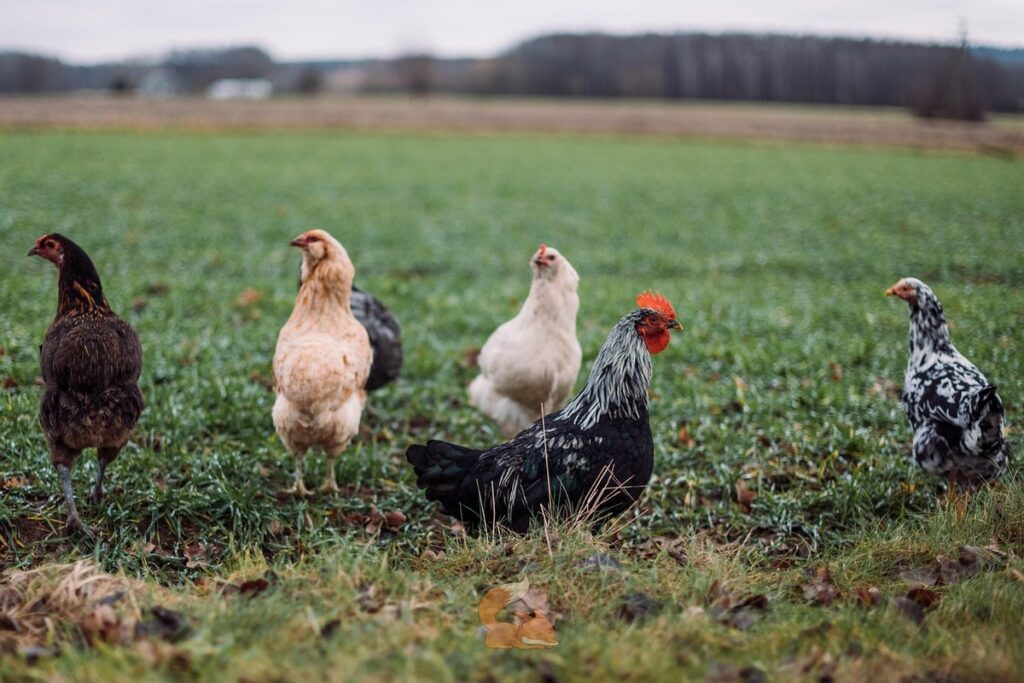
Characteristics and Origins
When it comes to these two popular chicken breeds, understanding their characteristics and origins is crucial for making an informed decision as a new poultry owner. Let’s dive into the history behind each bird.
History of the Ameraucana Breed
The Ameraucana breed has its roots in North America, specifically in the United States and Canada. Developed in the 1970s from existing American breeds such as the Araucana, the Ameraucana was created to be a distinct breed with unique characteristics. The first recorded breeding of the Ameraucana took place in 1972 by a group of dedicated breeders who aimed to preserve the breed’s genetic integrity.
One key aspect that sets the Ameraucana apart from its cousin, the Araucana, is its history and development within North America. Unlike the Araucana, which originated in South America, the Ameraucana was developed locally, making it more adaptable to regional climate conditions. This local breeding also allowed for a greater selection of desirable traits, resulting in a breed that excels in egg-laying capacity.
Today, the Ameraucana is recognized as a distinct breed by most major poultry associations and is highly sought after by backyard chicken enthusiasts due to its unique appearance and robust health.
Physical Characteristics of Ameraucanas
One of the most distinctive physical characteristics of Ameraucanas is their blue eggs. But what sets them apart from other chicken breeds isn’t just their egg-laying abilities – it’s also their unique appearance.
Ameraucana chickens are known for their beards, which give them a charming and endearing look. These feathers grow around the bird’s face, creating a sort of ‘chin strap’ effect. This distinctive feature not only adds to their visual appeal but also serves as an indicator of their genetic make-up.
Their plumage is another notable aspect of Ameraucanas. They come in a variety of colors, including blue, black, and wheaten. The feathers are often described as having a ‘soft, fluffy’ texture. When it comes to size, Ameraucana roosters typically weigh around 6-7 pounds, while hens tip the scales at around 4-5 pounds.
The combination of their striking beards, soft plumage, and blue eggs makes Ameraucanas truly stand out in a flock. If you’re considering adding these birds to your backyard coop, be sure to do plenty of research on their needs and temperament before making a decision – after all, every chicken is unique!
Breeding Standards for Ameraucanas
To determine if you have a true Ameraucana chicken, look for breeding standards that emphasize distinct characteristics. One key aspect is the bird’s plumage; Ameraucanas should have a solid blue, black, white, or buff single color with no white patches on the wings. Another crucial standard is their beak and leg color, which should match their primary feather color.
Ameraucanas are often bred to be smaller than other breeds, typically weighing between 5-7 pounds for hens and 6-8 pounds for roosters. Their egg-laying capacity is another important consideration; Ameraucanas are prolific layers, producing around 200 eggs per year in shades of blue or green.
When selecting an Ameraucana breeder, ask about their adherence to the American Bantam Association (ABA) breed standard. This will ensure you’re getting a bird that meets specific criteria for size, color, and temperament. By choosing an Ameraucana bred according to these standards, you’ll be rewarded with a friendly, hardy chicken that’s well-suited to backyard flocks.
Characteristics and Origins (Continued)
Now that we’ve explored their characteristics, let’s dive deeper into the origins of these unique chicken breeds.
History of the Araucana Breed
The Araucana breed has its roots in South America, specifically in the Andean regions of Chile and Argentina. The name “Araucana” comes from the Mapuche people, who were indigenous to this area. The breed was developed over centuries, with evidence suggesting that it existed as far back as the 16th century.
Initially, the Araucana was bred for its unique characteristics, including its ability to produce blue eggs and its striking appearance. In the early 20th century, the breed was introduced to Europe, where it gained popularity among backyard chicken enthusiasts. The American Poultry Association recognized the Araucana as a distinct breed in 1976.
Interestingly, the Araucana is known for being one of the few breeds that carries the gene responsible for producing blue eggs naturally. This trait has made it highly sought after by backyard chicken keepers and egg enthusiasts. Today, the Araucana remains a beloved breed among poultry enthusiasts worldwide, prized for its unique characteristics and rich history.
The development of the Araucana is an excellent example of how selective breeding can create distinct breeds with unique traits.
Physical Characteristics of Araucanas
One of the most distinctive features of Araucanas is their ability to lay blue eggs. This unique characteristic sets them apart from other chicken breeds and has become a sought-after trait among backyard chicken enthusiasts. But what makes their eggs so special? It’s not just the color – it’s also due to the breed’s genetic makeup.
Araucanas are also known for their rumplessness, which means they have no tail feathers or a very short one. This is another key physical characteristic that distinguishes them from Ameraucana and other chicken breeds. In fact, the Araucana’s lack of tail feathers can make it more difficult to sex young chickens, as the trait is often masked in juveniles.
In addition to their egg-laying abilities and rumplessness, Araucanas also have a unique appearance that sets them apart from other breeds. They come in a variety of colors and patterns, including black, blue, silver-dust, wheaten, and more. Some chickens may even have a tuft of feathers on the top of their heads, giving them a distinctive “pom-pom” look.
When considering adding an Araucana to your flock, it’s essential to remember that they can be quite active and require plenty of space to roam. With proper care and attention, however, these charming birds can thrive in almost any backyard setting.
Breeding Standards for Araucanas
To determine if you have a true Araucana, look for adherence to strict breeding standards. The American Bantam Association (ABA) and the American Poultry Association (APA) recognize two types of Araucanas: the rumpless (without tail feathers) and the rumpless with beaded eggs. The APA only recognizes birds meeting specific criteria as true Araucanas.
Araucana breeding standards dictate that these chickens should have a unique, slate-blue or black “beaded” egg-laying ability. This characteristic is determined by their genetic makeup, specifically a mutation in the OCA2 gene responsible for the production of eumelanin. The beading effect on eggs occurs due to the way light interacts with the melanin particles.
When selecting an Araucana breeder or purchasing chicks, ensure they adhere to these strict breeding standards. Check for documentation from reputable registries like the APA and ABA, which verify the bird’s lineage and adherence to specific breed characteristics. This ensures you’re not inadvertently supporting crossbreeding that compromises the integrity of the true Araucana breed.
Temperament and Personality
When it comes to choosing between these two breeds, understanding their temperament and personality is key. You’ll want to know how friendly, docile, and easy-going each breed tends to be.
Comparison of Ameraucana Temperament
When it comes to temperament, Ameraucanas are often described as gentle and even-tempered birds. Compared to other breeds, such as Leghorns, which can be known for their high-strung energy, Ameraucanas are generally more laid-back. This is likely due in part to their origins as a breed developed from the Araucana, which was selectively bred for its unique characteristics.
In contrast to some other calm breeds like Orpingtons, however, Ameraucanas tend to be quite alert and watchful, often keeping a close eye on their surroundings. They’re also known for being relatively quiet, making them a great choice for backyard flocks where noise can be a concern.
One of the unique traits of Ameraucana temperament is their tendency to form strong bonds with their owners. With proper handling and socialization, they can become quite tame and even enjoy human interaction, such as perching on laps or following their owners around the yard. This makes them an excellent choice for families or individuals who want a low-maintenance yet affectionate pet chicken.
Comparison of Araucana Temperament
When it comes to temperament, Araucanas are known for their friendly and outgoing personalities. They are often described as ” Velcro chickens” due to their love of human interaction and desire to be close to their owners. In comparison to other chicken breeds, such as the Ameraucana, Araucanas tend to be more social and demanding of attention.
One unique trait of Araucanas is their ability to form strong bonds with people. They are often described as “lap chickens” because they love to sit on laps and receive pets and scratches. This behavior can make them a great choice for families or individuals who want a chicken that will be a loyal companion.
However, it’s worth noting that Araucanas can also be quite loud and demanding of attention, which may not be suitable for everyone. They require regular interaction and exercise to keep them happy and healthy. With proper care and attention, Araucanas make wonderful pets, but they do require more maintenance than some other breeds.
If you’re considering bringing an Araucana into your flock, it’s essential to provide plenty of space, socialization, and attention. With their unique personalities and needs in mind, you can create a happy and healthy home for your new feathered friend.
Tips for Introducing Ameraucanas and Araucanas to Your Flock
When introducing Ameraucanas and Araucanas to your existing flock, it’s essential to consider their social dynamics. These breeds can be quite energetic and curious, so they require careful introduction to ensure a harmonious integration. To start, it’s best to introduce them one at a time, monitoring the reaction of each bird in the flock.
Begin by placing the new arrival in a separate enclosure or pen near the main coop, allowing them to become familiar with each other’s sounds and scents without the risk of immediate interaction. Once you notice the birds seem comfortable with each other’s presence, it’s time for supervised introductions under close observation.
Some essential tips to keep in mind include:
* Start with a single introduction, rather than introducing all new birds at once.
* Supervise interactions closely, especially during the early stages of integration.
* Provide plenty of space and resources for each bird, including food, water, and nesting areas.
* Be patient, as integrating new breeds can take time – it may be necessary to repeat the introduction process several times before everyone is comfortable.
By following these steps, you can minimize stress and ensure a smooth transition for both your existing flock and the new arrivals.
Health and Hygiene
When it comes to raising these unique chickens, health and hygiene are crucial aspects to consider, from beak trimming to coop cleaning. Let’s explore some essential tips together.
Common Health Issues in Ameraucanas
As you consider bringing an Ameraucana flock to your backyard, it’s essential to be aware of the common health issues that can affect these birds. One of the most prevalent problems is hypothyroidism, a condition where the thyroid gland doesn’t produce enough hormones. This can lead to weight gain, lethargy, and changes in feather growth. Regular check-ups with a veterinarian can help identify this issue early on.
Obesity is another significant concern for Ameraucanas, as they tend to overeat due to their high metabolism and love for food. Providing plenty of exercise through free-range activities or playtime can help keep them active and healthy. You should also monitor their diet closely, limiting treats and ensuring access to fresh water at all times.
In addition to these issues, Ameraucanas are also prone to Marek’s disease, a viral condition that affects the nervous system. Keeping your flock up-to-date on vaccinations and maintaining good biosecurity can significantly reduce this risk. By being informed about these potential health concerns, you’ll be better equipped to provide the best possible care for your beloved birds.
Common Health Issues in Araucanas
Araucanas are prone to several health issues that can impact their overall well-being and productivity. One of the most significant concerns is genetic disorders, particularly those related to their unique genetic trait: the ability to produce blue eggs. This characteristic is due to a recessive gene that also increases the risk of hypothyroidism and other thyroid-related problems.
Respiratory issues are another common health issue in Araucanas. Their beak shape and size can lead to difficulty breathing, especially during hot or humid weather conditions. In addition, their susceptibility to respiratory infections, such as bronchitis and pneumonia, is higher due to their unique beak structure.
To mitigate these risks, it’s essential for breeders and owners to implement proper breeding practices, providing a balanced diet, and maintaining clean living conditions. Regular veterinary check-ups can help identify potential issues early on, allowing prompt treatment and prevention of more severe problems. Keeping an eye out for signs of respiratory distress or lethargy in your Araucana flock is also crucial in ensuring their overall health and well-being.
Maintaining Good Hygiene with Your Flock
When raising Ameraucana and Araucana chickens, it’s essential to maintain good hygiene practices to keep both your flock and yourself healthy. One of the most significant challenges with these breeds is their tendency to be messy eaters.
To prevent messes, place a large, shallow dish for each bird at feeding time, filled with enough food for about an hour. This will encourage them to eat quickly and then move on to other activities. Keep in mind that it’s better to have slightly more room around the feeder than less, as this will help reduce competition and mess.
Another key aspect of maintaining good hygiene is keeping your coop clean. Make sure to remove any droppings daily and give the entire area a thorough cleaning every week or two. This includes all surfaces, perches, and nesting boxes. You can also consider implementing a foraging program to encourage your chickens to scratch and peck at the ground, which will help reduce waste and mess.
Regular coop cleaning not only maintains hygiene but also prevents disease from spreading among your flock.
Breeding and Genetics
When it comes to breeding and genetics, understanding the differences between Ameraucana and Araucana chickens is crucial for creating purebred lines. Let’s dive into how breeders select and develop these unique birds.
Genetic Differences Between Ameraucanas and Araucanas
When it comes to breeding and genetics, two key factors set Ameraucanas and Araucanas apart: their unique traits and characteristics. Specifically, the genetic differences between these breeds lie in their ability to produce blue eggs.
The gene responsible for this trait is known as the “oocyanin” gene, which codes for the production of a pigment that gives eggs their characteristic blue color. This gene is present in both Ameraucanas and Araucanas, but it’s expressed differently in each breed. In Ameraucanas, the oocyanin gene is dominant, meaning that even if they inherit a recessive allele from their parents, they will still produce blue eggs.
Araucanas, on the other hand, have a different genetic makeup. They carry two copies of the recessive allele for the oocyanin gene, which makes them more sensitive to environmental factors and less consistent in producing blue eggs. To produce blue eggs, Araucanas require a specific combination of genetics and environment.
This means that if you’re looking to breed chickens for their egg-laying abilities, understanding these genetic differences is crucial. By selecting for the dominant oocyanin gene in Ameraucanas or working with Araucanas in a controlled environment, you can optimize your flock’s egg production and quality.
Breeding for Specific Traits in Ameraucanas and Araucanas
Breeding for specific traits in Ameraucanas and Araucanas requires careful selection of breeding stock to ensure that desired characteristics are passed down to offspring. When selecting breeding stock, it’s essential to consider the breed standard for each trait you’re aiming to improve. For example, if you want to breed birds with a specific feather pattern or coloration, you’ll need to identify individuals with those traits and select them as breeding parents.
A good starting point is to evaluate the physical characteristics of potential breeding stock, such as ear size, beak shape, and plumage quality. Look for birds that exhibit consistent patterns and are free from defects. You can also use genetic testing to determine the likelihood of certain traits being passed down to offspring.
When it comes to blue eggs, which are a prized trait in both breeds, you’ll want to select breeding stock with a proven track record of laying blue eggs consistently. This may involve working with experienced breeders who have already developed lines that excel in this area.
Comparison of Care and Management
When deciding between Ameraucana and Araucana chickens, it’s essential to consider their unique needs and management requirements, which can vary significantly from one breed to another. Here’s a breakdown of their care and management differences.
Dietary Needs of Ameraucanas and Araucanas
When it comes to meeting the dietary needs of Ameraucanas and Araucanas, there are some key differences to consider. Both breeds require a balanced diet that includes high-quality protein sources, such as crickets or mealworms, as well as a variety of fruits and vegetables.
Ameraucanas have specific requirements due to their genetic makeup. They need more calcium in their diet than other chicken breeds, particularly if they’re laying eggs. This is because Ameraucanas can lay blue or green eggs, which require a different set of nutritional building blocks. You can supplement their feed with crushed oyster shells or dark leafy greens like kale.
Araucanas also have distinct dietary needs. They are prone to a genetic condition called ovomucoid deficiency, which means they can’t produce the protein found in egg whites. As a result, you should provide them with an extra source of protein-rich foods, such as beans or peas. Also, make sure their feed has added vitamin A to support eye health.
In terms of feeding frequency and amount, both breeds require about 1/4 pound of food per day for every 3-4 pounds of body weight.
Housing Requirements for Ameraucanas and Araucanas
When it comes to housing requirements for Ameraucanas and Araucanas, both breeds have similar needs but also some distinct differences. A good rule of thumb is to provide at least 2-4 square feet of space per bird inside the coop, with a minimum of 8 hours of direct sunlight per day.
Ameraucanas, being generally more docile, can thrive in smaller spaces as long as they have access to plenty of ventilation and fresh air. However, their cold hardiness means they can tolerate temperatures as low as -20°F (-29°C), making them well-suited for colder climates.
On the other hand, Araucanas are known to be more energetic and require more space to roam and exercise. They also prefer milder temperatures between 40°F (4°C) and 80°F (27°C). To meet their needs, it’s essential to provide a spacious coop with adequate ventilation and insulation.
When building or setting up housing for your flock, consider using natural materials like wood or straw bales to regulate the internal climate. A well-designed coop will help keep your chickens healthy and happy, regardless of breed. Always prioritize cleanliness and hygiene by adding easy-to-clean nesting boxes and removing soiled bedding regularly.
Tips for Managing Your Flock’s Welfare
When it comes to managing the welfare of your flock, there are several key considerations that you should keep in mind. Since both Ameraucana and Araucana chickens have a similar lifespan (around 5-7 years) and dietary requirements, their care is relatively straightforward.
A crucial aspect of maintaining good health in these birds is providing a safe and clean living environment. Ensure that your coop has adequate ventilation to prevent the buildup of ammonia from droppings, which can be toxic to chickens. Make sure there’s enough space for all your hens to move around comfortably, with at least 3-4 square feet per bird.
Regular health checks are also essential in monitoring your flock’s overall well-being. Look out for signs of illness or injury, such as labored breathing, loss of appetite, or changes in egg-laying patterns. Provide a balanced diet that includes plenty of fresh fruits and vegetables to keep your chickens healthy and happy.
Ameraucana and Araucana chickens are both hardy breeds but can be prone to certain health issues if not properly cared for. Regular vaccinations, deworming, and parasite control will go a long way in preventing these problems.
Frequently Asked Questions
What are the ideal living conditions for Ameraucana and Araucana chickens?
Ameraucanas and Araucanas thrive in outdoor environments with plenty of space to roam, suitable climate, and access to fresh air, water, and shelter. Ensure your coop is well-ventilated and protected from extreme temperatures and weather conditions. Provide a balanced diet, adequate nesting boxes, and regular health checks to maintain their overall well-being.
Can I keep Ameraucana and Araucana chickens together in the same flock?
Yes, both breeds are generally friendly and can coexist peacefully with other chicken breeds. However, it’s essential to introduce them slowly, ensuring a smooth transition, and providing enough space for each bird to establish its dominance hierarchy. Monitor their behavior and separate them if you notice any aggression or stress.
How do I prevent genetic disorders in my Ameraucana flock?
Genetic disorders can occur due to the breed’s unique characteristics. Regular health checks, proper breeding practices, and selecting birds from reputable bloodlines can help minimize the risk of inherited conditions. Also, keep records of your birds’ ancestry and health history to make informed decisions about breeding and culling.
Can I use Ameraucana and Araucana chickens for egg production?
Yes, both breeds are known for their high-quality blue eggs, making them an excellent choice for small-scale egg farmers or backyard chicken enthusiasts. Ensure you provide a balanced diet, adequate light exposure, and maintain good hygiene practices to optimize egg production.
What are some common health issues specific to Ameraucana chickens?
Ameraucanas can be prone to issues like megabalanus (a condition affecting the cere and nostrils), osteoporosis, and certain genetic disorders due to their unique genetics. Regular check-ups with a veterinarian experienced in poultry care will help identify potential problems early on, allowing for prompt intervention and treatment.