
Are you considering adding some new feathered friends to your backyard flock, but unsure which breed is right for you? If you’re torn between Ameraucana and Easter Egger chickens, you’re not alone. Both breeds are incredibly popular among chicken enthusiasts, but they have some key differences that set them apart. While both are known for their unique egg-laying habits – think blue eggs! – their temperaments, characteristics, and needs can vary significantly.
In this article, we’ll delve into the world of Ameraucana vs Easter Egger chickens, exploring what makes each breed special. We’ll cover everything from their egg-laying habits to their temperament and adaptability. Whether you’re a seasoned chicken keeper or just starting out, understanding these key differences will help you make an informed decision when choosing the perfect fit for your backyard flock. By the end of this article, you’ll be well-equipped to decide which breed is right for you!
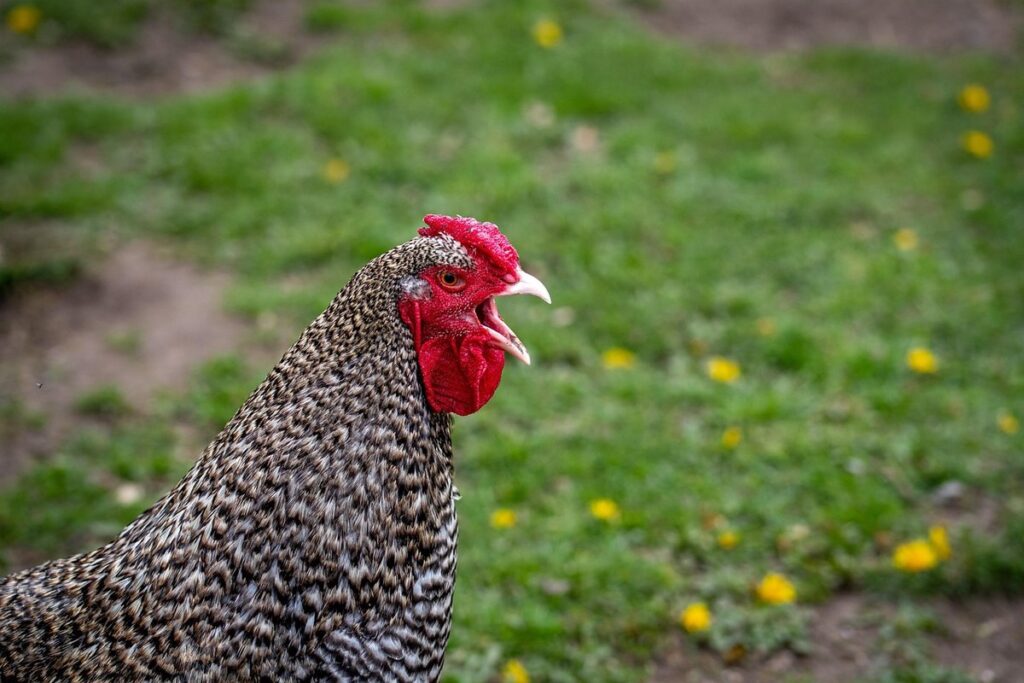
Introduction to Both Breeds
Before we dive into the differences, let’s start by getting familiar with both breeds and understanding their unique characteristics. This will help you appreciate the distinct traits of each type.
History and Origin of Ameraucanas
The Ameraucana breed has a rich history that dates back to the 1970s when it was developed in the United States. This breed is an offshoot of the Araucana breed from South America, known for its unique ability to produce blue eggs due to a genetic trait called ovotransferrin.
Ameraucanas were first introduced to the US by a breeder named Gary Gallerneau, who aimed to develop a chicken that combined the hardiness and docility of the Araucana with the physical characteristics of the American Bantam. The breed quickly gained popularity due to its striking appearance, friendly temperament, and, of course, its blue eggs.
One of the key characteristics of Ameraucanas is their genetic makeup, which allows them to produce blue eggs without the need for roosters. This trait is known as an autosomal dominant gene, meaning that only one copy of the gene is needed for a chicken to express it.
Brief Overview of Easter Eggers
Easter Eggers are not a specific breed of chicken but rather a marketing term used to describe chickens that lay blue eggs. These birds often have the appearance and temperament of Ameraucanas, another popular egg-laying breed known for their ability to produce blue eggs.
The genetic makeup of Easter Eggers is diverse, as they can come from various breeds such as Marans, Araucana, or other chicken breeds capable of laying blue eggs. This mix of genetics results in a bird that may exhibit characteristics similar to those of Ameraucanas, but it’s not a pure breed.
Many backyard flock owners and enthusiasts have jumped on the Easter Egger bandwagon due to their attractive appearance and egg-laying abilities. However, if you’re considering adding these birds to your flock, keep in mind that their genetics are not as predictable as those of purebred Ameraucanas.
It’s essential to understand that Easter Eggers may not consistently lay blue eggs or exhibit other characteristics associated with this breed. Their genetic diversity can also lead to potential health issues, making it crucial for owners to research and understand the specific needs of these birds before bringing them home.
Breed Characteristics: Appearance and Size
When it comes to physical characteristics, both Ameraucana and Easter Egger breeds have some distinct features that set them apart from one another in terms of appearance and size.
Physical Traits of Ameraucanas
When it comes to physical traits, Ameraucanas are known for their unique characteristics that set them apart from other chicken breeds. One of the most distinctive features is their feather pattern, which can vary from solid blue or black to white with a blue or copper sheen. This colorful display is due to the presence of genes that dilute the pigment in their feathers.
Ameraucanas also have a compact, muscular build and come in a variety of sizes. The American Poultry Association recognizes two main size categories: small and large, which can weigh between 5-7 pounds (2.3-3.2 kg). However, it’s worth noting that some breeders are working on developing larger lines.
In terms of beak shape, Ameraucanas typically have a curved beak, which is slightly shorter than the average chicken beak. This curved shape helps them to peck at seeds and grains more efficiently. When selecting an Ameraucana, look for one with a well-proportioned body, strong legs, and clean, shiny feathers.
Physical Traits of Easter Eggers
Easter Eggers are often mistaken for Ameraucanas due to their similar appearance, but they possess some distinct physical traits. One of the most noticeable differences is their plumage. While Ameraucanas have a solid blue or black base color with white highlights, Easter Eggers come in an assortment of colors and patterns, including blue, green, yellow, red, and brown. Their feathers may also feature intricate designs like marbling or swirling.
Another distinguishing characteristic is the beak color. Easter Eggers often have yellow or light-colored beaks, whereas Ameraucanas typically have dark beaks that match their base feather color. This difference in beak color can be a dead giveaway when identifying an Easter Egger.
In terms of overall appearance, Easter Eggers tend to be slightly larger than Ameraucanas. They also exhibit varying levels of feathering on their legs and faces, which can range from minimal to extensive.
Egg-Laying Habits: Color, Size, and Quantity
Let’s dive into one of the most fascinating aspects of these unique breeds: their egg-laying habits. In terms of color, size, and quantity, Ameraucanas and Easter Eggers exhibit distinct characteristics.
Ameraucana Egg Characteristics
When it comes to egg-laying habits, Ameraucanas stand out for their unique characteristics. One of the most notable aspects is their eggshell color, which ranges from shades of blue, green, and purple, depending on the individual bird’s genetics. This color variation is due to a genetic trait that causes the production of a pigment called porphyrin, resulting in eggs with distinct markings.
On average, an Ameraucana hen will lay around 200-220 brown-tinted eggs per year, although some birds can produce up to 280 eggs annually. In terms of egg size, Ameraucanas typically lay medium-sized eggs, ranging from 2.5 to 3 inches in length and weighing approximately 50-60 grams.
Interestingly, Ameraucana hens tend to have a higher production rate in the spring and summer months, producing around 1-2 eggs per week during this time. This is due to their breed characteristics and adaptation to the changing seasons. If you’re considering raising Ameraucanas for egg production, keep in mind that they require a balanced diet, adequate space, and regular health checks to optimize their laying abilities.
A well-cared-for Ameraucana flock can provide you with an average of 4-6 eggs per week, making them a reliable choice for backyard chicken keepers.
Easter Egger Egg Characteristics
Easter Eggers are known for their unique egg-laying traits, making them a popular choice among backyard chicken keepers. One of the most distinctive characteristics of Easter Eggger eggs is their color. These birds can lay eggs in shades of blue, green, pink, yellow, and even brown, depending on the genetics of the bird. The exact shade of the egg will depend on the individual bird’s genotype, but it’s common to see a range of blues from light sky blue to deep navy.
In terms of size, Easter Eggger eggs can vary significantly. While some birds may lay small to medium-sized eggs, others can produce larger eggs that rival those laid by other breeds. This variability in egg size is due in part to the breed’s mixed ancestry and the influence of other chicken breeds on their egg-laying traits.
As for laying frequency, Easter Egggers are generally prolific layers, producing an average of 280-300 eggs per year. However, this number can range from 200 to 320 eggs depending on factors such as nutrition, environment, and individual bird performance. To encourage optimal egg production in your Easter Egger flock, be sure to provide a balanced diet, plenty of fresh water, and adequate space for exercise and foraging.
Temperament and Interaction
Now that we’ve explored their appearance, it’s time to dive into how these breeds interact with you and their surroundings. Let’s take a closer look at their unique temperaments.
Social Nature of Ameraucanas
When it comes to social nature, Ameraucanas are known for their calm and gentle disposition. They tend to get along well with other chickens, especially if introduced at a young age. Within a flock, you can expect them to form close bonds with certain birds, often choosing one or two “best friends.” This is because they’re highly social creatures that thrive on interaction.
In terms of human interaction, Ameraucanas are quite friendly and affectionate. They enjoy being around people and will often seek attention by following their owners into the house or visiting them in the garden. However, be aware that they can be wary of strangers, so it’s essential to introduce new visitors gradually to avoid stressing them out.
One key aspect to consider when keeping Ameraucanas is their tendency to become lonely if left alone for extended periods. To prevent this, make sure to provide plenty of toys and activities to keep them engaged, such as foraging games or puzzle feeders. By doing so, you can ensure they remain happy and stimulated, even when you’re not around.
Temperament of Easter Eggers
Easter Eggers are known for their playful and curious nature. They often have a mischievous streak, which can be both entertaining and frustrating for owners. Their high energy levels mean they require plenty of space to roam and exercise, making them a great fit for backyard flocks or farms with ample land.
One notable characteristic of Easter Eggers is their affectionate personality. Many owners describe them as ” Velcro chickens” because they love human interaction and will often nuzzle and cuddle with their owners. However, this trait can also make them more prone to stress if left alone for extended periods without proper socialization and exercise.
If you’re considering bringing an Easter Egger into your flock, be prepared for the possibility of noise. They are known to be vocal birds, often “talking” or making other sounds to communicate with their human caregivers. With patience and consistent training, however, many owners find that these characteristics can be a delight rather than a nuisance.
Some tips for managing an Easter Egger’s temperament include:
* Providing plenty of space and exercise opportunities
* Engaging in regular socialization and interaction
* Establishing clear boundaries and training routines
* Offering mental stimulation through puzzle toys and activities
Health Considerations and Lifespan
When choosing between Ameraucana and Easter Egger chickens, it’s essential to consider their unique health needs and potential lifespan, which can significantly impact your decision.
Common Health Issues in Ameraucanas
While Ameraucanas are generally known for their hardiness and low incidence of health issues, they can be prone to certain genetic disorders and common chicken diseases. One of the most significant concerns is the potential for progressive retinal atrophy (PRA), a degenerative eye disorder that can lead to blindness. Responsible breeding practices have significantly reduced the prevalence of PRA in Ameraucanas, but it’s still essential for owners to be aware of this risk.
Other health issues that may affect Ameraucanas include hypothyroidism, gout, and Marek’s disease. Hypothyroidism is a common endocrine disorder that can cause weight gain, lethargy, and feather loss. Gout is a metabolic condition that leads to painful joint swelling and can be triggered by diet or genetics.
As with any chicken breed, it’s crucial for owners to maintain a clean coop, provide regular vaccinations, and monitor their flock regularly for signs of illness. Regular health checks and genetic testing can help identify potential issues early on, ensuring prompt treatment and minimizing the risk of long-term health problems. By being proactive and staying informed, Ameraucana owners can help minimize these risks and ensure their flock remains healthy and thriving.
Health Considerations for Easter Eggers
Easter Eggers are often touted as low-maintenance and hardy birds, but they still require special attention to their health needs. One of the most significant considerations for Easter Egger owners is their tendency to lay large eggs, which can put strain on their reproductive system. This may lead to health issues such as egg-binding, where the hen has difficulty passing an egg through her cloaca.
Another breed-specific trait that affects Easter Eggers’ health is their susceptibility to hypothyroidism. This condition occurs when the thyroid gland doesn’t produce enough hormones, leading to a range of symptoms including lethargy, weight gain, and feathers loss. Regular check-ups with a veterinarian can help detect this condition early on.
To keep your Easter Egger healthy, make sure to provide a balanced diet rich in calcium and nutrients. You should also ensure that they have access to clean water at all times and a safe, comfortable living space. Regular health checks and monitoring of their behavior will also help you identify any potential issues before they become serious problems.
In addition to these breed-specific considerations, Easter Eggers are generally prone to the same health issues as other chicken breeds, including respiratory infections, parasites, and disease transmission from wild birds.
Choosing Between an Ameraucana or Easter Egger
When deciding between an Ameraucana and an Easter Egger, it’s essential to consider their egg-laying abilities, temperament, and overall breed characteristics. Let’s break down the key differences in this section.
Factors to Consider When Selecting a Breed
When selecting between an Ameraucana and Easter Egger breed, there are several key factors to consider that will help you make a decision that suits your lifestyle and preferences. First and foremost, think about the space you have available for your chickens. Both breeds require similar living arrangements, but if you’re short on space, you may want to consider the Ameraucana’s slightly smaller stature.
Consider what type of egg-laying production you’re looking for as well. While Easter Eggers are known for their high egg production and colorful eggs, they can be more prone to health issues due to their mixed ancestry. On the other hand, Ameraucanas have a lower-maintenance immune system, but may not lay as many eggs.
Another factor to think about is your desired level of interaction with your chickens. Ameraucanas are known for being friendly and docile, while Easter Eggers can be more energetic and demanding of attention. If you’re an experienced chicken owner or have young children who will be interacting with the birds, this may not be a major concern.
Ultimately, it’s essential to research both breeds thoroughly and consider your specific needs before making a decision.
Conclusion: Making the Best Choice for You
As we’ve explored the unique characteristics of both Ameraucana and Easter Egger chickens, it’s essential to consider which breed is best suited for your individual needs. By now, you should have a clear understanding of their differences in terms of egg-laying capacity, temperament, appearance, and adaptability.
In making your decision, remember that every chicken owner has unique preferences and circumstances. Perhaps you prioritize a steady supply of blue eggs, or maybe you’re looking for a breed with a more docile nature. Whatever your reasons, it’s crucial to choose a breed that aligns with your lifestyle, available space, and experience level.
Take the time to weigh the pros and cons of each breed, considering factors like egg production, noise levels, and overall maintenance requirements. Don’t be afraid to ask questions or seek advice from experienced chicken keepers. By doing so, you’ll be well on your way to creating a harmonious and productive backyard flock that brings joy and fresh eggs to your table.
Frequently Asked Questions
Can I raise Ameraucanas or Easter Eggers if I’m a beginner?
Yes, both breeds are suitable for beginners, but keep in mind that Ameraucanas can be more challenging to integrate into an existing flock due to their strong personalities. Start with introducing one bird at a time and monitor your flock’s dynamics. With patience and proper introduction, either breed can thrive under your care.
How do I ensure the health of my Ameraucana or Easter Egger flock?
Regular veterinary check-ups are crucial for both breeds. Keep an eye out for common issues like mites, lice, and respiratory problems in both breeds. Maintain a clean coop, provide adequate space, and ensure access to fresh air and water to prevent health issues.
Can I keep Ameraucanas or Easter Eggers as backyard pets if I have other animals?
Yes, but exercise caution when introducing new birds to your existing menagerie. Start with slow introductions and monitor the behavior of all animals involved. If you have predators like dogs or cats, ensure they are well-supervised around the chickens.
How do I tell if my Ameraucana is laying blue eggs due to the genetic trait or just a coincidence?
Ameraucanas will always lay blue eggs due to their genetics. However, Easter Eggers might not consistently produce blue eggs, as it depends on the individual bird’s genetic makeup. To confirm, you can collect eggs from multiple hens and have them tested by a poultry expert.
Can I cross-breed Ameraucanas with other chicken breeds?
Yes, but be aware that this may complicate egg-laying habits, size, and temperament. The offspring might inherit characteristics from both parents, which could lead to unpredictable results. If you’re new to breeding chickens, it’s recommended to start with a single breed and gain experience before experimenting with cross-breeding.