
Are you looking for a unique and lovable companion to join your family or add some excitement to your backyard? Look no further than the American Buff goose! This friendly and versatile waterfowl breed has been gaining popularity among hobbyists and enthusiasts alike, and it’s easy to see why. With its rich history and gentle nature, the American Buff goose is perfect for those who want a low-maintenance yet high-reward companion.
In this article, we’ll delve into the origins of this magnificent bird, explore its behavior and care requirements, and provide you with expert tips on how to integrate an American Buff goose into your life. Whether you’re a seasoned poultry keeper or just starting out, our comprehensive guide will cover everything you need to know about caring for your new feathered friend.
Origins and History of the American Buff Goose
The American Buff Goose has a rich history that spans centuries, and understanding its origins is key to appreciating these magnificent birds. Let’s dive into the fascinating story of how they came to be.
Early Development and Breeding
The early development of the American Buff goose began in the 1930s when selective breeding programs were initiated in the United States. The goal was to create a hardy and docile breed that could thrive in various environments, making them ideal for farming and homesteading purposes.
European geese served as the foundation stock, and breeders carefully selected individuals with desirable traits such as gentle temperament, rich buff-colored feathers, and impressive size. These characteristics were intentionally bred into the American Buff goose to create a unique and versatile bird that could serve multiple functions.
One of the key factors in the development of this breed was its adaptability to different climates and living situations. Breeders sought to create geese that could handle cold temperatures, heat stress, and varied dietary conditions, making them suitable for a wide range of agricultural settings. This genetic adaptation has proven invaluable for modern farmers, who can rely on American Buff geese to perform well in various environments.
Breeders also aimed to develop geese with exceptional egg-laying abilities, as this would make them valuable assets for small-scale farming operations. As a result, the American Buff goose boasts impressive egg production rates, producing 40-50 eggs per year, making them an attractive choice for homesteaders and backyard farmers.
Key Breeders and Their Contributions
One of the most interesting aspects of the American Buff goose’s history is the role of its key breeders. These dedicated individuals have been instrumental in shaping the breed into what it is today. Take Robert Hutt, for example. He was one of the first breeders to focus on developing the American Buff goose as a distinct entity from other breeds. Hutt’s breeding strategy centered around selecting birds with exceptional temperament and striking plumage.
Another influential breeder was John Clark. Clark aimed to create geese that were both attractive and robust, capable of thriving in various climates. His breeding program involved carefully selecting for desirable traits such as strong legs, vibrant feathers, and a gentle disposition.
The combined efforts of breeders like Hutt and Clark have resulted in the American Buff goose we know today. Their work showcases the power of selective breeding when done with careful attention to detail and a clear vision.
Historical Significance and Popularity
The American Buff Goose has made a remarkable journey from its humble beginnings to becoming one of the most sought-after breeds among waterfowl enthusiasts. In the late 19th century, this breed was first introduced by crossing European geese with native birds in the United States. The result was a robust and hardy goose that excelled at adapting to various climates and environments.
As its popularity grew, so did its significance within the world of waterfowl. By the early 20th century, the American Buff Goose had become a staple on many farms and estates, prized for its striking appearance and gentle nature. Its rich history has been documented through various shows, where it has consistently placed well in breed competitions.
In recent years, the breed’s popularity has experienced a resurgence, driven by its versatility as both a show bird and a pet. Many enthusiasts have fallen in love with their calm demeanor and attractive plumage, which comes in a range of colors including white, buff, and silver. With proper care and attention, an American Buff Goose can make a wonderful addition to any family or farm, providing years of companionship and entertainment.
Physical Characteristics and Traits
When it comes to these majestic birds, their physical characteristics are just as fascinating as their personalities. Let’s take a closer look at what makes an American Buff Goose stand out.
Body Type and Size
The American Buff goose is renowned for its distinct physical characteristics. When it comes to body type and size, this breed stands out from others. Adult American Buff geese typically weigh between 12-16 pounds (5.4-7.2 kg) and measure approximately 30-38 inches (76-97 cm) in length.
One of the most notable features of the American Buff goose is its golden-brown plumage, but it’s not just about looks – their body shape also sets them apart. They have a sturdy build, with broad shoulders and a deep breast, making them well-suited for waddling rather than flying. In fact, due to their size and weight, they’re generally not as flight-capable as other breeds.
When choosing an American Buff goose or caring for one you already own, consider the space it will need. Provide enough room for your bird to move around comfortably – a minimum of 10 square feet per bird is recommended. Regular exercise and a balanced diet are also crucial to maintaining their overall health and physical well-being.
Plumage and Coloration
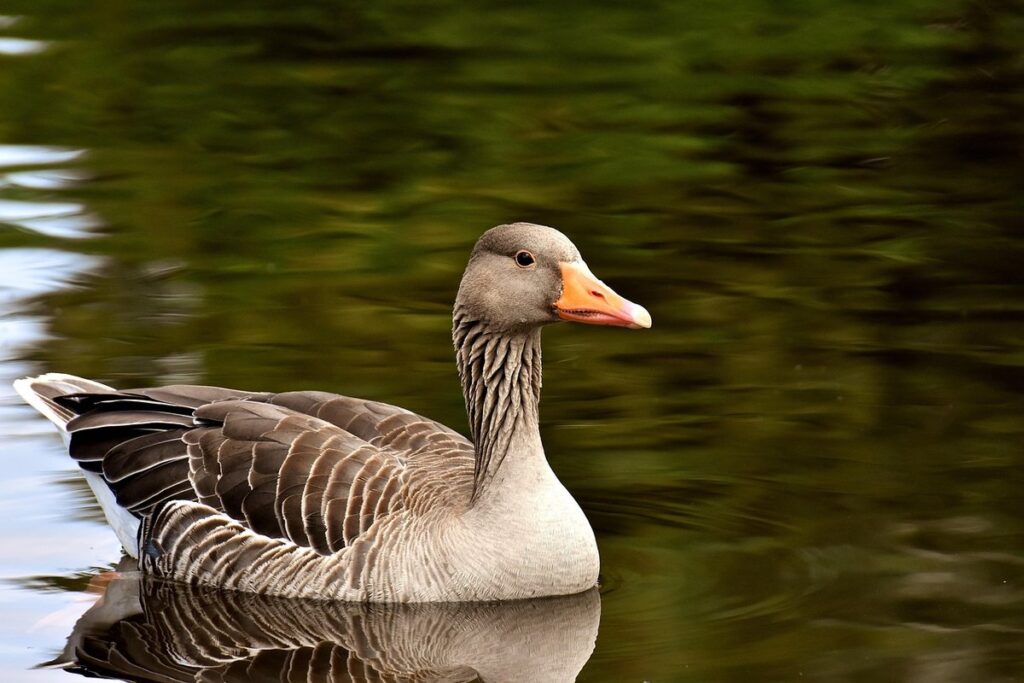
One of the most striking features of the American Buff Goose is its unique buff-colored plumage. This breed boasts a beautiful golden-brown coat with a subtle sheen, making it a standout among other waterfowl species. The buff coloration can range from a light cream to a rich, honey-like hue, depending on individual birds.
The feathers themselves are soft and smooth to the touch, providing excellent insulation against the elements. The texture is particularly noteworthy in mature birds, where the plumage takes on a slightly wavy pattern that adds depth and character to its overall appearance.
In terms of patterns, American Buff Geese tend to display a subtle mottling effect on their breasts and bellies, giving them an attractive, multi-dimensional look. This subtle patterning is a result of the interaction between individual feathers, creating a natural, effortless beauty that’s hard to resist.
Head Shape, Beak Size, and Other Distinctive Features
The American Buff goose is easily distinguishable from other breeds due to its unique physical characteristics. One of the most notable features is its beak size, which is relatively small compared to other geese species. This is not just a visual distinction but also plays a crucial role in their feeding behavior. The smaller beak allows them to forage for food more efficiently, particularly in areas with dense vegetation.
Their head shape is another distinct feature that sets the American Buff apart from others. They have a distinctive ‘dish’ face, characterized by a rounded forehead and a short, broad beak. This facial structure not only adds to their charm but also reflects their gentle nature. Their feathers are also worth mentioning – they come in various shades of buff, with some birds exhibiting a darker or lighter hue.
In terms of size, the American Buff goose is generally smaller than other geese breeds, with males weighing around 8-10 kg and females at about 7-9 kg. These physical attributes not only make them visually appealing but also contribute to their unique behavior and social dynamics within flocks.
Behavior and Temperament
American buff geese are known for their strong personalities, so let’s dive into what makes them tick and how to understand their unique behavior and temperament. You’ll learn how to identify potential issues and promote a happy, well-adjusted bird.
Social Structure and Communication
Social structure is essential for geese, as they thrive in flocks. American Buff geese are no exception, and their social behavior plays a crucial role in their overall well-being. These birds form strong bonds with their fellow geese, often developing long-term relationships that can last throughout their lives.
In fact, studies have shown that geese are capable of recognizing individual members within their flock and forming close associations. For instance, a mother goose will often stay loyal to her goslings, caring for them until they reach maturity. Similarly, a dominant male goose may form close bonds with his mates, working together to defend their territory against predators.
Communication is key to maintaining these social structures. American Buff geese utilize a range of vocalizations and visual cues to convey information to each other. They honk loudly to alert others to potential threats or to signal excitement, while softer murmurs are often used for more subtle communication. By paying attention to your goose’s behavior and vocalizations, you can better understand their needs and establish strong relationships.
To foster a harmonious social environment, it’s essential to provide your American Buff geese with adequate space to roam and interact with each other. A minimum of two geese per enclosure is recommended, as they require the company of their own kind to thrive. By offering them suitable living conditions and attention to their social needs, you can help ensure a happy and healthy flock.
Feeding Habits and Diet
When it comes to feeding habits and diet, American Buff Geese are relatively easy to please. In their natural habitat, they forage for grasses, aquatic plants, and grains, making them opportunistic grazers. However, as domesticated birds, their diet can be tailored to meet specific nutritional needs.
In captivity, a balanced diet should consist of high-quality commercial goose feed, supplemented with fresh fruits and vegetables. It’s essential to provide a mix of protein sources, such as mealworms or crickets, to maintain optimal health. Avoid overfeeding, as this can lead to obesity and related health issues.
A key aspect to consider is the American Buff Goose’s tendency to develop fatty liver syndrome if fed too much fat-rich foods. To prevent this, stick to a diet rich in fiber and moderate amounts of protein. Fresh water should always be available, and regular feeding schedules can help maintain a healthy digestive system. Providing a varied diet will not only ensure your goose stays healthy but also keeps it engaged and stimulated.
Handling and Training
When it comes to handling and training an American Buff goose, it’s essential to approach them with patience, consistency, and a gentle touch. These birds are known for their friendly nature, but they can also be quite strong-willed, making it crucial to establish clear boundaries from the start.
To begin, get your geese accustomed to human interaction by offering treats and spending quality time with them in a safe, enclosed area. As you build trust, gradually introduce handling techniques such as lifting their wings, legs, or gently scooping them up. Start with short sessions and gradually increase the duration.
Training an American Buff goose requires positive reinforcement, so be sure to reward desired behavior with treats and praise. For example, if your geese learn to walk alongside you on a leash without pulling, be sure to give them plenty of rewards and attention. With consistency and patience, you can develop a strong bond with your geese and teach them valuable behaviors that will make their lives – and yours – easier and more enjoyable.
Health Considerations and Care
When it comes to owning an American Buff Goose, proper health care is crucial for a long and happy life. This section will cover essential tips on maintaining their overall well-being.
Common Health Issues
As an American Buff Goose owner, it’s essential to be aware of the common health issues that can affect this breed. One of the most prevalent problems is respiratory issues, which can be caused by the goose’s large size and feathered lungs. You may notice signs such as labored breathing, wheezing, or coughing, especially after exercise or in hot weather.
Another issue to watch out for is obesity, which can lead to other health problems like diabetes, joint issues, and heart disease. Regular feeding management and ensuring your goose gets enough exercise are crucial to maintaining a healthy weight. Keep an eye out for changes in appetite, lethargy, or difficulty walking.
It’s also essential to monitor your American Buff Goose for signs of injury or illness, such as limping, swelling, or discharge from the eyes or nose. Regular veterinary check-ups can help identify potential issues early on, and a well-maintained environment with clean water and adequate space can also contribute to overall health and wellbeing.
Regular vaccinations and parasite control measures should also be taken to prevent diseases like avian influenza and mites.
Nutrition and Diet Plans
Providing the right nutrition is essential for maintaining the overall health of your American Buff goose. Geese are herbivores and require a diet rich in fiber and nutrients from plants. A good starting point is to offer a mix of fresh hay, grasses, and leafy greens like kale and spinach.
In addition to these staple foods, you can supplement with fruits, vegetables, and grains like oats and barley. However, it’s essential to limit or avoid giving your goose certain foods, such as avocado, onions, and garlic, which can cause digestive issues. Also, steer clear of giving table scraps or processed foods, as they are often high in salt, sugar, and unhealthy fats.
A balanced diet for your American Buff goose should include a minimum of 80% grass and hay, with the remaining 20% consisting of fruits, vegetables, and grains. You can also consider providing treats like sunflower seeds and mealworms, which provide essential nutrients and minerals. Always ensure fresh water is available at all times to keep your goose hydrated.
Housing and Environmental Needs
When it comes to housing and providing a suitable environment for your American Buff Goose, you’ll want to consider several factors. First and foremost, these birds require ample space to move around. A minimum of 2-3 square feet per bird is recommended, but larger enclosures with more space are always better.
In terms of climate control, American Buff Geese are sensitive to extreme temperatures. They prefer temperatures between 40°F and 80°F (4°C and 27°C), making them well-suited for temperate climates. However, if you live in an area with harsh winters or scorching summers, you’ll need to provide shelter from the elements.
Sanitation is also crucial when it comes to housing your American Buff Goose. Their coop should be equipped with a secure roof, ventilation system, and easy-clean nesting boxes. Additionally, their enclosure should have adequate drainage to prevent water accumulation and subsequent health issues. By prioritizing space, climate control, and sanitation, you’ll create a happy and healthy living environment for your bird.
Raising and Breeding American Buff Geese
If you’re interested in raising these beautiful birds, learn how to properly care for them from gosling stage through breeding, to ensure their health and happiness. We’ll cover the essentials of raising American Buff Geese successfully.
Choosing Breeders and Obtaining Eggs or Goslings
When it comes to starting your American Buff Goose journey, choosing reputable breeders is crucial for obtaining healthy goslings. Look for breeders who specialize in American Buff Geese and have a good reputation within the avian community. You can ask for referrals from friends or online forums, check with local poultry associations, or search for breeders on websites like Poultry Club of America or American Bantam Association.
When purchasing eggs or goslings, ensure they are from a reputable breeder who follows proper hygiene and health protocols. Inspect the eggs for any visible cracks, cleanliness, and label them correctly to prevent misidentification. For goslings, look for signs of good health, such as shiny feathers, active behavior, and clear eyes. Make sure you receive all necessary documentation, including vaccination records and a bill of sale.
Before bringing your new additions home, take the time to understand their specific needs, such as diet, habitat, and social requirements. This will ensure a smooth transition for both you and the goslings, setting them up for a happy and healthy life with their new flock.
Rearing Goslings and Young Geese
When it comes to rearing goslings and young geese, the first few weeks of life are crucial for their development. As a responsible goose breeder, providing the right care and attention during this period will set them up for a healthy and happy life.
For starters, feeding is essential for growth and development. Goslings require a diet rich in protein to support their rapid growth rate. A starter feed specifically formulated for waterfowl should be introduced at around 4-5 days old. Supplementing with cracked corn or oats can also provide additional nutrition. However, it’s crucial to avoid overfeeding, as this can lead to digestive issues.
Vaccinations are also vital during this period. Consult a veterinarian experienced in waterfowl care to determine the best vaccination schedule for your goslings. This will help protect them against diseases such as avian cholera and blackhead.
Socialization is equally important, especially if you’re raising multiple goslings together. Introduce them to their surroundings gradually, starting with short periods of supervised time outdoors. Be sure to provide a safe and secure enclosure to prevent escapes or injuries. By following these simple steps, you’ll be well on your way to rearing strong, healthy goslings that will grow into magnificent American Buff Geese.
Mating and Breeding Strategies
When it comes to breeding American Buff geese, understanding the intricacies of mating and reproductive health is crucial for success. A well-planned mating strategy can help you preserve the breed’s genetic integrity while also ensuring a healthy brood.
Start by selecting suitable mates based on genetics, temperament, and conformation. It’s essential to choose ganders that are free from inherited diseases and have desirable traits such as robustness, feather quality, and color intensity.
To encourage successful breeding, provide a stimulating environment with adequate space, nutritious feed, and regular exercise. Monitor the birds’ reproductive health closely, checking for signs of stress or illness that can impact fertility.
The ideal breeding season for American Buff geese is spring to early summer, when temperatures are mild and daylight hours are longest. During this period, keep pairs separated until about 10-14 days before egg-laying is expected, allowing them to bond and build a strong relationship.
Maintain a stable environment with adequate shelter, clean water, and nutritious feed throughout the breeding cycle. Regularly monitor both gander and goose for signs of health issues or stress that may impact fertility and reproductive success.
Conclusion: The American Buff Goose as a Companion and Hobbyist Breed
As you’ve learned all about the history, behavior, and care of the American Buff goose, it’s now time to explore its unique potential as a companion animal. Whether for hobbyists or families, these birds have much to offer.
Why Choose the American Buff Goose?
If you’re looking for a loyal companion that’s sure to bring joy and excitement to your life, the American Buff goose is an excellent choice. One of its most appealing qualities is its friendly nature, which makes it an ideal breed for families with children or for those who want a low-maintenance pet that will still provide plenty of affection.
Their unique characteristics set them apart from other breeds, making them highly versatile and adaptable to different living situations. For instance, they are excellent foragers and can thrive in small backyards or even on farms, as long as they have access to fresh water and adequate shelter. Their intelligence and curious nature also make them easy to train, allowing you to teach them tricks and commands with minimal effort.
As a companion breed, the American Buff goose forms strong bonds with its owners, providing a sense of companionship and friendship that’s hard to find elsewhere. They’re relatively low-maintenance pets that require regular exercise and social interaction but are generally easy to care for.
Final Thoughts on Care and Ownership
As you’ve now gained valuable insights into the American Buff goose’s rich history, unique characteristics, and specific care requirements, it’s essential to reinforce key takeaways from this comprehensive guide. Caring for an American Buff goose is a significant responsibility, but with dedication and proper attention, these magnificent birds can thrive in your company.
To ensure their well-being, remember that regular veterinary check-ups are crucial, especially during the first year of life when they’re most susceptible to diseases. Also, don’t underestimate the importance of providing adequate space for exercise and mental stimulation – a minimum of 10 square feet per bird is recommended. Additionally, consider the social needs of American Buff geese; they can form strong bonds with their human caregivers, so be prepared to invest time in building trust and strengthening your relationship.
By heeding these guidelines and being mindful of their specific needs, you’ll be well on your way to establishing a fulfilling partnership with your American Buff goose.
Frequently Asked Questions
Can I raise American Buff geese with other waterfowl breeds?
Yes, American Buff geese are known to be social birds that can thrive when raised with other waterfowl breeds. However, it’s essential to research compatible species and introduce them slowly to ensure a harmonious flock dynamic.
How long does it take for an American Buff goose to mature?
American Buff geese typically reach maturity at around 6-8 months of age, but they may continue to grow and develop physically until they are 1-2 years old. This means that owners should plan for a longer-term commitment when bringing home a young gosling.
Can I keep American Buff geese in urban areas?
While American Buff geese can adapt to various environments, they do require regular exercise and space to roam. Urban areas with small backyards or limited outdoor spaces may not be suitable for these birds. Before bringing an American Buff goose into your life, ensure you have a safe and suitable environment for it to thrive.
How often should I provide fresh water and food for my American Buff geese?
American Buff geese need access to clean, fresh water at all times. Provide a sufficient supply of water and feed according to their age, size, and activity level. Aim to refresh their water daily and provide 1/4 to 1/2 pound of feed per bird per day.
Can I breed American Buff geese without prior experience in poultry husbandry?
Breeding American Buff geese requires knowledge and expertise in poultry management. It’s recommended that new owners gain hands-on experience with raising goslings or working with experienced breeders before attempting to breed their own flock. This ensures the health, well-being, and genetic diversity of your birds are prioritized.