
If you’re an avid chicken enthusiast or just starting to build your backyard flock, you may have heard about Ancona hens. These charming birds are known for their exceptional egg-laying abilities and unique characteristics. But did you know that Ancona eggs come in a variety of colors? From the classic brown to the more exotic blue and green, each color has its own meaning and implications for your flock’s health and performance.
If you’re looking to optimize your breeding program or simply want to learn more about these fascinating birds, understanding Ancona egg colors is crucial. In this article, we’ll delve into the unique characteristics of different egg colors, provide tips on how to choose and breed the right hens for optimal results, and share expert advice on caring for your flock to ensure their overall health and performance. By the end of this post, you’ll be equipped with the knowledge to make informed decisions about your Ancona flock.
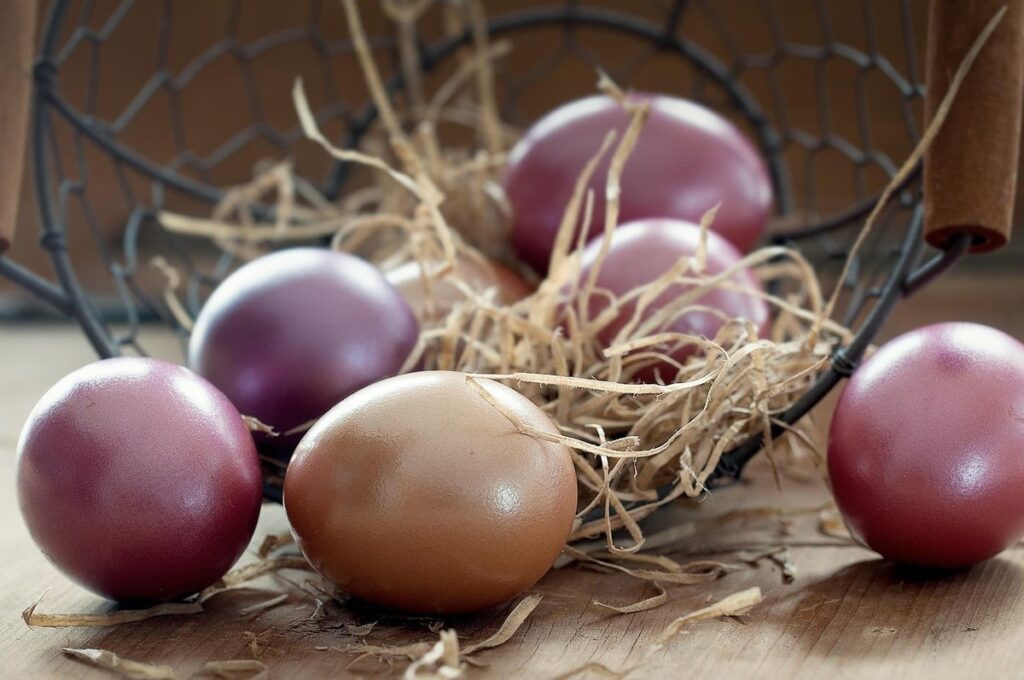
Characteristics of Ancona Eggs
Ancona eggs are known for their unique characteristics, which set them apart from other egg varieties. Let’s take a closer look at what makes these eggs so special.
Unique Color Variations
Ancona eggs are renowned for their striking color palette, which is often attributed to the breed’s Mediterranean origins. One of the most distinctive aspects of Ancona eggs is their unique color variations, which make each egg a one-of-a-kind treasure.
Some Ancona eggs display a gorgeous marbled pattern, with swirling shades of brown, gray, and blue merging together in intricate designs. Others showcase a beautiful speckled or freckled effect, adding an extra layer of visual interest to the already-beautiful eggshell. What’s truly fascinating is that each egg’s coloration is as unique as a fingerprint – no two eggs are ever identical.
When it comes to collecting Ancona eggs for decorative purposes, it’s essential to appreciate their one-of-a-kind quality. To enhance your display, consider pairing light-colored eggs with dark-colored nesting boxes or vice versa, allowing the colors to pop against contrasting backgrounds.
Breeding and Genetics
The unique egg colors and patterns seen in Anconas are largely influenced by breeding and genetics. Breeders of this Italian breed have selectively bred for specific traits over the centuries, resulting in a wide range of egg color variations. The genetic makeup of individual birds plays a significant role in determining their eggshell color.
When it comes to eggshell pigmentation, there are two primary genes at play: E and F. The E gene controls the production of oocyanin, responsible for blue-green pigment, while the F gene influences the presence or absence of porphyrins, which contribute to brown and yellow tones. Anconas can inherit one or both of these genes from their parents, resulting in various combinations that give rise to distinct eggshell colors.
To achieve specific egg color traits, breeders must carefully select breeding pairs based on their genetic profiles. For instance, a breeder wanting to produce blue eggs might pair two birds with the E gene but lacking the F gene. By manipulating these genetic factors, breeders can influence the production of certain eggshell pigments and create unique, desired colors in Ancona hens.
Impact on Egg Laying Performance
When it comes to egg laying performance, many backyard chicken keepers and breeders want to know if certain egg colors or patterns affect the frequency or quantity of eggs laid by Ancona hens. Research suggests that there is no direct correlation between egg color or pattern and egg laying performance in Anconas.
However, some studies have shown that certain health issues can be linked to specific egg traits. For example, internal laying (where an egg is laid inside the hen’s body) has been observed more frequently in hens laying blue eggs. This condition can lead to reduced egg production and even organ damage if left untreated.
To ensure optimal egg laying performance in your Ancona flock, it’s essential to maintain a healthy environment, provide adequate nutrition, and monitor for any signs of health issues. Regular check-ups with a veterinarian and proper management practices can help prevent internal laying and other related problems. By doing so, you can promote a strong and productive flock that thrives in various egg colors.
Ancona Egg Color Meanings
Let’s dive into the fascinating world of Ancona egg color meanings, where we’ll explore what each beautiful hue reveals about your hens’ health and characteristics. This section will break it all down for you!
What Do Different Colors Mean?
When it comes to Ancona eggs, their colors can be a good indicator of a hen’s overall health and well-being. The eggshell color is not just aesthetically pleasing but also holds significance.
Blue eggs are often associated with hens that have a diet rich in iron, as the iron content influences the pigment formation. Green or blue-green eggs, on the other hand, indicate an increase in copper levels within the hen’s body. This can be due to eating plants high in copper, such as certain types of algae.
Cream-colored eggs are more common and do not necessarily indicate any specific health condition. They simply result from a lack of intense pigment formation during the laying process.
Some factors that may influence eggshell color include diet, environmental conditions, and individual hen characteristics. Keep an eye on your hens’ overall behavior and diet to ensure they’re receiving a balanced mix of nutrients. If you notice any changes in egg colors over time, take it as a sign to reassess their living environment and adjust their diet accordingly.
Understanding Brown vs. White Eggs
When it comes to Ancona egg colors, one of the most common questions we receive is about the difference between brown and white eggs. While some may assume that these egg color variations are simply a matter of personal preference, there are actually some notable differences when it comes to nutritional content, taste, and other factors.
In terms of nutritional content, studies have shown that eggs from hens with dark feathers or eggshells (such as Ancona chickens) tend to have higher levels of omega-3 fatty acids, vitamins A and E, and beta-carotene. These antioxidants can provide numerous health benefits for consumers, including improved heart health and reduced inflammation.
On the other hand, white eggs may be lower in these nutrients due to their lighter shell coloration. However, this does not necessarily mean that white eggs are less nutritious overall. In fact, some studies have found that white eggs from hens raised on pasture or with access to high-quality feed can be just as nutritious as brown eggs.
Ultimately, the decision between brown and white eggs comes down to personal preference and individual needs. If you’re looking for a nutrient-dense egg option, consider opting for brown eggs from Ancona chickens. However, if you’re concerned about cost or simply prefer the taste of white eggs, there’s no need to worry – both options can be healthy choices in moderation.
Possible Health Indicators
While there’s no conclusive evidence to prove that egg color is a direct indicator of an Ancona chicken‘s health, some owners and breeders have reported associations between certain colors and potential health issues. For instance, blue eggs are often linked to higher levels of antioxidant-rich pigments like biliverdin, which can be a sign of the hen’s immune system working overtime.
Some owners claim that blue egg layers tend to have stronger immune systems due to their higher concentration of antioxidants. However, it’s essential to note that these claims are largely anecdotal and require further scientific investigation. White eggs, on the other hand, may indicate lower antioxidant levels or potentially even health issues related to liver function.
It’s also worth noting that egg color can be influenced by factors such as diet, environment, and genetics. To keep your Ancona hens healthy and ensure their eggs are a vibrant color, focus on providing them with a balanced and nutritious diet rich in fruits, vegetables, and whole grains.
Be aware of any unusual changes in your flock’s egg-laying habits or appearance. If you notice a sudden shift in egg color or an increase in blue or greenish tint, it may be worth investigating further to rule out potential health concerns. Consult with a veterinarian if you have any questions or concerns about the health and well-being of your Ancona hens.
Choosing an Ancona for Your Flock
When it comes time to add an Ancona to your flock, there are several factors to consider to ensure you bring home a bird that fits your needs and complements your existing flock. This can be just as important as choosing the right egg color!
Selecting Based on Egg Color
When selecting an Ancona hen based on egg color, it’s essential to consider what you’re looking for in terms of appearance. If you want eggs with a specific hue or pattern, you’ll need to research the characteristics of different breeds and roosters within the Ancona flock.
The American Bantam Association recognizes several egg colors among Anconas, including white, light brown, dark brown, pink, blue, olive green, and speckled. If you’re set on having a specific color or pattern, consider what breeds are known to produce those characteristics. For example, if you want blue eggs, look for hens with roosters from the Araucana breed, as they carry the gene responsible for this trait.
Another option is to select based on the genetic probability of producing certain egg colors. If you choose two Anconas with different egg color-producing genes, their offspring may have a higher chance of laying eggs in your desired color. However, keep in mind that predicting exact results can be challenging due to the complexity of genetics involved.
Factors to Consider Beyond Egg Color
When choosing an Ancona for your flock, egg color is just one aspect to consider. As you narrow down your selection, keep in mind that temperament and feather quality are equally important factors.
Temperament-wise, Anconas are known for being friendly and docile, making them a great addition to family farms or homesteads with children. However, some lines can be more skittish than others, so observe the birds’ behavior during your selection process. If you’re planning to integrate new birds into an existing flock, consider an Ancona’s ability to get along with other breeds.
In terms of feather quality, Anconas are often prized for their sleek and glossy plumage. Look for birds with even coloring, minimal matted feathers, and a well-defined sheen. Feather quality can impact the bird’s overall health and longevity, so don’t overlook this aspect when selecting an Ancona for your flock.
Consider these factors in conjunction with egg color to ensure you’re bringing home an Ancona that will thrive and contribute positively to your farm or homestead.
Integrating Anconas into Your Flock
When introducing Ancona hens to an existing flock, it’s essential to do so gradually and under close supervision. This will allow you to observe the behavior of both the new additions and the established birds, ensuring a smooth transition.
Begin by placing the Anconas in a separate enclosure or aviary for a few days before integrating them into the main coop. This ‘quarantine’ period allows the birds to become familiar with their new surroundings without the stress of an immediate introduction.
When introducing the Anconas to the flock, start with visual introductions by allowing both groups to see and smell each other through a fence or divider. Once they seem comfortable, it’s time for a supervised meet-and-greet in a neutral area.
For example, if you’re integrating 3-4 new hens into an existing flock of around 10-12 birds, make sure the introduction takes place in a spacious area where the birds can move freely without feeling confined.
Health Implications of Ancona Egg Colors
If you’re concerned about the health implications of your eggs, it’s essential to understand how egg color can affect their nutritional value and potential allergenicity. Let’s dive into the possible effects on human health.
Links to Nutrition and Diet
Research suggests that Ancona egg colors may be influenced by the breed’s diet and nutritional intake. While the exact relationship between egg color and nutrition is not fully understood, several studies indicate a potential correlation.
In chickens, dietary xanthophylls (yellow and orange pigments) can affect egg yolk color. Xanthophylls are commonly found in plants such as alfalfa and marigold petals. Therefore, Ancona hens fed these types of foods may lay eggs with darker yellow or orange yolks.
On the other hand, lutein and zeaxanthin – carotenoid pigments abundant in leafy greens like spinach and kale – can enhance egg yolk color intensity and depth. These nutrients are also beneficial for chicken health, suggesting a potential nutritional benefit of incorporating them into an Ancona’s diet.
To explore this connection further, breeders can experiment with feeding different diets to their hens and monitoring the resulting egg colors. This trial-and-error approach may provide valuable insights into how nutrition affects Ancona egg coloration.
Disease Prevention and Treatment
When collecting eggs from your Ancona flock, it’s not just about the number of eggs laid but also their color and pattern. While egg colors are primarily a matter of genetics, certain hues or patterns can serve as indicators for underlying health issues that require attention.
For instance, pale or washed-out egg yolks may be a sign of a diet lacking in essential nutrients like omega-3 fatty acids, vitamins A and E, or beta-carotene. To address this issue, ensure your Ancona hens are fed a balanced feed that includes these nutrients. You can also supplement their diet with flaxseed or chia seeds to boost omega-3 levels.
On the other hand, eggs with visible bloodspots or meatlines may indicate internal parasites like worms or coccidiosis. In such cases, it’s crucial to have your flock regularly tested for these issues and take prompt action if any problems are detected.
Regular egg color observation can be a valuable tool in maintaining the overall health of your Ancona flock.
Managing Health Issues in Your Flock
As an Ancona flock owner, it’s essential to be aware of potential health issues related to egg color or pattern. Some breeds are more prone to certain health problems due to genetic factors, and early recognition can make a significant difference in the quality of life for your hens.
Keep an eye out for signs of reproductive tract problems, such as irregular ovulations, egg-binding, or prolapse, which can be linked to egg coloration. Regular check-ups with a veterinarian will help identify any potential issues before they become severe.
Maintain clean and well-ventilated coop conditions to reduce the risk of respiratory problems, which can be triggered by dust, ammonia buildup, or mold growth. A balanced diet and adequate space per bird also play a crucial role in maintaining overall health.
Regularly inspect your flock for signs of stress, such as changes in egg production, feather loss, or erratic behavior. By being proactive and recognizing potential health concerns early on, you can take steps to address them before they become major issues.
Breeding Programs for Rare Egg Colors
If you’re interested in breeding Ancona hens that lay rare and beautiful egg colors, there are specific programs to explore. We’ll delve into these unique initiatives next.
Overview of Breeding Goals
When it comes to breeding programs for rare egg colors like those found in Ancona chickens, there are several key goals and motivations at play. For breeders, the primary objective is often to produce eggs with unique characteristics that stand out from more common varieties. This might involve creating new color patterns, intensifying existing ones, or even reversing previously dominant traits.
One of the main drivers behind these breeding programs is the desire for diversification in the poultry industry. By introducing rare and exotic egg colors, breeders can offer customers a wider range of choices and increase market demand. This, in turn, can lead to greater revenue streams and improved profit margins for small-scale and commercial operations alike.
For enthusiasts, the pursuit of rare egg colors is often driven by a passion for preserving genetic diversity and exploring the full potential of poultry genetics. By collaborating with other breeders and sharing knowledge, individuals can work together to create new and exciting color patterns that might otherwise remain undiscovered.
Selecting Birds for Breeding
When selecting Anconas for breeding to produce rare egg colors, it’s essential to consider their genetic makeup and performance. You’ll want to choose birds that are not only aesthetically pleasing but also healthy and productive.
To start, evaluate the bird’s pedigree and look for a history of producing desired traits. This can include researching the breeders or owners of the bird’s parents and grandparents to see if they have produced eggs with the desired color. You should also consider the bird’s genetic diversity – a more diverse gene pool will provide a better chance of achieving your breeding goals.
Another crucial factor is the bird’s performance, including its egg-laying capacity, fertility, and overall health. Look for birds that are consistently producing high-quality eggs and have a good hatch rate. Consider their temperament as well – if you plan to breed in a small flock or with other breeds, you’ll want birds that get along well.
By carefully selecting Anconas based on genetic makeup and performance, you’ll increase your chances of success when breeding for rare egg colors.
Potential Challenges and Considerations
When participating in a breeding program focused on rare egg colors like those found in Ancona chickens, there are several potential challenges and considerations to be aware of. First and foremost, finding suitable breeders who specialize in the desired color is crucial. You may need to search extensively online or attend poultry shows to locate reputable breeders willing to part with their prized birds.
Another challenge is ensuring the integrity of your breeding program. With rare egg colors, it’s essential to maintain accurate records of lineage and genetic makeup to prevent genetic contamination. This can be time-consuming but ultimately ensures the health and consistency of your flock.
Additionally, consider the long-term commitment required for a breeding program. Rare egg colors often require patience, as it may take several generations to achieve the desired result. It’s essential to have a clear understanding of your goals and be prepared to make sacrifices in terms of time and resources.
Frequently Asked Questions
Can I breed Anconas to produce a specific egg color, such as blue or green?
Yes, breeding for specific egg colors is possible with careful selection of parents that already possess the desired traits. However, it’s essential to consider the genetic diversity and potential health implications when focusing on a single trait like egg color. Consult reputable breeders or experts in genetics to guide your decisions.
How do I determine if my Ancona hen is laying eggs due to her breed or other factors like diet?
While Ancona hens are known for their exceptional egg-laying abilities, other factors like nutrition and health can influence egg production. Monitor your flock’s overall health, provide a balanced diet, and consider factors like age, lighting, and stress levels when evaluating individual hen performance.
Can I mix Anconas with other breeds to create new colors or improve egg laying?
Hybrid breeding is a complex process that requires careful consideration of genetics, compatibility, and potential outcomes. While mixing breeds can introduce new traits, it also risks diluting desirable characteristics. Research the specific needs and limitations of hybrid breeding before attempting to combine Ancona hens with other breeds.
How do I know if an Ancona hen’s egg color is a sign of good health or poor nutrition?
Eggshell color can be influenced by various factors, including diet, age, and overall health. While some colors may indicate nutrient deficiencies or health issues, others might simply reflect the natural characteristics of the breed. Consult with a veterinarian or poultry expert to determine if any specific egg color changes warrant further investigation.
Can I use Ancona eggs as a starting point for my own breeding program?
While Anconas are renowned for their unique egg colors and excellent laying abilities, establishing your own breeding program requires careful planning, research, and consideration of genetic diversity. Start by building a robust foundation flock with diverse bloodlines, then gradually introduce specific traits like egg color to create a cohesive breeding program.