
When it comes to backyard chickens, many enthusiasts are fascinated by the unique characteristics of their feathered friends’ eggs. For breeders and owners of Ancona chickens, understanding the factors that influence egg color is crucial for optimizing production and quality. But did you know that Anconas’ distinctive egg hue can be a valuable marketing tool? In this article, we’ll delve into the fascinating world of Ancona egg color, exploring the key factors that affect its appearance, from genetics to nutrition. We’ll also discuss how to make the most of your flock’s egg production and create a competitive advantage in the market. Whether you’re an experienced breeder or just starting out, this expert guide will help you unlock the secrets of Ancona egg color and take your poultry business to the next level.
The Basics of Ancona Chickens
Let’s start with the fundamentals: What makes a chicken an Ancona, and what are some key characteristics that set these birds apart from others.
Origin and History
The Ancona chicken breed has its roots in Italy, specifically in the Marche region. The exact origin of this breed is unclear, but it’s believed to have descended from birds brought by Phoenician traders over 2,000 years ago. Over time, local farmers developed the Ancona into a hardy and adaptable bird, well-suited to the Mediterranean climate.
Anconas were highly valued for their egg-laying abilities, producing an average of 200-220 brown eggs per year. They were also prized for their compact size, docile nature, and resistance to disease. In the early 20th century, Ancona chickens gained popularity among backyard chicken keepers in Europe and North America.
As the breed gained recognition, breeders began to develop different strains with varying egg colors, including white, light brown, and dark brown. Today, responsible breeding practices have helped maintain the Ancona’s distinct characteristics while promoting genetic diversity within the breed. This attention to detail is crucial when selecting an Ancona chicken for its egg-laying potential, ensuring you get a bird that meets your expectations in terms of egg color and quantity.
Breed Characteristics
The Ancona chicken is a unique and beautiful breed known for its distinctive physical characteristics. One of the most notable features of this breed is their plumage, which can range from white to black with various shades of brown, gray, or silver. Their feathers are typically smooth and glossy, making them a pleasure to behold.
In terms of size, Ancona chickens are considered medium-sized birds, weighing between 5-7 pounds and standing approximately 22-25 inches tall. They have a compact body shape and a broad chest, which gives them a sturdy appearance. One of the most distinctive features of this breed is their beak, which is small and straight.
Ancona chickens also have a unique comb structure, with a prominent red or salmon-colored comb on top of their head. Their eyes are bright and alert, ranging in color from yellow to gold. Overall, the Ancona chicken’s physical characteristics make them a standout among other breeds, and their egg-laying abilities are just one of the many reasons why they’re so popular among backyard chicken enthusiasts.
Egg Production and Color
Let’s dive into the fascinating world of Ancona egg production, where you’ll discover how these charming chickens produce eggs in a variety of vibrant colors. From whites to browns, we’re excited to share this vital information with you.
Factors Affecting Egg Color
When it comes to the striking beauty of Ancona eggs, several factors contribute to their varied colors. Genetics play a significant role in determining the color and pattern of an Ancona’s eggs. The breed’s genetic makeup predisposes them to laying eggs with specific hues, ranging from pale pink to deep blue-green.
Diet also has an impact on egg color. A balanced diet rich in nutrients like beta-carotene, lutein, and zeaxanthin can enhance the intensity of the egg yolk color. For instance, supplementing their feed with marigold flowers or alfalfa meal can boost the beta-carotene levels, resulting in a deeper orange-yellow yolk.
Environmental conditions such as light exposure, temperature, and humidity also influence egg color. Exposure to natural sunlight can cause eggs to darken due to the breakdown of pigments. To minimize this effect, it’s essential to provide shade or use UV-filtering windows in the coop. By understanding these factors, you can create an optimal environment for your Anconas, promoting healthy and vibrant egg-laying.
To fine-tune the color of your Ancona eggs, consider providing a mix of red and yellow vegetables like tomatoes, carrots, and sweet potatoes in their feed. This will not only enhance the yolk color but also provide essential nutrients for overall health.
Understanding Ancona Egg Colors
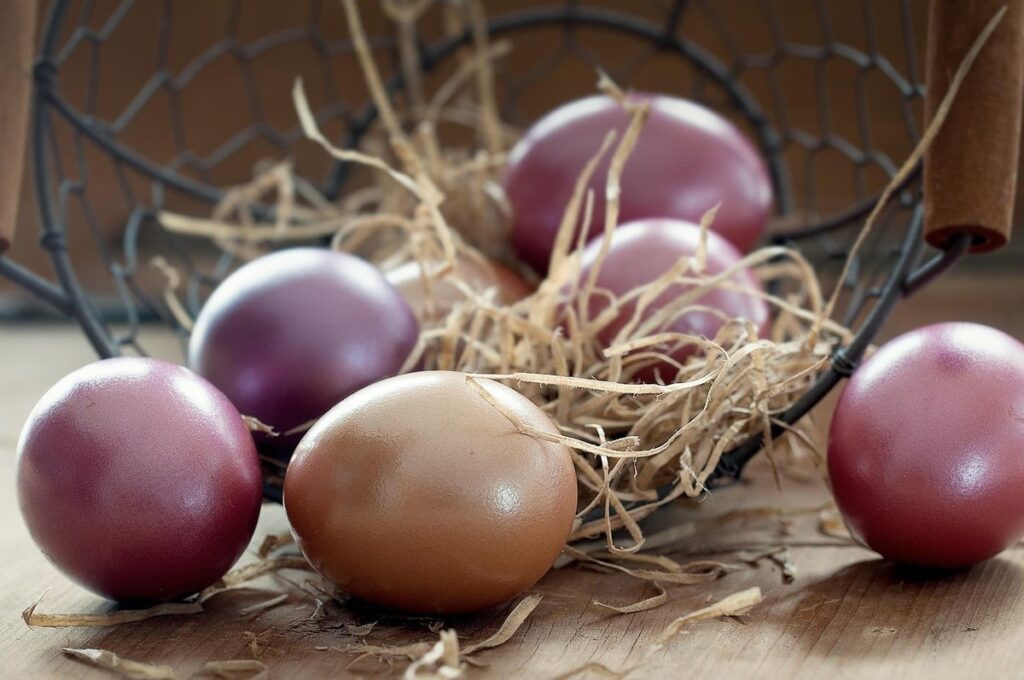
Ancona hens are known for laying eggs in a variety of beautiful shades, ranging from light brown to deep blue. The most common egg colors produced by Anconas are brown and blue, which can be further classified into different shades based on their intensity.
To identify the egg color, look at the shade’s tone and saturation level. For instance, eggs with a pale, creamy tint are often referred to as ‘light’ or ‘pale’ brown, while those with a rich, dark hue are labeled as ‘dark’ or ‘chocolate’ brown. Blue eggs can range from a light sky blue to a deep navy shade. Some breeds of Anconas may also lay eggs with subtle speckles or marbling.
Egg color is largely influenced by genetics and nutrition, so providing your Ancona hens with a balanced diet rich in fruits, vegetables, and grains will promote healthy egg production and desirable colors. While some breeders intentionally select for specific egg colors, it’s essential to remember that natural variations can occur even within the same flock. By understanding these differences, you’ll be better equipped to recognize and appreciate the unique characteristics of your Ancona hens’ eggs.
Importance of Egg Color
When it comes to Ancona chickens, egg color can be a crucial factor in determining your flock’s overall health and fertility. Let’s explore why egg color matters for these birds.
Nutrition and Health Benefits
When it comes to the nutritional benefits of Ancona eggs, one key aspect to consider is the potential impact of their diverse diet on the nutritional content. Unlike factory-farmed chickens that are often fed a single type of feed, Anconas have access to a varied diet that may include omega-3 enriched feed or insects.
This diversity in diet can result in eggs with higher levels of certain nutrients, such as omega-3 fatty acids and antioxidants. Omega-3s, for instance, are essential for heart health and brain function, and research suggests that consuming eggs rich in these fatty acids may lower the risk of cardiovascular disease. Moreover, the consumption of eggs from hens fed insects has been linked to higher levels of certain micronutrients like iron and zinc.
If you’re considering raising Anconas or purchasing their eggs, keep in mind that their diverse diet is a significant factor contributing to their nutritional value. While the exact nutrient content can vary depending on factors such as feed quality and hen health, incorporating Ancona eggs into your diet may offer several potential health benefits.
Marketing and Sales Considerations
When it comes to marketing and sales strategies for Ancona eggs, understanding the importance of egg color can make all the difference. As a producer or farmer specializing in this breed, you likely cater to niche markets that value unique characteristics such as distinctive shell colors.
Marketing teams often overlook the significance of egg color in sales pitches, but it’s an essential aspect when targeting specific customer segments. For instance, some customers may be drawn to the rich brown hue of Ancona eggs, associating it with higher nutritional quality or sustainability. Conversely, others might prefer the lighter shades, considering them more visually appealing.
To capitalize on these preferences, incorporate egg color into your marketing efforts. Develop targeted campaigns highlighting the distinct colors and their associated benefits. Utilize social media platforms to showcase vibrant images of your Ancona eggs, emphasizing their individuality. By leveraging the unique characteristics of your product, you can differentiate yourself in a crowded market and attract customers seeking specialty items. This approach will not only enhance sales but also foster brand loyalty among discerning consumers.
Care and Management Tips
To ensure you get the most out of your Ancona hens, here are some essential care and management tips for keeping their egg-laying habits healthy and consistent.
Nutrition and Health
To ensure your Ancona hens produce high-quality eggs with optimal coloration, it’s essential to provide them with a balanced diet rich in nutrients. A good starting point is to offer a layer-specific feed that contains the necessary protein and calcium for strong eggshell production. However, you can also supplement their diet with fruits, vegetables, and grains.
A key nutrient to focus on is omega-3 fatty acids, which promote healthy skin, feathers, and reproductive systems. You can add flaxseeds or chia seeds to their feed or provide them with leafy greens like kale or spinach. Additionally, ensure access to fresh water at all times to prevent dehydration and maintain egg quality.
Maintaining a clean and stress-free environment is also crucial for optimal health and egg production. Regularly check the coop for any signs of pests, mold, or mildew, and ensure adequate ventilation to prevent ammonia buildup. By providing your Anconas with proper nutrition and care, you can maximize their egg-laying potential while ensuring the quality and vibrancy of their eggs.
Housing and Environmental Considerations
When it comes to housing and environmental considerations for Anconas, it’s essential to provide them with a suitable living space that meets their specific needs. Anconas are large birds, so they require ample space to move around comfortably. A minimum of 2-3 square feet per bird is recommended, but ideally, you should aim for 4-5 square feet or more if possible.
Proper ventilation is also crucial to prevent ammonia buildup from the droppings. Make sure your coop has adequate airflow by installing windows or vents that can be opened to allow fresh air to circulate. Lighting is another vital aspect of an Ancona’s living environment. They need a balance of natural and artificial light, so ensure their coop receives plenty of sunlight during the day and install LED lights that mimic natural daylight.
When setting up your Ancona’s housing, remember to provide perches, roosting bars, and nesting boxes according to their specific needs. A well-ventilated coop with adequate space, proper lighting, and comfortable resting areas will help maintain a healthy environment for your birds and contribute to the richness of their egg color.
Breeding for Desired Traits
Breeding Anconas for desired egg colors requires a clear understanding of genetics and careful planning to achieve consistent results. Let’s explore the strategies breeders use to select for specific eggshell hues.
Selective Breeding
Selective breeding is a crucial process in poultry farming that enables breeders to improve desirable traits such as egg color, size, and quality. By carefully selecting individuals with the desired characteristics, breeders can enhance the overall performance of their flock. In the context of Ancona chickens, selective breeding has played a significant role in developing various egg colors.
For instance, breeders may focus on selecting hens that lay eggs with vibrant blue or green shells, which are prized for their unique appearance. To achieve this, they might examine the genetic makeup of individual birds and choose those that have inherited the desired traits from their parents. This targeted selection process ensures that future generations of Anconas will exhibit improved egg coloration.
To implement selective breeding effectively, breeders should prioritize accurate record-keeping and data analysis. By tracking the performance of individual birds, they can identify trends and patterns that help inform their selection decisions. Furthermore, a thorough understanding of genetics and poultry nutrition is essential for making informed choices about which birds to breed together.
Genetic Considerations
When it comes to breeding Anconas for desired egg colors, genetic factors play a significant role. The genetics of egg color are complex and influenced by multiple genes working together. For example, the interaction between the OCA2 gene and other regulatory elements can determine the amount and distribution of melanin in the eggshell, which affects its color.
Genetic selection can be a double-edged sword when it comes to breeding for desired traits. On one hand, selecting for specific egg colors can help breeders achieve consistent results and meet market demand. However, there is also a risk of introducing undesirable genetic traits that may not become apparent until later generations.
To mitigate these risks, breeders should carefully consider the genetic makeup of their birds and prioritize breeding individuals with balanced genotypes. This approach can help minimize the introduction of unintended consequences while still achieving desired egg colors. For instance, if you’re aiming to breed Anconas with a specific blue eggshell color, look for birds that carry the necessary genes but also have a robust and diverse genetic profile.
Conclusion: Choosing Anconas for Your Flock
Now that you’ve learned more about Ancona egg color, it’s time to consider bringing these unique birds into your flock. Here are some key points to keep in mind when choosing Anconas for your farm.
Factors to Consider
When choosing Ancona chickens for your flock, it’s essential to consider several factors to ensure you’re getting the right birds for your needs. First and foremost, think about the egg color you want – Anconas are known for their pale brown eggs, but some may lay blue or green eggs as well.
Consider the temperament of the breed: Anconas are friendly, curious, and energetic birds that require regular exercise and attention. They’re also relatively quiet, making them a great choice for backyard flocks in urban areas. Another key point to consider is their egg-laying ability – Anconas are prolific layers, producing an average of 200-250 eggs per year.
Before bringing home your new feathered friends, research local laws and regulations regarding backyard chickens. You’ll also want to think about the size of your flock and the space available for the birds to roam. Finally, consider the cost of purchasing and maintaining Ancona chickens – they’re generally a more affordable option than other breeds, but you may need to factor in additional costs for feed and supplies.
To help you make an informed decision, here’s a quick checklist:
• Egg color: Do you want pale brown, blue, or green eggs?
• Temperament: Are you looking for friendly, curious birds that require regular exercise?
• Egg-laying ability: Do you need chickens that will produce a high volume of eggs?
• Local regulations: Have you checked local laws and regulations regarding backyard chickens?
• Flock size and space: Will you have enough room in your yard for multiple Ancona chickens?
Final Tips and Recommendations
When bringing Ancona hens into your flock, it’s essential to understand their specific needs and characteristics. To maximize egg production and quality, prioritize a nutritious diet that includes high-quality layer feed, supplemented with fresh fruits and vegetables whenever possible.
Make sure to provide adequate space for your Anconas to roam freely, as they require regular exercise to maintain healthy joints and overall well-being. Aim for at least 8-10 square feet of space per bird inside the coop, and a securely fenced area outside where they can engage in physical activity.
Regular health checks are also crucial to prevent disease and injury. Keep an eye out for signs of stress or discomfort, such as changes in appetite or egg production. Maintain clean living conditions by regularly cleaning the coop and removing soiled bedding material.
By following these guidelines and adapting to your flock’s specific needs, you can expect a consistent supply of high-quality eggs from your Ancona hens.
Frequently Asked Questions
Can I use Ancona egg color as a marketing tool even if I’m not planning to sell eggs directly?
Yes, you can leverage the unique characteristics of your flock’s eggs as a value-added service or unique selling point for your backyard chicken business. Consider offering “farm-to-table” experiences or creating social media content showcasing the beauty and uniqueness of your Ancona eggs.
How do I determine if my Anconas are producing the best possible egg color?
Factors like nutrition, health, and genetics all play a role in determining the quality and appearance of your flock’s eggs. Ensure you’re providing a balanced diet, maintaining good flock health, and selecting for desirable traits through selective breeding to optimize egg color.
Can I use supplements or additives to enhance the egg color of my Anconas?
No, while certain nutrients can affect egg color, relying on supplements or additives is not a reliable or sustainable way to achieve desired results. Focus on providing a well-rounded diet and healthy living conditions for your flock to promote optimal egg production and quality.
How do I store and handle Ancona eggs to preserve their unique color?
Store your Ancona eggs in a cool, dry place, ideally between 32°F and 40°F (0°C and 4°C), to maintain their quality. Handle the eggs gently to prevent damage, which can cause discoloration or other issues.
Can I crossbreed my Anconas with other breeds to create new egg color variations?
Yes, selective breeding is a powerful tool for creating desirable traits in your flock. However, be aware that crossing different breeds can also introduce new health considerations and may not necessarily guarantee the desired egg color results.