
Are you a backyard farmer or homesteader looking to add some unique charm to your flock? Look no further than the Appenzeller Spitzhauben chicken breed. Hailing from the Appenzell region in Switzerland, this enchanting bird has been a prized possession for centuries due to its striking appearance and distinct personality.
With their striking crested topskirts and gentle demeanor, it’s no wonder why many families have fallen in love with the Appenzeller Spitzhauben. But before you bring one home, you’ll want to know more about this breed’s rich history, temperament, and unique characteristics. In this article, we’ll delve into what makes the Appenzeller Spitzhauben so special, from its origins to its egg-laying abilities and friendly nature, making it an ideal choice for families and small-scale farmers looking to start or expand their backyard flock.
Origin and History of the Appenzeller Spitzhauben
The origins of the Appenzeller Spitzhauben date back to the 17th century, when they were bred in Switzerland’s picturesque Appenzell region. Let’s delve into their fascinating history together!
Early Beginnings in Switzerland
The Appenzell region in Switzerland is where the Appenzeller Spitzhauben’s story begins. In the 17th century, farmers in this picturesque area developed a chicken breed that could thrive in the harsh, mountainous climate. The breed was designed to be hardy and adaptable, with a focus on producing high-quality eggs.
To create the ideal bird for their needs, local farmers selectively bred chickens that were already present in the region. They favored birds with distinctive characteristics such as crested heads, upright tails, and robust builds. These traits served them well in withstanding the elements and performing well on limited resources.
The breed’s development was a collaborative effort between local farmers who shared knowledge and best practices. Through generations of selective breeding, they produced a bird that could not only survive but also thrive in the challenging conditions of the Appenzell region. This early history set the stage for the Appenzeller Spitzhauben’s reputation as a resilient and resourceful chicken breed.
Breeding and Development Efforts
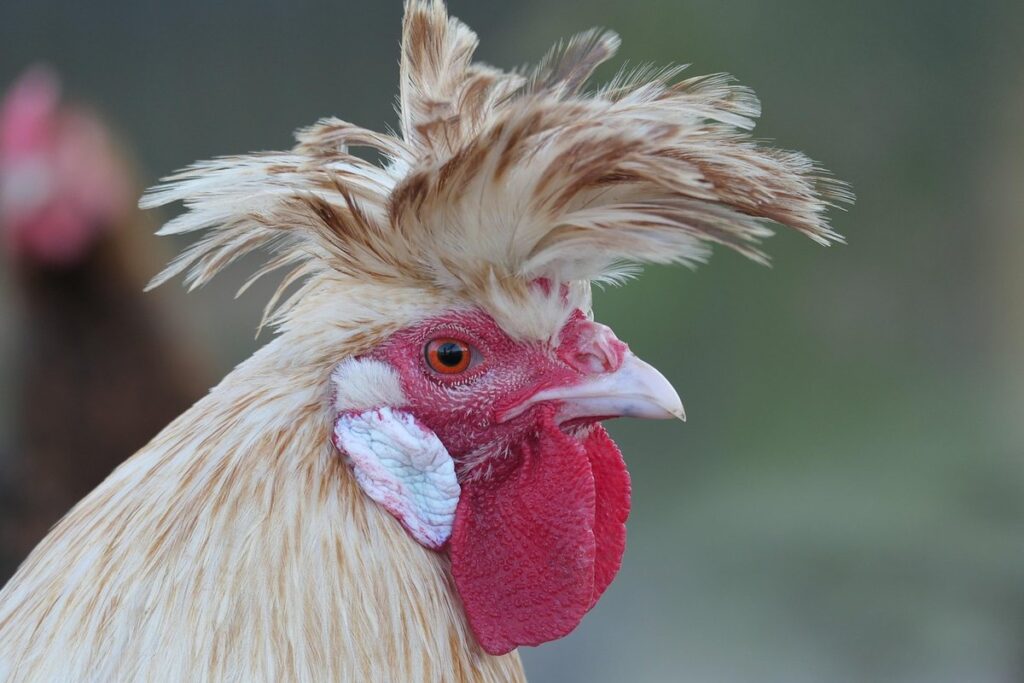
In the 16th century, Swiss farmers embarked on a mission to create a unique and resilient chicken breed that could thrive in their mountainous terrain. The Appenzeller Spitzhauben was born out of these breeding efforts, showcasing exceptional characteristics that allowed it to adapt to the harsh climate. One of its defining features is its striking crest, which is thought to have originated as a natural adaptation to protect its eyes from snow and wind.
The breed’s unique traits also include its crested head feathers, rose comb, and long, slender legs. Its ability to forage efficiently in cold weather conditions made it an ideal choice for Swiss farmers who needed a hardy bird that could withstand the harsh winters. By selectively breeding these traits, Swiss farmers were able to develop a breed that not only excelled in its natural environment but also became an iconic symbol of the region’s rich agricultural heritage.
Through careful selection and breeding over several centuries, the Appenzeller Spitzhauben has become a testament to the ingenuity and perseverance of Swiss farmers.
Physical Characteristics of the Appenzeller Spitzhauben
When it comes to identifying an Appenzeller Spitzhauben, understanding its distinctive physical characteristics is key. Let’s take a closer look at what sets this breed apart from others.
Size and Weight
When it comes to size and weight, Appenzeller Spitzhauben chickens are relatively compact, making them a great choice for backyard flocks. On average, hens typically weigh around 4-5 pounds (1.8-2.3 kg), while roosters usually tip the scales at around 6 pounds (2.7 kg). Their medium-sized bodies, coupled with their striking appearance, make them a standout in any coop.
One notable feature of Appenzeller Spitzhauben chickens is their unique head shape and crest. They have a distinctive tuft of feathers on top of their heads, which can vary in size depending on the individual bird. This crest adds to their charm and makes them easily recognizable as members of this breed.
It’s worth noting that some owners have reported that Appenzeller Spitzhaubens tend to be more petite than other breeds, so if you’re planning to keep multiple breeds together, it’s essential to consider their size to ensure harmonious coexistence.
Plumage and Feathers
The Appenzeller Spitzhauben’s distinctive plumage patterns are one of its most striking features. This breed is known for its vibrant colors and unique markings, which vary depending on the individual bird. The most common colors found in this breed include white, black, red-brown, and gold, often in combination with intricate stripes or patches.
One of the hallmarks of the Appenzeller Spitzhauben’s plumage is its “spangle” pattern, characterized by small, rounded spots on the neck and breast. This feature gives the breed a distinctive, almost ornate appearance. Additionally, many birds will display a subtle sheen to their feathers, which catches the light in certain angles.
When selecting an Appenzeller Spitzhauben for your flock, be sure to look closely at its plumage patterns. While color and pattern can vary widely, the breed’s overall appearance should be one of elegance and refinement. With proper care and attention, these stunning birds are sure to be a highlight of any backyard flock.
Temperament and Personality of the Appenzeller Spitzhauben
When it comes to temperament, these birds are known for being friendly, outgoing, and curious, making them a joy to interact with in the yard. But how do they behave when left alone?
Friendly and Affectionate Nature
One of the most endearing qualities of the Appenzeller Spitzhauben is its extremely friendly and affectionate nature. This breed has a strong desire for human interaction and will often seek out attention from their owners. They are known to be quite vocal, making a variety of sounds to communicate with you, whether it’s to let you know they’re hungry or just want some pets.
They thrive on attention and will follow you around the yard, often standing by your side as you work in the garden or tending to other chores. If left alone for extended periods without proper socialization, they can become destructive due to boredom and loneliness. However, with regular interaction and training, they are relatively low-maintenance pets that make great companions.
In addition to their affectionate nature, Appenzeller Spitzhaubens are also known to be gentle and non-aggressive towards people, making them an excellent choice for families with children. With proper care and attention, this breed can form strong bonds with its owners, providing years of enjoyable and loving companionship.
Intelligence and Trainability
One of the most striking characteristics of the Appenzeller Spitzhauben is its exceptional intelligence. This breed is renowned for its problem-solving abilities and curious nature, making it an absolute joy to work with. Owners often report that their Appenzellers can figure out how to open latches, doors, and even manipulate tools to get what they want.
However, this high level of intelligence also means that the breed requires consistent training and mental stimulation to prevent boredom and destructive behavior. With patience and positive reinforcement, owners can easily teach their Appenzellers to perform tricks, obey commands, and even help with simple tasks like egg collection.
To effectively train an Appenzeller Spitzhauben, focus on creating a fun and engaging learning environment that rewards curiosity and exploration. Offer a variety of toys and puzzles to keep them stimulated, and incorporate regular training sessions into their daily routine. With time and practice, you’ll find your Appenzeller to be one of the most loyal and trainable breeds out there.
It’s also worth noting that Appenzellers are known to be fiercely independent and can sometimes be resistant to change or new situations. However, with gentle guidance and consistent training, they can learn to trust and adapt to new environments, making them an excellent choice for experienced chicken keepers who value intelligence and trainability in their flock.
Health and Nutrition of the Appenzeller Spitzhauben
When it comes to keeping your Appenzeller Spitzhaubens healthy, a balanced diet is just one part of the equation. Proper nutrition sets these birds up for optimal health and well-being throughout their lives.
Common Health Issues
As with any chicken breed, the Appenzeller Spitzhauben is not immune to certain health issues. One of the most significant concerns for this breed is its susceptibility to Marek’s disease, a viral infection that can cause a range of symptoms from weight loss and lethargy to paralysis and death. Regular vaccination and strict biosecurity measures can help mitigate this risk.
In addition to infectious diseases, the Appenzeller Spitzhauben may also be prone to genetic disorders such as gout, a condition caused by excessive uric acid buildup in the joints, leading to painful swelling and arthritis. Feeding a balanced diet rich in antioxidants and omega-3 fatty acids can help reduce this risk.
Another issue that may affect the Appenzeller Spitzhauben is reproductive problems, particularly egg binding and fertility issues. To minimize these risks, ensure your flock has access to adequate calcium, vitamin D, and protein, and maintain a healthy weight through regular exercise and nutrition. Regular health checks with a veterinarian can also help identify potential issues early on.
It’s essential for breeders and owners to monitor their flocks closely and take proactive steps to prevent or manage these conditions, ensuring the overall well-being of their Appenzeller Spitzhaubens.
Dietary Requirements
Appenzeller Spitzhaubens have specific dietary requirements that are crucial for their overall health and well-being. As an owner of this unique breed, it’s essential to provide them with a balanced diet that meets their nutritional needs.
These birds require a high-quality layer feed as their primary source of nutrition, particularly during the laying season. However, it’s also vital to supplement their diet with fresh fruits, vegetables, and calcium-rich foods to prevent deficiencies. A good rule of thumb is to offer a variety of leafy greens like kale and spinach, along with carrots and sweet potatoes.
One crucial aspect of an Appenzeller Spitzhauben’s diet is the need for adequate protein. As egg layers, they require a higher protein intake compared to other breeds. To ensure this, owners can provide them with mealworms or crickets as a treat, in addition to their regular feed.
Some owners also swear by adding probiotics and omega-3 supplements to their flock’s diet, which has shown positive effects on egg production and overall health.
Breeding and Raising Appenzeller Spitzhaubens
Breeding and raising Appenzeller Spitzhaubens requires a deep understanding of their unique characteristics, temperaments, and needs. In this section, we’ll walk you through the essential steps to successfully breed and raise these lovely birds.
Finding a Reputable Breeder
Finding the right breeder is crucial when it comes to bringing home an Appenzeller Spitzhauben. A responsible breeder will not only provide you with a healthy and well-socialized bird but also offer invaluable advice on caring for your new pet.
To start, research potential breeders by word of mouth or online directories like the American Bantam Association (ABA) or the Appenzeller Spitzhauben Club. Reach out to other owners in your area to learn about their experiences with local breeders. Look for breeders who are transparent about their breeding practices and provide health guarantees.
Some red flags include breeders who prioritize profit over animal welfare, charge exorbitant prices, or have a large number of birds in cramped conditions. A reputable breeder will typically have a small, well-maintained flock and be willing to answer your questions about the bird’s ancestry, temperament, and any potential health issues. Don’t be afraid to ask for references or visit their farm before making a decision.
Caring for Baby Chicks
Caring for baby chicks is an essential aspect of raising Appenzeller Spitzhaubens. When you bring home a batch of newly hatched chicks, it’s crucial to provide them with the right environment and care for optimal growth and development.
Firstly, ensure that their housing meets their needs. Baby chicks require a warm and draft-free space, ideally maintained between 90-100°F (32-38°C) for the first few days. You can use heat lamps or ceramic heat emitters to achieve this temperature. Keep in mind that you’ll need to gradually lower the temperature as they grow, aiming for around 70-80°F (21-27°C) by week four.
Proper nutrition is also vital. Feed a high-quality starter feed specifically formulated for baby chicks. Provide fresh water at all times, and ensure that it’s readily available in a clean and easily accessible location. It’s recommended to provide grit supplements as well, especially if you’re not using a starter feed with grit already included.
Monitor your baby chicks’ health closely, keeping an eye out for signs of illness such as labored breathing, lethargy, or diarrhea. Consult a veterinarian experienced in poultry care if you notice any unusual symptoms. Regularly clean their living space and replace bedding to prevent the spread of disease.
Showing and Exhibiting Appenzeller Spitzhaubens
If you’re interested in competing with your Appenzeller Spitzhauben at local shows, understanding the breed standard and exhibition rules is crucial for success. Familiarizing yourself with these guidelines will ensure a positive experience.
Preparing for Shows
Preparing for shows requires attention to detail and a solid understanding of what makes an Appenzeller Spitzhauben stand out. Grooming is a crucial aspect of preparing your bird for the ring. Start by ensuring their plumage is clean, well-groomed, and free from dirt or debris. This includes trimming any overgrown feathers around the vent, beak, and eyes. A well-maintained coat will make your Spitzhauben look its absolute best.
In addition to grooming, training is essential for showing success. Socialization from an early age is vital in helping your bird become comfortable with people and their environment. You’ll want to teach your Appenzeller Spitzhauben to walk on a leash, stand calmly, and respond to basic commands. This will not only make the show experience less stressful but also help you showcase your bird’s unique personality.
When preparing for shows, it’s essential to familiarize yourself with breed standards and judge preferences. Research the specific requirements for Appenzeller Spitzhauben in terms of size, feather texture, beak shape, and overall appearance. This knowledge will enable you to make informed decisions about grooming and training your bird, ultimately giving you a competitive edge at the show.
Show Rules and Regulations
When participating in shows and exhibitions with your Appenzeller Spitzhauben, it’s essential to familiarize yourself with the rules and regulations governing these events. The American Bantam Association (ABA) and the Appenzeller Spitzhauben Club of North America (ASCNA) are two prominent organizations that establish guidelines for showing this breed.
To compete, you’ll need to ensure your bird meets specific standards, including weight, plumage quality, and conformation. For example, hens must weigh between 1.9 and 2.5 pounds, while roosters should tip the scales at 2.2 to 3 pounds. Additionally, exhibitors are expected to provide accurate documentation of their bird’s ancestry, health records, and any relevant testing.
When preparing for a show, review the breed standard carefully and make adjustments accordingly. Consider seeking guidance from experienced breeders or mentors if you’re new to showing. By understanding and adhering to these rules and regulations, you’ll be better equipped to showcase your Appenzeller Spitzhauben’s unique qualities and characteristics.
Conclusion: Why Keep an Appenzeller Spitzhauben?
Now that you’ve learned all about the Appenzeller Spitzhauben’s unique characteristics and needs, it’s time to consider whether this breed is right for your flock. We’ll explore the benefits of keeping an Appenzeller Spitzhauben.
Unique Characteristics and Traits
One of the most compelling reasons to keep an Appenzeller Spitzhauben is its unique set of characteristics and traits that make it stand out from other chicken breeds. For instance, these birds are known for their striking appearance, with a predominantly white plumage featuring distinctive black spots on the head and neck. This attractive look not only adds visual appeal to your backyard but also helps identify them as part of your flock.
Beyond their looks, Appenzeller Spitzhauben are celebrated for their exceptional egg-laying abilities. They can produce up to 200 large, brown eggs per year, making them an excellent choice for families and small-scale farmers looking to supplement their protein intake or sell eggs at local markets. Their high fertility rate ensures that a significant percentage of these eggs will hatch successfully if you decide to incubate them.
Another notable trait of the Appenzeller Spitzhauben is its robust health profile. They are generally disease-resistant, which reduces the need for antibiotics and medications in your flock. This characteristic alone makes them an attractive choice for small-scale farmers who prioritize natural, chemical-free farming practices. Their adaptability to various climates also extends their geographic range and allows them to thrive in diverse environments.
If you’re looking to raise Appenzeller Spitzhauben on your family farm or in your backyard, consider the following when selecting birds:
• Look for individuals with a strong feathering pattern, as this can impact their ability to regulate body temperature.
• Choose birds from reputable breeders who prioritize health and genetics.
• Be prepared to invest time in socializing these birds, as they can be quite active and require regular exercise.
By understanding the unique characteristics of the Appenzeller Spitzhauben, you can better appreciate why this breed is such a valuable addition to any flock or family farm.
Frequently Asked Questions
What are the ideal living conditions for an Appenzeller Spitzhauben flock, especially in a small backyard setting?
The Appenzeller Spitzhauben is adaptable to various climates, but they do require adequate space and shelter. For a small backyard flock, provide at least 2-3 square feet of outdoor space per bird and ensure access to a secure coop with proper ventilation. Consider the breed’s Swiss origins and provide shade and protection from harsh weather conditions.
How can I integrate an Appenzeller Spitzhauben into my existing flock, especially if they’re not yet laying eggs?
Introducing a new breed to your flock requires patience and careful planning. Start by keeping the Appenzeller Spitzhaubens separate until they begin laying eggs, which usually occurs between 18-24 weeks of age. Then, gradually introduce them to your existing flock under close supervision to prevent stress and aggression.
What are some common health issues I should be aware of when raising Appenzeller Spitzhaubens?
Appenzeller Spitzhaubens are generally hardy birds, but they can be prone to respiratory issues due to their unique crest. Regular cleaning of the coop, providing adequate ventilation, and ensuring good air quality can help prevent these issues. Additionally, monitor your flock for signs of disease and consult a veterinarian if you notice any unusual behavior or symptoms.
How do I ensure that my Appenzeller Spitzhauben is getting enough nutrition, especially during breeding and laying seasons?
A balanced diet is crucial for the health and productivity of your Appenzeller Spitzhaubens. Provide a high-quality layer feed that meets their nutritional needs, supplemented with fresh fruits and vegetables. During breeding and laying seasons, consider adding calcium-rich foods to support eggshell production.
Can I breed my own Appenzeller Spitzhauben flock, or should I seek out a reputable breeder?
While it’s possible to breed your own flock, seeking the guidance of an experienced breeder is recommended, especially if you’re new to chicken breeding. A reputable breeder can provide valuable insights and ensure that your birds are healthy and true to the breed standard.