
If you’re raising backyard chickens, you might be interested in learning about the benefits of adding apple cider vinegar to their diet. Not only can it improve their health and fertility, but it’s also a natural way to promote digestion and immunity in your flock. However, with so many products on the market claiming to offer the best dosages for chicken care, it can be overwhelming to know where to start.
In this article, we’ll explore the optimal dosage of apple cider vinegar for chickens, including the pros and cons of using it as a supplement. We’ll also delve into safety considerations and provide tips on how to incorporate it effectively into your flock’s routine. By the end of this post, you’ll have a clear understanding of how to use apple cider vinegar safely and beneficially in your chicken care regimen.
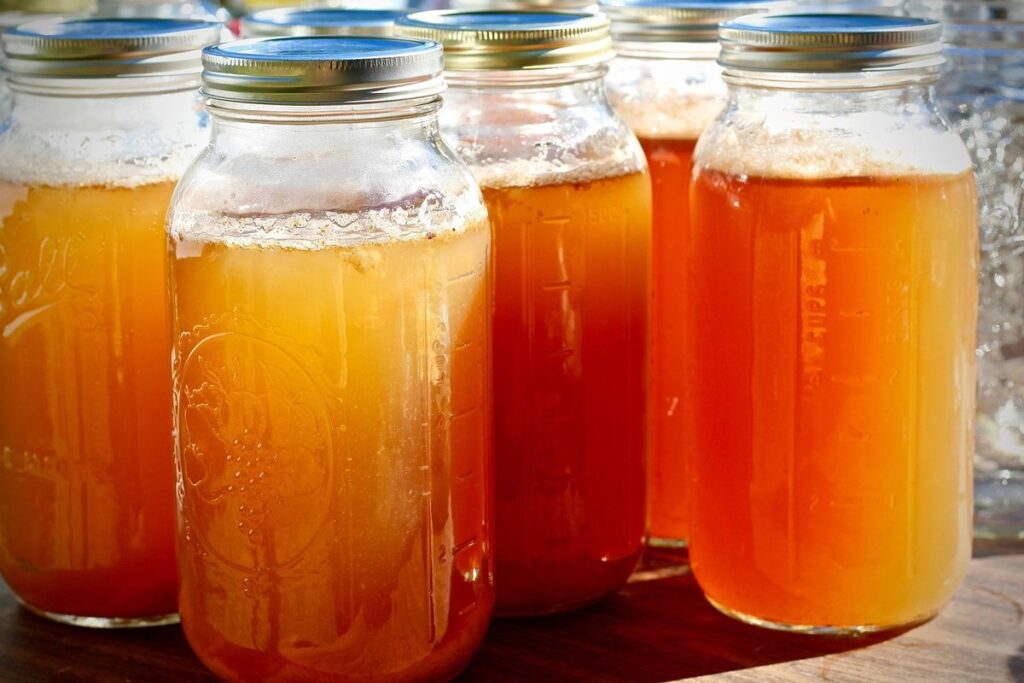
Benefits and Precautions of Using Apple Cider Vinegar for Chickens
When using apple cider vinegar for your flock, it’s essential to be aware of both its benefits and potential drawbacks to ensure you’re providing the best care possible for your chickens. Here are some key things to consider.
Introduction to Apple Cider Vinegar in Poultry Care
Apple cider vinegar (ACV) has been gaining popularity in recent years as a natural remedy for various health issues affecting chickens. While its use is not new, the growing interest among backyard chicken enthusiasts and small-scale farmers is attributed to the rising awareness of holistic approaches to poultry care.
Studies have shown that ACV can help maintain a balanced gut microbiome in birds, which is crucial for their overall health and well-being. For instance, research conducted by Dr. Temple Grandin found that adding ACV to chicken feed reduced stress and improved egg production. Similarly, expert opinions from poultry specialists like Joel Salatin suggest using ACV as a natural probiotic to enhance gut health.
Many chicken keepers have successfully incorporated ACV into their flock’s care routine with positive results. To get started, it’s recommended to start with a small amount (about 1 tablespoon per gallon of water) and gradually increase the dosage based on individual bird needs. Remember to always dilute ACV in water before giving it to your chickens, as undiluted vinegar can be harsh on their digestive system.
Potential Risks and Contraindications of Using ACV
While apple cider vinegar can be a wonderful addition to your chicken’s diet, it’s essential to acknowledge potential risks and contraindications. Interactions with medications are a concern – for instance, if your chickens are taking antibiotics or antifungals, excessive ACV consumption may interfere with their effectiveness.
Underlying health conditions should also be considered. Chickens with kidney disease, heart problems, or respiratory issues may require careful monitoring when introducing ACV into their diet. Monitor your flock’s behavior and overall health closely for signs of adverse reactions – such as lethargy, labored breathing, or decreased appetite.
Watch out for excessive consumption leading to digestive issues like diarrhea or acidosis. To avoid this, always follow the recommended dosage guidelines and ensure access to fresh water at all times. Keep in mind that individual chickens may respond differently to ACV, so be prepared to adjust your approach as needed based on their unique needs and sensitivities.
Determining the Right Dosage of Apple Cider Vinegar for Chickens
When using apple cider vinegar as a supplement for your flock, determining the right dosage is crucial to avoid overexposure and ensure its benefits are maximized. This section will walk you through the steps to find the perfect balance for your chickens.
Understanding the Importance of Dilution Ratios
When it comes to using apple cider vinegar (ACV) for chickens, one of the most critical factors to consider is dilution ratios. Undiluted ACV can be toxic to chickens, causing digestive issues and even respiratory problems if ingested or inhaled.
To avoid this risk, it’s essential to dilute ACV with water before offering it to your flock. A common starting point for safe dilution ratios is 1 part ACV to 16 parts water. For example, mixing one tablespoon of ACV with a gallon of water provides a gentle introduction to its benefits while minimizing the risk of toxicity.
Some chicken keepers prefer more diluted concentrations, such as 1:32 or even 1:64, especially for chickens that are new to ACV or have sensitive digestive systems. As you experiment with different ratios, observe your flock’s response and adjust accordingly.
Remember, it’s always better to err on the side of caution when introducing a new supplement like ACV into your chicken care routine. Start with small amounts and gradually increase as needed, while closely monitoring your chickens’ behavior and health.
Calculating the Correct Amount of ACV per Gallon of Water
When it comes to calculating the correct amount of ACV for your flock, several factors come into play. The age and size of your chickens are crucial considerations, as they will impact their individual needs.
Start by determining the total volume of water you’ll need for your flock. A general rule of thumb is to provide at least 1 gallon of water per 3-4 birds. Once you have this amount, it’s time to calculate the ACV dosage. As a starting point, mix 1 teaspoon of apple cider vinegar (ACV) with 1 quart of water for small flock members and young chickens. For larger birds or adult chickens, increase the ratio to 2 teaspoons per gallon of water.
Consider individual needs as well. Some chickens may require more ACV due to health issues or specific dietary requirements. For example, if you have a chicken prone to respiratory problems, you may want to increase the dosage by half a teaspoon per gallon. Always monitor your flock’s response and adjust accordingly. It’s also essential to choose an unfiltered, raw apple cider vinegar with the “mother” intact for optimal benefits.
You’ll need to recalculate the ACV dosage every time you provide fresh water. For small flocks or in emergency situations, pre-mixing ACV with a large quantity of water can be helpful – just store it safely and use within 24 hours.
Using Apple Cider Vinegar for Specific Chicken Health Issues
If your chicken is struggling with a specific health issue, such as respiratory problems or parasite infestations, apple cider vinegar may be just what you need to get them back on track. We’ll explore how to use it effectively in these situations.
Digestive Health and Acidity Balance
Maintaining a healthy digestive system is crucial for chickens to absorb essential nutrients from their feed. Apple cider vinegar (ACV) can play a vital role in promoting digestive health and balance pH levels in chickens. The acidity in ACV helps create an environment that’s favorable for beneficial probiotics, which are essential for a strong immune system.
Some examples of beneficial probiotics that can thrive with the help of ACV include Lactobacillus and Bifidobacterium species. These good bacteria help break down food particles, aiding in nutrient absorption and reducing the risk of digestive issues. Prebiotics, such as inulin and pectin, also benefit from the acidic environment created by ACV. They act as a food source for probiotics, allowing them to proliferate and maintain a healthy gut microbiome.
To incorporate ACV into your flock’s diet, start by adding 1-2 tablespoons per gallon of water or feed. Monitor your chickens’ response and adjust the dosage as needed.
Immune System Support and Antimicrobial Properties
When it comes to maintaining healthy chickens, supporting their immune system is crucial. Apple cider vinegar (ACV) has been found to possess antimicrobial properties that can aid in this process. Research suggests that the acidity and polyphenol content in ACV make it effective against various pathogens, including E. coli and Salmonella.
Studies have demonstrated that ACV can inhibit the growth of these bacteria, helping to prevent infections and promote a healthy gut environment (1). This is particularly important for chickens, as they are susceptible to gastrointestinal diseases. By incorporating ACV into their diet or water, you can help boost your flock’s immune system and reduce the risk of illness.
When using ACV to support immune function in your chickens, it’s essential to note that a 5% acidity level is optimal for antimicrobial effects (2). Ensure you’re providing your birds with sufficient ACV to reap its benefits without risking adverse reactions. A general rule of thumb is to mix 1-2 tablespoons of ACV per gallon of water or feed according to individual needs and health status.
Keep in mind that while ACV can be beneficial, it should not replace regular veterinary care or a balanced diet. Consult with your veterinarian before making any changes to your flock’s regimen.
Preparing Apple Cider Vinegar Solutions for Chickens
When using apple cider vinegar for your flock, it’s essential to prepare the right solution to avoid over-diluting its medicinal properties. Learn how to create a perfect ACV solution for your chickens’ specific needs.
Tips for Making a Homemade ACV Solution
When it comes to making homemade ACV solutions for your chickens, you have several options. Apple cider vinegar is the most commonly used type of vinegar due to its gentle nature and ease of availability. To make a basic solution, mix 1-2 tablespoons of apple cider vinegar per gallon of water in a spray bottle or bucket. You can adjust this ratio as needed based on your chickens’ individual needs.
Choose a high-quality, unfiltered apple cider vinegar that contains the “mother” – a cloudy substance at the bottom of the bottle – which indicates the presence of beneficial bacteria and probiotics. This type of vinegar is usually more expensive than filtered varieties but offers greater health benefits for your flock.
For long-term storage, transfer the ACV solution to an airtight container or plastic bottle and store it in a cool, dark place. Label the container with the date and contents, and check the solution regularly for spoilage or mold growth.
Commercial ACV Products: Pros and Cons
When it comes to using apple cider vinegar (ACV) for chickens, many owners opt for commercial products specifically designed for poultry. These products offer convenience and consistency, but they also have their drawbacks. On the positive side, commercial ACV products are formulated with specific pH levels and concentrations that cater directly to a chicken’s digestive system, reducing the risk of over-acidification or under-acidification. They often come with clear instructions on dosages and usage rates, making it easier for owners to administer.
However, there are some key differences between commercial ACV products and homemade solutions. Commercial products may contain added preservatives or flavor enhancers that can be detrimental to your flock’s health in the long run. Moreover, relying solely on commercial products can lead to a lack of understanding about the actual benefits and effects of ACV on chickens. It’s essential for owners to strike a balance between using commercial products and creating their own homemade solutions, taking into account factors like dietary needs, age, and breed of the chicken. This approach will allow you to tailor your flock’s ACV treatment to their unique requirements.
Monitoring and Adjusting Dosage Based on Chicken Response
When it comes to using apple cider vinegar for your chickens, monitoring their response is key. You’ll need to adjust the dosage accordingly based on their individual needs and reactions.
Signs of Improvement or Adverse Reactions
As you monitor your flock’s response to apple cider vinegar, it’s essential to recognize signs of improvement and potential adverse reactions. Common indicators of a positive response include increased egg production, improved plumage, and enhanced overall health. If you notice a decrease in stress levels, as evidenced by calm behavior and reduced feather pecking, it’s likely the ACV is having a beneficial effect.
On the other hand, if your chickens exhibit lethargy, diarrhea, or loss of appetite, it may be a sign that the dosage is too high. Be cautious of sudden changes in droppings quality, as this can indicate an imbalance in gut bacteria. If you notice any adverse reactions, reduce the dosage and monitor closely.
Keep a detailed record of your flock’s response to adjust the dosage accordingly. This will help you establish a safe and effective range for your specific birds. Remember that every flock is unique, so it may take some trial and error to find the optimal dosage. With patience and close observation, you’ll be able to fine-tune the ACV regimen to support the health and well-being of your chickens.
Fine-Tuning the ACV Regimen for Optimal Results
As you start implementing an ACV regimen for your flock, it’s essential to fine-tune the dosage based on individual chicken needs and response. You may find that some birds require more or less vinegar than others, depending on factors like age, breed, health status, and living conditions.
To make adjustments effectively, monitor your chickens’ behavior and physical responses closely. Look for signs of over-exposure, such as lethargy, weight loss, or digestive issues, which may indicate that the dosage is too high. Conversely, if you notice improved digestion, energy levels, and overall health in some birds but not others, it’s likely that the current dose is on the right track.
To fine-tune your regimen gradually, start by adjusting the ACV concentration rather than the amount of water used per bird. For example, try increasing the ratio from 1:8 to 1:5 or even 1:3 for a week or two to assess the response. Observe and record the changes in your flock’s behavior and health, then make further adjustments as needed.
Regularly check for signs of dehydration, especially during hot weather or when introducing ACV suddenly, by monitoring water intake, droppings quality, and overall bird activity.
Safety Considerations and Best Practices for Using Apple Cider Vinegar in Chicken Care
When using apple cider vinegar as a supplement for your flock, it’s essential to consider safe usage guidelines to avoid any potential harm to your chickens. Let’s cover some crucial safety considerations and best practices to keep in mind.
Storage and Handling of ACV Solutions
When working with ACV solutions, it’s essential to store and handle them safely to prevent accidents or contamination. Always keep the solution away from children and pets, as they can accidentally ingest it or contaminate the surrounding area.
Store the ACV solution in a clean, dry place, such as a cupboard or shelf, out of direct sunlight. Make sure the container is tightly sealed after each use to prevent spills and minimize exposure to air, which can cause the acidity level to decrease.
When handling the solution, wash your hands thoroughly with soap and water before and after use. Use a clean measuring cup or spoon to dispense the correct dosage, and avoid touching any surfaces that may come into contact with the solution to prevent cross-contamination.
To further minimize risks, consider using a dedicated container for each ACV solution you prepare, and label it clearly with its contents and concentration level. This will help prevent mixing up different solutions or accidentally ingesting something else.
Regularly inspect your storage area for any signs of leakage or spills, and clean up promptly to maintain a safe environment.
Regulatory Compliance and Labeling Requirements
When using apple cider vinegar (ACV) in commercial chicken operations, it’s essential to be aware of regulatory compliance and labeling requirements. The FDA and USDA regulate the use of ACV as a feed additive or ingredient in animal feed. To ensure compliance, you must follow specific guidelines for labeling, storage, and handling.
Labeling Requirements:
When purchasing ACV for your flock, check the label for compliance with federal regulations. Look for the following information:
• The name and address of the manufacturer
• Net quantity of contents
• Ingredient list (including any additives or preservatives)
• Nutrition facts panel (if applicable)
Non-compliance can result in severe consequences, including fines, recalls, and damage to your reputation. For example, a 2019 FDA inspection of a chicken farm found non-compliant labeling on ACV containers, leading to a $10,000 fine.
To avoid these risks, always purchase ACV from reputable suppliers that adhere to regulatory standards. Verify the label information and store ACV in a clean, dry area away from direct sunlight. By following these guidelines, you can ensure the safe and compliant use of ACV in your chicken care operations.
Frequently Asked Questions
Can I use apple cider vinegar for chickens if they have a pre-existing medical condition?
Before using ACV, it’s essential to consult with a veterinarian to ensure your flock is healthy enough for this supplement. Even though ACV has numerous benefits, certain health conditions may require a different approach or additional precautions. Always prioritize your chickens’ health and safety when introducing new supplements.
What if my chicken doesn’t seem to be responding to the apple cider vinegar treatment?
Don’t worry! This can happen, especially if you’re new to using ACV for chickens. To fine-tune the regimen, monitor your flock closely for 2-3 weeks, taking note of any changes in behavior or health. Adjust the dosage or dilution ratio as needed based on their response. If concerns persist, consult with a veterinarian for personalized advice.
Can I use apple cider vinegar for all types of chickens, including bantams and game birds?
While ACV is beneficial for most chicken breeds, its effects may vary depending on age, health, and size. Bantams and other smaller breeds might require more diluted solutions to prevent digestive issues. For large or mature game birds, adjust the dosage accordingly based on their individual needs and health status.
Is it safe to give apple cider vinegar to chickens while they’re molting?
Yes, ACV can actually be beneficial during this period as it supports immune system function and aids in digestion. However, keep an eye on your flock’s hydration levels since ACV may increase water consumption. Ensure access to clean water at all times, and consider adjusting the dosage if you notice any adverse effects.
Can I use apple cider vinegar for chickens that are lactating or producing eggs?
ACV is generally safe for lactating hens but might need adjustment during peak egg production periods. Monitor your flock closely for signs of stress or digestive upset. For egg-producing birds, consider a slightly reduced dosage to prevent any potential adverse effects on egg quality or yolk color.