
If you’re one of the millions of people raising backyard chickens, there’s probably no greater joy than collecting fresh eggs from your own coop. But have you ever wondered if those eggs are truly safe to eat? With concerns about Salmonella contamination and pesticide exposure on the rise, many backyard chicken owners are left wondering whether it’s worth the risk. In this article, we’ll explore the risks and benefits of consuming eggs from backyard chickens, including how to protect your flock from illness and ensure their health. We’ll also delve into the importance of responsible egg production practices, such as avoiding antibiotic use and minimizing pesticide exposure. By the end of this article, you’ll have a better understanding of what it means for eggs to be truly safe and healthy.
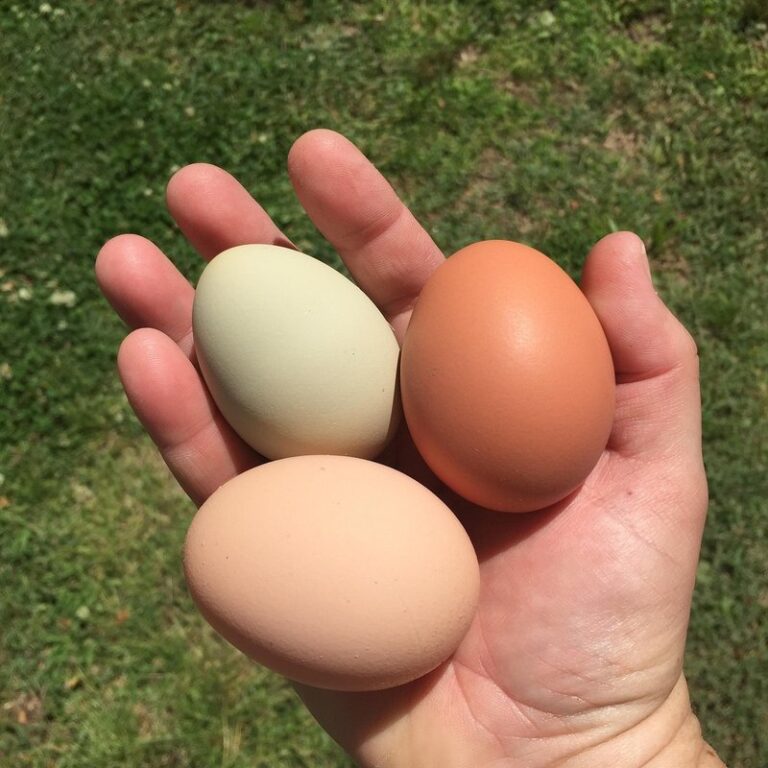
Understanding the Risks and Benefits
Now that we’ve covered the basics of raising backyard chickens, let’s dive into the potential risks and benefits associated with consuming their eggs. This is essential for ensuring your family’s safety and making informed choices about your eggs.
The Nutritional Value of Backyard Chicken Eggs
When it comes to the nutritional value of eggs from backyard chickens, many people are surprised by just how beneficial they can be. Unlike factory-farmed eggs, which may contain added hormones and antibiotics, backyard chicken eggs are often free-range and chemical-free.
One key advantage is the higher levels of omega-3 fatty acids found in these eggs. Omega-3s have been shown to reduce inflammation and improve heart health. In fact, a study published in the Journal of Food Science found that eggs from hens raised on pasture contained 2.5 times more omega-3s than eggs from conventionally raised hens.
Backyard chicken eggs are also rich in vitamins A and E, which play important roles in immune function and antioxidant defenses. In addition to these essential nutrients, backyard chicken eggs often contain a higher amount of antioxidants like lutein and zeaxanthin, which protect the eyes against age-related macular degeneration.
If you’re considering raising your own backyard chickens for egg production, be sure to provide them with access to fresh air, sunlight, and a balanced diet. This will ensure that their eggs are not only safe but also packed with nutrients.
Common Concerns About Backyard Chicken Eggs
Many people have concerns about backyard chicken eggs due to potential health risks and environmental factors. One major concern is Salmonella contamination. According to the Centers for Disease Control and Prevention (CDC), eggs can be contaminated with Salmonella bacteria, especially if not handled or stored properly.
To minimize this risk, it’s essential to follow proper egg-handling practices, such as washing your hands thoroughly before and after handling eggs, storing them in a clean environment, and refrigerating them promptly. You should also ensure that your chickens are healthy and well-cared for, with access to clean water and food.
Another concern is pesticide exposure. If you live near an area where pesticides are regularly used, there’s a risk of these chemicals contaminating the soil and subsequently affecting your chicken’s feed. To mitigate this risk, consider using organic or locally sourced feed options or growing your own vegetables for your chickens.
Additionally, some backyard farmers may be concerned about antibiotic use in their flock. While it’s true that commercial egg farms often use antibiotics to promote growth and prevent disease, there are alternative methods you can employ to keep your flock healthy. These include maintaining a clean coop environment, ensuring proper ventilation, and implementing a vaccination program with the guidance of a veterinarian.
By being mindful of these potential concerns and taking proactive steps to address them, you can produce safe and healthy eggs from your backyard chickens.
The Risk of Salmonella Contamination
One potential risk associated with backyard chicken eggs is contamination from Salmonella bacteria, a common concern for consumers considering fresh, locally produced eggs. Let’s take a closer look at this issue.
How Salmonella Affects Humans
Salmonella contamination can have severe consequences for humans. When ingested, Salmonella bacteria can cause a range of symptoms that may include fever, abdominal cramps, diarrhea, and sometimes vomiting. These symptoms typically develop within 12 to 72 hours after consuming contaminated food.
In some cases, Salmonella infections can lead to complications such as urinary tract infections, bloodstream infections, and reactive arthritis. Pregnant women are also at a higher risk of experiencing serious health issues, including miscarriage, stillbirth, and premature birth, due to Salmonella infection.
Long-term effects of Salmonella contamination may include irritable bowel syndrome (IBS) and chronic gastrointestinal symptoms. According to the Centers for Disease Control and Prevention (CDC), each year in the United States, an estimated 1.2 million people are infected with Salmonella, resulting in around 19,000 hospitalizations and 380 deaths.
To minimize risks associated with Salmonella contamination from backyard chicken eggs, it is essential to handle and store eggs safely. This includes washing hands frequently when handling eggs, keeping eggs refrigerated at a temperature of 40°F (4°C) or below, and cooking eggs thoroughly before consumption.
Reducing the Risk of Salmonella with Proper Handling and Hygiene
When collecting eggs from your backyard chickens, it’s essential to follow proper handling and hygiene practices to reduce the risk of Salmonella contamination. One of the primary ways to minimize this risk is by washing your hands thoroughly with soap and warm water before and after handling eggs. This simple step can significantly reduce the chances of transferring bacteria from your hands to the eggs.
It’s also crucial to keep the egg collection area clean, disinfecting any surfaces that come into contact with the eggs regularly. Make it a habit to collect eggs frequently, ideally at least once a day, to prevent them from sitting in the nesting box for extended periods. This will help maintain cleanliness and reduce the risk of contamination.
When gathering eggs, use a clean, dry container to carry them in, and avoid touching the eggshell or contents. If you need to handle dirty eggs, gently wash them with cold water, making sure not to crack or break them. After washing, dry the eggs thoroughly before storing them in their designated area.
Pesticide Exposure and Backyard Chicken Eggs
Let’s talk about a potential risk of backyard chicken-keeping: pesticides used on lawns can contaminate your chickens’ food, which could end up in their eggs.
The Impact of Pesticides on Egg Safety
When it comes to backyard chicken eggs, one of the key concerns is pesticide exposure. Pesticides can contaminate eggs through a process called bioaccumulation, where chemicals from the environment are absorbed by plants and then transferred to animals that eat those plants. This means that if your chickens forage in fields or gardens treated with pesticides, they may ingest these toxins, which will eventually end up in their eggs.
Some of the most common types of pesticides used in backyard gardens include neonicotinoids, pyrethroids, and organophosphates. These chemicals have been linked to various health problems in humans, including neurological damage, reproductive issues, and cancer. For example, a study found that women who consumed eggs from chickens exposed to neonicotinoids had lower fertility rates.
If you’re concerned about pesticide exposure, there are steps you can take to minimize the risk. Consider using Integrated Pest Management (IPM) techniques, which focus on natural methods of pest control, such as introducing beneficial insects or using physical barriers. You can also choose organic gardening methods that avoid synthetic pesticides altogether. By taking these precautions, you can help ensure that your backyard chicken eggs are safe and healthy for consumption.
Natural Methods for Managing Pests in Your Backyard Flock
Managing pests in your backyard flock doesn’t have to mean exposing your family to chemicals. There are many effective natural methods that can help keep your hens healthy and pest-free.
One of the simplest ways to manage pests is by using physical barriers. For example, you can cover your chicken coop with hardware cloth or chicken wire to prevent predators like raccoons and foxes from getting in. You can also use fine mesh screens to keep insects out. Installing a roof over your run can also help reduce pest pressure.
Another approach is to introduce beneficial insects into your flock’s environment. These natural predators, such as ladybugs and lacewings, will feed on the pests that are harming your hens. This method is especially effective for controlling aphids, whiteflies, and other soft-bodied insects.
By adopting an integrated pest management (IPM) approach, you can reduce reliance on chemicals altogether. IPM involves monitoring your flock regularly to catch pest problems early, using natural methods to control infestations, and making changes to your flock’s environment to prevent future problems. For example, you might adjust your feeding schedule or improve ventilation in the coop to make it less appealing to pests.
By taking a holistic approach to managing pests, you can enjoy safe and healthy eggs from your backyard chickens while minimizing your family’s exposure to pesticides.
Antibiotic Use and Backyard Chicken Eggs
Many backyard chicken owners wonder if antibiotics used on their flock’s feed will still be present in the eggs, making them safe to eat. Let’s explore this issue together.
The Risks of Antibiotic-Resistant Bacteria
When you collect eggs from your backyard chickens, you might be putting yourself and your family at risk of contracting antibiotic-resistant bacteria. This is a pressing concern that’s often overlooked by chicken enthusiasts. Backyard flocks are more likely to harbor these types of bacteria because they’re not under the same level of scrutiny as commercial farms.
The increased use of antibiotics in backyard chicken keeping can accelerate this problem. When antibiotics are used in chickens, it doesn’t only target the specific disease; it also affects the normal flora of the chicken’s gut. This allows antibiotic-resistant bacteria to thrive and spread. A study by the Centers for Disease Control and Prevention (CDC) found that poultry farms with high levels of antibiotic use had a significantly higher risk of MRSA outbreaks.
If you’re concerned about the safety of your eggs, it’s essential to adopt good husbandry practices. Keep your flock clean, ensure proper ventilation in their coop, and avoid using antibiotics unless absolutely necessary. Regular testing of your chickens for bacterial infections can also help identify any potential issues before they spread.
Alternative Methods for Managing Disease in Your Flock
Managing disease in your backyard flock is crucial for producing safe eggs. While antibiotics are often used as a last resort, there are alternative methods to keep your birds healthy and reduce the risk of antibiotic-resistant bacteria in their eggs.
One effective approach is vaccination. Vaccinations can protect against common diseases such as Newcastle Disease and Infectious Bronchitis. However, it’s essential to choose vaccines that are safe for backyard chickens and follow proper administration procedures. Regular booster shots will also ensure continued immunity throughout the year.
In addition to vaccination, maintaining good biosecurity practices is vital. This includes isolating new birds, disinfecting equipment, and regularly cleaning coops and runs. Quarantine areas can be set up for sick or new birds, allowing you to monitor their health without compromising the rest of the flock.
Implementing these methods will not only keep your birds healthy but also give you peace of mind about the safety of your eggs. Regular monitoring of your flock’s health and early detection of disease can prevent outbreaks and minimize the need for antibiotics altogether.
Egg Safety Regulations and Guidelines
To ensure you’re collecting eggs from your backyard flock safely, it’s essential to follow local regulations and guidelines for egg safety. Let’s dive into these crucial guidelines.
Federal and State Regulations Regarding Backyard Chicken Eggs
In the United States, the production and sale of eggs from backyard chickens are subject to federal and state regulations. The US Department of Agriculture (USDA) oversees the safety of commercial egg farms, but backyard chicken keepers must follow guidelines set by their respective states.
Each state has its own set of laws regarding backyard chicken keeping, which may include requirements for egg handling, storage, and transportation. For example, in California, homegrown eggs can only be sold directly to consumers through a farm stand or at the farm itself. In contrast, New York State allows the sale of up to 100 dozen eggs per week by backyard farmers.
When it comes to safe handling, storage, and transportation of backyard chicken eggs, keepers should follow these basic guidelines: wash hands before and after handling eggs; store eggs in a clean, dry carton or container; refrigerate eggs at a temperature below 40°F (4°C) within two hours of collection. When transporting eggs, make sure they are secure and protected from extreme temperatures.
Remember to check with your local health department for specific regulations regarding backyard chicken keeping and egg sales in your area.
Best Practices for Selling or Sharing Backyard Chicken Eggs
When it comes to selling or sharing backyard chicken eggs, there are several best practices to keep in mind. First and foremost, labeling requirements are crucial. You’ll need to indicate that the eggs come from a small flock and may not meet commercial egg production standards. This can be done with a simple label or sticker.
Proper packaging is also essential for maintaining the quality and safety of your backyard chicken eggs. Consider using clean, dry cartons or containers specifically designed for egg storage. Make sure to handle the eggs gently to prevent breakage and contamination.
When marketing your backyard chicken eggs, consider highlighting the unique benefits they offer, such as fresh flavor, lower carbon footprint, and support for local agriculture. Be transparent about any potential risks associated with consuming eggs from small flocks, such as inconsistent size or color variation. You can also emphasize the importance of proper handling and storage to ensure the eggs remain safe to eat.
By following these best practices, you can confidently sell or share your backyard chicken eggs while prioritizing consumer safety and satisfaction.
Conclusion: Making Informed Choices about Backyard Chicken Eggs
Now that we’ve explored the potential risks and benefits of backyard chicken eggs, let’s discuss how to make informed choices about what you’re putting in your fridge.
Weighing the Risks and Benefits of Backyard Chicken Eggs
As you weigh the decision to raise backyard chickens and consume their eggs, it’s essential to consider both the benefits and risks. On one hand, eggs from backyard chickens can be a nutritious addition to your diet, providing omega-3 fatty acids, vitamin D, and various minerals. The eggs are also often fresher and of higher quality compared to store-bought options.
However, there are potential safety concerns associated with consuming eggs from backyard chickens. For instance, if not properly handled or stored, the risk of salmonella contamination increases. Moreover, if your flock is not well-kept, it can lead to the spread of diseases like avian influenza.
From an environmental perspective, raising backyard chickens can be beneficial as they provide a natural and sustainable source of fertilizer for your garden. However, you’ll need to consider factors such as space, feed, and waste management to ensure that their impact is minimized.
To mitigate these risks, take steps such as:
* Regularly cleaning and disinfecting the coop and run
* Providing a balanced diet and access to fresh water
* Monitoring your flock’s health regularly and seeking veterinary advice if necessary
* Implementing proper egg handling and storage procedures
It’s also worth noting that some cities and municipalities have laws or regulations governing backyard chicken-keeping, so be sure to check with local authorities before starting your flock. By carefully weighing the benefits and risks, you can enjoy fresh eggs from your own backyard while minimizing potential hazards.
Ultimately, raising backyard chickens requires a commitment to maintaining high standards of animal health, safety, and environmental stewardship. With proper care and attention, your backyard flock can provide a delicious and nutritious source of eggs for years to come.
Frequently Asked Questions
Can I safely consume eggs from backyard chickens if some of my flock is vaccinated against Salmonella?
Yes, even with a vaccinated flock, it’s still essential to follow proper handling and hygiene practices to minimize the risk of cross-contamination. Regular cleaning, disinfecting, and maintaining good biosecurity measures will help protect your family’s health.
How do I know if my backyard chickens have been exposed to pesticides or other chemicals?
Regularly inspect your flock’s living conditions and ask suppliers about pesticide use in nearby areas. Consider testing your eggs for pesticide residues using a certified laboratory. Keep records of your findings and adjust your management practices accordingly.
What are some signs that my backyard chicken eggs might be contaminated with Salmonella?
Look for symptoms like bloody or runny yolks, unusual odors, or changes in eggshell texture. If you notice any of these signs, discard the affected eggs immediately and investigate the cause to prevent further contamination.
Can I share or sell my backyard chicken eggs without following local regulations?
No, make sure you’re aware of federal and state regulations regarding backyard chickens and egg sales in your area. Some states require permits or licenses for selling eggs, while others have specific labeling requirements. Check with your local authorities before sharing or selling your eggs.
How do I maintain the health and safety of my flock during hot weather?
Provide plenty of shade, ventilation, and access to cool water for your chickens. Avoid overcrowding their living space, and ensure adequate airflow to prevent heat stress. Regularly inspect your coop’s temperature and humidity levels to identify potential issues early on.