
Duck eggs have been a staple food in many cultures for centuries, yet they remain a mystery to many people. Are duck eggs safe to eat? Do they offer any unique benefits that make them worth incorporating into our diets? In this article, we’ll delve into the fascinating world of duck eggs and explore their history, nutritional benefits, and environmental impact. You’ll learn about the protein content, taste, and texture of duck eggs, as well as how to incorporate them safely and sustainably into your diet. From cooking methods to storage tips, we’ll cover everything you need to know to start using duck eggs in your kitchen. Whether you’re a seasoned chef or just curious about this versatile ingredient, keep reading to discover the many benefits of adding duck eggs to your culinary repertoire.
The History and Cultural Significance of Duck Eggs
Duck eggs have been a staple in many cultures for centuries, playing a significant role in traditional cuisine, medicine, and even spirituality. Let’s explore their rich history and cultural significance together!
Origins and Traditional Use in Asian Cuisine
Duck eggs have been a staple in Asian cuisine for centuries, with their rich nutritional profile and versatility making them a prized ingredient in many traditional dishes. In China, duck eggs are considered a delicacy and are often served steamed or boiled as a side dish. They’re also used to make noodles, dumplings, and other savory pastries.
In Japan, duck eggs are commonly used in okonomiyaki, a popular street food made with batter, vegetables, and meat. The yolks of duck eggs add a rich, creamy texture that complements the sweet and savory flavors of the dish. In Korea, duck eggs are often mixed with gochujang (Korean chili paste) to create a spicy sauce for noodles or stir-fries.
One of the key nutritional benefits of duck eggs is their high protein content. A single large duck egg can provide up to 14 grams of protein, making them an excellent option for athletes and individuals looking to boost their protein intake. Additionally, duck eggs are rich in essential fatty acids and vitamins A and E, which support healthy skin, hair, and eyes.
The cultural significance of duck eggs cannot be overstated. In many Asian cultures, they’re considered a symbol of prosperity and good fortune. In traditional Chinese weddings, duck eggs are often given as gifts to the bride and groom to ensure a harmonious and fertile marriage. Similarly, in Japan, duck eggs are believed to bring good luck and longevity.
When cooking with duck eggs, it’s essential to note that they can be more dense and rich than chicken eggs. This makes them ideal for dishes where you want a bold, savory flavor. To get the most out of your duck eggs, try using them in omelets, frittatas, or as a substitute for chicken eggs in baked goods.
Duck eggs are also an excellent choice for making mayonnaise and other sauces due to their rich, creamy texture. Simply boil the eggs, peel, and blend with lemon juice, oil, and seasonings to create a delicious and healthy condiment.
Incorporating duck eggs into your diet can be as simple as substituting them for chicken eggs in your favorite recipes or trying new traditional dishes from Asian cuisine. With their rich nutritional profile and cultural significance, it’s no wonder that duck eggs have been a staple in Asian cooking for centuries. By experimenting with these versatile eggs, you can unlock new flavors and textures to take your cooking to the next level.
Comparison to Chicken Eggs: What’s the Difference?
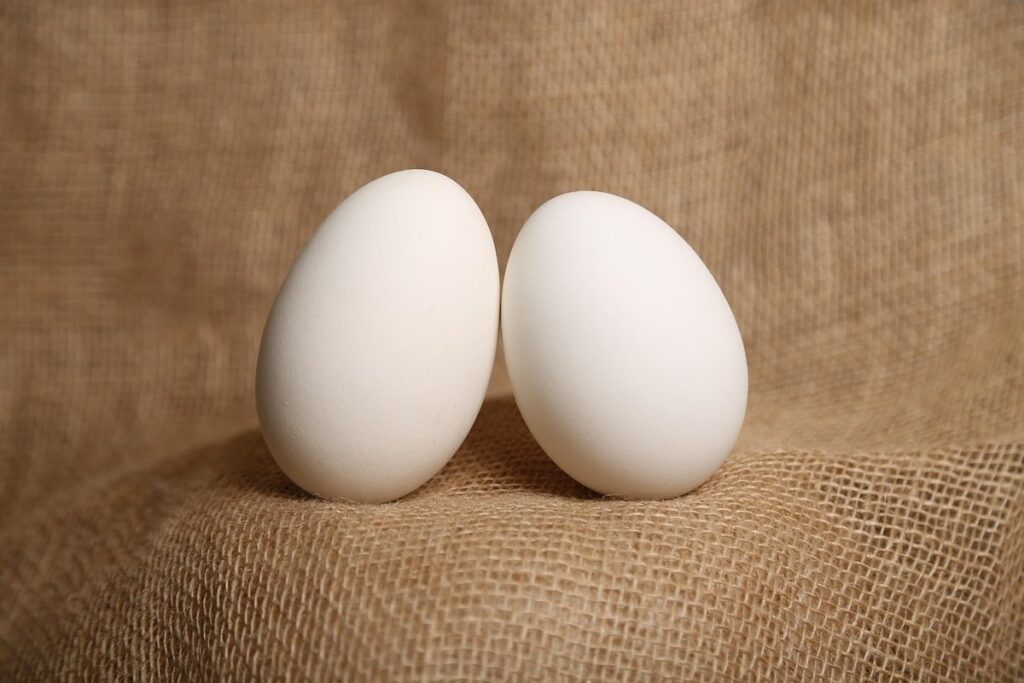
Duck eggs and chicken eggs may seem similar at first glance, but they have several distinct differences that set them apart. In terms of size, duck eggs are generally larger than chicken eggs, with a thicker shell that’s often darker in color. The yolk of a duck egg is also more vibrant, ranging from pale yellow to deep orange depending on the breed and diet of the duck.
When it comes to flavor profile, duck eggs tend to have a richer, creamier taste compared to their chicken counterparts. This is due in part to the ducks’ varied diet, which may include insects, seeds, and other nutrients that enhance the egg’s nutritional content.
One key difference between duck eggs and chicken eggs is the way they’re produced. Ducks are typically raised on small-scale farms or even backyard flocks, whereas chickens are often mass-produced in large industrial operations. This can impact the quality and taste of the final product. If you’re looking to try duck eggs, be sure to source them from a reputable supplier who prioritizes animal welfare and sustainable practices. By understanding these differences, you’ll be better equipped to enjoy duck eggs as part of your culinary adventures.
Nutritional Content and Health Benefits
Duck eggs are a nutrient-rich food source, but what exactly do they offer? Let’s dive into their nutritional content and potential health benefits.
Protein and Fat Composition: Are Duck Eggs Better for You?
When it comes to nutritional content, duck eggs have some distinct advantages over their chicken counterparts. One key difference lies in their protein and fat composition. Duck eggs contain higher levels of omega-3 fatty acids, which are essential for heart health, brain function, and may even help reduce inflammation.
Duck eggs also boast a richer source of conjugated linoleic acid (CLA), a nutrient that has been shown to have anti-inflammatory properties. This is particularly beneficial for individuals with conditions such as arthritis or those who suffer from chronic pain. In comparison, chicken eggs tend to be higher in saturated fats and lower in omega-3s.
The increased fat content of duck eggs can also make them more filling, which may contribute to weight management and satiety. To incorporate duck eggs into your diet, consider using them as a substitute for chicken eggs in omelets or frittatas. You can also use the yolks as an ingredient in homemade mayonnaise or sauces for added nutrition.
The unique nutritional profile of duck eggs makes them a valuable addition to any healthy eating plan. When cooking with duck eggs, be mindful that they require slightly longer cooking times due to their thicker whites and higher fat content.
Vitamin and Mineral Content: Do Duck Eggs Offer Anything New?
When it comes to nutritional content, duck eggs are often compared to their more popular counterparts, chicken eggs. But do they offer anything new? Let’s dive into the vitamins and minerals that make up these two egg-cellent options.
In terms of fat-soluble vitamins like A, D, E, and K, the nutrient profile is similar between duck and chicken eggs. However, it’s worth noting that duck eggs tend to have a higher concentration of vitamin D, making them a better choice for those looking to boost their levels of this essential nutrient.
When it comes to water-soluble vitamins like B12, duck eggs are actually lower in content compared to chicken eggs. This might be concerning for individuals who rely on dietary sources for their B12 intake. Iron and zinc levels also vary between the two types of eggs, with duck eggs generally containing higher amounts of iron.
Interestingly, duck eggs tend to have a richer mineral profile overall, making them a great option for those looking to increase their intake of these essential nutrients. However, it’s worth noting that individual results may vary depending on factors like feed and living conditions. If you’re considering incorporating duck eggs into your diet, be sure to weigh the pros and cons before making a decision.
Preparation Methods and Recipes
Now that you know duck eggs are edible, let’s dive into how to prepare them safely and deliciously. We’ll explore various methods for cooking and using duck eggs in recipes.
Cooking and Handling Tips for Duck Eggs
When cooking and handling duck eggs, it’s essential to follow some key guidelines to ensure they’re safe for consumption. First, make sure you store them properly: keep them refrigerated at a temperature of 40°F (4°C) or below and use within a week of purchase.
Before cooking, gently wash the duck eggs under cold running water, then dry them with a clean towel to prevent bacteria from spreading. When boiling, place the duck eggs in a single layer at the bottom of a saucepan, cover them with cold water, and bring to a boil. Reduce heat to a simmer for 10-12 minutes, or until the whites are set and the yolks are cooked to your desired doneness.
Frying duck eggs is similar to frying chicken eggs: crack the egg into a hot skillet coated with oil over medium heat. For baking, place duck eggs in a muffin tin and bake at 375°F (190°C) for 20-25 minutes. When poaching, bring a pot of water to a boil, then reduce the heat to a simmer and carefully add the duck egg to the water using a spoon.
By following these simple steps, you’ll be able to cook delicious and safe duck eggs at home.
Recipe Ideas: Incorporating Duck Eggs into Your Diet
When it comes to incorporating duck eggs into your diet, the possibilities are endless. Their rich, creamy texture and unique flavor make them a great addition to both savory and sweet dishes. Let’s start with breakfast – try making an omelet with duck eggs for a protein-packed morning meal. The added richness of the duck egg will elevate your standard omelet recipe.
For a sweet treat, consider making crème brûlée using duck eggs instead of chicken eggs. The result is a creamy, velvety custard base that’s perfect for caramelizing on top. You can also use duck eggs to make decadent chocolate truffles or ice cream.
In terms of savory dishes, think about substituting duck eggs into your favorite pasta carbonara recipe or making a rich and creamy risotto with duck egg-infused broth. The key is to experiment and find the right balance between flavors to bring out the unique characteristics of duck eggs in your cooking.
Experiment with different recipes and flavor combinations to unlock the full potential of duck eggs in your kitchen.
Safety and Allergenicity Concerns
When handling duck eggs, it’s essential to consider potential safety risks, such as salmonella poisoning, and allergens that may affect individuals with certain health conditions. We’ll explore these concerns in detail next.
Food Safety Considerations: Is It Safe to Eat Duck Eggs?
When it comes to eating duck eggs, one of the primary concerns is food safety. Like chicken eggs, duck eggs can potentially harbor Salmonella bacteria, which can cause serious food poisoning if ingested. According to a study published by the US Centers for Disease Control and Prevention (CDC), Salmonella outbreaks linked to egg consumption occur more frequently in duck farms than in chicken farms.
To minimize the risk of Salmonella contamination when handling and consuming duck eggs, it’s essential to take proper precautions. First, ensure that you’re purchasing duck eggs from a reputable source that follows safe food handling practices. When storing duck eggs at home, keep them refrigerated at a consistent temperature below 40°F (4°C) to slow down bacterial growth.
Before cracking open your duck egg, make sure to wash your hands thoroughly with soap and water. If you’re planning to boil or cook the egg, do so until the yolks reach an internal temperature of at least 160°F (71°C). This will kill any potential Salmonella bacteria. By following these simple guidelines, you can enjoy your duck eggs while minimizing the risk of foodborne illness.
Allergy and Intolerance Information: What You Need to Know
When considering trying duck eggs, it’s essential to understand the difference between food allergies and intolerances. A food allergy is an immune system reaction that can cause symptoms ranging from mild discomfort to life-threatening anaphylaxis. On the other hand, a food intolerance is a non-immune system reaction that can lead to gastrointestinal issues, skin problems, or other symptoms.
If you have a known egg allergy or intolerance, it’s crucial not to assume duck eggs will be safe for consumption. While some people with egg allergies may tolerate duck eggs, others may react just as severely. If you’re considering trying duck eggs despite having an egg allergy or intolerance, consult your healthcare provider before making any changes.
To determine whether duck eggs are safe for you, consider your past reactions to other types of eggs and whether you’ve experienced any adverse effects from consuming duck eggs in the past. Keep in mind that even if you’ve had a reaction to chicken eggs, it’s possible your body will react differently to duck eggs.
When introducing duck eggs into your diet, start with small amounts to gauge your tolerance. If you experience any symptoms or discomfort, discontinue consumption immediately and consult your healthcare provider for guidance.
Sustainable Production and Environmental Impact
Let’s dive into the environmental implications of raising ducks for egg production, exploring sustainable practices that minimize harm to our planet. We’ll discuss ways to reduce your carbon footprint.
The Environmental Benefits of Duck Egg Farming
When it comes to duck egg farming, many people may not be aware of its numerous environmental benefits. Not only do duck eggs offer a nutritious and sustainable alternative to chicken eggs, but they also contribute to a more environmentally friendly agricultural practice.
Reducing greenhouse gas emissions is one of the most significant advantages of duck egg farming. Compared to traditional chicken egg production, ducks require less feed to produce the same number of eggs, resulting in lower methane emissions. A study published by the University of Illinois found that ducks emit 23% fewer kilograms of carbon dioxide equivalent per ton of eggs produced compared to chickens.
Improved soil health is another benefit of duck egg farming. Ducks help to cultivate and maintain soil fertility through their grazing activities, which also promotes biodiversity. By integrating ducks into your farm or garden, you can reap the rewards of enhanced ecosystem services and more resilient agricultural systems.
Comparison to Chicken Egg Farming: Which is More Sustainable?
When it comes to egg sustainability, both duck and chicken egg farming have their own unique challenges and advantages. However, a closer look at the numbers reveals some striking differences.
One of the most significant advantages of duck eggs is their ability to thrive on smaller plots of land. This makes them an ideal choice for small-scale farmers or those with limited space, such as in urban areas. In contrast, chicken egg farming often requires larger amounts of land and resources to support massive flocks.
On average, it takes around 5-7 days to reach market weight for ducks compared to 18-20 days for chickens. This shorter production cycle reduces the overall environmental impact, including energy consumption and waste generation. Moreover, duck eggs tend to have higher protein content and better fatty acid profiles, which can contribute to reduced greenhouse gas emissions from transportation.
For consumers looking to make informed choices about their egg purchases, consider opting for local, pasture-raised duck eggs or supporting small-scale farmers who prioritize sustainable practices. By doing so, you’ll not only be promoting more environmentally friendly farming methods but also getting a superior product with unique nutritional benefits.
Conclusion
Now that we’ve explored the nutritional benefits and culinary uses of duck eggs, let’s summarize our findings on whether they’re safe to eat. We’ll wrap up with a conclusive answer.
Recap of Key Takeaways
In conclusion, we’ve delved into the fascinating world of duck eggs and explored their edibility. Let’s recap the key takeaways to help you make informed decisions about incorporating these delicious eggs into your diet.
From a historical perspective, duck eggs have been a staple food source in many cultures around the globe, particularly in Asia where they’re often used in baking and cooking. In terms of nutritional content, duck eggs are an excellent source of protein, vitamins, and minerals, including vitamin D, B12, and iron.
In preparation, duck eggs can be cooked using various methods such as boiling, frying, or poaching. When it comes to safety concerns, proper handling and storage of duck eggs are crucial to prevent contamination. It’s also essential to note that some countries may have regulations regarding the sale and consumption of duck eggs.
From a sustainability perspective, duck farming is often considered more environmentally friendly than chicken farming due to their ability to forage for food and reduce greenhouse gas emissions.
Final Thoughts: Are Duck Eggs Worth Trying?
If you’ve made it this far in our journey to explore the edibility of duck eggs, congratulations! By now, you should have a solid understanding of their unique characteristics and benefits. As we conclude, I want to encourage you to consider giving duck eggs a try.
Their rich, creamy flavor profile and versatility in cooking make them an excellent addition to any egg lover’s diet. Whether scrambled, fried, poached, or boiled, duck eggs offer a distinct taste experience that’s sure to delight your palate. Plus, they’re packed with nutrients like protein, vitamins, and minerals that can boost your overall health.
So, what are you waiting for? Take the leap and try duck eggs! Start by experimenting with simple recipes, such as a classic omelette or a decadent quiche. Don’t be afraid to get creative and add your own twist – after all, that’s where the fun lies in cooking with duck eggs.
As you embark on this culinary adventure, remember: the world of duck eggs is waiting for you to explore its rich flavors and versatility.
Frequently Asked Questions
How do I store duck eggs safely to prevent spoilage?
Duck eggs can be stored similarly to chicken eggs, but it’s essential to keep them refrigerated at a consistent temperature below 40°F (4°C). Always check for cracks or broken shells before storing and use clean containers to prevent contamination. Regularly rotate the stock to ensure older eggs are used before newer ones.
Can I feed duck eggs to people with egg allergies?
No, it’s not recommended to consume duck eggs if you have a severe egg allergy. While duck eggs may be less likely to cause an allergic reaction than chicken eggs, individual reactions can vary greatly. If you’re unsure about your allergy status or suspect a sensitivity, consult a healthcare professional for guidance.
Are duck eggs more expensive than chicken eggs in my local market?
The price of duck eggs can vary depending on your location and the availability of suppliers. In some areas, duck eggs may be pricier due to higher production costs or lower demand. However, you might find that they’re comparable in price or even cheaper when purchased directly from farms or at farmers’ markets.
How do I know if a duck egg is fresh?
Check for signs like clean, uncracked shells and firm whites without visible blood spots. Fresh eggs will also have a deeper, more vibrant yolk color compared to older eggs. If you’re still unsure, perform a water test: submerge the egg in room-temperature water – a fresh egg will sink while an old one will float.
Can I use duck eggs as a direct substitute for chicken eggs in recipes?
While possible, it’s not always recommended due to differences in protein and fat content. Use duck eggs sparingly or adjust cooking times according to their unique characteristics. For example, duck eggs may require longer baking times due to their higher fat content.