
As a chicken owner, you’re probably no stranger to spoiling your flock with tasty treats. But have you ever wondered if grapes are safe for your feathered friends? Unfortunately, the answer is not as simple as yes or no. Grapes can be toxic to chickens, and it’s essential that you know the risks before sharing them as a snack. If left unchecked, consuming grapes can lead to kidney failure in chickens, which can be fatal. In this article, we’ll dive into the world of chicken nutrition and explore why grapes are not a healthy choice for your flock. We’ll also provide expert advice on how to safely feed your chickens and ensure their overall health and well-being, so you can enjoy sharing treats with them guilt-free.
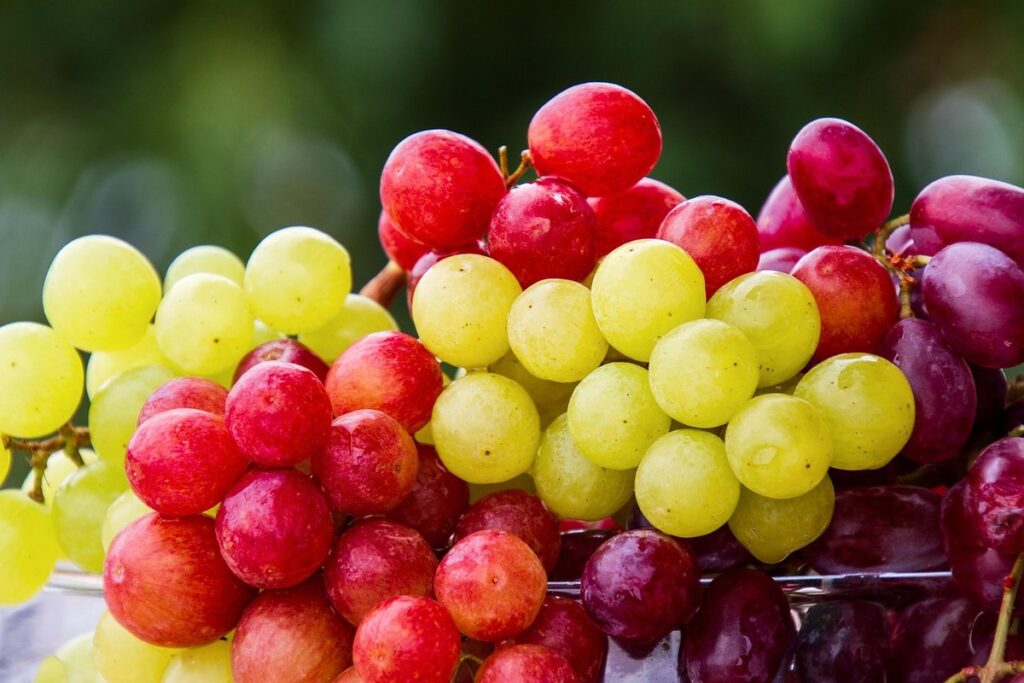
Understanding the Risks and Benefits
When considering feeding grapes to your backyard flock, it’s essential to understand both the potential risks and benefits associated with doing so. Let’s break down what you need to know.
The Potential Dangers of Grapes for Chickens
When it comes to feeding grapes to chickens, there’s more to consider than just their nutritional value. Research has shown that grapes can be toxic to chickens, posing a significant risk to their health.
The toxicity of grapes is largely attributed to a compound called furanocoumarin, which is present in the skin and seeds of the fruit. When ingested, this compound can cause damage to the chicken’s kidneys, leading to kidney failure. In severe cases, this can be fatal. A study published in the Journal of Veterinary Diagnostic Investigation found that grapes caused acute kidney injury in chickens within a matter of hours.
Chickens are particularly vulnerable to grape toxicity due to their small size and high metabolic rate. Even small amounts of grapes can cause harm, making it crucial for chicken owners to avoid feeding them as treats or incorporating them into their regular diet. If you suspect your chickens have ingested grapes, seek veterinary attention immediately.
The Role of Sugar in Grape Toxicity
Grape toxicity is a serious concern for backyard chicken keepers, and it’s essential to understand why sugar plays a significant role in this issue. Chickens have a unique digestive system that’s designed for high-fiber diets, which helps them extract nutrients from plant-based foods. However, when they’re fed high-sugar foods like grapes, it can cause an imbalance in their gut.
When chickens consume grapes, the fructose and glucose in the fruit are quickly absorbed into their bloodstream, causing a rapid spike in blood sugar levels. This can lead to insulin resistance, which is when the body’s cells become less responsive to insulin. As a result, the excess sugar is stored as fat, rather than being used for energy.
Feeding your flock grapes regularly can have long-term consequences, including obesity, liver disease, and even kidney damage. To put this into perspective, consider that just one cup of grapes contains about 20 grams of sugar – a significant amount when you’re dealing with small birds that weigh only a few pounds. It’s crucial to be mindful of the treats you offer your chickens and stick to nutrient-rich foods like fruits, vegetables, and grains in moderation.
Exploring Other Fruits as Alternatives
If you’re concerned about grapes being toxic to your flock, don’t worry – there are plenty of other delicious and healthy fruits that your backyard chickens will love. Some safe alternatives to grapes include berries such as blueberries, strawberries, and raspberries. These fruits are rich in antioxidants, vitamins, and minerals, making them an excellent addition to your chicken’s diet.
Other options you might consider are apples, pears, and bananas. Not only are they tasty, but they’re also packed with fiber, which can help support healthy digestion in your chickens. When introducing new fruits into your flock’s diet, remember to do it gradually and in moderation. Start by offering a small amount of the new fruit alongside their regular feed, so you can monitor for any adverse reactions.
Some great tips when selecting fruits for your backyard chicken are: choose fruits that are ripe but not overripe; wash them thoroughly before giving them to your chickens to avoid pesticide exposure; and remove seeds and pits, as they can be toxic. By incorporating these safe alternatives into their diet, you’ll be providing your flock with a nutritious and varied menu that will keep them happy and healthy.
The Science Behind Grape Toxicity
When it comes to the toxicity of grapes, understanding the underlying science is crucial to making informed decisions for your flock’s health. Let’s dive into what makes grapes potentially hazardous for chickens.
The Connection Between Grapes and Kidney Stones
Chickens that consume grapes regularly are at risk of developing kidney stones due to the unique combination of sugars and acids present in the fruit. The process begins when the high concentration of fructose and glucose in grapes is metabolized by the chicken’s body, producing uric acid as a byproduct. This excess uric acid can crystallize in the kidneys, forming sharp, painful stones that can cause obstruction and even organ failure if left untreated.
The severity of kidney stone formation in chickens can vary depending on several factors, including the amount and frequency of grape consumption, individual chicken metabolism, and overall health status. In severe cases, surgery may be necessary to remove the stones and prevent further complications. To minimize this risk, it’s essential for chicken owners to monitor their flock’s diet closely and provide a balanced and nutrient-rich feed as the primary source of nutrition. If grapes are included in their diet, they should be given in moderation and under close supervision.
Understanding the Role of Oxalates
Oxalates are naturally occurring compounds found in various foods, including grapes. In the context of chicken health, it’s essential to understand that oxalates play a significant role in kidney stone formation. When chickens consume high amounts of oxalate-rich foods over time, these compounds can combine with calcium in their kidneys and form crystals. As more crystals accumulate, they can eventually lead to the formation of stones.
The good news is that not all foods containing oxalates pose a risk to chicken health. However, it’s crucial for chicken owners to be mindful of their flock’s dietary intake, particularly when introducing new foods like grapes. Grapes are relatively high in oxalates, with approximately 0.3-0.4% dry weight content. This means that while an occasional serving may not cause significant harm, regular consumption can contribute to kidney stone formation.
To minimize potential risks, it’s recommended to limit or avoid feeding grapes as a staple food and ensure your flock has access to a balanced and varied diet.
Grapes as Part of a Balanced Diet
When considering grapes as part of your flock’s diet, it’s essential to weigh the potential benefits against the risks to ensure you’re providing a balanced and healthy food source. Let’s break down what you need to know.
The Importance of Moderation in Chicken Feeding
When it comes to incorporating treats like grapes into your backyard chicken’s diet, moderation is key. Overindulging in even healthy foods can lead to digestive issues and other health problems.
Here are some guidelines to keep in mind: only offer fresh, ripe grapes as an occasional treat – not a regular part of their diet. A good rule of thumb is to limit treats to no more than 10% of your chicken’s daily calorie intake. So, if you’re feeding your chickens 1 pound of feed per day, consider that 1/10 of a pound can be in the form of grapes or other treats.
Remember, even healthy foods like grapes can cause problems when eaten in excess. A few raisins accidentally mixed into their regular food won’t hurt them, but a whole handful will. Always supervise your chickens during treat time to ensure they’re not overindulging.
Selecting Healthy Grapes for Your Flock
When it comes to selecting healthy grapes for your flock, there are several factors to consider. The variety of grape is crucial; some varieties like Thompson Seedless and Flame are sweeter and less toxic than others. Avoid Concord grapes altogether as they contain the highest concentration of sugar.
A high sugar content in grapes can lead to an increased risk of chokehold or internal blockage in your chickens. Opt for grapes with a higher acidity level, such as those from the European red wine grape varieties. This will ensure that the sugars are balanced and won’t cause harm to your flock.
Freshness is another key consideration when choosing grapes for your chickens. Select grapes that have been stored properly and haven’t been sprayed with pesticides or other chemicals. The best way to ensure freshness is to purchase them from a reputable source or grow your own grapevines in your backyard.
Before offering grapes to your flock, be sure to rinse them thoroughly under cold running water to remove any dirt or debris. Then, cut the grapes in half to prevent choking hazards and serve them as an occasional treat in moderation.
Safety Precautions and First Aid
When handling grapes around your flock, it’s crucial to take necessary precautions to avoid accidents. This includes knowing how to respond if your chickens ingest a grape.
Recognizing Signs of Grape-Related Illness in Chickens
If you suspect that your chickens have ingested toxic amounts of grapes, it’s essential to recognize the common signs and symptoms quickly. One of the primary concerns with grape consumption is that it can cause kidney failure in birds. So, keep a close eye on your flock for any unusual behavior.
Initially, you might notice changes in appetite, lethargy, or depression in affected chickens. They may also exhibit vomiting, diarrhea, or abdominal pain. In some cases, their legs and joints may swell due to fluid retention. Watch for labored breathing or an irregular heartbeat as well.
If you observe any of these symptoms, don’t delay seeking veterinary assistance. Grape toxicity can progress rapidly, so prompt medical attention is crucial in preventing further complications or even death. Always have your veterinarian’s contact information readily available and schedule an emergency visit if needed.
Keep a close eye on your flock, especially after introducing new food items to their diet. If you suspect grape consumption has occurred, report the incident to your vet and follow their guidance carefully.
Treating and Preventing Kidney Problems in Chickens
When it comes to grapes and chicken health, kidney problems are a top concern. Grapes contain a compound called tartaric acid, which can be toxic to chickens if ingested in large quantities. If you suspect that your flock has consumed too many grapes or is showing signs of illness, it’s essential to act quickly.
To prevent kidney issues altogether, make sure your chicken’s diet consists mainly of balanced commercial feed or a nutrient-rich layer feed. Avoid giving them table scraps or fresh fruits like grapes as treats. Even small amounts can cause harm over time.
If you do accidentally give your chickens grapes, watch for signs of illness such as lethargy, loss of appetite, and changes in droppings. If you notice any of these symptoms, stop feeding grapes immediately and provide plenty of fresh water. Monitor their condition closely and seek veterinary attention if the problem persists. A general rule of thumb is to limit treats like grapes to no more than 10% of a chicken’s daily calorie intake. This will help minimize the risk of kidney problems caused by overindulgence in grapes.
Chicken Health and Nutrition Basics
To ensure you’re making informed decisions about your flock, let’s cover the basics of chicken health and nutrition. This is crucial for understanding potential risks associated with grape consumption.
Nutritional Requirements for Backyard Chickens
When it comes to keeping your backyard chickens healthy and thriving, providing them with a balanced diet is crucial. A well-planned diet should meet their nutritional needs, which can be broken down into three main categories: protein, carbohydrates, and fat.
Protein is the most essential nutrient for chickens, making up around 30% of their diet. This includes amino acids, vitamins, and minerals that support growth, maintenance, and repair of tissues. You can achieve adequate protein levels by feeding your flock a high-quality layer feed or adding supplements like mealworms or crickets.
In addition to protein, ensure your chickens have access to clean, fresh water at all times. Dehydration can lead to health issues, so make sure their water supply is always full and easily accessible. A good rule of thumb is to provide one gallon of water per chicken per day.
To avoid overfeeding or underfeeding your flock, consider the following: keep an eye on your chickens’ weight and adjust feed amounts accordingly. Provide treats like fruits and vegetables in moderation – around 10% of their total diet – and choose varieties that are safe for them to consume.
Understanding Your Flock’s Specific Needs
When it comes to understanding your flock’s specific needs, it’s essential to consider the unique characteristics of each breed. Different breeds have varying nutritional requirements due to their size, age, and specific health conditions.
For example, larger breeds like Orpingtons or Brahma require more protein-rich feed to support their growth and maintenance. On the other hand, smaller breeds like Leghorns or Polish may not need as much protein, but require a higher caloric intake to maintain their energy levels.
It’s also crucial to consider the age of your flock members. Baby chicks have specific nutritional needs that differ from adult chickens. Chicks require a starter feed rich in calcium and phosphorus for proper bone development.
Furthermore, if you have chickens with specific health conditions like egg-laying issues or feather pecking, their dietary requirements may be different. For instance, hens with egg-laying problems may benefit from supplements that support their reproductive health.
Keep these variations in mind when considering adding treats like grapes to your flock’s diet.
Expert Advice and Best Practices
When it comes to feeding grapes to your flock, there are some essential guidelines you need to follow to keep your chickens safe. Here’s what our expert has to say on the matter.
Consulting with Avian Veterinarians or Experts
When it comes to ensuring your flock’s safety and well-being, consulting with avian veterinarians or experienced chicken keepers is crucial. A single misstep in their diet can have severe consequences. You may be wondering where to start when searching for expert advice.
Begin by reaching out to local veterinary clinics specializing in poultry care. They often have a network of experts who can provide guidance on safe feeding practices. Alternatively, you can join online forums or social media groups dedicated to backyard chicken keeping. These platforms are filled with experienced keepers and veterinarians willing to share their knowledge.
When consulting with an expert, ask specific questions about grapes in your flock’s diet. Find out if the vet has any personal experience with chickens consuming grapes or similar fruits. Pay attention to their recommendations on safe quantities and potential risks associated with feeding grapes to your birds. By seeking expert advice, you can make informed decisions that prioritize your flock’s health and safety.
Implementing a Long-Term Nutrition Plan for Your Flock
When it comes to managing your flock’s nutrition, creating a long-term plan is crucial. This ensures that your chickens receive all necessary nutrients while minimizing the risk of overfeeding or nutritional deficiencies. Start by consulting with a veterinarian or poultry expert to determine the ideal feeding schedule and nutrient balance for your specific breed and age group.
Consider implementing a tiered feeding system, where birds are divided into categories based on age, size, and production level. This will help ensure that each bird is receiving an optimal amount of nutrients tailored to its individual needs. For example, laying hens may require more calcium than young pullets or broilers.
Some key nutrients to focus on in your long-term nutrition plan include protein, fiber, vitamins A and D, and minerals like calcium and phosphorus. Be mindful of overfeeding, as this can lead to obesity and related health issues in your flock. Regularly monitor feed intake and adjust the feeding schedule accordingly.
Frequently Asked Questions and Conclusion
Now that we’ve explored the risks associated with feeding grapes to your flock, let’s address some common questions you may still have. We’ll summarize the key takeaways for a safe and healthy environment.
Addressing Common Queries About Grapes and Chickens
If you’re still concerned about grapes and their safety for chickens, here are some common queries that have been addressed. One of the primary concerns is that grapes are toxic to dogs, so do they pose a risk to chickens as well? Fortunately, research suggests that grapes and raisins are indeed toxic to canines but there’s no conclusive evidence linking them to poultry health issues.
Many people wonder if all types of grapes are created equal when it comes to chicken safety. The answer is yes; whether fresh or dried (raisins), the concern remains. It’s worth noting, however, that some studies have found that certain varieties may be safer for chickens than others. For instance, Concord grapes tend to contain higher levels of malic acid compared to Thompson Seedless.
Another question that often arises is: “Can I use grape waste as a nutritious supplement for my flock?” While it might seem like a convenient way to repurpose waste, the answer is no. Grape by-products can still contain toxins and pose a risk to your chickens’ health.
It’s always better to err on the side of caution when introducing new foods into your chicken’s diet. If you’re unsure about what’s safe or not, it’s best to stick with tried-and-true options like leafy greens and fruits that are specifically labeled as poultry-safe.
Recap and Final Thoughts on Feeding Grapes to Your Flock
As we conclude our exploration of whether grapes are safe for chickens, it’s essential to recap the key takeaways. Prioritizing your flock’s health and well-being is crucial when considering their diet. We’ve discussed the potential risks associated with feeding grapes to chickens, including the presence of a compound called tartaric acid that can cause kidney damage.
Remember, even small amounts of grapes can be detrimental to your chicken’s health. In moderation is not enough; it’s best to err on the side of caution and avoid grapes altogether. Instead, focus on providing a balanced diet rich in fresh fruits and vegetables, such as leafy greens, carrots, and apples.
To ensure your flock stays healthy, establish a regular feeding routine that includes a variety of nutrient-rich foods. This will not only keep them happy but also help prevent potential health issues. Don’t forget to monitor their behavior and adjust their diet accordingly. By doing so, you’ll be providing the best possible care for your feathered friends.
Frequently Asked Questions
Can I still feed my chickens other fruits if they’re sensitive to grapes?
Yes, there are many safe options for your flock! Consider consulting with an avian veterinarian or expert in chicken nutrition to determine the best fruits for your specific backyard flock’s needs. Some healthy alternatives include berries, melons, and citrus fruits.
How do I know if my chickens have already ingested toxic amounts of grapes?
Recognizing signs of grape-related illness is crucial. Monitor your flock for symptoms such as lethargy, loss of appetite, or difficulty producing eggs. If you suspect poisoning, contact a local avian veterinarian immediately for guidance on treatment and first aid.
What’s the best way to handle an accidental ingestion of grapes by my chickens?
If you catch it early, flushing their system with water may help minimize damage. However, immediate veterinary attention is still necessary to prevent long-term kidney problems. Consider implementing measures to prevent future accidents, such as removing any loose or overripe fruit from your flock’s reach.
Can I feed my chickens table scraps that contain grapes?
No, it’s best not to risk it. Table scraps can be unpredictable and often contaminated with pesticides, heavy metals, or other toxins. Stick to recommended fruits and treats specifically formulated for chicken consumption to ensure their health and safety.
How do I transition my flock from a high-oxalate diet to one that prioritizes balanced nutrition?
Gradual changes are key. Consult with an expert in avian nutrition to create a tailored plan for your backyard flock’s specific needs, ensuring a smooth transition without causing unnecessary stress or disruptions to their digestive system.