
Are Quails Considered Poultry?
You might be surprised to know that there’s some debate about whether quails are actually considered poultry. While we commonly associate chickens, turkeys, and ducks with this category, quails often fly under the radar. But is it accurate to lump them in with these birds? In this article, we’ll dive into the classification of quails, exploring their taxonomic status and how they’re viewed by farmers, chefs, and regulators. We’ll also examine the nutritional value of quail meat and eggs, as well as their growing importance in commercial agriculture. By the end of this guide, you’ll have a better understanding of where quails fit in the world of poultry – and why it matters for foodies, farmers, and conservationists alike.
Definition and Classification
To understand whether quail are considered poultry, we need to break down what defines a bird as poultry. Let’s examine the key characteristics that classify birds as part of the poultry category.
What is Poultry?
When it comes to understanding whether quails are considered poultry, it’s essential to first grasp what constitutes poultry. Poultry encompasses a wide range of domesticated birds raised primarily for their meat and eggs. This classification includes popular choices like chickens, turkeys, ducks, geese, and even guinea fowl.
However, the definition and classification of poultry can vary significantly across different regions and cultures. In the United States, for example, the USDA (United States Department of Agriculture) defines poultry as domesticated birds that are raised on farms or in controlled environments for human consumption. On the other hand, many Asian countries, including China and Japan, have a broader definition of poultry that includes wild game birds like pheasants and partridges.
This nuance is crucial when considering whether quails fall under the category of poultry. As we delve into the specifics of quail classification and its implications for food safety regulations, hunting laws, and cultural traditions, it’s essential to remember that these differences can have a significant impact on how quails are perceived and treated in various parts of the world.
Characteristics of Poultry Birds
Poultry birds are typically characterized by their ability to be domesticated and raised on farms for food. This is a key trait that distinguishes them from wild game birds. One of the most noticeable characteristics of poultry birds is their feathered coat, which can vary greatly in color, texture, and pattern depending on the species.
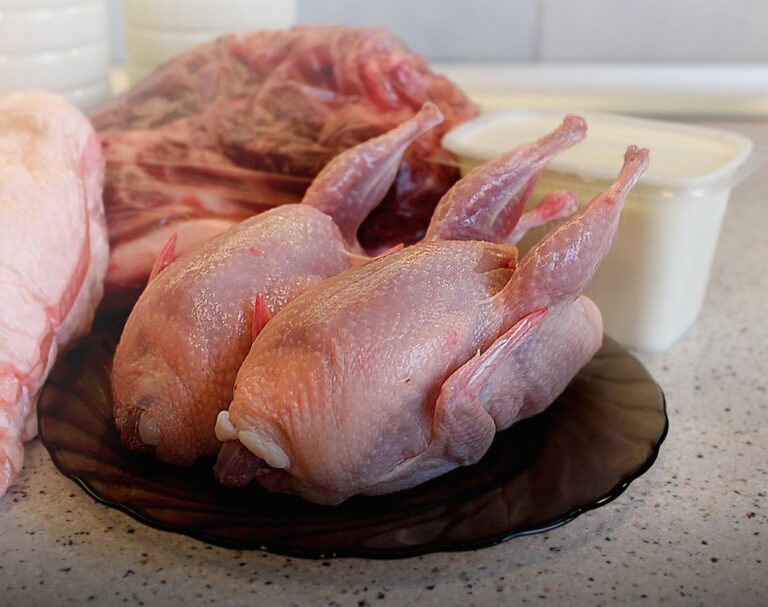
In addition to being domesticated and feathered, poultry birds are often primarily raised for food. This includes popular breeds like chickens, turkeys, ducks, geese, and quail. When it comes to quail, they are indeed considered a type of poultry due to these characteristics. They can be easily domesticated, have a soft, fluffy coat, and are commonly raised on farms for their eggs and meat.
Some examples of poultry birds include the Japanese Quail, which is often kept as pets or raised commercially for its eggs and meat. Other popular types of quail, such as the Button Quail, also exhibit these characteristics. By understanding the key traits that define poultry birds, you can better determine whether a particular species fits within this category.
Historical Context
To understand why some people might think quail are poultry, let’s take a look at how our understanding of birds as food has evolved over time.
Quail in Ancient Times
Quails have been an integral part of human culture for thousands of years, with ancient civilizations placing significant importance on these small birds. In ancient Egypt, quails were considered a delicacy and featured prominently in royal banquets. The Egyptians also associated quails with the god Amun, who was revered as a symbol of fertility and abundance.
In ancient Greece, quails were used in various cultural rituals, including as an offering to the gods during weddings and other significant life events. The Greeks also prized quail meat for its flavor and nutritional value, often serving it at special occasions. Similarly, in ancient Rome, quails were a popular game bird and delicacy, with Roman cookbook writers providing recipes that showcased their culinary versatility.
The historical use of quails as both food and cultural symbol highlights their unique status across different civilizations. While they share some similarities with other small birds, such as chickens and turkeys, which are commonly considered poultry, the distinct cultural significance attributed to quails throughout history underscores their separate identity.
Domestication and Breeding
Quails have undergone significant domestication and breeding over time, resulting in various species and varieties. The earliest recorded evidence of quail domestication dates back to ancient China around 2000 BCE. Initially, Chinese breeders focused on developing larger, more docile birds for cockfighting and meat production.
As global trade and cultural exchange increased, quails were introduced to other regions, including Europe and the Middle East. European breeders selectively bred quails for desired traits such as size, feather coloration, and egg-laying capacity. This selective breeding led to the development of numerous species and varieties, including Japanese Coturnix, Button Quail, and California Quail.
Today, there are over 20 recognized quail species, each with unique characteristics and requirements. Domesticated quails have become popular for backyard keeping and small-scale commercial production due to their compact size, quiet nature, and relatively low space and feed requirements. However, not all quail species can be used in the same way or for the same purposes, making it essential to understand the specific needs of each breed when considering domestication and breeding.
Taxonomic Classification
To better understand why some consider quail poultry, let’s dive into their taxonomic classification and see how it relates to traditional farm animals.
Phasianidae Family
The Phasianidae family is a diverse group of birds that includes quails, pheasants, partridges, and other related species. To understand why quails are often associated with poultry, let’s delve into their taxonomic classification. Within the bird kingdom, the Phasianidae family belongs to the order Galliformes, which also includes turkeys, chickens, and grouse.
This grouping makes sense from a biological standpoint, as many of these birds share similar characteristics, such as strong legs and feet for walking and scratching, as well as a omnivorous diet. In fact, quails are closely related to pheasants, with some species being nearly indistinguishable. The Phasianidae family’s genetic makeup is more aligned with wild game birds than domesticated poultry like chickens.
Interestingly, many countries classify quails as game birds rather than poultry, which can impact their treatment and management on farms or in the wild. Understanding this taxonomic classification can help you appreciate why some farmers and hunters view quails differently from traditional poultry species.
Quail Genus and Species
When it comes to understanding whether quails are considered poultry, delving into their taxonomic classification is essential. The genus and species classifications for various types of quails can provide valuable insights into their relationships with other birds.
The genus Coturnix includes several widely farmed quail species, such as the Japanese quail (Coturnix japonica) and the Chinese painted quail (Coturnix yseleei). These species are often grouped together due to their similarities in appearance and behavior. On the other hand, the genus Callipepla comprises species like the California quail (Callipepla californica) and the Montezuma quail (Callipepla montezumae), which exhibit distinct physical characteristics.
Interestingly, some experts argue that certain quail species may be more closely related to partridges than true quails. For instance, the genus Pternistis encompasses several species commonly referred to as ‘partridge-quails’ or ‘stone partridges’. This blurring of lines highlights the complexity in defining quail taxonomy.
Understanding the unique characteristics and classifications within each genus can help clarify why some people consider quails poultry while others do not.
Agricultural and Commercial Aspects
When it comes to agriculture and commercial production, quail are often raised for their meat, eggs, and feathers, making them a valuable commodity in many industries. Let’s explore these practical applications.
Quail Farming and Production
Quail farming has become increasingly popular worldwide due to its potential for high-yield and low-space requirements. Commercial quail farms often follow a structured approach from breeding to harvesting.
Typically, quails are bred using specialized breeds such as Japanese Coturnix or Chinese Coturnix. These birds are known for their prolific egg-laying capabilities and faster growth rate compared to other quail varieties. Broodstock is usually sourced from reputable suppliers to ensure genetic consistency and health.
Nutrition plays a crucial role in commercial quail farming. A balanced diet comprising of 20-25% protein, essential vitamins, and minerals is provided through a mix of commercial feed and supplementary ingredients like oats or vegetables. Fresh water is always available to the birds.
Harvesting quails for meat occurs when they reach market weight (approximately 120 days). This can be achieved by gradually reducing their food intake or using controlled-environment agriculture methods.
Market Trends and Demand
The market for quail production is on the rise globally, driven by increasing demand from consumers seeking healthier and more sustainable protein sources. In the United States alone, quail sales have grown significantly over the past decade, with a 10% annual increase in revenue between 2015 and 2020. This trend is attributed to growing awareness about the nutritional benefits of quail meat, which includes high levels of protein, low fat content, and rich sources of vitamins and minerals.
Consumer demand for quail is particularly strong in urban areas where consumers are willing to pay a premium for niche, sustainable, and locally sourced products. Online platforms such as Amazon and specialty food stores like Whole Foods have capitalized on this trend by offering a wide range of quail-based products, including whole birds, eggs, and processed meat alternatives.
Economically, quail production is significant in regions with favorable climates and suitable land use practices. In countries like China, South Korea, and the Philippines, quail farming has become a major income source for small-scale farmers, generating substantial revenue through sales of live birds, meat, and eggs.
Nutritional Value and Health Benefits
Let’s take a closer look at what quail have to offer when it comes to nutritional value and health benefits, which are impressive considering their small size. Quail meat is packed with essential vitamins and minerals.
Protein Content and Amino Acids
Quails are an excellent source of protein, making them a popular choice for health-conscious individuals and those following specific diets. With a high protein content, quails contain all the essential amino acids necessary for human consumption. These amino acids, including histidine, isoleucine, leucine, lysine, methionine, phenylalanine, threonine, tryptophan, and valine, are crucial for maintaining muscle mass, skin health, and various bodily functions.
The protein content in quails is comparable to other popular poultry options like chicken. According to the United States Department of Agriculture (USDA), a 3-ounce serving of cooked quail contains about 18 grams of protein. This amount surpasses that of chicken breast, which has around 13 grams of protein per 3-ounce serving.
Quails are also relatively low in fat and calories compared to other game birds or poultry. For instance, a roasted quail typically contains less than 10% of its calories from fat, making it an ideal choice for those watching their weight or managing specific dietary needs.
Comparison to Other Poultry Meats
When it comes to nutritional value and health benefits, quail meat often gets compared to other popular poultry options like chicken, turkey, and duck. Let’s dive into the comparison.
Quail meat is generally leaner than chicken, with less fat content overall. For example, a 3-ounce serving of cooked quail contains about 1 gram of fat, while the same serving size of chicken breast contains around 4 grams of fat. Turkey is also relatively lean, but duck has more fat content due to its skin.
In terms of protein content, quail actually outranks other poultry options. A 3-ounce serving of cooked quail provides about 23 grams of protein, while the same serving size of chicken breast contains around 20 grams of protein. Turkey and duck contain slightly less protein than quail.
If you’re considering incorporating more poultry into your diet for its nutritional benefits, remember to choose lean options like quail or opt for skinless cuts of chicken and turkey. This will help you reap the most health benefits from these foods.
Conclusion and Future Directions
Now that we’ve explored what makes quail unique among birds, let’s take a final look at our key findings and consider the implications for their classification.
Recap of Key Points
So, let’s recap the key points we’ve discussed throughout this article about whether quails are considered poultry. We’ve established that quails belong to a different family and order than chickens, which are the most common type of bird associated with poultry. Quails have distinct characteristics, such as their small size, unique egg-laying habits, and specialized feathers, that set them apart from chickens.
We also explored the classification details, looking at taxonomic classifications and scientific definitions to determine where quails fit in the bird family tree. Through these analyses, it became clear that while quails share some similarities with poultry birds, they do not fit neatly into this category. This is reflected in their unique habitats, diets, and behaviors.
In conclusion, our research has shown that quails are indeed a type of bird, but one that requires its own distinct classification. Whether you’re a farmer looking to raise these birds or simply an enthusiast interested in learning more about them, understanding the differences between quails and poultry is essential for informed decision-making and responsible animal care.
Emerging Trends and Opportunities
As we conclude our exploration of whether quails are considered poultry, it’s essential to look ahead at emerging trends and opportunities in quail production, trade, and consumption. One significant development is the increasing demand for exotic game birds like quails in upscale restaurants and high-end markets. This trend presents a golden opportunity for farmers and producers to capitalize on this niche market.
Moreover, advancements in technology are enabling more efficient and sustainable quail farming practices. For instance, automated feeding systems and climate-controlled facilities can significantly improve egg production yields while reducing environmental impact. Research is also underway to explore the potential of quails as a source of novel protein-rich feed for aquaculture and livestock industries.
Investors and entrepreneurs should take note of these emerging trends, as they offer untapped opportunities for innovation and growth. By embracing cutting-edge technology and diversifying their product offerings, quail farmers can stay ahead of the competition and meet the evolving demands of a global market that’s increasingly seeking sustainable and exotic protein sources.
Frequently Asked Questions
What is the primary reason quails are often excluded from poultry classification?
Quails are often excluded due to their flight capabilities, which distinguish them from typical domesticated poultry like chickens and turkeys.
Can I use quail eggs as a substitute for chicken eggs in recipes?
Yes, you can use quail eggs as a substitute in some recipes, but keep in mind they have smaller egg yolks and may affect the texture and flavor. They’re ideal for baking and desserts where a delicate taste is preferred.
How do I choose the right breed of quails for my farm or backyard setup?
When selecting a quail breed, consider factors like climate tolerance, disease resistance, and meat production. Research different breeds to find those that best suit your specific needs and regional conditions.
Can quails be raised on small-scale farms or backyard setups, or do they require large commercial operations?
Quails can thrive in both small-scale farms and backyard setups, making them an excellent choice for urban or rural areas with limited space. They require minimal housing and care compared to other poultry birds.
Do different types of quail meat have varying nutritional profiles?
Yes, some quail breeds are bred specifically for their nutritional value. For example, Japanese quails tend to have a higher protein content than other varieties. When choosing a quail breed, consider the nutritional profile you’re aiming for in your final product.