
As a backyard breeder or commercial poultry farmer, you’re likely aware that chick hatch can be a high-risk period. Even with proper care and management, embryonic development to post-hatch care is not without its challenges. Temperature fluctuations, humidity levels, nutrition, and hygiene all play crucial roles in determining the health of your chicks.
But what happens when things don’t go as planned? Chicks may emerge underweight, dehydrated, or even dead due to factors beyond our control. In this article, we’ll delve into common risks associated with chick hatch, including temperature-related issues, humidity imbalances, nutritional deficiencies, and the importance of maintaining a clean environment. By understanding these critical factors, you can better prepare for the challenges that come with raising healthy chicks. We’ll explore practical tips on how to identify potential problems early on and provide actionable advice on managing them effectively.
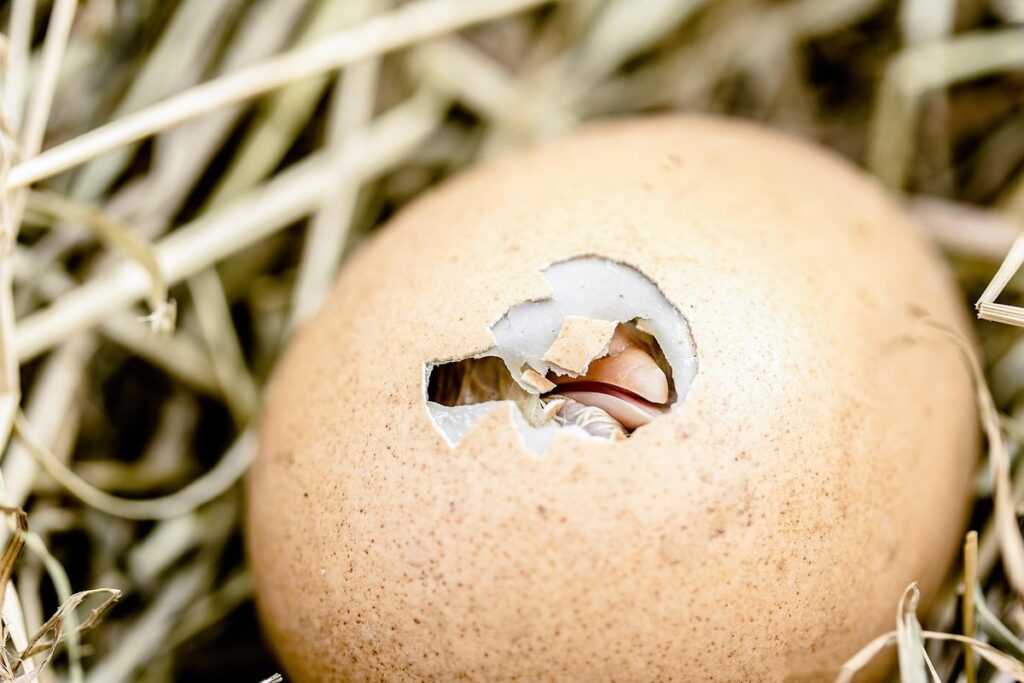
Understanding Chick Embryonic Development
To successfully assist a chick hatch, it’s essential to have a basic understanding of embryonic development and how it affects the hatching process. This knowledge will help you anticipate potential issues.
Stages of Fertilization and Incubation
The journey of chick embryonic development begins with fertilization. When a rooster’s sperm meets an egg from the hen, it triggers a series of complex biochemical reactions that result in the formation of a zygote. This single cell then undergoes rapid division and growth, forming a blastoderm – the foundation for all subsequent development.
As the zygote grows, it begins to divide into three distinct layers: the ectoderm, mesoderm, and endoderm. These germ layers will eventually give rise to various tissues and organs within the chick embryo, including skin, muscles, and internal organs. Around 18-24 hours post-fertilization, a small indentation forms on the surface of the blastoderm – an early indication of the formation of the primitive streak.
The primitive streak serves as a guide for cell migration and organ development. As cells continue to divide and grow, they begin to take shape, eventually forming recognizable structures such as limbs, eyes, and feathers. This dynamic process sets the stage for subsequent development stages, ultimately leading up to hatching.
Factors Influencing Chick Embryonic Growth
Temperature, humidity, and air quality play significant roles in chick embryonic growth and development during incubation. An ideal temperature range of 99°F to 100.5°F (37°C to 38°C) is crucial for proper growth, as deviations from this range can slow down or even halt embryo development.
Humidity levels must be maintained between 45% and 55% to prevent dehydration of the embryo. High humidity can lead to mold growth, which can contaminate the eggs, while low humidity may cause desiccation of the embryo. Maintaining a stable air quality by circulating the air within the incubator is also essential.
Air circulation helps in removing waste products produced during embryonic development, preventing the buildup of toxic gases that can harm the chick. Aim for an exchange rate of 1 to 2 times per minute to ensure optimal air quality and prevent stagnation. It’s essential to monitor these factors closely, as even small deviations from ideal conditions can significantly impact chick embryonic growth and increase hatch risks.
Common Assisting Chick Hatch Risks
When assisting with chick hatches, there are several common risks you should be aware of to ensure a successful and healthy outcome for your chicks. These include incubator malfunctions and environmental hazards.
Reduced Humidity Levels
Low humidity levels can pose a significant threat to chick embryo growth during hatching. When the air is too dry, it can cause desiccation, leading to moisture imbalances within the egg. This can result in delayed development or even failure to hatch altogether.
To put this into perspective, consider an ideal hatching environment: 50-60% relative humidity (RH). Any deviation from this range can have adverse effects on chick growth. For example, a RH level of 30% is too low and can lead to desiccation, causing the embryo to shrink due to moisture loss.
Conversely, extremely high humidity levels can also be detrimental, but in different ways. High RH levels can encourage mold growth and bacterial proliferation, posing additional risks to chick health. It’s essential to maintain a balanced environment by monitoring and adjusting humidity levels accordingly. This might involve using humidifiers or misting systems to ensure optimal conditions for hatching.
Regularly checking your incubation setup and maintaining the right balance will help minimize risks associated with low humidity levels.
Poor Ventilation in the Brooder
Poor ventilation in a brooder can have devastating effects on developing chicks. When air circulation is inadequate, carbon dioxide and ammonia levels rise rapidly, creating an environment that’s detrimental to the health of your young flock. As carbon dioxide builds up, it can lead to respiratory distress, decreased egg production, and even mortality.
The increase in ammonia levels is equally concerning, as it can cause damage to the chicks’ lungs and eyes. In extreme cases, prolonged exposure to high ammonia levels has been linked to stunted growth, weakened immune systems, and a higher susceptibility to disease. To prevent this scenario, ensure that your brooder has adequate ventilation, with at least one square foot of open space for every five chicks.
Monitor the temperature in your brooder closely, as it should be around 90-100°F (32-38°C) during the first few days after hatching. Proper ventilation will help maintain a healthy balance of oxygen and reduce the risk of disease and mortality associated with poor air quality. By paying attention to ventilation, you can create a safe and nurturing environment for your chicks to thrive in.
Temperature-Related Risks
Temperature can play a significant role in chick hatch risks, and understanding how temperature affects embryo development is crucial for breeders. Let’s dive into the temperature-related risks you should be aware of.
Suboptimal Incubator Temperatures
Operating an incubator outside its optimal temperature range of 99.5°F to 100.5°F can have devastating effects on chick hatch rates and overall health. When the temperature fluctuates beyond this narrow window, it can lead to a cascade of problems. For instance, if the temperature is too high, embryos may develop at an accelerated pace, causing them to pip (break through the shell) prematurely. This can result in weak, underdeveloped chicks with poor viability rates.
Conversely, if the temperature is too low, embryo development slows down, and hatching times may be prolonged. This can lead to increased mortality rates as chicks remain in the egg for extended periods, leaving them vulnerable to infection and disease. To mitigate these risks, it’s essential to monitor incubator temperatures closely and maintain a consistent environment within the optimal range. Regular checks on temperature gauges and thermometer accuracy will help you identify potential issues before they affect your flock. By doing so, you can ensure healthier chicks and better hatch rates.
Cold Stress in Chicks After Hatch
Sudden drops in temperature can be catastrophic for newly hatched chicks, causing cold stress that significantly increases mortality rates. When a chick emerges from its egg, it’s still adjusting to the outside environment and hasn’t fully developed its natural insulation. A sudden drop in temperature can shock the chick’s system, making it difficult for it to regulate its body heat.
As a result, the chick may experience hypothermia, leading to weakness, lethargy, and eventually death. In fact, studies have shown that even mild cold stress can reduce growth rates and increase mortality among chicks by up to 20%.
To mitigate this risk, it’s essential to maintain a consistent temperature in the hatchery or brooder area. Aim for a temperature range of around 90-95°F (32-35°C) during the first few days after hatching. You can also provide additional heat sources, such as heat lamps or infrared lights, to ensure the chicks stay warm.
Monitor the chicks’ behavior and body language closely, looking for signs of cold stress such as shivering, panting, or huddling together. By keeping a close eye on your flock’s temperature and responding promptly to any changes, you can help reduce the risk of cold-related mortality and give your chicks the best possible start in life.
Nutritional Factors Affecting Chick Hatch
When it comes to chick hatch, nutritional factors can have a significant impact on the success of your breeding efforts. We’ll take a closer look at the key nutrients that affect chick development and hatch rates.
Inadequate Nutrition During Egg Production
When it comes to egg production, nutrition plays a vital role in ensuring healthy chick development. Egg-laying hens require a balanced diet that includes essential nutrients such as protein, calcium, and vitamins. Protein is critical for building strong eggshell membranes and promoting overall health. A deficiency can lead to weakened eggshells, making them more susceptible to breakage during incubation.
Calcium, on the other hand, is necessary for developing strong bones and muscles in the chick embryo. Without adequate calcium intake, chicks may suffer from stunted growth or deformities. Vitamins such as vitamin D3 and biotin also play a crucial role in supporting healthy eggshell production and chick development.
To support healthy chick development, it’s essential to provide hens with access to high-quality feed that meets their nutritional needs. This can include supplementing their diet with calcium-rich foods like oyster shells or crushed eggshells. Regular monitoring of hen health and nutrition is also crucial in preventing nutrient deficiencies and ensuring optimal egg production. By prioritizing proper nutrition, you can reduce the risk of inadequate nutrition during egg production and promote healthy chick development.
Deficiencies in Post-Hatch Feed
Nutritional deficiencies after hatch can have far-reaching consequences for chick growth, health, and overall well-being. When chicks don’t receive adequate nutrients post-hatch, it can lead to stunted growth, reduced immune function, and increased susceptibility to disease.
A critical aspect of nutritional deficiencies is the impact on gut development. Chicks rely heavily on their mother’s nutrient-rich yolk sac for energy and nutrients during the first few days of life. However, if this resource is depleted too quickly or not replenished adequately, chicks may experience delayed gut maturation, impaired nutrient absorption, and increased risk of enteric diseases.
Moreover, nutritional deficiencies can also affect chick behavior and stress tolerance. Chicks that don’t receive adequate nutrition are more likely to exhibit abnormal behaviors such as pacing, feather pecking, or cannibalism. This not only affects their well-being but also creates an environment conducive to disease transmission among flock members.
To mitigate these risks, it’s essential to ensure chicks have access to a nutritious starter feed within the first 24-48 hours of life. Provide a starter feed with a balanced mix of protein (18-20%), calcium, and phosphorus to support rapid growth and development. Monitor chick behavior and adjust feeding strategies as needed to prevent nutritional deficiencies and maintain optimal flock health.
Health Issues Affecting Chick Hatch Rates
When it comes to chick hatching, several health issues can hinder successful incubation and impact hatch rates, making it essential for breeders to be aware of these common problems. Let’s take a closer look at some key health concerns.
Bacterial and Viral Pathogens
Bacterial and viral pathogens pose significant threats to chick hatch rates during incubation and brooding periods. Among these, E. coli, Salmonella, and Avian influenza are notable culprits.
E. coli is a primary concern due to its capacity for contamination through human handling or equipment contact. A single contaminated individual can introduce the bacteria into the incubator, potentially affecting an entire hatch batch. Effective biosecurity measures include enforcing strict hygiene practices among staff and visitors, as well as regular sanitation of equipment.
Salmonella’s insidious nature allows it to remain in an environment long after initial contamination has occurred. Its presence is often identified too late, leading to widespread illness. Implementing thorough disinfection protocols and maintaining a clean facility can mitigate the risk of Salmonella introduction.
Avian influenza poses an immediate threat due to its highly contagious nature. Early identification and swift response to outbreaks are crucial in preventing extensive losses. Conduct regular health checks on birds, monitor feed and water sources, and maintain an up-to-date vaccination schedule to minimize vulnerability.
Maintaining optimal environmental conditions within the incubator also plays a vital role in minimizing pathogen exposure. Proper air exchange, consistent temperature control, and monitoring for any signs of distress are essential measures to support chick development and prevent disease susceptibility.
Nutritional Disorders in Chicks
Nutritional disorders can be a significant concern for chick hatcheries, arising from inadequate nutrition or improper feeding practices after hatch. When chicks don’t receive the right nutrients, they’re more susceptible to health issues that can impact their growth and overall well-being.
Inadequate protein intake is one common nutritional disorder affecting chicks. If the feed doesn’t contain sufficient protein, it can lead to stunted growth, decreased egg production in hens, and increased mortality rates. For instance, research suggests that broiler chicks require around 20-22% crude protein in their diet during the starter phase.
Improper feeding practices can also contribute to nutritional disorders. Feeding chicks at incorrect temperatures or not providing access to fresh water can lead to dehydration and stress, making them more vulnerable to disease. It’s essential for hatcheries to maintain accurate records of feed consumption and monitor chick health closely during this critical period.
To minimize the risk of nutritional disorders, it’s recommended to consult with a poultry nutritionist to develop a customized feeding program that meets the specific needs of your chicks. Regular monitoring of chick health, including weight checks and visual inspections, can also help identify potential issues early on.
Managing Risks During Chick Hatch
As you carefully prepare for chick hatch, managing potential risks is crucial to ensure a successful outcome and healthy chicks. This section will guide you through the common hazards to watch out for during this critical stage.
Monitoring Temperature and Humidity Levels
Maintaining optimal temperature and humidity levels is crucial for successful chick hatching and growth. Temperature fluctuations can be detrimental to embryonic development, leading to delayed hatch times, abnormal pip scores, or even embryo mortality.
A reliable temperature monitoring system should be in place to prevent such issues. The ideal temperature range for incubation varies between 99°F (37°C) and 100°F (38°C), depending on the breed. Deviations as small as 1-2°F can have significant effects on hatch rates.
Humidity control is equally important, with optimal levels ranging from 45% to 55%. Inadequate humidity can cause desiccation of the embryo, while excessive moisture can lead to fungal growth and contamination.
Regular checks on temperature and humidity readings are essential. This can be achieved through digital probes or thermometers placed within the incubator. Taking notes on daily fluctuations will help identify any issues before they become critical.
By maintaining a stable environment, you’ll minimize risks associated with chick hatching and ensure optimal growth conditions for your chicks. Regular monitoring will also enable you to make adjustments as needed, ensuring your incubation setup remains optimal for successful hatches.
Implementing Hygiene Protocols
Implementing strict hygiene protocols is essential during chick hatch to prevent contamination and reduce the risk of disease. When handling eggs, it’s crucial to wash your hands thoroughly with soap and warm water before and after handling eggs. Any dirty or contaminated equipment can also spread bacteria, so make sure to sanitize all tools and instruments used for transferring eggs to the brooder.
When transferring eggs to the brooder, maintain a clean environment by regularly cleaning and disinfecting the area, including any surfaces and feeding equipment. This is particularly important in the first few days after hatch when chicks are most vulnerable. In addition, ensure that water and feed are provided in clean containers to prevent bacterial growth.
After hatch, monitor chick health closely for signs of disease or stress. If you notice any unusual behavior or symptoms such as lethargy, labored breathing, or loss of appetite, take immediate action by consulting with a veterinarian. It’s also essential to maintain good ventilation and temperature control in the brooder environment to prevent respiratory issues.
Remember, prevention is key when it comes to managing risks during chick hatch. By prioritizing strict hygiene practices throughout the process, you can significantly reduce the risk of disease and ensure healthy chicks from day one.
Frequently Asked Questions
What if I’ve identified a potential risk during chick hatch, but I’m not sure what to do next?
Start by identifying the root cause of the issue, whether it’s related to temperature fluctuations, humidity levels, nutrition, or hygiene. Then, refer back to the main article for actionable advice on managing specific risks. For example, if you’re concerned about cold stress in chicks after hatch, review the section on monitoring temperature and humidity levels to ensure your brooder is set up correctly.
Can I still use a brooder with poor ventilation, or should I invest in a new one?
While it’s ideal to have a well-ventilated brooder, you can take steps to mitigate the risks associated with poor ventilation. Ensure good airflow by placing the brooder near a window or using fans to circulate air. However, if possible, consider investing in a new brooder that meets proper ventilation standards to minimize health issues.
How often should I check temperature and humidity levels during chick hatch?
Regular monitoring is crucial when assisting a chick hatch. Check temperature and humidity levels at least twice daily, ideally at 8am and 2pm, to ensure they’re within optimal ranges (98-100°F for temperature and 40-50% for humidity). You can use thermometers, hygrometers, or even download mobile apps specifically designed for incubation monitoring.
Can I still assist a chick hatch if there’s a minor deviation in incubator temperature?
While minor deviations might not be catastrophic, it’s essential to address the issue promptly. Check your incubator manual for recommended temperature ranges and adjust accordingly. If you’re unsure about how to proceed, refer back to the main article for guidance on suboptimal incubator temperatures.
How long after hatch should I wait before introducing chicks to their post-hatch feed?
Introducing chicks to post-hatch feed too early can lead to nutritional disorders. Typically, it’s recommended to introduce starter feed within 24-48 hours of hatch, but this may vary depending on your specific situation and breed requirements. Consult with a veterinarian or poultry expert for personalized advice on feeding schedules.