
Are you ready to welcome a new batch of fluffy chicks into your life? Assisting with chicken hatching can be an exciting and rewarding experience, but it requires careful attention to detail and proper preparation. Whether you’re a seasoned farmer or a beginner in backyard poultry keeping, knowing how to assist chick hatch is crucial for ensuring the health and well-being of your chicks.
In this comprehensive guide, we’ll walk you through the essential steps and expert tips for assisting with chick hatching. From setting up your incubator and preparing eggs for hatching, to maintaining optimal temperature and humidity levels, we’ve got you covered. By the end of this article, you’ll be well-equipped to provide a successful hatching experience for your chicks, increasing their chances of survival and making the transition from egg to chick as smooth as possible.
Choosing the Right Incubator and Equipment
When it comes time to assist a chick hatch, having the right incubator and equipment is crucial for success. Let’s take a closer look at what you need to get started.
Types of Incubators Suitable for Backyard Flocks
When choosing an incubator for your backyard flock, it’s essential to consider the different types available. Each type has its advantages and disadvantages, making some more suitable than others for specific needs.
Automatic Incubators are a popular choice among backyard chicken keepers. They come equipped with temperature control, humidity monitoring, and egg turning capabilities, ensuring precise conditions for optimal hatching rates. These incubators are relatively easy to use and require minimal supervision. However, they can be expensive, and some users report issues with false alarms.
For smaller flocks or hobbyists, Manual Incubators may be a more affordable option. These incubators rely on user input for temperature control and egg turning, making them more hands-on but also cost-effective. Manual incubators are ideal for small-scale hatching operations, allowing you to monitor and adjust conditions as needed.
For an even more basic setup, still air Incubators can be a viable choice. These units rely solely on natural convection to regulate temperature and humidity levels. They are often the cheapest option but require close monitoring and precise control to ensure optimal hatching rates.
When selecting an incubator for your backyard flock, consider factors such as size, price, and features that suit your specific needs. This will help you make an informed decision and increase your chances of successful chick hatch.
Essential Accessories for a Successful Hatch
When it comes to assisting chick hatch, having the right equipment and accessories is crucial for a successful outcome. A healthy hatch relies on maintaining precise temperature and humidity levels, which can be achieved with essential tools such as thermometers and hygrometers. These instruments allow you to monitor and adjust the incubator’s environment, ensuring that it stays within the optimal range of 99-100°F (37-38°C) for temperature and 50-60% for humidity.
In addition to these vital monitoring devices, an egg turner is a must-have for manual or automatic rotation. This prevents the eggs from developing at an angle, which can cause misshapen beaks or other deformities in the chicks. It’s also essential to have a reliable power source, such as a backup battery or generator, to prevent any unexpected power outages during the critical incubation period.
Regular maintenance and hygiene practices are also vital for a successful hatch. This includes cleaning the incubator regularly with soap and water, drying it thoroughly before each new batch of eggs, and ensuring that all equipment is in good working order.
Preparing the Eggs for Incubation
When preparing eggs for incubation, it’s essential to ensure they are clean and free of any visible debris or cracks that could compromise fertility or embryo development. Wash your hands before handling the eggs to prevent contamination.
Cleaning and Disinfecting the Eggs
When it comes to assisting chick hatch, one crucial step that’s often overlooked is cleaning and disinfecting the eggs. This process may seem mundane, but it plays a vital role in preventing contamination and promoting successful hatching.
Dirty or contaminated eggs can lead to embryo death, delayed development, or even affect the health of the newly hatched chicks. Bacteria, fungi, and other microorganisms can penetrate the eggshell through cracks or pores, causing harm to the developing chick.
To clean and disinfect your eggs effectively:
* Always wash your hands before handling eggs.
* Gently scrub the egg with a soft-bristled brush under lukewarm running water to remove any dirt or debris.
* Mix a solution of 1 part white vinegar to 9 parts water, and soak the eggs for about 10-15 minutes. This helps break down any stubborn stains and loosens bacteria.
* After soaking, rinse the eggs thoroughly with clean water, making sure to remove any remaining vinegar residue.
This simple process can make all the difference in the health and well-being of your chicks. By taking this crucial step, you’ll be giving them a solid foundation for growth and development.
Setting Up the Egg Tray and Turning System
Properly setting up the egg tray and turning system is crucial to ensure the health and development of your incubating eggs. Begin by carefully placing the egg tray into the incubator, ensuring it’s centered and level to maintain consistent temperature and humidity levels throughout. It’s essential to keep the egg tray at a slight angle to prevent eggs from rolling off or accumulating in one corner.
To facilitate even turning, attach the egg turner to the incubator according to the manufacturer’s instructions. Ensure that the turner is set correctly for the number of eggs being incubated and the desired turning frequency. Some incubators come with built-in turners; if not, use a third-party device specifically designed for this purpose.
Maintain consistent temperature (around 99-100°F) and humidity levels (50-60%) to promote healthy development inside the egg. Regularly monitor these parameters using the incubator’s thermometer and hygrometer, making adjustments as necessary to prevent any sudden drops or spikes that could harm your eggs.
When handling eggs, make sure to wash your hands thoroughly before and after touching them to prevent bacterial transfer. Cleanliness is essential for healthy incubation.
Incubation Cycle: Temperature, Humidity, and Turnings
To successfully assist chick hatch, it’s essential to understand how temperature, humidity, and turnings affect the incubation cycle. Let’s dive into the specifics of each factor.
Understanding the Optimal Temperature Range for Chick Hatching
The temperature range for chick hatching is a crucial factor to ensure healthy and successful development. Research has shown that optimal temperatures between 99°F (37.2°C) and 100.5°F (38°C) are ideal for embryonic growth during the first 18 days of incubation.
Maintaining a stable temperature within this range is essential, as even slight deviations can impact chick health and viability. It’s recommended to use an incubator with automatic temperature control to maintain accuracy. However, if you’re using a homemade or DIY setup, ensure that your thermometer is accurate and calibrated regularly.
To achieve the optimal temperature range, it’s also crucial to understand the different stages of chick development. For example, during the first 7 days of incubation, embryos require a slightly higher temperature (100°F/37.8°C) for growth. From day 7-14, the temperature can be reduced to the ideal range of 99°F-100.5°F.
For backyard breeders or farmers, it’s essential to invest in reliable equipment and monitoring tools to ensure precise temperature control throughout the incubation cycle.
Maintaining Proper Humidity Levels Throughout Incubation
Maintaining proper humidity levels throughout incubation is crucial for successful chick hatching. If the environment inside the incubator becomes too dry, it can lead to dehydration and stunted growth in developing chicks. Conversely, excessively high humidity can encourage fungal and bacterial growth, posing a risk to embryonic health.
As a general rule of thumb, the optimal humidity level for the first 18 days of incubation is around 50-60%. This helps maintain a stable environment conducive to healthy development. To achieve this balance, you can place water-soaked paper towels or sponges in the incubator’s water reservoir. Ensure that they’re not submerged entirely, allowing for even evaporation and maintaining a steady humidity level.
It’s also essential to monitor the temperature and humidity levels closely during the first 3 days of incubation when embryo development is most sensitive. Make adjustments as needed to maintain an optimal environment for your chicks’ growth and development. By controlling humidity levels effectively, you’ll set your chicks up for successful hatching and a healthy start in life.
Monitoring and Troubleshooting During Incubation
As you carefully monitor your eggs during incubation, it’s essential to be prepared for any issues that may arise, from temperature fluctuations to embryo development problems. This section will walk you through troubleshooting common issues and maintaining optimal conditions for successful hatching.
Recognizing Early Signs of Embryonic Development
Recognizing early signs of embryonic development is crucial to ensure healthy chick hatch. As an incubator manager, you should be able to identify normal and abnormal development patterns. A 72-hour window after fertilization is a critical period for monitoring embryonic growth.
During this time, you can observe the following signs:
* Normal development: The embryo’s heartbeat becomes visible around 24-30 hours post-fertilization. By day 3, the heart rate should be around 140 beats per minute.
* Abnormal development: If you notice unusual movement or no movement at all, it may indicate embryonic death. Be aware of abnormal blood vessels forming within the embryo, as this can be a sign of infection.
If you observe any signs of abnormal development, take immediate action by changing the incubator’s temperature, humidity, and ventilation settings to prevent further damage. Keep in mind that some breeds develop more slowly than others, so it’s essential to understand breed-specific characteristics to make informed decisions.
As an incubator manager, it’s crucial to stay vigilant during this period to ensure a successful hatch. Regularly monitoring your chicks’ development will help you identify potential issues before they become severe.
Identifying Common Issues and Their Solutions
During incubation, several common issues can arise that may affect the health and viability of your chicks. One of the most critical concerns is temperature fluctuations. A consistent temperature between 99°F and 100°F (37°C to 38°C) is essential for successful hatch rates. Failure to maintain this range can lead to low hatch rates or even embryo deaths.
Another issue that may arise is high mortality rates, often caused by poor sanitation, inadequate ventilation, or excessive moisture in the incubator. To prevent this, it’s crucial to regularly clean and disinfect the incubator, ensure proper airflow, and maintain a suitable humidity level (50-60%) throughout the incubation process.
Common symptoms of temperature fluctuations include delayed hatching, lethargic chicks, or failure to pip. If you notice any of these signs, adjust your incubator’s temperature settings promptly. For high mortality rates, inspect your incubator for any contamination sources and take corrective action to prevent future occurrences.
Hatching Day: Candlering, Assistants, and Post-Hatch Care
As you await the arrival of your new chicks, it’s essential to understand what happens on hatching day, from candlering for signs of life to post-hatch care and assistance. We’ll walk through each critical step in this crucial 24-hour period.
Candling Eggs to Monitor Development
Candling eggs is an essential process that helps monitor development and detect potential issues before hatching. It’s a simple yet crucial technique that involves shining a bright light through the egg to observe the embryo’s growth. To candle an egg, you’ll need a reliable candling light or a flashlight with a red filter, as white light can be too intense for the developing chick.
Hold the egg up to the light source, making sure it’s centered and stable. Observe the shadowy outline of the embryo, noting its size, shape, and movement. A healthy embryo will appear as a dark, swirling mass surrounded by a clear or slightly cloudy zone called the air sac. The embryo should be roughly 1/3 to 1/2 the length of the egg at this stage.
Monitor your eggs for any irregularities in size, shape, or color. Look for signs of infection, such as blood vessels or white patches, which can indicate a potential issue. Candling eggs regularly will help you identify problems early on and make informed decisions about hatching, ensuring the healthiest possible chicks emerge.
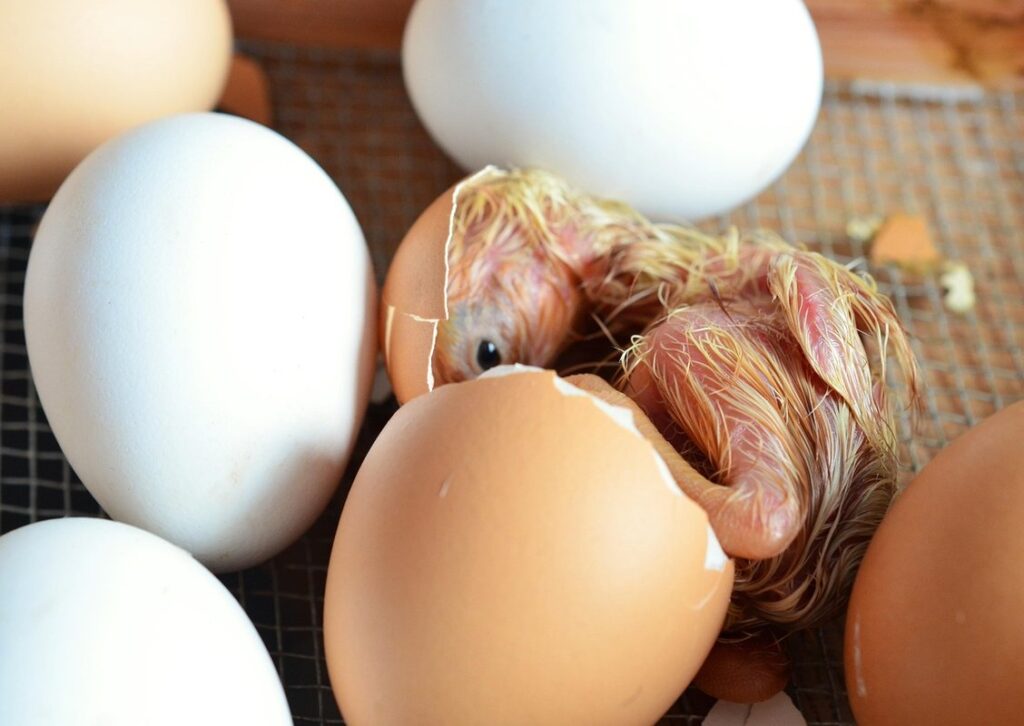
Assisting Chicks During Emergence
When assisting chicks during emergence, it’s essential to prioritize their comfort and safety. To minimize stress, handle chicks gently but firmly, making sure to support their fragile bodies. Hold them cupped in the palm of your hand, with one thumb on either side of the body, allowing for easy inspection and handling.
When picking up a chick, make sure to grasp it from under the wings or at the base of the tail, rather than by the legs or feet. This helps prevent accidental injury to their sensitive joints. If you need to pick up multiple chicks, do so one at a time to avoid overcrowding and reduce stress on the birds.
To promote healthy growth, ensure that the chicks are kept at an optimal temperature (around 90-95°F) during the emergence process. This will help them regulate their body temperature and prevent hypothermia. It’s also crucial to keep the humidity level between 50-60% to prevent dehydration.
Conclusion: Best Practices for Assisting Chick Hatch
Now that you’ve learned the ins and outs of assisting chick hatch, it’s time to put your knowledge into practice with these best practices and expert tips. By following these guidelines, you’ll be a pro in no time!
Recap of Essential Steps for a Successful Hatch
To successfully assist chick hatch, it’s crucial to recall and implement the essential steps outlined throughout this comprehensive guide. These steps are critical for ensuring a healthy and successful hatch. First and foremost, proper incubation setup is paramount. This includes maintaining precise temperature control (99-100°F), accurate humidity levels (50-60%), and regular rotation of eggs.
Next, careful egg handling is vital to prevent damage during the transfer process. When transferring eggs to the hatcher or incubator, make sure to handle them gently to avoid cracking or breaking the shell. Also, ensure that all eggs are placed in their designated tray with the large end pointing up.
Monitoring temperature and humidity levels throughout the hatch period is also essential. This can be achieved by using a high-quality thermometer and hygrometer specifically designed for incubation purposes. Regularly check the temperature and humidity readings to ensure they remain within optimal ranges, making adjustments as needed.
By following these crucial steps, you’ll significantly increase your chances of achieving a successful chick hatch. Remember, patience and attention to detail are key to this process.
Continued Care and Raising of Healthy Chicks
As you transition from helping chicks hatch to raising them to adulthood, it’s essential to maintain their health and well-being. Feeding is a critical aspect of chick care. Provide starter feed that’s formulated for the age group of your chicks (e.g., brooder or starter). Ensure the feeders are filled at all times and place water containers in easy-to-reach locations.
Monitor your chicks’ health daily, checking for signs of illness like labored breathing, lethargy, or diarrhea. Develop a routine that includes checking their droppings regularly to identify potential issues early on. Vaccination is not always necessary but may be required depending on your location and local regulations. Consult with a veterinarian or poultry expert to determine the best vaccination schedule for your flock.
Keep a health journal to track growth rates, behavior changes, and any treatments administered. Regular check-ins will help you stay on top of potential issues before they become severe problems. By providing proper care and attention, you’ll be well on your way to raising healthy chickens that thrive in their new environment.
Frequently Asked Questions
What if I notice an issue with my incubator’s temperature control during the hatching process?
Yes, a sudden fluctuation in temperature can be detrimental to the hatch rate. If you suspect your incubator’s temperature is off, consult your user manual for troubleshooting steps or contact the manufacturer’s support team. In the meantime, keep a close eye on your chicks’ development and be prepared to intervene if necessary.
Can I use a different type of egg tray or turning system instead of what came with my incubator?
Yes, many incubators allow for customization with third-party equipment. However, ensure that any modifications you make do not compromise the optimal temperature and humidity levels required for successful hatching. Consult your incubator’s user manual or manufacturer’s website for compatibility information.
How often should I clean and disinfect the eggs during incubation?
It’s recommended to clean and disinfect the eggs every 7-10 days, or whenever you notice a significant increase in bacteria growth. Use a soft-bristled brush to gently remove any debris, followed by a gentle scrub with a 1:10 bleach solution. Rinse thoroughly with distilled water before returning the eggs to their tray.
What should I do if I notice uneven development among my chicks during candling?
Uneven development can be caused by various factors, including temperature fluctuations or poor egg quality. To rectify the situation, ensure that your incubator’s temperature and humidity levels are within the optimal range. Also, inspect the eggs for any signs of cracking or damage, as these can affect embryo growth.
Can I assist chicks during emergence if they appear to be having difficulty breaking free from their shells?
Yes, carefully assisting chicks during emergence is sometimes necessary to ensure their safe transition into the world. Use a pair of clean, sanitized gloves and gently help the chick break free from its shell. Be cautious not to cause further harm or stress to the chick during this process.