
As an Australorp breeder or enthusiast, you’re likely familiar with the unique charm of these gentle giants. But have you ever wondered why your flock’s eggs come in such a variety of colors? From rich browns to creamy whites, and even some unexpected shades in between, understanding the genetics behind eggshell color can help you optimize your flock’s performance.
In this article, we’ll delve into the fascinating world of Australorp egg color charting. We’ll explore how factors like nutrition, age, and genetics influence the vibrant hues that emerge from your girls’ nests. By examining the science behind these variations, you’ll gain valuable insights to improve egg production, hatchability, and overall flock health. Whether you’re a seasoned breeder or just starting out, this comprehensive guide will provide you with the inside scoop on optimizing your Australorp’s performance and achieving better results from your breeding program.
Understanding Australorp Breed Characteristics
To truly appreciate the beauty of an Australorp egg, it’s essential to understand the breed characteristics that contribute to their unique colors and patterns. Let’s dive into the distinctive traits that make this breed so special.
Overview of Australorp Breed History and Origins
The Australorp breed has its roots in Australia, where it was developed in the late 19th century as a dual-purpose bird, intended for both egg-laying and meat production. The breed’s name is derived from ‘Austral’ meaning Southern Hemisphere and ‘orp’ which refers to the German word for ‘chicken’.
In the early 1900s, Australian farmers sought to create a robust and hardy chicken breed capable of producing large numbers of eggs. The result was the Australorp, known for its exceptional egg-laying abilities, with hens producing an average of 250-300 brown eggs per year. This impressive feat earned them a reputation as one of the top egg-producing breeds worldwide.
The Australorp’s adaptability and high-quality eggs made it an ideal choice for farmers in Australia and later around the globe. Their ability to thrive in various climates has led to their widespread popularity, with many farms still maintaining purebred Australorps today.
Key Factors Influencing Eggshell Color in Australorp Chickens
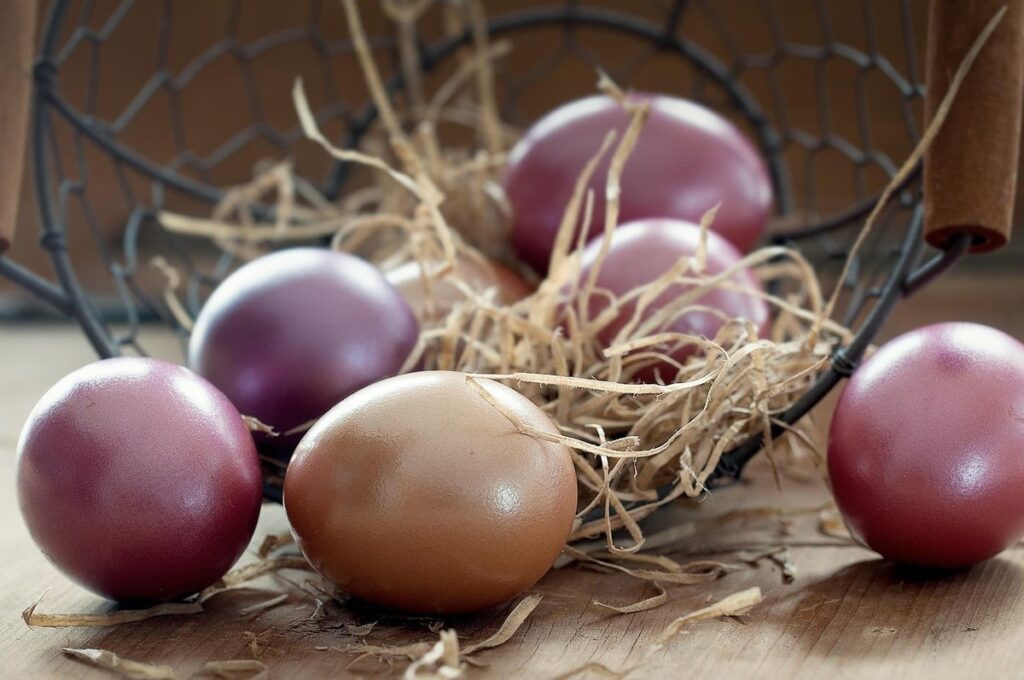
The eggshell color of Australorps is influenced by a combination of genetic and environmental factors. Genetics play a significant role, as different breeds have inherent characteristics that affect their eggshell color. In the case of Australorps, they can lay eggs with various shades of brown, ranging from light cream to dark chocolate.
Nutrition also has an impact on eggshell color, although it is not as pronounced as genetics. A diet rich in calcium and other essential minerals can lead to more vibrant eggshell colors. However, a lack of these nutrients can result in pale or washed-out eggs.
Age is another factor that affects eggshell color. Younger hens tend to lay lighter-colored eggs, which gradually darken as they mature. For example, an Australorp hen may lay pale brown eggs at 18 months but deep chocolate-brown eggs by the time she reaches two years of age.
To encourage optimal eggshell color in your Australorps, ensure they have a balanced diet rich in calcium and other essential nutrients.
Types of Eggshells Produced by Australorps
You’ll find that Australorps can produce a variety of eggshell colors, but did you know they also come in several distinct shell types? Let’s take a look.
Brown Eggs: Characteristics and Production Factors
When it comes to brown eggs produced by Australorps, there are several characteristics worth noting. One of the most noticeable differences is shell thickness – brown eggshells tend to be slightly thinner than their white counterparts, which can make them more prone to cracking. However, this doesn’t necessarily mean that brown eggs are more fragile.
Shell color can also provide clues about potential health implications for your flock. Brown eggs often indicate a diet rich in antioxidants and beta-carotene, which can help protect against diseases like cataracts and heart disease. On the other hand, consistently producing white eggs may be a sign of an imbalanced diet or nutritional deficiencies.
Several factors contribute to the brown coloration of Australorp eggshells. For example, feeding your flock foods high in xanthophylls – such as alfalfa hay or dark leafy greens – can promote brown pigmentation. Additionally, genetics play a significant role; some Australorps are bred specifically for their ability to produce brown eggs.
As an owner, you can influence egg color by adjusting your flock’s diet and environment. By incorporating more antioxidant-rich foods into their feed, you may see a shift towards brown eggs over time.
White Eggs: Characteristics and Production Factors
White eggs from Australorp hens are not only aesthetically pleasing but also a sign of good health. On average, white eggs tend to have thicker shells than brown eggs, making them more resistant to cracking and less prone to bacterial contamination. However, this increased shell thickness can also make them more difficult to crack, which may lead to frustration for cooks.
In terms of potential health implications, studies suggest that the whiter an eggshell is, the lower its iron content tends to be. While this doesn’t necessarily pose a significant concern for most people, it’s worth noting for individuals with specific dietary requirements or restrictions.
Australorp breeders have reported that factors such as diet and nutrition play a crucial role in determining the color of their eggs. A well-balanced feed rich in calcium and other essential minerals can significantly impact eggshell quality and color. For example, adding oyster shells to your flock’s diet can help supplement their calcium intake, leading to stronger, whiter eggshells.
By paying attention to these production factors, you can increase the chances of producing high-quality white eggs from your Australorp hens.
The Science Behind Eggshell Color in Australorps
You might be wondering, what makes those beautiful eggshells such a unique shade of blue? Let’s dive into the fascinating science behind the color of Australorp eggs.
Pigmentation and Biochemistry of Eggshell Color
The biochemical processes that occur within an Australorp hen’s body result in either brown or white eggshells. The primary pigment responsible for brown eggshell color is called protoporphyrin, which is produced by the breakdown of hemoglobin in the hen’s bloodstream. As the blood circulates through the oviduct, a specialized glandular structure that produces eggshells, some of this protoporphyrin is deposited into the shell membrane and outer shell.
This deposition process gives brown eggs their distinctive coloration. On the other hand, white eggs owe their color to the absence of pigment deposits in the shell membrane. The lack of protoporphyrin allows light to pass through more easily, resulting in a clean, uncolored appearance.
It’s worth noting that while eggshell color is determined by genetics, environmental factors such as diet can influence the intensity and uniformity of pigmentation. Hens on a balanced diet rich in certain nutrients tend to lay eggs with richer, darker colors. In contrast, hens fed low-quality feed may produce lighter-colored or speckled eggs due to the reduced availability of key compounds.
Effects of Nutrition on Eggshell Pigmentation
The diet of an Australorp hen plays a significant role in determining the color and quality of her eggs. When it comes to eggshell pigmentation, certain nutrients are crucial for producing vibrant colors. For instance, xanthophylls, which are yellow and orange pigments found in plants like alfalfa and marigold flowers, contribute to the formation of brown and blue-green hues on the eggshell.
On the other hand, carotenoids, particularly lutein and zeaxanthin, are responsible for producing orange and red colors. These nutrients can be obtained from foods such as leafy greens, sweet potatoes, and squash. However, if an Australorp hen is deficient in these pigments, her eggs may appear pale or washed out.
To promote healthy eggshell pigmentation, it’s essential to provide your Australorps with a balanced diet rich in xanthophylls and carotenoids. You can achieve this by incorporating a variety of fruits and vegetables into their feed, as well as supplementing with specific minerals like calcium and phosphorus, which are also vital for strong eggshell production.
By paying attention to the nutritional needs of your Australorp hens, you can influence the color and quality of their eggs.
Common Questions and Misconceptions About Australorp Egg Color
You may have come across conflicting information about Australorp egg color, so let’s address some common misconceptions and questions you might have. We’ll set the record straight in this section!
Debunking Popular Myths and Misconceptions
Many people believe that the breed of chicken determines the color of their eggs. However, this is not entirely accurate when it comes to Australorps. While some breeds are known for producing eggs with distinctive colors like blue or green, Australorp eggs come in a range of colors, including white, brown, and even tinted varieties.
Contrary to popular belief, genetics play a much larger role in determining eggshell color than breed. Factors such as nutrition, age, and health can influence the color intensity, but they do not dictate whether an egg will be white or brown.
A good example of this is when you have two Australorps that lay different colored eggs. The reason for this difference isn’t because one bird is a specific “white egg” breed, but rather due to their individual genetic makeup. This misconception can lead people to believe they need to choose a specific breed if they want a certain type of egg.
It’s essential to note that even within the same flock, eggs may vary in color intensity or shade. This natural variation is completely normal and does not affect the quality or nutritional value of the eggs.
Answering Frequently Asked Questions (FAQs)
Many of you may be wondering about the impact of breeding on Australorp egg color. While some breeders may claim that they can influence the color by selectively breeding for certain traits, the reality is that egg color is largely determined by genetics. In other words, if you’re trying to produce dark-brown eggs, it’s unlikely that your efforts will result in a dramatic change from light-brown or blue-green.
On the other hand, nutrition plays a more significant role than many people assume. A diet rich in antioxidants and omega-3 fatty acids can lead to healthier, more vibrant egg yolks. However, this doesn’t necessarily translate to darker shell colors.
As for health implications, there’s been some concern about the relationship between egg color and nutritional content. Research has shown that eggs with dark shells tend to have higher levels of certain nutrients like carotenoids. But don’t worry – if you’re raising Australorps for their light-brown or blue-green eggs, they’ll still be nutritious.
When it comes to caring for your Australorps, remember that genetics and nutrition work together to determine egg color. Provide a balanced diet and ensure good overall health, but don’t stress too much about the exact shade of brown or blue-green.
Practical Applications for Breeders and Owners
Now that you know the different egg colors laid by your Australorp hens, let’s explore how to apply this knowledge in real-life breeding and ownership scenarios.
Implications for Breeding Programs
Understanding the characteristics of Australorp egg colors can be a game-changer for breeders and owners alike. By recognizing the potential variations in eggshell color, you can make informed breeding decisions that align with your goals.
Commercial breeders often prioritize uniformity and consistency in their flock’s egg production. Knowing which genetic traits contribute to specific egg colors allows them to selectively breed birds that produce eggs with the desired characteristics. For instance, if you’re looking to develop a flock that lays predominantly brown eggs, understanding how the interaction between genetics and environmental factors influences egg color can help you identify the ideal breeding pairs.
In backyard flocks, this knowledge can be just as valuable. By recognizing which traits are inherited and which are influenced by external factors, you can make informed decisions about introducing new birds to your flock or selecting which eggs to incubate. This targeted approach not only ensures a more efficient breeding program but also helps preserve the integrity of the breed’s unique characteristics.
Tips for Optimal Egg Production and Care
To ensure optimal egg production and care for your Australorp flock, it’s essential to prioritize their nutrition. Provide a balanced diet rich in protein, calcium, and phosphorus to support strong bone growth and healthy eggshell development. A high-quality layer feed should make up the bulk of their diet, supplemented with fresh vegetables and fruits.
Regular access to clean water is also vital for maintaining egg-laying health. Ensure that your flock’s watering system is reliable and easily accessible at all times. Monitor their egg production closely, as any significant drops in laying can indicate underlying issues such as nutrient deficiencies or stress.
In terms of promoting desirable eggshell colors, focus on maintaining a consistent temperature range between 60-75°F (15-24°C) to support optimal calcium metabolism. Provide adequate nesting boxes with clean bedding and ensure that your flock is getting sufficient exercise through regular foraging opportunities. This can be achieved by providing access to pasture or introducing toys and puzzle feeders.
By implementing these practical tips, you’ll be well on your way to maintaining a healthy, thriving Australorp flock that consistently lays beautiful eggs across the full spectrum of colors outlined in our comprehensive egg color chart.
Conclusion: Utilizing the Australorp Egg Color Chart Effectively
Now that you’ve learned how to read and understand your Australorp egg color chart, let’s explore ways to effectively utilize its unique features in everyday breeding decisions. This section will help you put it all into practice.
Recap of Key Points and Takeaways
As we conclude our comprehensive guide to the Australorp egg color chart, let’s recap the key points and takeaways. By now, you should have a solid understanding of the various colors associated with Australorp eggs and how to identify them.
You know that Australorps are known for producing a wide range of eggshell colors, including blue, green, pink, yellow, brown, and white. The Australorp egg color chart categorizes these colors into seven main groups: Blue-Green, Green, Pink-Peach, Yellow-Brown, Brown, White, and Other.
You’ve also learned how to identify the different characteristics of each group, such as the shade intensity, undertones, and any markings present. For example, blue-green eggs typically have a vibrant blue sheen with a hint of green undertone, while pink-peach eggs exhibit a warm, soft color with a subtle pink hue.
To effectively utilize the Australorp egg color chart, remember to observe the entire eggshell, including the shape, size, and any imperfections. By doing so, you’ll be able to accurately identify the egg’s color group and provide valuable insights for breeders, farmers, or hobbyists.
Integrating the Egg Color Chart into Your Flock Management Strategy
Now that you’ve become familiar with the Australorp Egg Color Chart and its significance in identifying eggshell color variations, it’s time to integrate this knowledge into your flock management strategy. By understanding the breed-specific characteristics of your Australorps, you can make informed decisions when selecting or breeding for desirable traits.
When selecting new birds for your flock, use the egg color chart as a guide to identify potential weaknesses or strengths in their genetic makeup. For instance, if you’re looking to introduce a trait like blue eggs, consider selecting birds from bloodlines that consistently produce eggs with this characteristic. Conversely, if you want to avoid a particular shade of brown, select birds whose ancestors have produced lighter-brown eggs.
To breed for desirable traits, keep a close eye on the egg color chart and monitor the eggshell colors produced by your flock over time. This will help you identify patterns and make informed decisions about which birds to breed together to achieve specific egg color outcomes. By integrating the Australorp Egg Color Chart into your flock management strategy, you’ll be better equipped to optimize performance, reduce variation, and produce high-quality eggs that meet your market’s demands.
Frequently Asked Questions
Can I apply the principles of the Australorp egg color chart to other chicken breeds as well?
The Australorp breed is unique, but many of the factors influencing eggshell color – like nutrition and genetics – are applicable across different breeds. However, each breed has its specific characteristics, so it’s essential to research and understand the specific needs and traits of your flock.
How do I interpret the egg color chart for my flock if some eggs have unexpected colors or patterns?
Don’t worry; irregularities in eggshell color can occur due to various factors like environmental changes or genetics. Take note of these variations and adjust your management strategies accordingly. Also, consider consulting with a veterinarian or poultry expert to rule out any underlying health issues.
Can I use the Australorp egg color chart as a direct guide for selecting breeding stock?
While the chart provides valuable insights into eggshell color, it’s not a definitive guide for selecting breeding stock. Consider multiple factors, including fertility, hatchability, and overall flock health, when making breeding decisions.
How can I optimize my flock’s nutrition to promote healthier and more consistent eggshell colors?
A balanced diet is crucial for maintaining healthy egg production and shell color. Ensure your flock has access to a nutrient-rich feed that meets their specific needs, including calcium and protein. Also, consider supplementing with vitamins and minerals if necessary.
What are some common mistakes breeders make when interpreting the Australorp egg color chart?
Some breeders might misinterpret irregularities in eggshell color as indicative of health issues or genetic defects. Be aware that small variations can occur naturally and focus on overall flock health rather than individual anomalies.