
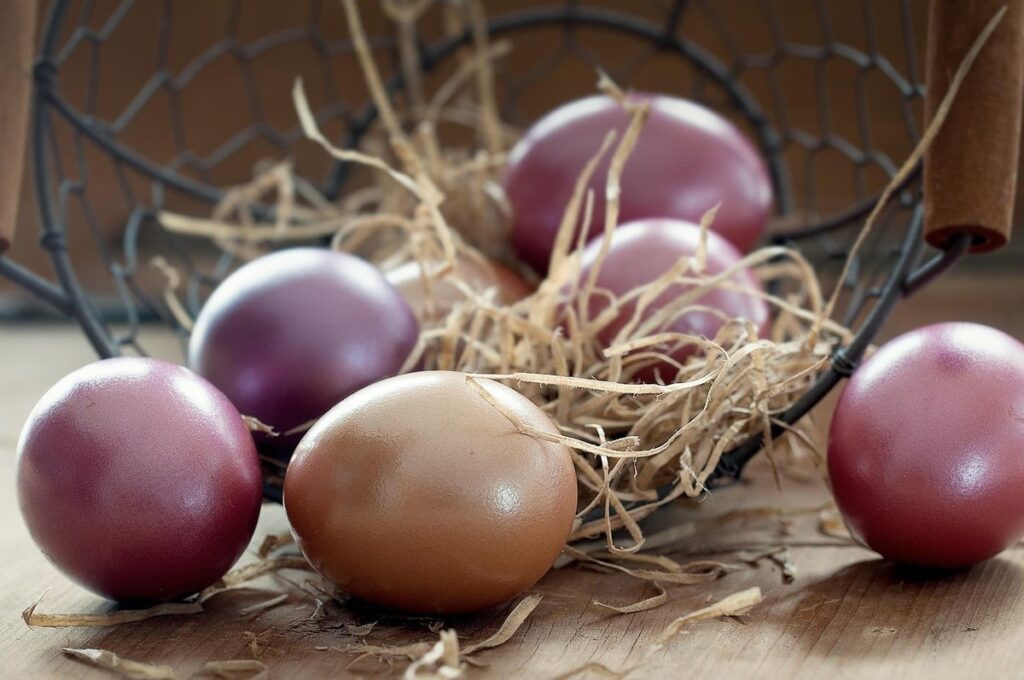
If you’re an Australorp breeder or enthusiast, chances are you’ve marveled at the stunning array of eggshell colors your girls produce. But have you ever wondered why some eggs emerge with those beautiful shades of blue, green, brown, or pink? Or how to breed for specific colors? In this article, we’ll take a fascinating journey into the world of Australorp egg colors and explore the complex interplay between genetics, nutrition, and health considerations that influence these striking hues. We’ll delve into the latest research on breeding programs designed to showcase the full spectrum of Australorp eggshell colors. Whether you’re a seasoned breeder or just starting out, this article will give you valuable insights into maximizing your flock’s egg-laying potential while celebrating the unique beauty of Australorp eggs.
Introduction to Australorp Chickens
Let’s start by learning more about one of the most popular egg-laying breeds: the gentle and friendly Australorp chicken. Originating from Australia, this breed is renowned for its exceptional laying abilities.
History of the Breed
The Australorp breed has a rich history that spans over a century. Developed in Australia in the early 20th century, this gentle giant was bred to produce large quantities of brown eggs. The name “Australorp” is derived from its Australian origin and the prefix “Orp,” which stands for Orpington, one of the breeds used in its development.
The history of the Australorp breed began in the late 1800s when European settlers introduced various chicken breeds to Australia, including the Orpington. To create a hardy and prolific layer, Australian farmers crossed these birds with other local breeds. The result was the Australorp, known for its exceptional egg-laying abilities.
By the mid-20th century, the Australorp had become one of Australia’s most popular backyard chickens, prized for its brown eggs and friendly temperament. Today, this breed is enjoyed by chicken enthusiasts worldwide, appreciated not only for its eggs but also for its docile nature and compact size.
Overview of Australorp Characteristics
The Australorp breed has gained popularity among backyard chicken keepers due to its exceptional egg-laying abilities and gentle nature. These birds are known for their large size, with roosters weighing around 9-10 pounds (4-5 kg) and hens reaching up to 7-8 pounds (3-4 kg). Their plumage is predominantly white with occasional yellow or black markings.
One of the most notable characteristics of Australorps is their temperament. They are friendly, docile, and easy-going, making them an excellent choice for families with children. This gentle nature also makes them a great fit for those new to backyard chicken keeping. When it comes to egg-laying, Australorps excel, producing an average of 280-300 large brown eggs per year. Their consistent laying abilities make them a popular choice among farmers and hobbyists alike.
To ensure the best performance from your Australorp flock, provide them with a balanced diet and plenty of space for exercise. Aiming to give each bird around 4-5 square feet (0.36-0.46 sqm) per bird indoors and at least 8 hours of sunlight daily will help keep them happy and healthy.
Understanding Egg Color Variations
Let’s dive into the fascinating world of egg color variations and explore how different factors influence the colors you might find in your Australorp eggs. From light pastels to rich browns, each color is a clue to a unique genetic combination.
The Genetics of Eggshell Color
When it comes to eggshell color, genetics play a significant role in determining the vibrant hues we see. The color of an Australorp’s egg is primarily influenced by two main factors: pigment production and shell thickness.
Pigment production is responsible for creating the colors we see on the surface of the egg. In the case of the Australorp breed, the most common eggshell colors are white, brown, and blue. These colors are produced by the interaction of two types of melanin: eumelanin and pheomelanin. Eumelanin is responsible for black and dark brown colors, while pheomelanin produces red and yellow hues.
The ratio of these two melanins determines the final eggshell color. For example, a higher concentration of eumelanin will result in a darker, more intense color, such as chocolate or mottled brown. Conversely, a greater proportion of pheomelanin will produce lighter colors like pink or blue.
It’s worth noting that other genetic factors can also influence eggshell color, including the thickness of the shell itself. A thicker shell may appear whiter due to the increased scattering of light. By understanding these genetic factors, breeders and owners can better predict the possible colors their Australorp hens will lay.
Common Australorp Egg Colors
If you’re an Australorp owner, one of the most exciting things is collecting eggs from your backyard flock. But have you ever wondered what determines the color of your Australorp’s eggs? Well, it’s not just about the breed itself; egg color is a complex trait influenced by genetics.
Australorps are prolific layers, and their eggs come in a variety of colors, including white, brown, blue, green, and pink. Let’s take a closer look at each of these egg colors:
* White eggs: These eggs have no pigment, making them appear completely transparent or slightly yellowish due to the yolk’s color.
* Brown eggs: Brown eggs owe their color to a pigment called protoporphyrin, which is present in the hen’s body. The intensity and shade of brown can vary from light tan to dark chocolate.
* Blue eggs: Australorps laying blue eggs have a genetic trait that produces a pigment called porphyrins, which gives them an iridescent sheen.
* Green eggs: While less common, green eggs are another result of the interaction between genetics and environment. This color is often caused by a combination of protoporphyrin and other pigments.
* Pink eggs: Some Australorps may lay pink or rose-colored eggs due to the presence of a specific genetic trait.
Keep in mind that egg color doesn’t affect their nutritional value, so you don’t need to worry about choosing one type over another.
Factors Affecting Egg Color
When it comes to the diverse range of egg colors produced by Australorp hens, several factors come into play. Let’s explore what influences these beautiful shades together!
Nutrition and Diet
When it comes to Australorp egg colors, nutrition and diet play a significant role in determining their hue. A chicken’s diet affects the quality of its eggs, including the color of the shell. Let’s dive into how specific nutrients impact eggshell color.
Omega-3 fatty acids, found in foods like flaxseeds, chia seeds, and leafy greens, can influence egg yolk color, but have a limited effect on eggshell color. However, they do contribute to the overall health of your Australorp flock, which is beneficial for consistent egg production.
Vitamins A, C, and E are essential for maintaining healthy skin, feathers, and reproductive systems in chickens. Adequate intake of these vitamins supports strong, robust hens that produce high-quality eggs with vibrant shells. Include vitamin-rich foods like sweet potatoes, carrots, and spinach in your flock’s diet to reap the benefits.
Minerals like calcium, phosphorus, and zinc are critical for maintaining eggshell strength and color. Ensure your Australorps receive a balanced mix of these minerals through their feed or supplements. You can also sprinkle crushed eggshells back onto the coop floor as a natural source of calcium.
By understanding how nutrition affects Australorp egg colors, you can make informed decisions to support your flock’s health and well-being. A well-balanced diet that includes essential nutrients will result in more vibrant, healthy eggs with consistent shell colors.
Health and Environmental Factors
When it comes to Australorp egg colors, several health and environmental factors can significantly impact their appearance. Stress is a major contributor to changes in eggshell color. If hens are under stress due to overcrowding, poor living conditions, or nutritional deficiencies, they may produce eggs with duller or irregularly colored shells.
Dietary deficiencies, particularly a lack of essential minerals like calcium and vitamin D3, can also affect eggshell quality and color. A balanced diet that includes adequate protein, vitamins, and minerals is crucial for maintaining healthy egg production.
Environmental factors such as temperature fluctuations, humidity levels, and exposure to light can also impact eggshell color. For example, high temperatures can cause eggs to be more prone to cracking, while low humidity may lead to dry, brittle shells.
To mitigate these effects, provide your Australorp hens with a nutrient-rich diet, ensure good ventilation and lighting in the coop, and maintain a comfortable temperature range between 60-75°F (15-24°C). Regular health checks and monitoring can also help identify any issues before they affect eggshell color or quality.
Breeding for Specific Egg Colors
If you’re eager to produce eggs with a specific color, understanding how breeding for certain hues works is crucial. Let’s dive into the process and what you need to know.
Selective Breeding Programs
Selective breeding programs are a crucial aspect of developing specific egg colors in Australorp chickens. These programs involve intentionally selecting and breeding birds that exhibit desired traits, such as unique eggshell colors. The primary goal is to produce consistent results while maintaining the breed’s overall health and characteristics.
One advantage of selective breeding programs is the ability to introduce new egg color varieties with minimal genetic variation. This means that farmers can rely on a steady supply of eggs in their preferred color without worrying about inconsistent or unpredictable outcomes. For example, some Australorp breeders have successfully developed red-brown and pale blue egg layers through selective breeding.
However, challenges do arise when implementing selective breeding programs. Genetic uniformity can lead to reduced genetic diversity within the flock, making them more susceptible to diseases and environmental stressors. To mitigate this risk, breeders must carefully balance selection pressure with genetic diversity preservation techniques, such as cross-breeding with other lines or incorporating feral birds into the gene pool.
As an Australorp breeder, you can apply selective breeding principles by setting clear objectives for your desired egg color outcome. Conduct thorough research on the genetics of eggshell pigmentation and collaborate with experienced breeders to ensure a successful program.
The Role of Breeders in Preserving Genetic Diversity
Preserving genetic diversity is crucial even when breeding for specific traits like egg color. Australorp breeders aim to produce eggs with distinctive colors, but they must also ensure the gene pool remains healthy and adaptable. This involves selecting parents with a diverse range of characteristics, such as different egg weights, sizes, and, of course, colors.
Australorps are known for their production capabilities and hardiness, making them an excellent choice for many backyard flocks. However, breeding solely for specific traits can lead to inbreeding, which reduces genetic diversity and increases the risk of inherited diseases. To avoid this, breeders should select parents that are not too closely related and prioritize characteristics like fertility, egg quality, and overall health.
Genetic testing can also help identify potential issues before they become major problems. For example, a DNA test can reveal if a chicken has a genetic mutation that increases its risk of producing eggs with abnormal shells or other defects. By incorporating such tests into their breeding program, Australorp enthusiasts can reduce the likelihood of inherited problems and preserve the breed’s overall health.
Health Considerations for Australorp Chickens
When keeping your Australorps healthy, it’s essential to be aware of their specific needs and potential health issues that can arise from their breeding and genetics. We’ll cover some key considerations for you to keep in mind.
Common Health Issues Affecting Eggshell Color
As an Australorp owner, it’s essential to be aware of common health issues that can affect eggshell color. These problems often stem from nutritional deficiencies or bacterial infections, which can impact the quality and appearance of your flock’s eggs.
One common issue is a lack of vitamin D3 in their diet, which can lead to pale, washed-out colors. This might sound alarming, but it’s easily preventable by adding a calcium supplement or switching to a high-quality layer feed that includes this essential nutrient. To avoid this problem, ensure your Australorp’s diet consists of 1-2% calcium sources like crushed oyster shells.
Bacterial infections can also alter eggshell color and texture. Salmonella is a primary culprit in this regard, so maintaining good hygiene practices when collecting eggs and keeping the coop clean are crucial steps to minimize the risk. Additionally, make sure your Australorp’s water source is fresh and free from contamination.
Lastly, certain health issues like hypothyroidism can also impact eggshell color. This condition affects the gland that regulates hormone production in chickens, leading to lighter or faded eggs. Regular veterinary check-ups can help identify potential thyroid problems early on.
Regular monitoring of your flock’s diet, coop cleanliness, and overall health will go a long way in maintaining healthy egg-laying habits and beautiful, vibrant eggshell colors. By being proactive about addressing these common issues, you’ll be able to enjoy the unique beauty of Australorp eggs for years to come!
Best Practices for Maintaining Healthy Flocks
Maintaining healthy flocks is essential to ensure that your Australorp chickens produce high-quality eggs consistently. Regular veterinary check-ups are crucial in identifying potential health issues early on, allowing you to take proactive measures to prevent the spread of diseases within the flock.
A well-balanced diet is also vital for maintaining the overall health of your Australorps. Provide a nutritious feed that meets their specific needs, and supplement with fresh fruits and vegetables daily. Consider incorporating a probiotic into their diet to support digestive health.
In addition to proper nutrition, ensure that your chickens have access to clean water at all times. Regularly inspect their living quarters for signs of pests or diseases, and take prompt action if necessary.
Schedule regular check-ups with a veterinarian experienced in poultry care to monitor the health of your flock. This will help you stay on top of any potential issues before they become major problems. By following these best practices, you can maintain a healthy and thriving flock that produces eggs consistently throughout the year.
Conclusion: Embracing the Diversity of Australorp Eggs
As you’ve learned about the fascinating world of Australorp egg colors, let’s wrap up by embracing the diversity that makes these eggs truly unique and special.
Recap of Key Points
In conclusion to our journey through the diverse world of Australorp egg colors, let’s revisit the key points that will help you better understand and appreciate this fascinating aspect of chicken breeding. Understanding egg color genetics is crucial for breeders who want to create a consistent egg-laying program. The inheritance pattern of eggshell color is influenced by multiple genes, making it complex but not impossible to navigate.
We discussed how breeders can use linebreeding and inbreeding to fix the desired traits, including egg color, within their flock. This requires a deep understanding of genetics and careful record-keeping to track progress. By focusing on a specific trait like egg color, you can also inadvertently improve other desirable characteristics such as fertility or chick viability.
To apply these principles effectively, start by identifying your goals and prioritizing the traits you want to fix within your flock. Regularly monitoring your hens’ eggs will help you track progress and make informed decisions about breeding programs. With patience, persistence, and a solid understanding of genetics, you can develop a robust egg-laying program that meets your needs.
Encouraging Responsible Breeding Practices
As you continue to explore and appreciate the unique characteristics of Australorp eggs, it’s essential to consider the impact of breeding practices on this breed. The diversity of egg colors within the Australorp is a testament to responsible breeding, but we must acknowledge that not all breeding methods prioritize genetic diversity and animal welfare.
Genetic diversity is crucial for the long-term health and adaptability of any bird population. When selective breeding focuses too heavily on specific traits, it can lead to inbreeding depression, reduced fertility, and increased susceptibility to disease. To avoid these issues, look for breeders who prioritize genetic diversity through outbreeding programs or use of frozen semen from high-quality birds.
When selecting a breeder, ask about their breeding goals, health testing, and selection criteria. A responsible breeder will be transparent about their methods and willing to share information on the health and performance of their birds. By supporting breeders who prioritize genetic diversity and animal welfare, you’re contributing to the long-term sustainability of the Australorp breed.
Frequently Asked Questions
How do I know if my Australorp breed is suitable for egg color variation breeding programs?
If you’re interested in participating in selective breeding programs, it’s essential to assess your flock’s potential for genetic diversity and eggshell color variations. Research the breed standards of organizations like the American Poultry Association (APA) or the Australian National Poultry Standards, which specify requirements for Australorp breeds. Evaluate your flock’s characteristics, including eggshell colors, to determine if they meet these standards.
What are some common mistakes to avoid when breeding for specific egg colors?
When breeding for specific egg colors, it’s crucial to avoid inbreeding and maintain genetic diversity within your flock. Inbreeding can lead to reduced fertility, increased susceptibility to disease, and a loss of desirable traits. Instead, focus on selecting birds with the desired eggshell color while also promoting outcrossing and linebreeding.
Can I still breed Australorps for specific egg colors if my flock is already relatively small?
Even with a smaller flock, you can still participate in selective breeding programs designed to promote genetic diversity and desirable traits. Start by identifying your birds’ strengths and weaknesses and then select breeding pairs that will introduce new genes into your flock while maintaining the desired eggshell color.
How do environmental factors affect Australorp egg colors?
Environmental factors such as diet, light exposure, and stress levels can all impact eggshell color. Ensure your birds are receiving a balanced diet rich in essential nutrients, providing adequate lighting to promote calcium uptake for strong shells, and minimizing stress through proper management practices like regular handling and health checks.
What role do nutrition and diet play in influencing Australorp egg colors?
Nutrition plays a vital role in determining the final color of your eggs. A diet rich in calcium, vitamin D3, and other essential nutrients will promote strong, healthy shells while supporting the production of vibrant eggshell colors. Consider supplementing your flock’s feed with specific additives or adjusting their diet based on research findings to enhance eggshell pigmentation.